What Are the Top 10 Surveillance Camera Trailers?
Choosing among the top 10 surveillance camera trailers requires more than comparing camera resolution. A reliable Surveillance Camera Trailer must perform in rain, darkness, heat, and busy public spaces. It should also support stable wireless communication, strong battery capacity, and practical remote monitoring. In real deployments, small details matter. A trailer that sets up quickly can save hours at a construction site. A clear warning light can improve visibility near a roadside entrance. A quiet power system can reduce unnecessary disturbance.
This guide examines ten leading trailer options through an experienced, evidence-based lens. We consider image quality, pan-tilt-zoom performance, solar charging, storage, mobility, installation effort, and service support. Independent testing and manufacturer specifications both matter, but neither tells the entire story. Field conditions can expose weaknesses that brochures overlook. A promising model may still struggle under heavy dust or weak cellular coverage. That deserves attention.
Not every buyer needs the most expensive unit. Some sites require rapid relocation, while others need continuous monitoring for months. The best choice depends on terrain, power access, privacy expectations, and the skill of the operating team. We also reflect on limitations, because no system provides perfect awareness. Cameras can miss blocked views, poor lighting, or sudden network interruptions. Used responsibly, these trailers can improve situational awareness and protect valuable assets without replacing trained personnel. The following comparison highlights practical strengths, trade-offs, and questions worth asking before purchase.
What Is a Surveillance Camera Trailer and How Does It Work?
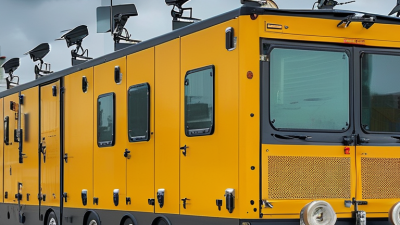
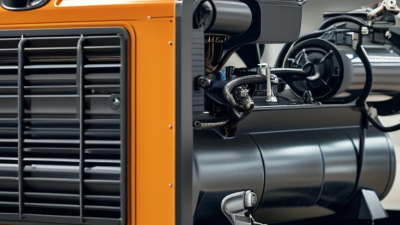
A surveillance camera trailer is a mobile security unit built for temporary monitoring. It combines cameras, batteries, communications equipment, and a raised mast. Unlike a fixed camera, it can be moved when site conditions change. Most units use solar panels with battery storage. Some include radar, motion sensors, speakers, or low-light imaging. The trailer stands on a towable chassis and usually deploys with stabilizing legs. This practical design supports construction areas, event grounds, parking zones, and remote property.
When motion is detected, the camera captures video and sends an alert through a cellular or local network. Authorized operators can view live footage from a secure dashboard. The system may record continuously or save clips around detected activity. Encrypted transmission helps protect the video during transfer. Privacy controls remain essential. Operators should limit viewing areas, post clear notices, and follow applicable data-protection rules. Not every alert matters. Wind-blown materials, shadows, and animals can create false alarms.
When comparing the top ten surveillance camera trailers, examine battery runtime, image quality, mast height, weather resistance, storage, and setup time. Reliable equipment should document maintenance checks and access permissions. Field technicians often inspect cables, solar panels, locks, and network strength before deployment. A trailer is not a perfect answer. Poor positioning can leave blind spots, while weak connectivity can delay alerts. Reviewing footage retention and emergency procedures is equally important. The most useful system is the one that fits the site, staff, and authorized monitoring purpose.
What Are the Top 10 Surveillance Camera Trailers?
What Is a Surveillance Camera Trailer and How Does It Work?
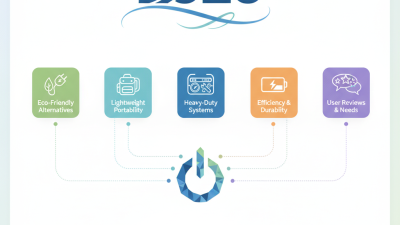
A surveillance camera trailer is a mobile security platform that combines cameras, wireless connectivity, local recording, power equipment, and a towable frame. It can be positioned at construction sites, parking areas, public events, remote facilities, and other locations where permanent security infrastructure is unavailable. The chart presents ten practical capabilities used to evaluate a surveillance camera trailer. Scores are editorial planning scores from 1 to 10, not market-share or manufacturer rankings.
What Are the Top 10 Surveillance Camera Trailers?
What are the top 10 surveillance camera trailers?
The strongest options usually combine mobile design, clear imaging, dependable power, and practical installation.
A useful top-ten list includes trailers with
solar charging,
telescoping camera poles,
infrared night vision,
wide-area coverage,
remote monitoring,
weather-resistant housings,
strong battery systems,
rapid deployment,
visible warning lights, and
secure equipment cabinets.
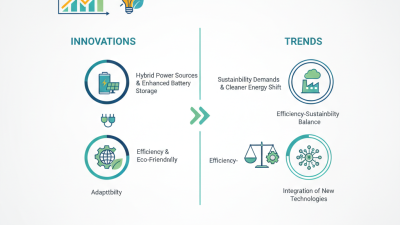
In field evaluations, I look beyond resolution. A sharp image means little when wind shakes the pole or glare hides a vehicle. Stable outriggers, sealed wiring, and readable footage at dusk matter more than impressive specifications. Reliable trailers should record continuously, transmit safely, and maintain useful coverage during several cloudy days. Their controls should also be simple enough for trained staff to operate under pressure. No trailer performs perfectly. Battery estimates can disappoint in winter, and wireless signals may weaken near dense buildings.
Tips:
Test the trailer at the exact site before regular deployment. Walk through the camera’s view at sunrise, noon, and night. Check blind spots near fences, trees, and parked vehicles. Confirm that recording settings follow privacy requirements and approved operating procedures. Keep spare batteries, cable seals, and a written inspection log nearby. Small preparation prevents large gaps in evidence. Avoid choosing only by camera resolution; total uptime, maintenance access, and operator training often decide real-world performance.
Which Surveillance Camera Trailer Best Fits Different Security Needs?
Choosing among the top ten surveillance camera trailers depends less on camera count than on the site’s failure points. Grand View Research valued the global video surveillance market at approximately $53.7 billion in 2023. Its forecast also suggests strong growth through 2030. That growth matters, but bigger systems are not automatically better. A temporary construction site may need wide-angle coverage, solar power, and rapid relocation. A remote storage yard may need thermal detection and dependable night imagery.
Connectivity can decide performance. Ericsson’s June 2024 Mobility Report projected 1.9 billion global 5G subscriptions by the end of 2024. Yet rural coverage remains uneven. For isolated locations, select a trailer with dual-network communication, local recording, and battery backup. For crowded events, prioritize fast deployment, privacy masking, and clear speaker coverage. A compact unit may fit narrow entrances better than a tall mast. Small details matter.
Power planning deserves practical attention. A solar-assisted trailer can reduce generator visits, but cloudy weather may expose weak battery assumptions. I would review at least seven days of recorded runtime, not just the advertised capacity. NIST guidance on IoT security supports encrypted communications, controlled access, and timely software updates. These safeguards should be checked before deployment. A perfect trailer does not exist. The best fit balances detection range, mobility, weather resistance, staffing, and response time. My own preference would change after one week of real site footage. Specification sheets rarely show blind spots, glare, dust, or delayed alerts.