Leave Your Message

7 Best Surveillance Camera Trailers for Global Buyers

Global buyers are paying closer attention to mobile surveillance, and the reasons are practical. Construction sites, remote utilities, ports, and temporary public spaces often need protection before permanent infrastructure exists. A Surveillance Camera Trailer can arrive with cameras, solar panels, batteries, lighting, and wireless connectivity already integrated.

Market estimates show strong momentum. Grand View Research valued the global video surveillance market at approximately $83.3 billion in 2023. It projects continued growth through 2030. MarketsandMarkets reported different figures, forecasting expansion from about $53.7 billion in 2023 to $83.3 billion by 2028. The gap matters. Research methods and market definitions are not identical.

Still, the direction is clear.

John Honovich, founder of IPVM and a respected video surveillance industry analyst, has repeatedly stressed that “video surveillance is not a security system.” His point deserves attention. A trailer cannot replace trained monitoring, reliable response procedures, or careful site planning. It only strengthens a broader security strategy.

This guide examines seven leading Surveillance Camera Trailer options for international buyers. We compare camera resolution, battery endurance, solar performance, network compatibility, weather resistance, mobility, and support availability. Small details matter, such as a trailer’s stabilizing legs on uneven gravel or its battery performance after several cloudy days.

Specifications can look impressive.

Real-world performance may differ.

Buyers should also review warranty terms, data handling practices, installation requirements, and local compliance obligations. No single model fits every climate or project. That is an uncomfortable truth, but honest selection begins there.
7 Best Surveillance Camera Trailers for Global Buyers

What Surveillance Camera Trailers Are and How They Work

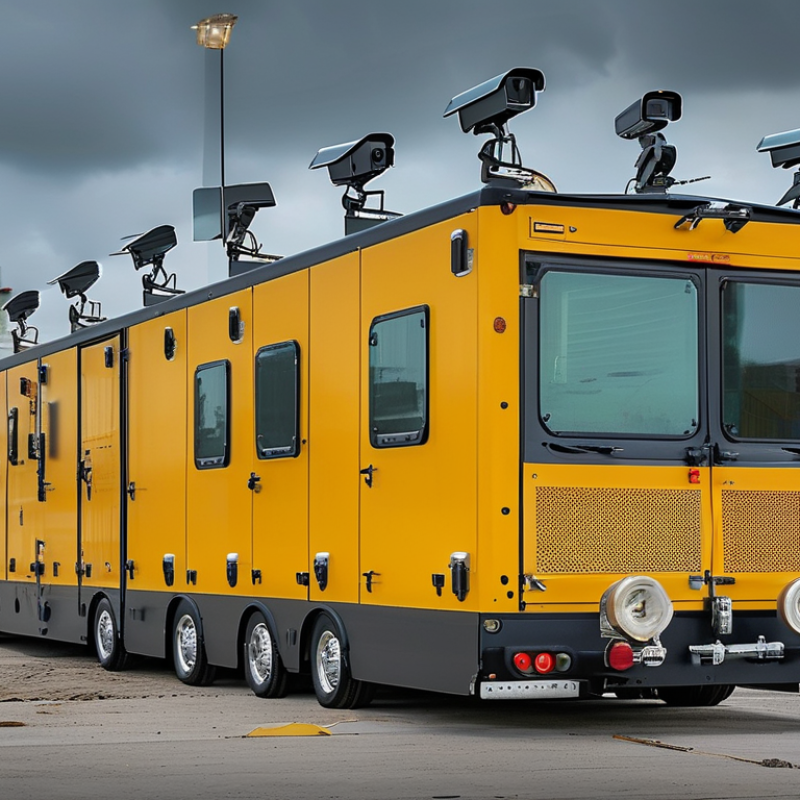
Surveillance camera trailers are mobile security units built for temporary or changing sites. They usually combine cameras, a raised mast, batteries, solar panels, and a weather-resistant cabinet. Some models also include lights, speakers, GPS, and wireless communication. The trailer can move between construction areas, parking lots, farms, or public events without permanent installation.

When the mast rises, cameras capture wide views from a higher position. Motion detection software can identify movement and send alerts through a cellular or local network. Operators may view live footage, review stored video, or adjust camera angles remotely. Solar panels recharge the batteries during daylight, while battery capacity supports nighttime operation. Cloud storage is convenient, but local recording can protect footage when the network fails.

Signal strength matters.

A weak connection may delay alerts or interrupt live viewing. Heavy rain, dust, and poor sunlight can also reduce performance. In my experience, buyers often focus on camera resolution and overlook battery endurance. That choice can create avoidable gaps. A clear image is useless if the system shuts down before dawn.

Buyers should check operating temperature, storage capacity, maintenance access, and data protection controls. Placement also needs care. A trailer should cover useful areas without recording private spaces or neighboring property. Local privacy rules, signage requirements, and retention periods must be reviewed before deployment. Even advanced detection can produce false alerts from animals, shadows, or moving branches. Human verification remains important.

Key Features for Evaluating Mobile Surveillance Trailers

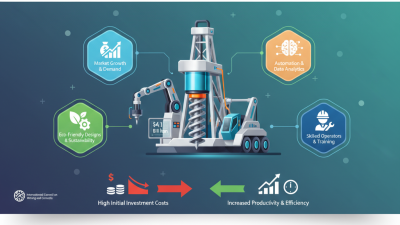
Evaluating a mobile surveillance trailer requires more than checking camera resolution. Start with coverage. A pan-tilt-zoom camera should track wide areas without leaving blind spots. High-definition video helps identify details, while strong low-light performance matters after sunset. Thermal imaging can add value in poor visibility, but it should match the site’s real needs.

Power reliability is equally important. Examine battery capacity, solar charging performance, and backup options during several cloudy days. A trailer may look capable on a sunny afternoon. Field conditions are less forgiving. Check the mast’s height, wind stability, wheel design, and setup time. One operator should manage deployment safely, even on uneven ground. Weather sealing and corrosion resistance also deserve close inspection.

Connectivity affects daily performance. Secure cellular or wired communication should support stable live viewing and encrypted data transfer. Local storage is useful when the network fails. Confirm retention settings, user permissions, audit logs, and automatic alerts before purchase. These features support responsible operation and help protect personal privacy. Test detection zones with moving vehicles, changing light, and heavy rain. False alarms waste attention. Poorly placed cameras can also capture unnecessary private areas. Review the footage from several viewpoints, document weaknesses, and adjust the system before relying on it for long-term monitoring.

7 Best Surveillance Camera Trailers for Global Buyers - Key Features for Evaluating Mobile Surveillance Trailers

Trailer Type Best For Typical Camera Setup Mast Height Typical Operating Time Power Configuration Connectivity Night Monitoring Weather Protection Key Evaluation Advantage
Solar-Powered Camera Trailer Remote sites, construction areas, utilities and temporary perimeters 1 PTZ camera plus 2–4 fixed cameras; 4 MP to 8 MP image resolution is common 4–9 m telescopic mast Approximately 3–10 days without effective sunlight, depending on battery and load Solar panels with deep-cycle battery storage; commonly 400–1,200 W solar capacity 4G/LTE, 5G where available, Wi-Fi and optional satellite backhaul Infrared illumination, typically 30–150 m depending on camera selection Outdoor-rated enclosure; IP65 or higher is suitable for exposed installations Low operating cost and reduced dependence on grid power
Hybrid Solar-and-Generator Trailer Long-duration deployments in areas with limited sunlight 1–2 PTZ cameras with multiple fixed cameras and optional thermal camera 5–10 m telescopic mast Several weeks to continuous operation with scheduled refueling Solar charging, battery bank and fuel generator backup 4G/LTE, 5G, Ethernet, Wi-Fi and satellite options IR illumination; thermal imaging can support detection in darkness, smoke or light fog IP65 or higher equipment housing with protected fuel and battery compartments High availability when weather conditions are unpredictable
Compact Rapid-Deployment Trailer Events, roadwork, parking areas and short-term security operations 1 PTZ camera or 2–3 fixed cameras with wide-angle coverage 3–6 m mast Approximately 24–72 hours on battery power; longer with external power Rechargeable battery, optional solar panel or shore-power input 4G/LTE, Wi-Fi and local network connectivity Integrated IR LEDs, generally suitable for short- to medium-range observation Weather-resistant enclosure; IP54–IP66 depending on the equipment package Easy towing, fast setup and lower transport requirements
High-Mast Long-Range Trailer Large construction sites, mines, ports and open industrial zones High-zoom PTZ camera, long-range fixed camera and optional thermal sensor 8–12 m telescopic mast Typically 2–7 days on battery; extended by solar or generator support Large battery bank with solar, generator or grid-power options 4G/LTE, 5G, point-to-point wireless and fiber or Ethernet where available High-power IR or thermal imaging for extended detection distances Heavy-duty outdoor housing, typically IP66 or better Greater camera elevation and wider line of sight over large areas
AI-Enabled Video Analytics Trailer Perimeter protection, asset monitoring and sites requiring automated alerts 2–6 fixed or PTZ cameras with edge-based person, vehicle and intrusion detection 4–8 m mast Approximately 1–5 days, depending on processing hardware and communications load Battery or solar-battery system sized for cameras and edge-computing equipment 4G/LTE, 5G, Wi-Fi and secure cloud or private-server connection IR illumination with automated low-light image enhancement IP65 or higher for cameras and control electronics Reduces monitoring workload through configurable real-time alerts
Thermal and Visible-Light Trailer Critical infrastructure, border areas, forestry and fire-risk locations Dual thermal and optical PTZ camera, often supported by fixed overview cameras 4–9 m mast Approximately 1–4 days on battery, depending on sensor resolution and heater use Battery system with solar, generator or external power options 4G/LTE, 5G, microwave, Ethernet and satellite options Thermal detection plus IR-assisted visible-light imaging Ruggedized IP66 enclosure; environmental heaters may be required in cold climates Maintains detection capability when visible-light cameras are limited
Heavy-Duty Multi-Camera Trailer Airports, logistics yards, public infrastructure and high-value sites 1–2 PTZ cameras plus 4–8 fixed cameras, with optional access-control integration 5–10 m mast Approximately 2–7 days on battery; continuous operation with grid or generator power High-capacity battery, solar array, generator and optional mains connection Redundant 4G/LTE or 5G, Ethernet, Wi-Fi and satellite backup IR illumination, low-light cameras and optional thermal channel IP66 outdoor protection with lockable, tamper-resistant equipment cabinets High coverage capacity, redundant power and strong integration potential

Note: Specifications shown are representative ranges for commercially available mobile surveillance trailer configurations. Actual operating time, detection distance, mast height and communications performance depend on camera load, climate, battery capacity, network availability and site conditions.

Seven Strong Surveillance Camera Trailer Options for Global Buyers

Global buyers need surveillance camera trailers that perform beyond a product brochure. A useful comparison starts with power, mobility, weather protection, and verified image quality. The seven strongest options balance these practical factors for different sites and operating conditions. Some buyers overvalue high resolution. That is a mistake.

A solar-powered trailer suits remote areas with strong daylight and limited grid access.

A hybrid solar-battery model offers steadier operation during cloudy periods.

A compact towable unit works well for short-term events or changing work zones.

A mast-lift trailer improves coverage across open land and large facilities.

A rugged all-weather trailer supports demanding outdoor environments.

A modular trailer allows buyers to adjust lighting, storage, and sensor layouts.

A rapid-deployment trailer helps teams establish temporary monitoring quickly.

Each choice needs a clear site plan.

Reliable purchasing also requires careful technical verification.

Check camera resolution, night visibility, battery capacity, wireless range, and recording continuity. Ask for published test data, not only attractive claims.

Data storage needs strong access controls and clear retention settings. Local privacy laws and placement rules must guide installation.

I would not ignore maintenance access, either. A promising specification can still fail after dust, heat, or repeated towing.

Real performance matters more than polished wording.

International Compliance, Shipping, and Deployment Considerations

For global buyers, the best surveillance camera trailer is not simply the one with the longest battery life. Practical choices include solar-only, hybrid-power, battery, PTZ, thermal, cellular, and rapid-deployment mast configurations. Each design creates different compliance and shipping duties. UNCTAD’s Review of Maritime Transport 2024 reports that over 80% of global merchandise trade moves by sea. Packaging must therefore withstand salt air, vibration, and extended port storage. That detail matters.

Battery-powered trailers require UN 38.3 test evidence and accurate dangerous-goods declarations. Air shipments may follow IATA Dangerous Goods Regulations, while sea freight generally follows the IMDG Code. Radio modules may also need local type approval, electromagnetic compatibility testing, and electrical safety documents. Customs teams need consistent serial numbers, HS classifications, commercial invoices, and country-of-origin records. Small errors become expensive.

Deployment planning should address privacy notices, retention limits, access logs, and lawful camera positioning. ENISA’s 2024 Threat Landscape continues to identify ransomware and data theft as major operational risks. Use encrypted transmission, strong identity controls, and separate administrator accounts. Field experience suggests that cellular coverage is often overestimated. A site survey with the actual trailer, antenna, and SIM profile is safer. I would also avoid promising “global compatibility”; regional spectrum rules and privacy requirements can change. A weatherproof enclosure may still fail when condensation reaches the modem or battery compartment. Testing should include rain, heat, weak signals, customs delays, and overnight power loss.

7 Best Surveillance Camera Trailers for Global Buyers

Typical unattended operating time under favorable solar conditions. Actual performance depends on camera load, battery capacity, sunlight, network activity, temperature, and local deployment requirements.

For international deployment, buyers should verify radio approvals, electrical safety requirements, battery transport documentation, weather protection ratings, and destination-country import rules before shipment.

How to Choose the Right Trailer for Your Security Needs

7 Best Surveillance Camera Trailers for Global Buyers

Choosing the right surveillance camera trailer starts with the site, not the camera. Grand View Research valued the global video surveillance market at USD 51.88 billion in 2022 and expects strong growth through 2030. That expansion increases equipment choices, but it also creates confusion. Measure the coverage area, lighting conditions, road access, and expected deployment period. A compact trailer may suit a construction entrance, while a larger unit may support remote industrial sites. Numbers matter.

Power should match the environment. Check battery capacity, solar performance, charging options, and backup duration during cloudy weather. Connectivity is equally important. Cellular, satellite, and local wireless networks behave differently across regions. The system should support encrypted transmission, role-based access, and secure data retention. Weather ratings, wind stability, towability, and tamper detection deserve practical testing. MarketsandMarkets reports that the video surveillance market is projected to grow from USD 53.7 billion in 2023 to USD 83.3 billion by 2028, showing why scalable systems matter.

I would also test the trailer after dark, during rain, and with weak network coverage. Test it twice. A specification sheet cannot reveal every blind spot. Some buyers overvalue camera resolution and underestimate maintenance access. That is an easy mistake. Review local privacy, recording, and data-storage requirements before deployment. Independent installation records, service response times, and documented product testing provide stronger evidence than dramatic sales claims. The best trailer is not always the largest or most expensive; it is the one that remains dependable when conditions become inconvenient.