How to Choose the Right Screw Air Compressor for Your Needs?
Selecting the right Screw Air Compressor is crucial for efficiency and performance. In fact, the global air compressor market is projected to reach $40.5 billion by 2025, according to industry reports. The growing demand for energy-efficient solutions drives the need for high-quality air compressors across various sectors.
When considering a Screw Air Compressor, factors such as application, capacity, and energy consumption are essential. Many companies overlook the importance of horsepower and CFM ratings, potentially leading to costly mistakes. A compressor that does not meet specific requirements can result in decreased productivity and higher operational costs.
Moreover, understanding the maintenance needs of a Screw Air Compressor can further influence your choice. Overlooking routine maintenance may shorten the compressor's lifespan and increase downtime. Therefore, careful evaluation of reliability and service options is needed to ensure long-term satisfaction. In this diverse market, discerning the right choice involves not just technical specifications, but also an assessment of unique operational needs.
Understanding the Basics of Screw Air Compressors
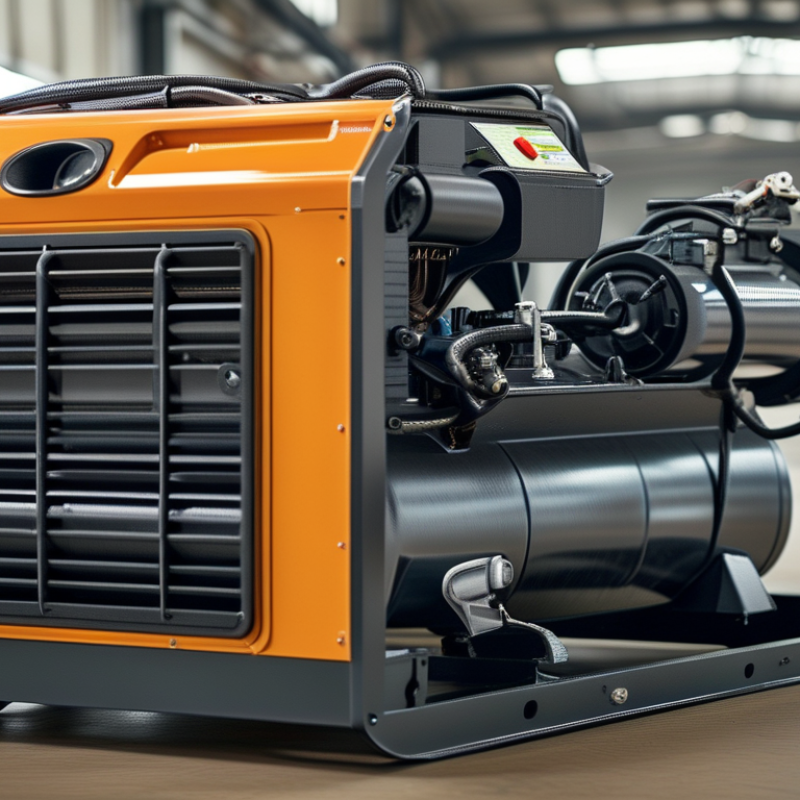
Screw air compressors are essential tools in various industries. They operate on a simple principle. Two helical rotors compress the air. This design creates a continuous flow, making it efficient. These compressors are known for their durability and low maintenance needs. They can handle high pressure and large volumes of air.
Understanding the basics of screw air compressors helps in selecting the right model. Factors such as airflow requirements, pressure levels, and energy efficiency play critical roles. Users often overlook the importance of noise levels. In some settings, excessive noise can be a distraction. Additionally, the installation space can limit options. Considering the size and layout of your work area is important.
A common mistake is focusing solely on price. While budget matters, it shouldn’t be the only concern. Quality and reliability should also factor into the decision. Seeking guidance from knowledgeable sources can enhance your understanding. Exploring various options allows for better comparisons. Remember that choosing the wrong compressor can lead to inefficiencies and continuous costs.
Assessing Your Compressed Air Requirements
Assessing your compressed air requirements is crucial for selecting the right screw air compressor. Start by calculating your air demand. According to industry surveys, 70% of manufacturing processes require compressed air for operation. It's essential to know the average cubic feet per minute (CFM) required by your equipment.
Consider the pressure range needed for your applications. Standard operating pressures often range from 90 to 150 psi. Incorrect pressure settings can lead to inefficient performance. A report from the Compressed Air and Gas Institute (CAGI) shows that underestimating pressure needs can waste up to 30% of energy.
Another factor involves assessing the duty cycle of your operations. Many businesses overlook this, leading to undersized compressors. If your applications run continuously, you might need a higher-capacity unit. It's not just about meeting current needs; think about future expansion. Data shows that 60% of plants struggle with air supply due to rapid growth or increased demand. Remember, investing time in this assessment phase could prevent costly downtime later on.
Evaluating Compressor Specifications and Performance
When selecting a screw air compressor, evaluating specifications is crucial. Look at the power rating, typically measured in horsepower (HP). A higher rating typically means more output. However, it’s important not to overlook energy consumption. A well-rated compressor may use more energy than necessary, increasing operational costs.
Another key aspect is the airflow delivery, measured in cubic feet per minute (CFM). This figure tells you how much air the compressor can provide at a given pressure. Insufficient airflow can hamper productivity. It’s better to have a slightly higher CFM than you think you need. Understand your equipment's needs before making a decision.
Finally, consider the noise level. Some compressors can be loud, which may not be suitable for all settings. Noise levels are often measured in decibels (dB). A quiet compressor is beneficial in sensitive environments. Balancing performance with comfort is essential. Reflect on your unique needs to make a better choice.
Considering Energy Efficiency and Operating Costs
When selecting a screw air compressor, energy efficiency and operating costs are crucial factors. A study by the Department of Energy found that compressed air systems can account for up to 30% of a facility's energy consumption. With rising energy costs, choosing an energy-efficient compressor can significantly reduce operational expenses over time.
Assessing the compressor's specific energy consumption (SEC) is vital. Aim for units with a lower SEC value, as this indicates better energy performance. Operating costs also encompass maintenance and installation expenses. A higher upfront investment in a more energy-efficient model can lead to considerable long-term savings.
Tips: Regular maintenance improves efficiency. Clean filters and check for leaks. These small actions can prevent significant energy loss.
Also, consider the compressor's duty cycle. Some applications require continuous operation, while others can operate intermittently. Depending on usage, the initial investment may vary drastically. Evaluate your operational needs carefully to choose the best fit.
Selecting the Right Size and Capacity for Your Application
Choosing the right size and capacity for your screw air compressor is crucial. It impacts your project's efficiency and costs.
Begin by assessing your air requirements. Calculate the volume of air needed for your tools and machines. This will help you avoid
under-sizing or over-sizing, which can lead to performance issues.
When determining size, consider the peak demand of your application. Peak demand refers to the maximum air flow needed at any
given time. A compressor that’s too small won't meet these demands, leading to interruptions. Conversely, a larger compressor may
waste energy and incur higher operating costs.
Tips: Keep an eye on duty cycles. Continuous operation requires different capacity than intermittent use. Think about future
expansion too. Will your air requirements grow? Plan accordingly.
Another point to reflect on is the environment. High temperatures or humidity can affect performance. An outdoor unit may need
additional protections. Always think long-term to ensure reliability and efficiency.