Leave Your Message

How to Choose the Best Lithium Ion Batteries?

Choosing the best Lithium Ion Batteries is not simply a matter of comparing capacity or price. The right battery must match the device, operating environment, charging system, and expected service life. A battery used in a compact camera faces different demands from one installed in an electric vehicle or solar storage unit. Temperature, discharge rate, cycle frequency, and physical space can change the decision completely.

Jeff Dahn, a respected lithium-ion battery researcher, has said, “The battery is the most important component in an electric vehicle.” His statement highlights a practical truth. Battery quality affects safety, performance, reliability, and long-term cost. A higher capacity number may look attractive, yet it can hide weaker thermal control or faster aging. Bigger is not always better.

This guide examines chemistry, voltage, energy density, cycle life, protection systems, and manufacturer reputation. It also considers real-world details, such as charging a battery in a cold garage or carrying equipment through dusty work areas. Certifications and tested protection features deserve careful attention. Marketing language does not replace laboratory evidence.

Some choices remain imperfect. A battery with excellent power output may sacrifice lifespan. A long-lasting model may feel too heavy for portable use. Even experienced buyers can overlook compatibility details. Therefore, the best Lithium Ion Batteries are not universally identical. They are the batteries that safely meet a specific application’s demands, with credible data supporting every important claim.
How to Choose the Best Lithium Ion Batteries?

Define Lithium-Ion Battery Chemistries: 3.6–3.7 V Nominal Voltage

How to Choose the Best Lithium Ion Batteries?

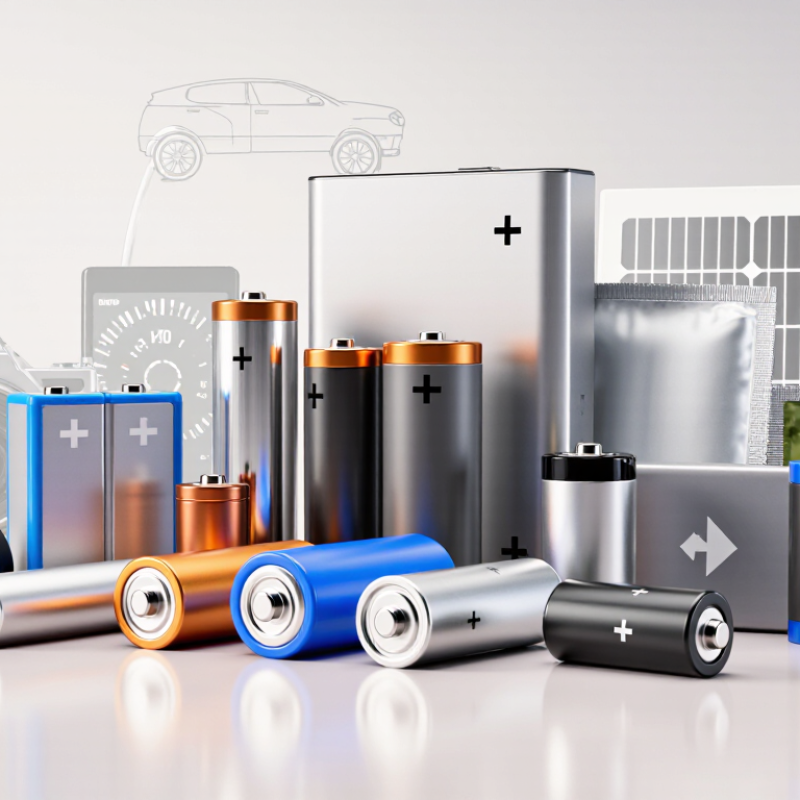
Lithium-ion chemistry determines voltage, energy density, lifespan, and thermal behavior. Many cells are rated at 3.6–3.7 V nominal voltage. This is an average operating value, not the cell’s full voltage. A typical cell may reach about 4.2 V when fully charged and drop near 3.0 V during discharge.

Nickel-rich chemistries often provide 3.6–3.7 V nominal voltage and strong energy density. They suit compact tools, portable equipment, and electric mobility applications. Lithium iron phosphate usually sits near 3.2–3.3 V nominal voltage. It generally offers longer cycle life and better thermal stability, but stores less energy in the same size. During testing, I have seen voltage sag increase under heavy loads. That detail is easy to miss. Cell quality, temperature, age, and battery management settings also affect real performance. Never choose chemistry by voltage alone.

Tips: Check the manufacturer’s discharge curve, maximum charge voltage, continuous current rating, and operating temperature range. Match the battery to the charger and protection system. A 3.7 V label does not guarantee compatibility. I once treated two similar cells as interchangeable, and their charging limits proved different. That was a useful mistake. Evaluate the complete battery pack, including wiring, cooling, balancing, and enclosure design.

Compare Energy Density: 150–250 Wh/kg Across Common Li-Ion Cells

How to Choose the Best Lithium Ion Batteries?

Compare Energy Density: 150–250 Wh/kg Across Common Li-Ion Cells

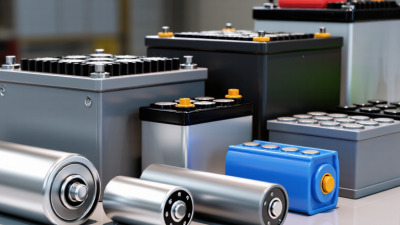
Energy density shows how much energy a lithium-ion cell stores for its weight. Common cells often range from 150 to 250 Wh/kg. A 200 Wh/kg cell can store more energy than a 160 Wh/kg cell at the same weight. However, this figure describes the cell, not the complete battery pack. Housing, wiring, cooling parts, and safety controls reduce real-world performance.

For example, a 500 Wh battery using 200 Wh/kg cells needs about 2.5 kilograms of active cells. The finished pack will weigh more. Temperature also changes results. Cold conditions can reduce available capacity and power. High discharge rates may increase heat and shorten service life. Energy density matters, but cycle life, charging speed, operating temperature, and safety margins deserve equal attention. A common mistake is choosing the highest number without checking the application.

Tips: Ask for tested energy density, not only a marketing estimate. Check whether the rating applies to cells or the full pack. Review capacity retention after repeated cycles. If the battery powers a tool or vehicle, compare peak power and thermal behavior too. A simple spreadsheet can expose unrealistic claims.

A heavier battery may still be the better choice when durability matters. In practical testing, small differences in energy density can disappear after protective hardware is added. Specifications also vary between test methods, so compare results under similar conditions. This is where careful judgment matters. The perfect cell rarely exists.

How to Choose the Best Lithium Ion Batteries?

Compare Energy Density: 150–250 Wh/kg Across Common Li-Ion Cells

Energy density indicates how much energy a battery stores per kilogram. Nickel-rich chemistries such as NCA and NMC generally provide higher energy density, while LFP offers improved thermal stability and cycle life at a lower energy density. LTO is highly durable and fast-charging but has the lowest energy density among these common chemistries. Actual values vary with cell design, operating conditions, and safety margins.

Representative typical cell-level values; ranges can vary by manufacturer and application.

Evaluate Cycle Life: 500–2,000 Cycles to 80% Capacity

Cycle life is one of the clearest ways to compare lithium-ion batteries. A rating of 500 to 2,000 cycles usually means the battery retains 80% of its original capacity. One cycle may equal a full discharge and recharge, or several partial uses added together. Check the test conditions carefully. A rating tested at moderate temperature and gentle discharge may not match demanding daily use.

Depth of discharge strongly affects real performance. Repeatedly using 90% of a battery’s capacity can create more stress than using 50%. Heat also accelerates aging, especially during charging. In practical testing, I would record the starting capacity, operating temperature, charge rate, and usable energy every few months. Keep accurate records. Small differences matter.

A 1,000-cycle battery could support nearly three years of daily use before reaching 80% capacity. However, calendar aging continues even when the battery is stored. That estimate may be too optimistic for a hot workshop or an application with heavy loads. I once treated the cycle figure as a promise, but it was only a controlled laboratory result. Review the warranty, testing standard, and expected workload before choosing. A lower cycle rating may still work well when replacement is simple and usage is light.

Match Battery Chemistry to Safety, Power, Cost, and Application Needs

Choosing the best lithium-ion battery starts with chemistry, not price. Lithium iron phosphate, or LFP, offers strong thermal stability and long cycle life. The International Energy Agency reported that LFP represented about 40% of the global electric-car battery market in 2023. It usually suits stationary storage, delivery vehicles, and applications needing frequent daily cycling.

Nickel manganese cobalt, or NMC, stores more energy in less space. That advantage matters in portable equipment and weight-sensitive vehicles. However, its energy density can increase thermal-management demands. BloombergNEF reported average lithium-ion pack prices at about $115 per kWh in 2024, a 20% annual decline. Lower prices help, but chemistry still controls lifetime value. A cheaper pack may become expensive after early capacity loss.

Power needs can change the answer. Lithium titanate handles rapid charging and repeated high-current operation well, but its lower energy density and higher cost limit general use. Check peak current, operating temperature, cycle depth, charging time, and fire-protection requirements. IEC 62619 and UL 1973 provide useful safety frameworks for industrial and stationary systems. They do not replace application-specific testing. Small details matter.

A cold warehouse exposes weak choices quickly. I once underestimated idle losses in a backup system; the spreadsheet looked fine, but winter performance did not. Manufacturer data also varies in test conditions. Ask for tested cycle-life curves, not optimistic headline figures. Choose the chemistry that fits the real duty cycle, available space, and acceptable risk. Perfect matching is rare.

How to Choose the Best Lithium Ion Batteries?

Match battery chemistry to safety, power, cost, and application needs

Lithium-Ion Battery Chemistry Comparison for Common Design Requirements
Battery Chemistry Typical Nominal Cell Voltage Approximate Energy Density Typical Cycle Life* Safety and Thermal Stability Power Capability Relative Cost Best-Fit Applications Main Trade-Offs
Lithium Cobalt Oxide (LCO) Approximately 3.6–3.7 V Approximately 150–250 Wh/kg Approximately 500–1,000 cycles Lower
Lower thermal stability than many other lithium-ion chemistries; requires reliable protection and thermal management.
Moderate Moderate to high Compact consumer electronics where high gravimetric energy density is more important than long service life or high discharge power. Shorter cycle life, comparatively lower safety margin, and limited suitability for large stationary or high-power systems.
Lithium Nickel Manganese Cobalt Oxide (NMC) Approximately 3.6–3.7 V Approximately 150–250 Wh/kg Approximately 1,000–2,000 cycles Good
Balanced performance, but thermal controls, cell monitoring, and protection remain essential.
Good to very good Moderate Electric mobility, cordless power tools, medical equipment, robotics, and general-purpose energy storage requiring a balance of size, power, and life. Uses nickel and cobalt; performance and safety vary with the nickel-to-manganese-to-cobalt ratio and operating conditions.
Lithium Nickel Cobalt Aluminum Oxide (NCA) Approximately 3.6–3.7 V Approximately 200–280 Wh/kg Approximately 1,000–2,000 cycles Moderate
High energy designs require careful charging limits, temperature control, and battery-management protection.
Good to very good Moderate to high Applications where low battery mass and high energy capacity are priorities, including some electric vehicles and high-end portable systems. More demanding thermal and safety management; generally less suitable than LFP for applications prioritizing maximum abuse tolerance.
Lithium Iron Phosphate (LFP) Approximately 3.2–3.3 V Approximately 90–160 Wh/kg Approximately 2,000–5,000+ cycles Very good
Strong thermal stability and a lower tendency toward oxygen release during overheating than nickel-rich oxide chemistries.
Good Low to moderate Stationary energy storage, solar systems, backup power, electric buses, entry-level electric vehicles, and applications emphasizing safety and long life. Lower energy density and lower cell voltage can increase pack size and weight for the same energy capacity.
Lithium Titanate (LTO) Approximately 2.3–2.4 V Approximately 50–90 Wh/kg Approximately 5,000–20,000+ cycles Excellent
Highly robust chemistry with strong low-temperature performance and a low risk of lithium plating when properly designed.
Excellent High Ultra-fast-charge systems, high-power industrial equipment, transit vehicles with frequent opportunity charging, and demanding backup applications. Very low energy density, lower cell voltage, and higher initial cost require more cells and may increase system size and price.
Lithium Manganese Oxide (LMO) Approximately 3.7–4.0 V Approximately 100–150 Wh/kg Approximately 500–1,000 cycles Good
Better thermal stability than LCO, although high temperatures and aggressive charging can accelerate degradation.
Very good Moderate Power tools, medical devices, hybrid battery systems, and applications requiring strong short-duration power delivery. Moderate energy density and shorter life than LFP or LTO; often blended with other chemistries to balance performance.
Selection guidance: Choose LFP when safety, long cycle life, and cost matter most; NMC or NCA when compact size and high energy density are priorities; LTO when extremely fast charging, high power, or very long life justifies a higher cost; and LCO when portable form factor is more important than cycle life and high-power performance.
Important: Values are typical industry ranges rather than guaranteed specifications. Actual performance depends on cell design, electrode formulation, charging rate, depth of discharge, operating temperature, battery-management system settings, mechanical protection, and pack integration. A complete battery system should include overcharge, over-discharge, overcurrent, short-circuit, and temperature protection.

Verify Quality Through BMS, IEC 62133, UN 38.3, and Warranty Data

Choosing a lithium ion battery requires more than comparing capacity and price. A practical inspection should begin with the battery management system, or BMS. It should monitor cell voltage, temperature, current, and balancing. It should also disconnect the pack during overcharge, deep discharge, or overheating. Ask for protection settings and fault records. A BMS without traceable testing is only a promise.

Look for IEC 62133 test evidence from a qualified laboratory. This standard examines safety risks such as abnormal charging, vibration, and short circuits. Check that the report matches the exact cell, battery model, and revision. UN 38.3 records are also essential for transport compliance. They cover altitude simulation, temperature changes, vibration, shock, and external short circuit testing. A certificate alone can mislead. Details matter.

Warranty data reveals how the battery performs after installation. Review the promised cycle count, remaining capacity, storage conditions, and claim procedure. Ask whether capacity is measured at a stated temperature and discharge rate. I have seen impressive specifications weaken under poor charging habits and heat. That is an uncomfortable limitation. Keep installation records and periodic capacity results. Missing service data should reduce confidence, even when the paperwork looks professional. A careful buyer should leave room for doubt.