Top Flexible Solar Panels for Efficient Renewable Energy Solutions?
As the demand for renewable energy grows, Flexible Solar Panels emerge as a key solution. Dr. Emily Carter, a leading expert in solar technology, noted, "Flexible Solar Panels can adapt to various surfaces, making them incredibly versatile." This adaptability is crucial for maximizing energy efficiency.
Flexible Solar Panels are lightweight and easy to install. They can conform to irregular surfaces, providing energy solutions in places where traditional panels cannot. The potential applications range from rooftop installations to portable devices. This innovation breathes new life into renewable energy options for consumers and businesses alike.
However, challenges remain. The efficiency of Flexible Solar Panels often lags behind traditional models. Additionally, durability under harsh weather conditions raises concerns. These factors require further research and development. The journey toward optimizing Flexible Solar Panels continues, underscoring the importance of ongoing innovation in renewable energy solutions.
Understanding Flexible Solar Panels and Their Advantages
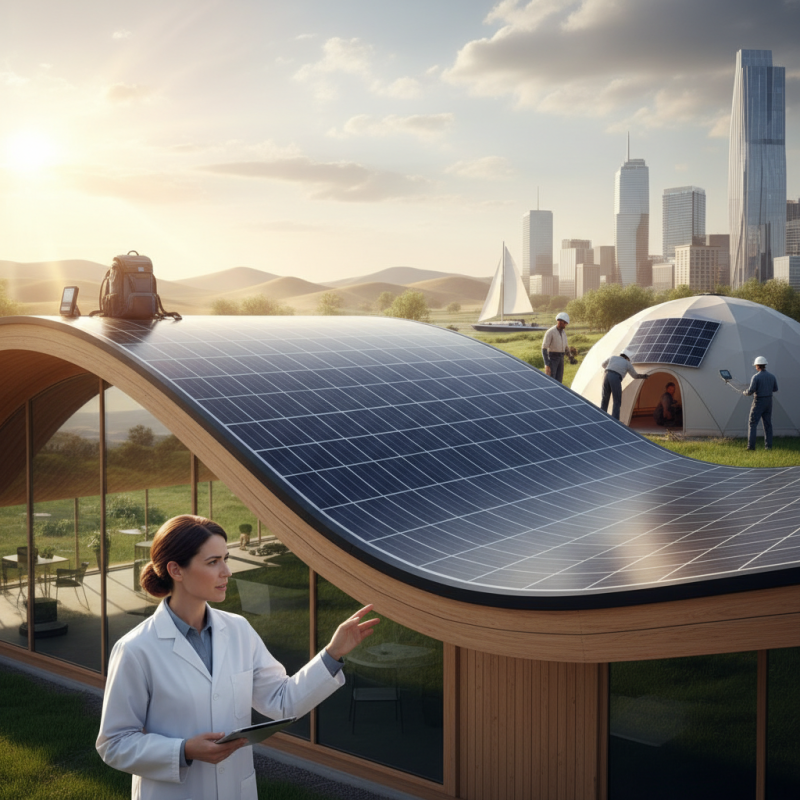
Flexible solar panels have emerged as a game-changer in renewable energy solutions. Their lightweight and adaptable design allows them to be used in various settings. Unlike traditional solar panels, flexible variants can be installed on curved surfaces. This opens up new possibilities for solar integration in architecture and vehicles.
The advantages of flexible solar panels are notable. They can capture sunlight efficiently, even in low-light conditions. Their durability is another significant benefit. Many are resistant to extreme weather and physical stress. However, their energy conversion rates may not match rigid panels. This raises questions about their overall efficiency.
Users should consider both the benefits and drawbacks. The initial cost can be higher, and installation may require specific expertise. While flexible panels offer versatility, it is crucial to assess operational performance over time. Understanding these nuances is vital for making informed decisions about renewable energy solutions.
Top Flexible Solar Panels for Efficient Renewable Energy Solutions
| Model |
Efficiency (%) |
Weight (kg) |
Power Output (W) |
Flexibility |
| Model A |
22.5 |
1.2 |
100 |
Highly Flexible |
| Model B |
19.0 |
0.9 |
80 |
Moderate Flexibility |
| Model C |
21.0 |
1.1 |
90 |
High Flexibility |
| Model D |
20.0 |
1.0 |
85 |
Moderate Flexibility |
| Model E |
23.0 |
1.3 |
110 |
Highly Flexible |
Key Features to Look for in Flexible Solar Panels
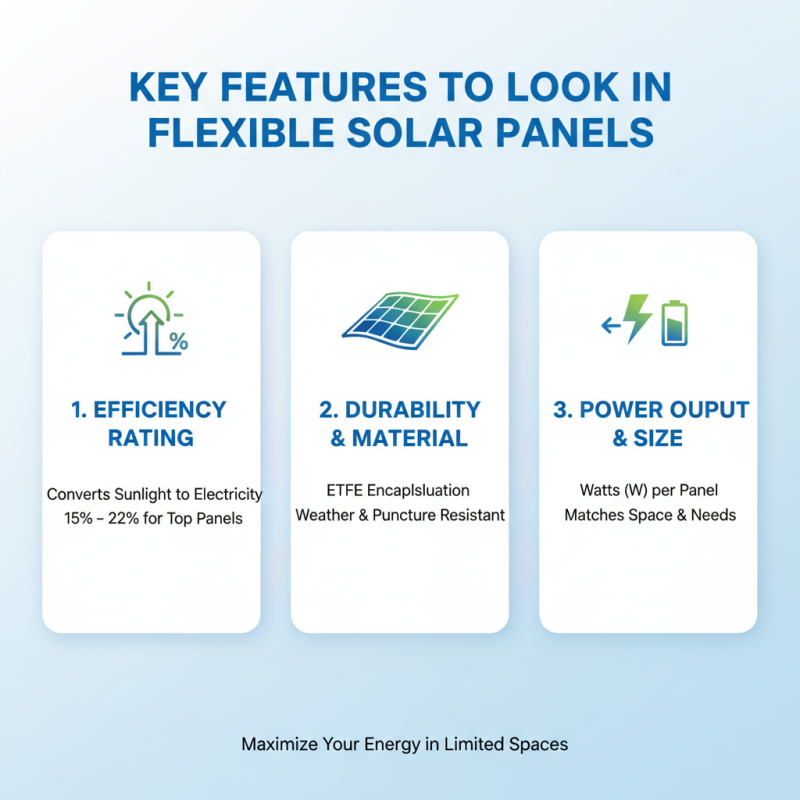
When choosing flexible solar panels, several key features significantly impact performance and durability. First, consider the efficiency rating. Research indicates that top flexible panels offer efficiency levels between 15% and 22%. This rating indicates how well a panel converts sunlight into electricity, essential for maximizing energy output in limited spaces.
Durability is another critical aspect. Many panels are designed to withstand extreme weather conditions. According to a report by the National Renewable Energy Laboratory, high-quality panels can endure temperatures ranging from -40°F to 185°F. This reliability is crucial for outdoor installations and increases the panel's lifespan.
Moreover, weight and flexibility play a vital role in application versatility. Lightweight models facilitate easier transportation and installation. For instance, some advanced flexible panels weigh as little as 3 kg per square meter. This feature allows for mounting on various surfaces, including vehicles and rooftops, expanding renewable energy solutions. However, users must assess trade-offs, such as lower power output compared to rigid alternatives in some cases.
Top Brands and Models of Flexible Solar Panels Available Today
Flexible solar panels have become a popular choice for renewable energy solutions. These panels are lightweight and adaptable, making them suitable for a variety of applications. Ranging from RVs to rooftops, flexible solar panels are changing the way we harness solar energy. Many brands offer innovative models that cater to different energy needs and preferences.
When choosing a flexible solar panel, consider the power output and efficiency rating. Higher efficiency means more energy conversion, allowing you to maximize your solar investment. Some models feature durable materials that withstand harsh weather conditions. It’s essential, however, to review user feedback and expert opinions to avoid common pitfalls like poor warranty coverage or inadequate customer service.
Tips: Always measure your installation area before purchasing. This ensures you select a panel that fits your specific space constraints. Check installation requirements as well. Some panels may require professional installation, impacting your overall project costs. Flexibility in design can lead to challenges, so be prepared for some trial and error.
Applications of Flexible Solar Panels in Various Sectors
Flexible solar panels have found diverse applications across various sectors. They are lightweight and adaptable, making them ideal for unique installations. In urban environments, these panels can be integrated into building facades. This aesthetic integration allows for energy generation without sacrificing design. They can also be applied on rooftops where traditional panels may not fit well due to space constraints.
In the automotive sector, flexible solar panels are gaining traction. They can be installed on vehicle roofs, providing extra energy for accessories. This technology enhances the efficiency of electric vehicles by extending their range. Additionally, outdoor enthusiasts benefit from lightweight, portable solar panels. These panels are perfect for camping or hiking, providing power for devices in remote locations.
Despite their advantages, some challenges remain. The efficiency of flexible panels often lags behind traditional options. Durability is another concern; they may not withstand harsh conditions as well. These factors require ongoing research and development. Adopting flexible solar technology is a step forward, but it is essential to address these limitations. User experiences can also differ, highlighting the need for thorough evaluation.
Flexible Solar Panels: Applications and Efficiency
Future Trends in Flexible Solar Panel Technology and Sustainability
The landscape of flexible solar panel technology is evolving rapidly. Reports indicate that the global flexible solar panel market is expected to grow significantly. Research by MarketsandMarkets shows a projected increase to over $2.5 billion by 2025. This growth is largely driven by the demand for lightweight and portable renewable energy solutions.
Sustainability is at the forefront of this innovation. Flexible solar panels utilize materials like organic photovoltaics and thin-film technologies. These materials allow for greater adaptability in various applications, from mobile charging devices to building-integrated photovoltaics. According to the International Energy Agency, integrating solar energy can reduce carbon emissions by up to 70% in certain sectors. However, the production processes of these panels still face environmental scrutiny. Energy consumption during manufacturing is one area that requires improvement.
As we look ahead, research indicates potential advancements in efficiency. Emerging technologies may enhance power conversion rates while reducing costs. Nevertheless, the balance between performance and sustainability remains a challenge. Continuous investment in R&D is crucial. Only then can we fully leverage the benefits of flexible solar panels while mitigating their environmental impact. Addressing these issues will be vital as the industry moves forward.