Best Portable Generators for Every Need in 2026?
In 2026, Portable Generators have become essential for various needs. The demand for these versatile power sources is on the rise, largely driven by a growing interest in outdoor activities and the need for emergency backup power. According to industry reports, the portable generator market is projected to reach $4.5 billion by 2026, reflecting a compound annual growth rate of 6.8%.
As more consumers recognize the importance of preparedness, the variety of available options expands. Whether for camping trips, construction sites, or home backup during outages, Portable Generators provide convenience and reliability. Notably, advancements in fuel efficiency and noise reduction are shaping consumer preferences. However, users must consider specific requirements. Not all generators are equipped to handle heavy loads, which can lead to frustration.
While many brands promote their products, not all deliver consistent performance. Discrepancies in quality can leave users seeking repairs or replacements sooner than expected. Thus, understanding the nuances of different models is vital. Assessing power output, portability, and runtime can guide informed decisions for buyers. In a crowded marketplace, being aware of individual needs is essential for selecting the right Portable Generator.
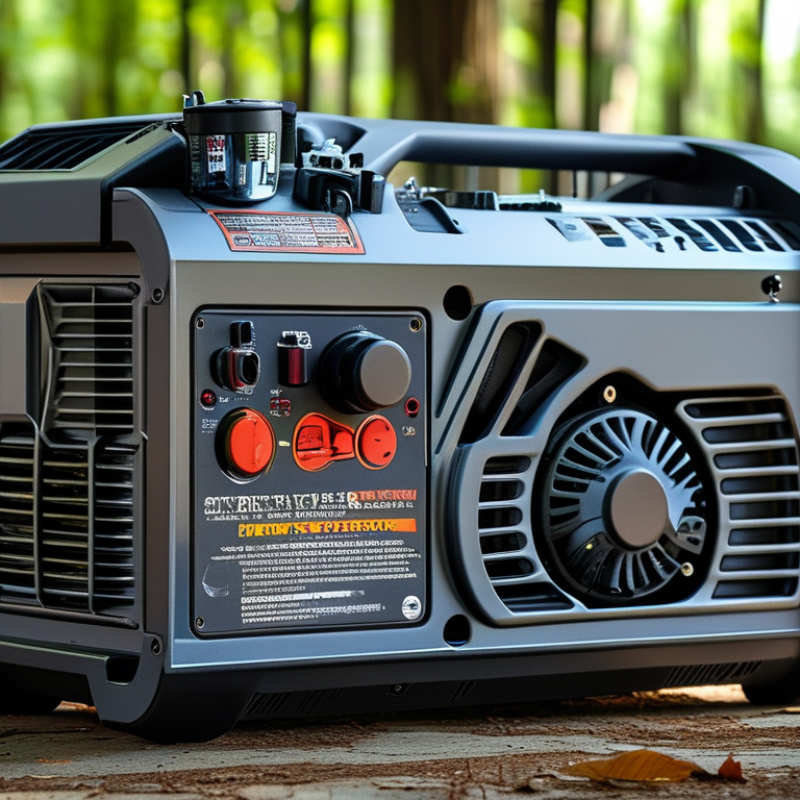
Top Features to Consider When Choosing a Portable Generator
When selecting a portable generator, understanding key features is essential. The generator's runtime is crucial. Most units offer runtimes between 6 to 12 hours on half load. Generators with higher fuel tanks tend to provide longer operation, ideal for camping or emergency power. Noise levels also vary significantly, with some models exceeding 70 decibels. A quieter unit, ideally under 60 decibels, can greatly enhance comfort during use.
Power output is another vital aspect. Look for generators that provide enough wattage for your needs. The National Electrical Manufacturers Association recommends assessing both starting and running wattage for appliances. A typical refrigerator may require around 600 to 800 watts to start. By knowing these figures, you ensure the generator can handle your load.
Portability is often overlooked. Weighing between 20 and 200 pounds, lighter models are easier to transport but may have limitations in power. Wheels can aid mobility but add extra weight. Some users find it difficult to balance weight and power needs, requiring thoughtful consideration. Don't overlook warranty and customer service as well. A strong support system indicates manufacturer reliability.
Different Types of Portable Generators for Varied Applications
When choosing a portable generator, understanding the different types is crucial. There are inverter generators, ideal for sensitive electronics, and conventional generators, which provide high power output. According to a 2023 industry report, inverter generators are growing in popularity, with a market share increase of 25%. Their quiet operation and fuel efficiency make them suitable for camping or emergency power.
When selecting a generator, assess your power needs. For short outdoor trips, a 2000-watt inverter may be sufficient. In contrast, larger appliances during a power outage might necessitate a 5000-watt conventional model. Bear in mind, not all generators are built with the same durability. Some may struggle during extreme weather.
Tips for usage: always read the manual before operating. This ensures safety and efficiency. Conduct regular maintenance checks. Small issues can escalate if ignored. Lastly, consider your fuel source. Gasoline may be convenient, but propane generators offer longer shelf life and lower emissions.
Best Portable Generators for Every Need in 2026
Best Portable Generators for Recreational Use: Camping and Tailgating
Camping and tailgating are all about enjoying the great outdoors with friends and family. A
portable generator can enhance these experiences significantly.
It provides power for lights, cooking appliances, and even small electronic devices. Imagine setting up your campsite with warm meals and cozy lights, creating a homey feeling under the stars.
When selecting a generator, consider its weight and fuel efficiency. Lightweight models are easier to transport, especially if hiking to remote spots. Fuel efficiency ensures you won’t run out of power halfway through your adventure. Some generators even feature quiet operation, allowing for peaceful nights without disturbing fellow campers. However, it’s vital to assess the generator’s runtime and power output.
While many options abound, finding the right fit takes time. The market has a wide range of models, but not all are suitable for every situation. Personal preferences play a significant role. Research can help you understand your needs better. Make a list of your power requirements for each trip. Reflecting on past experiences can guide your choice effectively.
Heavy-Duty Portable Generators for Home Backup Power Solutions
When considering heavy-duty portable generators for home backup power, understanding your needs is essential. These generators can vary significantly in power output and features. Many homeowners fear power outages, especially during storms or emergencies. A reliable generator can provide peace of mind, ensuring essential appliances remain operational.
Choosing the right generator involves assessing wattage requirements. For instance, a generator should handle your refrigerator, lights, and heating units simultaneously. Considering fuel type is also crucial; gasoline models may offer convenience, while diesel options provide longevity. Don't forget about noise levels, particularly if you live in a close-knit community. Some models operate quietly, but others can be quite loud. Ergonomics matter too; ease of transport is key in an emergency.
However, not all generators are perfect. Some may require frequent maintenance, while others lack enough power for larger homes. Understanding these nuances is vital. Fuel consumption should also be monitored, as it can lead to unexpectedly high costs. Reflecting on what works for your home can help narrow down your choices. Adjusting expectations based on power needs will lead to a more informed decision.
Budget-Friendly Portable Generators: Affordable Options for Everyone
Finding a budget-friendly portable generator does not mean sacrificing quality. Many affordable options cater to various needs, with some models offering impressive performance. According to the Portable Generator Manufacturers’ Association, the market for portable generators is expected to grow steadily. This increase is fueled mainly by rising outdoor activities and emergency preparedness concerns among consumers.
When choosing a generator, it's essential to consider power output. Many budget models produce between 1,000 to 2,500 watts, suitable for basic appliances and tools. Look for features such as fuel efficiency and lightweight design, which enhance portability. A recent survey found that nearly 40% of users prefer generators that can run on multiple fuel types. This flexibility is vital for those in remote areas or during power outages.
Affordable generators often come with trade-offs. Users report variations in durability and noise levels. Some models can be quite loud, making them less ideal for camping trips or quiet neighborhoods. It’s beneficial to read reviews and seek real user experiences. This evidence-based approach helps buyers make informed decisions. Balancing cost and performance is crucial when selecting a reliable generator for your needs.
Best Portable Generators for Every Need in 2026? - Budget-Friendly Portable Generators: Affordable Options for Everyone
| Model |
Power Output (Watts) |
Fuel Type |
Runtime (Hours) |
Price (USD) |
| Generator A |
2000 |
Gasoline |
8 |
$299 |
| Generator B |
3000 |
Propane |
12 |
$399 |
| Generator C |
2500 |
Gasoline |
10 |
$349 |
| Generator D |
3500 |
Dual Fuel |
14 |
$499 |
| Generator E |
1500 |
Gasoline |
6 |
$199 |