Why Choose Portable Generators for Reliable Power?
Reliable electricity matters most when the grid fails without warning. A dark kitchen, silent refrigerator, and dead phone quickly turn inconvenience into risk. Portable Generators offer practical backup power for homes, workshops, campsites, and small businesses. They can keep a refrigerator cold, charge communication devices, and support essential medical equipment when properly connected.
The details matter.
Paul Hope, a home and appliance editor at Consumer Reports, advises, “A portable generator belongs outdoors, never in a home or garage.” That guidance reflects a serious danger: carbon monoxide can build up silently in enclosed or partially enclosed spaces. A generator should sit outdoors, away from doors and windows, with its exhaust directed away from the building. A carbon monoxide alarm adds another layer of protection, although it cannot replace safe placement.
Choosing the right model requires more than comparing wattage and price. Buyers should estimate starting and running loads, check fuel storage requirements, and consider noise near bedrooms or neighbors. Inverter models often provide cleaner power for sensitive electronics, while conventional units may deliver more power at a lower initial cost. No option is perfect. A larger generator can waste fuel, while an undersized model may overload during startup.
That uncertainty deserves attention. Reliable backup power depends on maintenance, correct connections, ventilation, and realistic expectations. Used responsibly, Portable Generators can provide calm during storms, outages, and remote work. They are not a substitute for preparation, but they can make an unpleasant interruption far more manageable.
What Portable Generators Are and How They Work
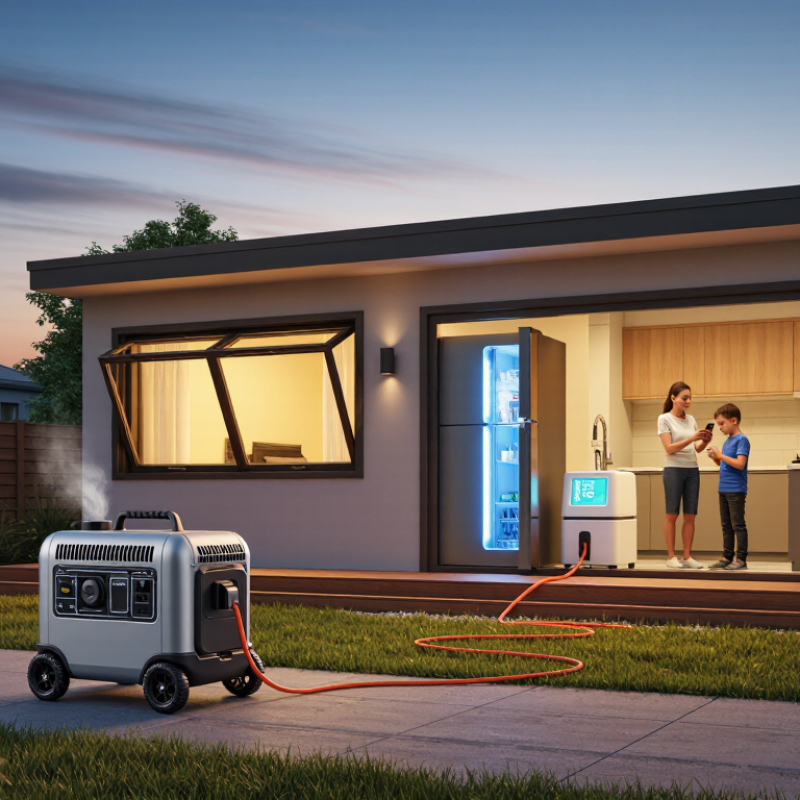
Portable generators offer dependable electricity when storms, remote work, or unexpected outages interrupt the main supply. They are compact machines that convert fuel into usable electrical power. Unlike fixed standby systems, they can be moved between a home, workshop, or campsite.
Here is how they work. An internal combustion engine burns approved fuel and turns a small alternator. The alternator produces electrical current, which travels through outlets or a connected distribution system. Conventional models may create fluctuating power, while inverter generators first produce direct current and then convert it into steadier alternating current. That cleaner output can better protect sensitive electronics.
During practical use, placement matters as much as capacity. I keep the unit outdoors, far from doors and windows, because carbon monoxide can build up silently. The exhaust should point away from occupied areas. It also needs a level, dry surface, enough ventilation, and regular oil checks. Never connect it directly to household wiring without a properly installed transfer switch and qualified electrical work.
Fuel planning is easy to underestimate. A generator rated for high output may consume fuel quickly under heavy loads. Starting a refrigerator, pump, and heater together can also exceed its continuous rating. I have found that a simple load list prevents many avoidable problems, though it is not foolproof. Noise, maintenance, and refueling remain real inconveniences. Still, a correctly sized portable generator can provide practical power without permanent installation.
How to Choose the Right Portable Generator
Choosing the Right Portable Generator
Selecting a portable generator starts with your actual power needs, not the largest number on a product label. List essential devices, such as a refrigerator, medical equipment, lights, and a phone charger. Check each appliance’s running watts and starting watts. Motors often need extra power for a few seconds. Add those demands together, then choose a generator with a reasonable reserve.
My early mistake was counting only running watts. The refrigerator started, stalled, and caused the lights to flicker. That small surprise changed how I plan backup power. A model with around 20 percent spare capacity usually offers more dependable operation. However, extra capacity can increase fuel use, weight, and noise. Consider the balance carefully.
Fuel type also matters. Gasoline is widely available, but it should never be stored carelessly. Dual-fuel units may provide flexibility during longer outages. Check the expected runtime at half load, not just the maximum figure. Look for overload protection, a low-oil shutdown, covered outlets, and a clear control panel. In real use, simple controls matter when the room is dark.
Keep the generator outdoors, far from windows and doors. Carbon monoxide can build up quickly, even when no smell is present. Never connect it directly to household wiring without a properly installed transfer switch. A qualified electrician should handle that work. Before an emergency, test the generator under load, inspect the cables, and record its maintenance dates. I still forget one detail sometimes: fuel ages faster than expected. Freshness deserves a calendar reminder.
Fuel Types, Runtime, and Power Output Considerations
Portable generators become useful when fuel, runtime, and output match the actual load. Fuel choice affects storage and endurance. The U.S. Energy Information Administration’s Monthly Energy Review lists gasoline at about 120,000 Btu per gallon. Propane contains roughly 91,500 Btu per gallon in the same data series. Propane stores longer, but its lower energy content can reduce runtime at comparable loads. Dual-fuel flexibility helps during outages, although the conversion rarely feels free. Cold weather can also reduce propane vaporization.
Runtime claims need careful reading.
Test figures often assume a quarter-load, not a refrigerator, pump, and heater starting together. A 3,000-watt generator may provide 3,000 running watts but require greater surge capacity. The U.S. Department of Energy recommends accounting for both starting and operating watts. Add appliance nameplate values, then keep a 20 percent reserve. That margin matters when motors cycle unexpectedly. A practical test is simple: run the intended load for one hour, record fuel use, and multiply cautiously. I would treat that result as an estimate, not a promise.
Power quality matters as well.
Sensitive electronics need stable voltage and frequency, while resistive loads usually tolerate more variation. EIA reports average U.S. residential electricity use near 886 kWh monthly, but a portable unit serves only selected circuits. Transfer equipment should be installed by a qualified professional under local requirements. Wattage alone is not enough. Fuel access, ventilation, noise, and overlooked maintenance can change the result.
Safe Operation, Maintenance, and Storage Practices
Portable Generators for Reliable Power
Reliable power depends on safe habits, not just engine size. Place a portable generator outdoors, far from doors, windows, and vents. Carbon monoxide can collect indoors without warning. Keep the exhaust pointed away from people and buildings. Use a dry, level surface, and protect the unit from rain. Keep it dry. Never touch plugs with wet hands. A weather shelter can help, but it must allow full airflow.
Before starting, inspect the fuel line, oil level, cables, and outlet covers. Connect appliances only after the generator runs steadily. Avoid overloading it; add the wattage of each device. Heavy extension cords should suit the load and remain fully uncoiled. A transfer connection belongs to a qualified electrician. Improvised connections can send electricity into utility lines. That mistake may injure workers and damage equipment.
Maintenance is easier when recorded. Run the generator periodically under a moderate load, following its manual. Replace oil, filters, and spark components at the stated intervals. Let the engine cool before refueling. Store fuel only in approved containers, away from heat and living areas. Before long-term storage, clean spilled fuel and protect the unit from dust. Human memory fails. A written checklist prevents small oversights, although it may not capture every unusual problem.
Why Choose Portable Generators for Reliable Power?
Safe operation, regular maintenance, and correct storage help preserve generator performance and reduce unexpected power interruptions.
The chart shows common maintenance intervals used in portable-generator operating guidance. Check the oil before every use, change the oil after the initial break-in period and at regular operating-hour intervals, inspect the air filter frequently, and inspect the spark plug periodically. Always follow the specific generator manual, use the generator outdoors, keep it away from doors and windows, allow it to cool before refueling, and stabilize or drain fuel before extended storage.