What is an Air Compressor and How Does It Work?
An air compressor is a vital tool found in many industries and homes. It converts power into potential energy, stored as compressed air. This compressed air can drive various machinery and tools, making tasks easier and more efficient. Understanding how an air compressor works can help users maximize its potential.
Air compressors come in different types, each suited for specific applications. For instance, some are portable, while others are stationary. The mechanism typically involves drawing in air, compressing it, and storing it in a tank. A well-maintained air compressor can greatly enhance productivity. However, if not maintained properly, it can lead to inefficiency and breakdowns.
In our daily lives, we often overlook the importance of these machines. From powering pneumatic tools to inflating tires, the air compressor's role is significant. Yet, many users lack basic knowledge about its operation and maintenance. This ignorance can lead to unnecessary costs and frustrations. Understanding an air compressor’s function is indispensable for anyone looking to utilize this powerful device effectively.
What is an Air Compressor?
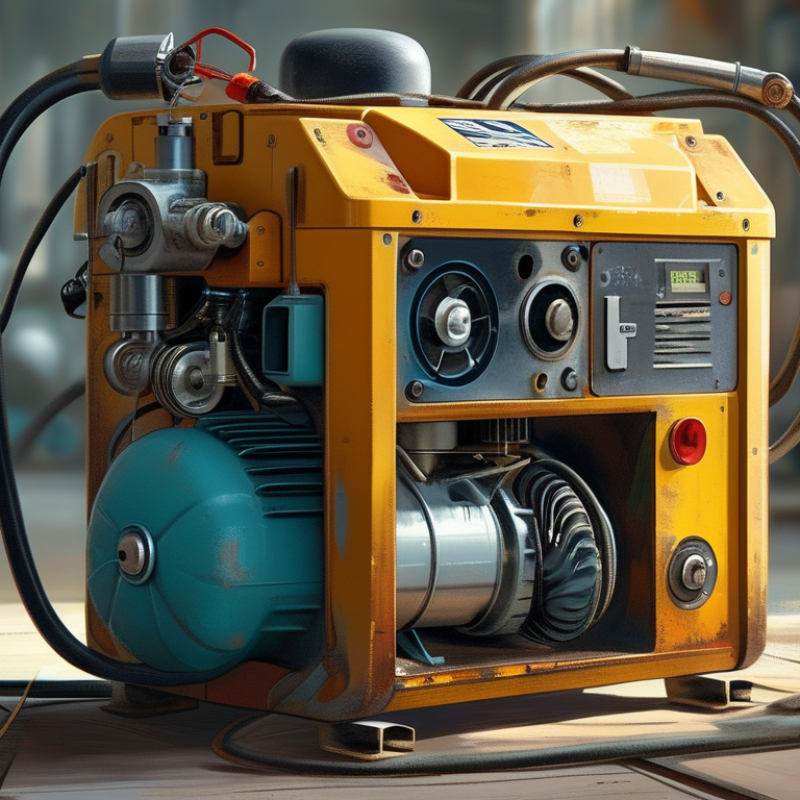
An air compressor is a powerful and versatile tool found in many industries. It converts power into potential energy stored in pressurized air. This energy can be utilized in various applications. From inflating tires to powering pneumatic tools, the uses are vast. Many people may not recognize its importance, yet it plays a crucial role in day-to-day operations.
The operation of an air compressor is relatively straightforward. It draws in ambient air and compresses it within a chamber. As the air is compressed, its pressure increases, and it is stored in a tank. The compressed air can then be released to power various equipment. However, not all compressors are created equal. Some may not provide consistent pressure, leading to inefficiencies. Users must consider their specific needs when selecting a type.
It's essential to manage and maintain air compressors properly. Regular inspections and proper usage guidelines can prevent issues. Forgetting these practices can result in downtime or reduced performance. Understanding how your compressor works is key to optimizing its use. The right knowledge leads to better decision-making and enhances overall productivity.
What is an Air Compressor and How Does It Work?
| Feature |
Description |
| Definition |
An air compressor is a device that converts power into potential energy stored in pressurized air. |
| Function |
Compressors draw in atmospheric air and compress it to a higher pressure, feeding it into a storage tank or directly to the application. |
| Types |
Common types include reciprocating, rotary screw, and centrifugal compressors. |
| Applications |
Used in various industries including automotive, manufacturing, and construction for powering tools and equipment. |
| Key Components |
Main components include the motor, compressor unit, storage tank, and pressure switch. |
| Safety Features |
Include pressure relief valves and automatic shut-off to prevent over-pressurization. |
| Maintenance Tips |
Regularly check air filters, oil levels, and inspect hoses for leaks. |
Types of Air Compressors and Their Applications
Air compressors come in various types, each designed for specific applications. The two main categories are reciprocating and rotary screw compressors.
Reciprocating compressors utilize pistons to compress air, making them suitable for high-pressure applications. They are often used in automotive repair shops and for powering pneumatic tools. According to a recent report by the
International Energy Agency, these systems can achieve efficiency ratings between
80% and
90%.
Rotary screw compressors, on the other hand, leverage
two interlocking screws to compress air. They offer continuous airflow and are ideal for
larger industrial operations. Many manufacturing plants and construction sites rely on these for consistent, high-volume air supply. A survey from the
American Society of Mechanical Engineers indicates that rotary compressors can
reduce energy costs by up to 30% when optimized for specific demands.
While numerous options exist, selecting the
right type can be challenging. Users often overlook
maintenance needs, which can lead to performance drops. Moreover,
understanding the specific requirements of your application is crucial. Misjudging air demand may lead to either
underperformance or unnecessary expenditure on energy.
Balancing performance with operational needs remains a common dilemma in many industries.
How Air Compressors Work: The Basic Principles
Air compressors are essential tools in many industries. They convert power into kinetic energy by compressing air. Understanding how they work helps in selecting the right compressor for specific tasks.
At the core of air compressors lies the basic principle of air pressure. The machine pulls in air, compresses it, and then stores it in a tank. The pressure increases as the air molecules get closer together. When you release the stored air, it expands, creating a powerful flow.
Different models utilize various mechanisms. Positive displacement compressors trap a volume of air and reduce its size, while dynamic compressors use rapid rotation to compress air. It’s vital to consider what you need the compressor for, as each method has pros and cons. Experimenting with different pressures reveals how small adjustments can yield different outcomes. Understanding these fundamental principles leads to better usage and maintenance.
Key Components of Air Compressors Explained
Air compressors are essential machines that convert power into potential energy. This energy is stored in pressurized air. Understanding their key components can enhance their usage and maintenance.
The heart of an air compressor is the motor. It powers the compressor and determines its efficiency. Next is the pump, which compresses the air. There are different types of pumps. Some people prefer rotary types for their continuous performance. Others might choose piston pumps for intense projects.
Then, there’s the storage tank. It holds the compressed air until needed. Tanks vary in size depending on the application. The pressure regulator is also vital. It ensures stable air pressure for tools and devices. Lastly, filters are crucial. They remove moisture and contaminants, safeguarding equipment and enhancing longevity. Proper knowledge of these components can improve efficiency and reliability. However, many users overlook maintenance and the signs of wear. Regular checks are essential to avoid costly repairs and ensure safety.
Common Uses and Benefits of Air Compressors in Various Industries
Air compressors are essential tools across many industries. They transform power into potential energy, stored as compressed air. This technology fuels various applications, from powering pneumatic tools to inflating tires. In construction, air compressors drive drills and nail guns, making jobs faster and more efficient.
In manufacturing, compressed air plays a vital role in powering machinery and assembling products. It provides clean energy, reducing contamination risks. In the automotive industry, air compressors are used for painting, tire inflation, and engine repairs. They improve productivity but often require careful monitoring to ensure safety and efficiency.
Despite their benefits, air compressors need regular maintenance to function optimally. Neglecting this aspect can lead to inefficiencies and costly repairs. Proper training in usage is crucial. Many users underestimate the importance of understanding pressure settings and air quality control. Improving knowledge in these areas can significantly enhance operational reliability.
Common Uses of Air Compressors in Various Industries