How to Choose Portable Generators for Global Buyers?
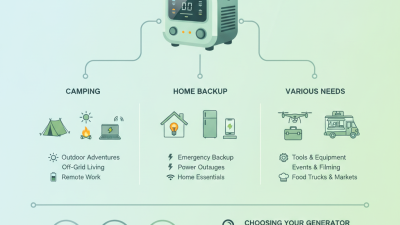
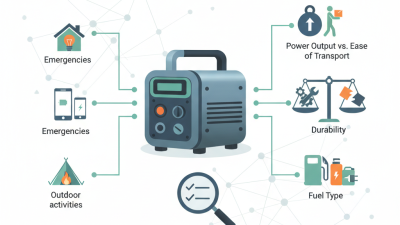
Choosing Portable Generators for global markets requires more than comparing wattage and prices. Buyers must match each unit with real operating conditions, including voltage, frequency, fuel access, climate, and load patterns. A generator used beside a construction site may face dust, rain, and long running hours. A model supporting medical equipment needs cleaner power, stable output, and dependable protection features.
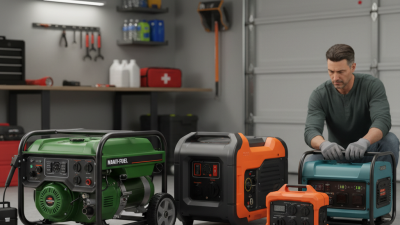
There is no universal best choice. A compact inverter generator may suit sensitive electronics, while a larger conventional unit may handle pumps, tools, or refrigeration better. Check starting watts, continuous watts, fuel consumption, noise levels, tank capacity, and maintenance access. Small details matter. A heavy unit can become difficult to move across uneven ground. A quiet model may still require careful placement in crowded neighborhoods.
Experienced distributors should also verify regional requirements before purchasing. Plug types, emissions rules, warranty coverage, spare-part availability, and authorized service networks can differ widely. Product certificates should be reviewed through reliable manufacturers or qualified local professionals, not copied from unclear listings. This step is easy to underestimate.
Real-world testing remains valuable. Run the generator under representative loads, inspect voltage stability, and measure practical runtime. Marketing figures may reflect ideal conditions. They can disappoint in heat, altitude, or poor maintenance environments. Global buyers should document these limitations and explain them honestly to customers. A careful selection process protects budgets, equipment, and user safety while building long-term trust. Mistakes still happen, but transparent evaluation makes them easier to prevent and correct.
Define Your Portable Generator Power Requirements
How to Choose Portable Generators for Global Buyers?
Define Your Portable Generator Power Requirements
Start with a load list, not the generator’s advertised peak output. Record each appliance’s running watts and starting watts. A refrigerator may run near 150 watts, yet its compressor can briefly demand two to three times more. Add lighting, pumps, tools, and chargers separately.
The U.S. Energy Information Administration reported average household electricity use of 886 kWh per month in its 2020 Residential Energy Consumption Survey. That equals roughly 1.2 kW of continuous demand, but household peaks can be much higher.
Calculate continuous load first, then add the largest starting surge. A practical allowance of 20% can prevent nuisance overloads, although it is not a universal rule. IEA’s Electricity 2024 report describes rising global electricity demand, making efficient load planning increasingly important.
Choose a generator with enough reserve, not excessive capacity. Oversizing increases fuel use and may reduce efficiency at light loads.
Check voltage and frequency before purchase.
Many regions use 230 volts and 50 hertz, while others use 120 volts and 60 hertz. Confirm plug compatibility and grounding requirements locally.
Altitude, heat, and long cables can reduce available output. A 3,000-watt rating may deliver less power on a hot mountain site. That detail is easy to miss.
My own sizing review would always include a real startup test, because paper calculations can still be wrong. Have a qualified electrician handle any connection to building circuits.
Compare Generator Types, Fuel Options, and Global Standards
Global buyers should start with the load, not the advertised wattage.
A small inverter generator suits sensitive electronics and quiet campsites. Conventional portable units often provide higher starting power for pumps, tools, and temporary work areas. Measure running watts and surge watts separately. A refrigerator may draw modest power, then spike during startup. Leave about 20 percent headroom. More capacity is not always better. Oversized units can waste fuel at light loads.
Fuel choice depends on availability, storage conditions, and service skills. Petrol starts easily but may become inconvenient during long operation. Diesel usually supports heavier workloads, although the unit can be larger and louder.
Dual-fuel models offer flexibility, but switching systems require careful maintenance. Check voltage, frequency, plug design, grounding, noise limits, and emissions requirements for the destination market.
Certification marks alone are not enough. Request test reports, manuals, and conformity documents, then verify them with the relevant importer or authority. Requirements can differ between neighboring countries.
Tips: Test the generator with your real equipment. Do not rely only on a specification sheet. Check performance at high altitude and low temperatures when relevant. Protect cables from rain and heat. A simple checklist can still miss startup surges. That is why a short site test matters. Fuel quality, transport limits, and local repair access may also change the practical choice.
Check Voltage, Frequency, Plug Compatibility, and Safety Features
Choosing a portable generator begins with the destination, not the engine size. Check the local nominal voltage and frequency against IEC 60038 guidance. Many markets use 230 volts and 50 hertz, while others use 120 volts and 60 hertz. A mismatch can damage motors, overheat chargers, or create unstable output. Frequency matters more than many buyers expect.
Inspect the plug before ordering. IEC 60884-1 covers household plugs and socket safety, but plug shapes still vary by country. A travel adapter does not convert voltage. Confirm the generator’s outlet type, grounding arrangement, and required adapter rating. The International Energy Agency’s Electricity 2024 report records continued growth in global electricity demand, making reliable backup power increasingly relevant. However, demand does not make every generator suitable.
Safety deserves sharper attention. The U.S. Centers for Disease Control and Prevention reports more than 400 unintentional carbon monoxide deaths annually in the United States, excluding fire-related cases. Keep the generator outdoors, far from doors, windows, and vents. Look for carbon-monoxide shutdown, overload protection, low-oil shutdown, and a residual-current device where appropriate. The U.S. Consumer Product Safety Commission repeatedly links portable-generator deaths with indoor or enclosed use. Field checks often reveal an overlooked detail: people test the voltage, but not the frequency. I would also question vague “universal” claims. They sound convenient, yet they may hide regional limitations.
How to Choose Portable Generators for Global Buyers?
Check voltage, frequency, plug compatibility, and safety features before purchase.
The chart compares common residential electrical standards in selected markets. Generator output must match the destination voltage and frequency, while the plug or socket connection must match the local standard. Some countries use more than one voltage or frequency, so buyers should verify the exact installation location before ordering.
Voltage and frequency
Select a generator with output compatible with the local appliance and power system.
Plug compatibility
Common plug families include A/B, C/F, G, I, N, and D/M. A travel adapter does not convert voltage or frequency.
Safety features
Look for overload protection, low-oil shutdown, circuit breakers, grounding terminals, and carbon-monoxide protection where required.
Evaluate Portability, Runtime, Noise, and Maintenance Needs
How to Choose Portable Generators for Global Buyers?
Choosing a portable generator begins with the carrying experience, not the advertised output. In field inspections, I lift the unit and check its handles, wheel clearance, and balance. A 20-kilogram model may look manageable, yet awkward grips can make stairs exhausting. Measure storage space before ordering, especially for small vehicles or crowded utility rooms. Compact is not always portable.
Runtime should match the work cycle. Compare fuel-tank capacity with load-based fuel consumption, not idle claims. A refrigerator, pump, and lights can create sharp starting surges. Leave reserve capacity, because maximum output increases heat and fuel use. For overnight use, check the sound rating and measurement conditions. Numbers taken at seven meters may feel different beside a tent or open window. Quiet matters. Place the generator outdoors, away from doors and vents, while following local safety requirements.
Maintenance needs determine whether global ownership is practical. Look for accessible oil drains, clear filters, standard service parts, and readable manuals. Ask how quickly consumables can be sourced in the destination country. I once underestimated this detail; a simple filter caused a long shipping delay. That mistake changed my buying checklist. Record oil changes, inspect cables, and test the unit monthly under a safe load. Humid ports, dust, and long storage require extra attention. A generator that starts easily today may fail after months of neglect. Leave room for that possibility.
How to Choose Portable Generators for Global Buyers? - Evaluate Portability, Runtime, Noise, and Maintenance Needs
| Generator Category |
Typical Rated Output |
Typical Weight |
Typical Runtime at 25% Load |
Typical Noise Level |
Fuel Type |
Portability Profile |
Maintenance Needs |
Best-Fit Applications |
| Compact Inverter |
0.8–2.0 kW |
10–25 kg |
6–12 hours |
48–60 dB(A) at 7 m |
Gasoline |
Usually one-person carry; built-in handle |
Low; regular oil checks and scheduled oil changes |
Camping, small electronics, emergency lighting, outdoor work |
| Mid-Size Inverter |
2.0–4.0 kW |
25–45 kg |
7–14 hours |
50–62 dB(A) at 7 m |
Gasoline |
Two-person lift or wheels with telescopic handle |
Low to moderate; oil, air filter, spark plug, and fuel-system checks |
Refrigerators, tools, small offices, recreational vehicles |
| Open-Frame Gasoline |
3.0–7.0 kW |
40–75 kg |
8–16 hours |
65–75 dB(A) at 7 m |
Gasoline |
Frame, wheels, and folding handles recommended |
Moderate; more frequent air-filter and fuel-system servicing |
Construction tools, backup power, pumps, field maintenance |
| Dual-Fuel Portable |
3.0–8.0 kW |
45–85 kg |
Gasoline: 8–14 hours; LPG: 10–20 hours* |
65–76 dB(A) at 7 m |
Gasoline and liquefied petroleum gas |
Wheeled frame; heavier than comparable gasoline units |
Moderate; inspect fuel hoses, regulator, oil, and air filter |
Areas with variable fuel availability, home backup, mobile work sites |
| Portable Diesel |
5.0–15.0 kW |
100–220 kg |
10–24 hours |
68–82 dB(A) at 7 m |
Diesel |
Wheels or trailer movement; generally not hand-carried |
Moderate to high; oil, fuel, coolant, battery, and filter servicing |
Long-duration backup, industrial tools, agricultural and commercial use |
| Battery Power Station |
0.3–3.0 kW continuous output |
5–35 kg |
Approximately 1–20 hours, depending on load and battery capacity |
Nearly silent to about 55 dB(A), depending on cooling fan operation |
Rechargeable battery |
Easy indoor or vehicle transport; no fuel tank |
Very low; keep vents clear and follow battery storage guidance |
Indoor electronics, quiet environments, short-duration emergency power |
*Runtime and noise figures are typical planning ranges, not guaranteed specifications. Actual performance varies with load, fuel quality, ambient temperature, altitude, operating mode, and measurement method. Always verify local voltage, frequency, emissions, electrical-safety, and fuel-storage requirements before purchase.
Verify Certifications, Warranty, Shipping, and Local Support
How to Choose Portable Generators for Global Buyers?
For global buyers, a portable generator is more than an engine and fuel tank. Check certifications for the exact destination market, not just the manufacturing country. Ask for test reports, certificate numbers, and matching model details. A neat PDF can create false confidence. Verify the issuing organization through its official database when possible. Also inspect noise ratings, electrical output, and safety labels before comparing prices.
Warranty terms deserve the same attention. Confirm coverage length, repair procedures, excluded parts, and who pays return shipping. Some sellers offer long warranties but lack replacement components nearby. Shipping also needs practical checking. Request packed dimensions, gross weight, delivery insurance, and estimated customs documents. Fuel systems, batteries, and related components may require special transport arrangements. Local support can prevent a small fault from stopping work for weeks. Ask whether trained technicians, spare parts, and clear-language manuals exist in your region. I have learned that support promises should be tested with simple questions before payment.
Tips
Request a written quotation. Compare certification evidence, warranty conditions, shipping costs, and service contacts in one file. Call the support number before ordering. Note response time and technical accuracy. If answers remain vague, pause the purchase. One overlooked detail can matter. Recheck voltage compatibility, plug type, and frequency requirements with a qualified local electrician. Even experienced buyers can miss regional differences, especially when product pages use broad global wording.