How to Choose the Best Portable Generators for Your Needs?
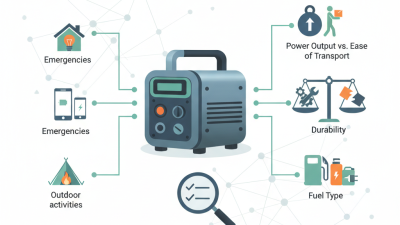
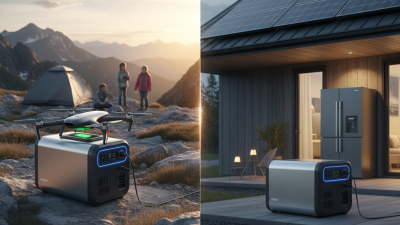
Choosing the right portable generators can be challenging. With numerous options available, understanding your specific needs is essential. Portable generators offer convenience during power outages, outdoor events, and camping trips. However, the best choice depends on various factors, including power output, fuel type, and runtime.
Experts suggest evaluating your power requirements before purchasing. Consider what appliances or devices you need to run. It’s crucial to know the wattage needed. Not all portable generators are created equal; some are more efficient than others. Features like noise level and weight also matter. These details could affect your experience, especially in quiet areas or when on the move.
Remember, selecting portable generators isn't just about the price. Quality and reliability can greatly impact your usage. While you might find cheaper models, they may not provide the same performance. Take the time to research different brands and user reviews. This will help build a clearer picture of which option suits you best. Your choice should align with your unique lifestyle and power needs.
Understanding Your Power Needs for Portable Generators
Choosing the right portable generator starts with understanding your power needs. Assess the devices you plan to run. Are you using high-demand items like refrigerators or air conditioners? Or will you power smaller appliances like lights and phones? Make a list of everything to gauge the total wattage required.
Next, consider the runtime. How long do you need the generator to last? Some generators run efficiently for several hours, while others may need frequent refueling. It’s important to match your power demand with the generator's capacity. Overloading a generator can cause damage, so knowing your limits is crucial.
Finally, think about the environment where you'll use it. Will it be indoors or outdoors? Gasoline generators produce fumes, so they must be used outdoors for safety. Also, portability matters. A lighter generator is easier to move, but heavier ones might offer greater power. Balancing these factors will lead you to the right choice. Remember, it's not just about finding a powerful generator; it’s about choosing one that fits your specific situation.
Types of Portable Generators: Pros and Cons
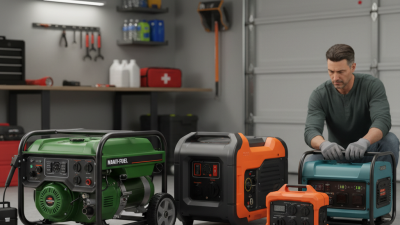
Choosing the right portable generator requires understanding different types and their implications. The three main types are inverter generators, conventional generators, and dual-fuel generators. Each has distinct pros and cons that affect their suitability for various needs.
Inverter generators stand out for their efficiency and quieter operation. They produce cleaner power, ideal for sensitive electronics. According to the Portable Generator Manufacturers' Association, inverter generators accounted for 40% of sales in 2022. However, they typically have lower power outputs. This might not meet the needs of heavy-duty applications.
Conventional generators are often more powerful. They can run larger appliances and tools efficiently. Their initial cost is lower than that of inverter models. Yet, they can be noisier and less fuel-efficient. Dual-fuel generators offer flexibility, running on both gas and propane. They can switch based on availability, but these models tend to be bulkier and might require more maintenance. Users should weigh these factors, considering their specific power requirements and comfort with maintenance.
Key Features to Consider When Choosing a Portable Generator
Choosing the right portable generator involves several key features. Start with power output. It needs to match your requirements. Calculate the wattage of the devices you plan to use. This will help you avoid under or overpowered options.
Next, consider fuel type. Generators primarily run on gasoline, propane, or diesel. Each type has its pros and cons. For instance, gasoline is easily accessible but has a shorter shelf life. Propane, on the other hand, can be stored for longer periods.
Portability is vital too. Check the weight and design. Some models have wheels and handles, making them easier to transport. Noise level is another important aspect; quieter generators are preferable for residential use. Lastly, always look for safety features such as overload protection. It adds an essential layer of reliability during use.
Analyzing Budget and Cost-Effectiveness for Generators
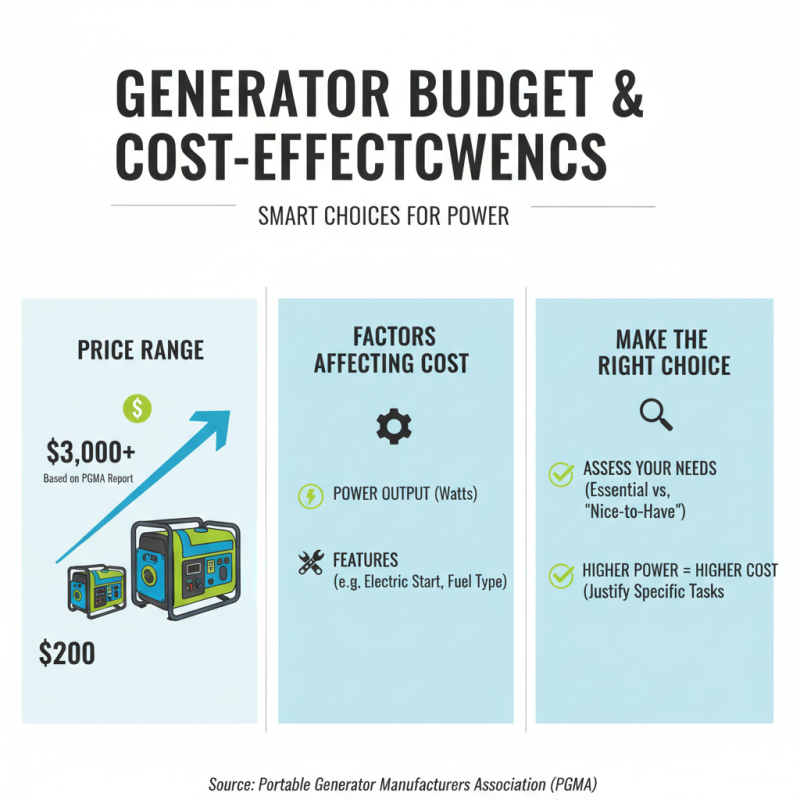
When choosing a portable generator, budget and cost-effectiveness are crucial factors. According to a report by the Portable Generator Manufacturers Association (PGMA), prices can range from $200 to over $3,000, depending on size and features. It's important to assess what you actually need when budgeting. A generator with a higher power output typically costs more but may be essential for specific tasks.
Consider the long-term value of your investment. Fuel efficiency plays an important role. An efficient generator can save you money on fuel costs over time. The average portable generator uses about 0.5 to 0.7 gallons of fuel per hour. For frequent use, this could add up quickly. Also, maintenance costs should factor into your budget. Neglecting upkeep can lead to costly repairs.
Additional features often come at a premium. A generator with advanced safety features may prevent accidents but increase the initial cost. It's worth weighing these features against your actual needs. Look into user reviews and expert opinions to gauge reliability. This research can significantly impact your decision-making process, ensuring you choose a generator that meets your budget requirements effectively.
Safety Considerations and Maintenance Tips for Portable Generators
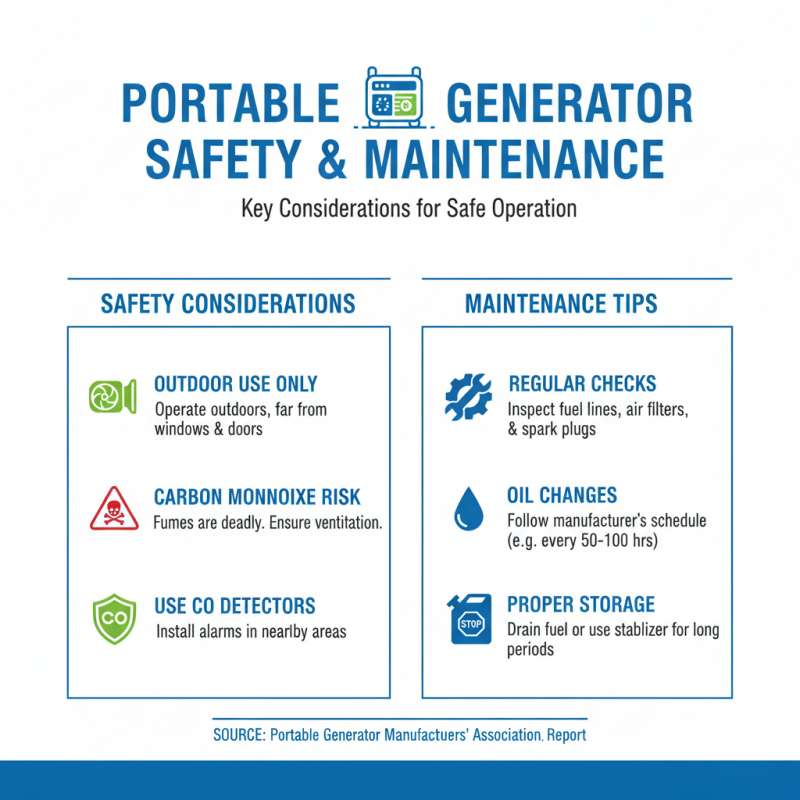
When considering portable generators, safety and maintenance are critical. According to a report from the Portable Generator Manufacturers’ Association, improper use leads to numerous accidents each year. Carbon monoxide poisoning remains a severe risk. To mitigate this, always operate generators outdoors. Ventilation ensures that toxic fumes dissipate. Use carbon monoxide detectors as an added layer of safety.
Regular maintenance is vital. A survey from the American Society of Heating, Refrigerating and Air-Conditioning Engineers suggests that 30% of generator failures stem from neglected upkeep. Check oil levels and replace filters as recommended. Keep the generator clean and inspect it for wear or damage. Over time, dust and debris can impair performance. Keeping your portable generator in peak condition will extend its life and improve reliability during emergencies.
Many users overlook the need for a fuel stabilizer. It can prevent fuel degradation, which commonly occurs after a month of storage. Fuel that sits too long can clog the engine. Some people forget this step entirely, leading to frustration when the generator fails to start. Ensuring proper maintenance and safety protocols helps prevent these hassles. Even small details can make a significant difference in performance and safety.