What is a Portable Generator and How Does it Work?
Portable generators play a vital role in providing backup power for homes and businesses during outages. According to the latest report from the Generator Manufacturers Association, the portable generator market is projected to grow by 6% annually over the next five years. This surge reflects a growing awareness of the importance of reliable electricity access. Experts emphasize the need for safety and proper usage of these devices to prevent accidents. As industry expert John T. McAllister states, "Understanding how portable generators work is essential for their effective and safe operation."
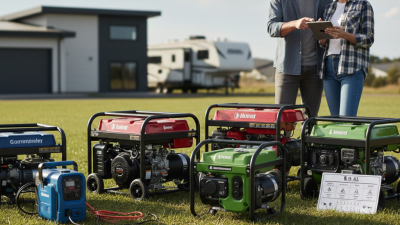
These machines offer flexibility, making them suitable for outdoor events and job sites. Portable generators can fuel appliances, lights, and tools when the main power supply is interrupted. However, many users overlook crucial safety precautions. Without an understanding of how they operate, individuals can face hazards like carbon monoxide poisoning. Portable generators contain complex mechanisms, and misuse can lead to dangerous situations. Each unit's wattage capacity must align with its intended use to avoid equipment failures.
As the market continues to expand, consumer education remains essential. Many still lack awareness of how to maintain and operate portable generators properly. In some cases, consumers may invest in a portable generator without fully grasping the implications. Fostering knowledge and awareness is critical to enhance the reliability and safety of portable generators in households and businesses alike.
What is a Portable Generator?
A portable generator is a versatile power source. It's designed to provide electricity when traditional sources are unavailable. These generators are compact and can be easily transported to different locations. You might use one during a camping trip or when your home experiences a power outage. They come in various sizes and power capacities.
When it operates, a portable generator converts mechanical energy into electrical energy. Its engine drives a rotor that produces electricity. Many portable generators run on gasoline, but some can use propane or solar energy. Users often overlook maintenance, which can affect performance. Regular oil changes and clean filters are crucial for longevity.
Portable generators offer advantages in flexibility and convenience. However, they also require safety precautions. Improper use can lead to carbon monoxide exposure. Always run them outdoors and away from windows. Having a generator is helpful yet requires responsibility. It’s essential to prioritize safety while enjoying the convenience it offers.
Key Components of a Portable Generator
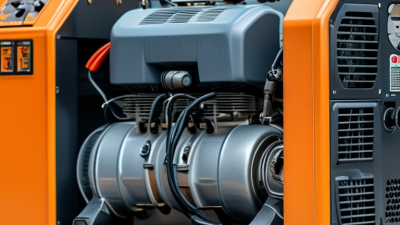
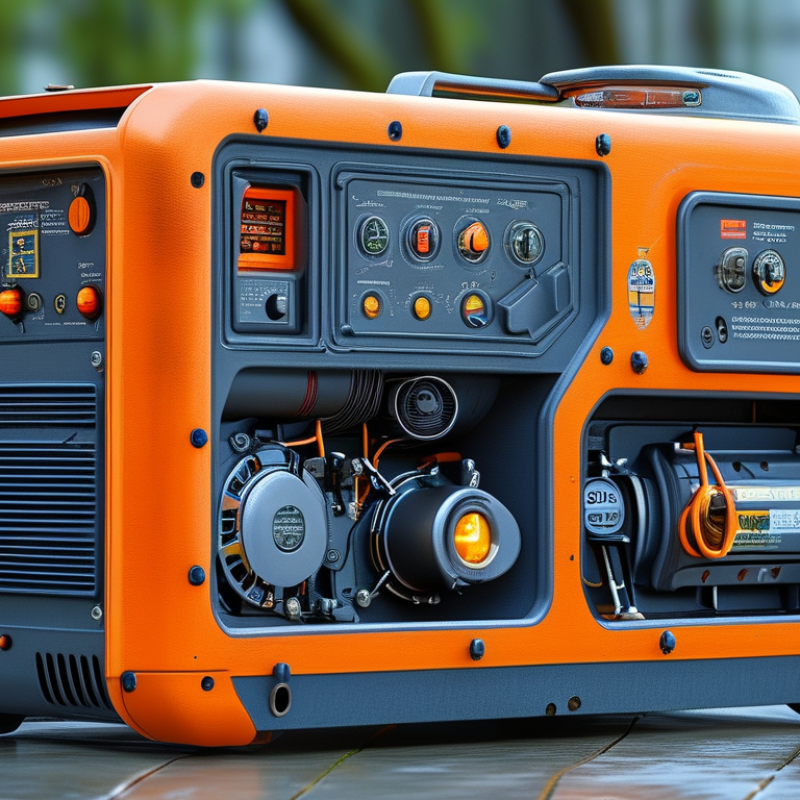
Portable generators are essential for providing backup power during outages or when on the go. Understanding their components is crucial for effective use. The engine is the heart of the generator. It converts fuel into mechanical energy. This energy powers the alternator, which generates electricity.
The alternator is vital. It creates alternating current (AC) electricity for home use. The fuel system, including the tank, is where the generator stores its power source. Often, gasoline or propane is used. Additionally, the control panel gives users the ability to manage output and monitor performance metrics.
While portable generators are essential tools, they can come with risks. Improper use can lead to carbon monoxide exposure. Regular maintenance is necessary for optimal performance. Many people overlook the importance of routine checks. Understanding these components helps prevent issues and enhances safety.
How Portable Generators Generate Electricity
Portable generators serve as essential tools for producing electricity in various scenarios. They convert mechanical energy into electrical energy. The process begins with a combustion engine. This engine burns fuel—typically gasoline or propane—to create mechanical energy. The engine spins a rotor inside the generator, which is crucial for electricity generation.
According to the U.S. Energy Information Administration, portable generators can produce between 1,000 and 10,000 watts of electricity. This variation depends on engine size and design. Smaller models are ideal for powering essential devices, such as lights and chargers. In contrast, larger units can support appliances like refrigerators and heaters. It's interesting to note that many generators use a synchronous design. This allows them to maintain a steady frequency of 60 Hertz, ensuring compatibility with household devices.
However, these units are not faultless. Users must be aware of fuel efficiency and noise levels. The energy source can impact operational costs and environmental footprint. Reports indicate that running a generator continuously can consume a significant amount of fuel, leading to higher expenses. Moreover, the noise produced can be disruptive, especially in residential areas. Reflecting on these aspects helps users make informed decisions when selecting and using portable generators.
Common Uses for Portable Generators
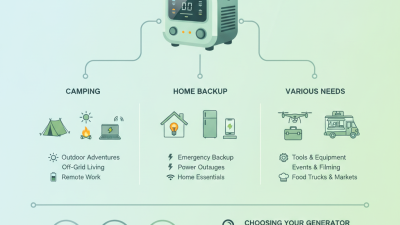
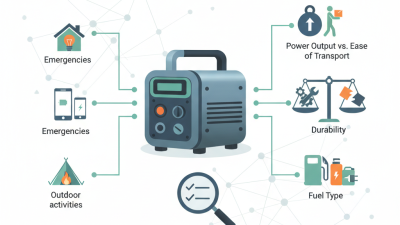
Portable generators are versatile tools that serve various needs. They can provide power during emergencies, especially in natural disasters. For instance, when a storm knocks out electricity, a portable generator keeps essential devices running. This can include refrigerators, medical equipment, and lights, ensuring safety and comfort.
Another common use is for outdoor activities. Campers appreciate the convenience of having electricity on trips. A portable generator allows for charging phones, running small appliances, or powering lights at night. It enhances the camping experience but requires careful planning regarding power needs and fuel management.
Home improvement projects also benefit from portable generators. Electric tools often require power on job sites without access to outlets. A generator can supply electricity for saws, drills, and more, making it easier to tackle tasks efficiently. However, users must remain aware of safety guidelines. Proper ventilation is crucial, as generators emit carbon monoxide, which can be deadly in enclosed spaces. Recognizing these precautions helps ensure safe and effective usage.
Common Uses for Portable Generators
This chart illustrates the common uses for portable generators measured in units, showcasing their applications in various settings like construction sites, emergency backup situations, outdoor events, camping, and home use.
Safety Precautions When Using Portable Generators
When using portable generators, safety is a top priority. Carbon monoxide (CO) emissions are a major concern. This odorless gas can be deadly. Always use your generator outdoors, away from windows and doors. A minimum distance of 20 feet is recommended. Installing a CO detector in your home adds an extra layer of protection.
Fuel safety also requires attention. Store generator fuel in an approved container. Keep it away from heat sources. Be mindful to avoid spills. If a spill occurs, clean it up immediately. When starting your generator, avoid overloading outlets. This can cause overheating and electrical fires. Consider using a transfer switch for safe connections.
Maintenance is essential for safe operation. Regularly check the generator's oil, fuel filters, and air filters. Neglecting upkeep can lead to failure during critical times. Familiarize yourself with the manual. It includes important guidelines. If unsure, consulting a professional can save you from potential hazards. Keeping these precautions in mind can make your experience safer and more reliable.