Best Portable Generators for Every Need in 2026
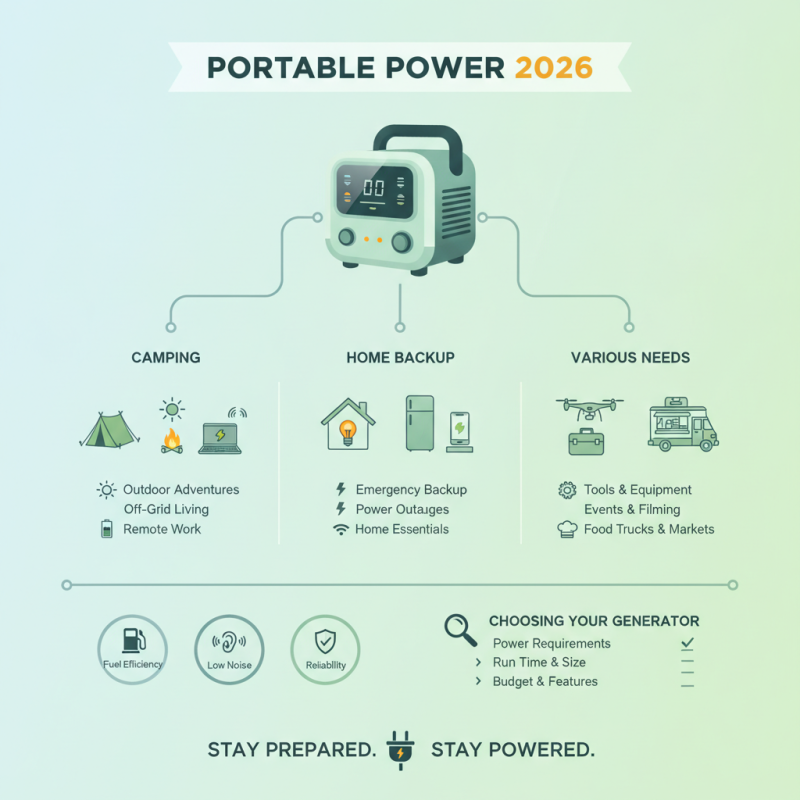
As we approach 2026, the demand for Portable Generators continues to rise. These versatile power sources cater to various needs, from camping adventures to emergency home backup. However, selecting the right generator can be daunting. With countless options available, it's important to identify what suits you best.
Portable Generators offer power and convenience in one compact package. They are essential for outdoor enthusiasts and useful during power outages. Despite their benefits, some models may not deliver consistent performance. Understanding your power requirements is crucial.
Investing in a Portable Generator involves careful consideration of various factors. Reliability, fuel efficiency, and noise levels are just a few aspects to think about. As you navigate the market, reflect on your specific needs. The right choice will enhance your experience, whether for recreation or emergencies.
The Rise of Portable Generators: Market Trends and Projections for 2026
The demand for portable generators is surging, driven by changing lifestyles and a need for reliability. More people are working remotely and going off-grid. These shifts create a growing market for versatile energy solutions. Many users require power on the go, especially for camping or emergency situations. Thus, portable generators are evolving to meet diverse needs.
As we glance ahead to 2026, innovations will continue to shape the industry. Technology is making generators lighter, quieter, and more efficient. Battery-powered options are gaining traction. They provide clean energy, appealing to eco-conscious consumers. However, the challenge remains: balancing power output with portability. Some users might find the latest models may not meet their high demands.
Market trends suggest that consumers are becoming more informed. They seek generators that combine functionality with user-friendly features. Understanding specifications can be daunting for many. Some may overlook essential details like fuel consumption and run time. This complexity underlines the need for ongoing education in the field. The journey of selecting the right generator is increasingly nuanced and worthwhile.
Key Features to Consider When Selecting a Portable Generator
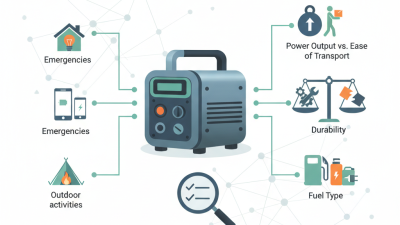
When selecting a portable generator, several key features are crucial to consider.
Power output is essential. Determine your wattage needs based on what devices you plan to use.
The average portable generator offers between 1,000 to 4,000 watts. If you require more power, explore options reaching 10,000 watts.
This decision impacts your efficiency during an outage or while camping.
Another feature is fuel type. Most generators run on gasoline, but some offer dual-fuel capabilities.
According to the National Renewable Energy Laboratory, generators using propane can work longer and with less environmental impact.
Easy portability is also important, especially for outdoor activities.
Look for weight specifications and integrated wheels for hassle-free transport.
Tips: Always check noise levels. Generators can be loud, reaching over 60 decibels.
Look for models labeled “quiet” if you need a peaceful environment.
Maintenance is often overlooked. Keep an eye on oil levels and change them regularly for optimal performance.
This can prevent costly repairs down the line.
Top Portable Generator Brands and Their Product Offerings for 2026
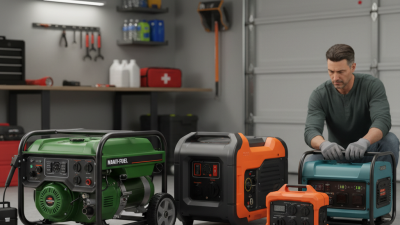
When it comes to portable generators, 2026 offers a variety of choices for diverse needs. The right generator can make a difference during power outages or outdoor adventures. Consumers should consider several factors when evaluating their options. Weight, fuel efficiency, and output power are important features to look for. Brands have improved their technology, focusing on noise reduction and portability.
Some brands emphasize reliability and performance. Their models often include advanced features like inverter technology. This ensures stable power for sensitive electronics. Battery-powered options are gaining popularity, offering quieter operations and zero emissions. Users need to reflect on their personal requirements, from camping trips to home backup power.
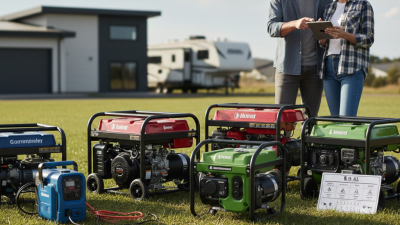
While several brands claim to provide top-tier products, not all meet expectations. Some may have durability issues or lack adequate customer support. It’s essential to read reviews and testimonials to gauge real-world performance. Understanding the market landscape will help consumers make informed decisions. Investing in a portable generator should align with both practical needs and long-term reliability.
Best Portable Generators for Every Need in 2026
This chart represents the power output (in watts) of different types of portable generators suitable for various needs in 2026. The data shows the average wattage for essential, recreational, and heavy-duty generators.
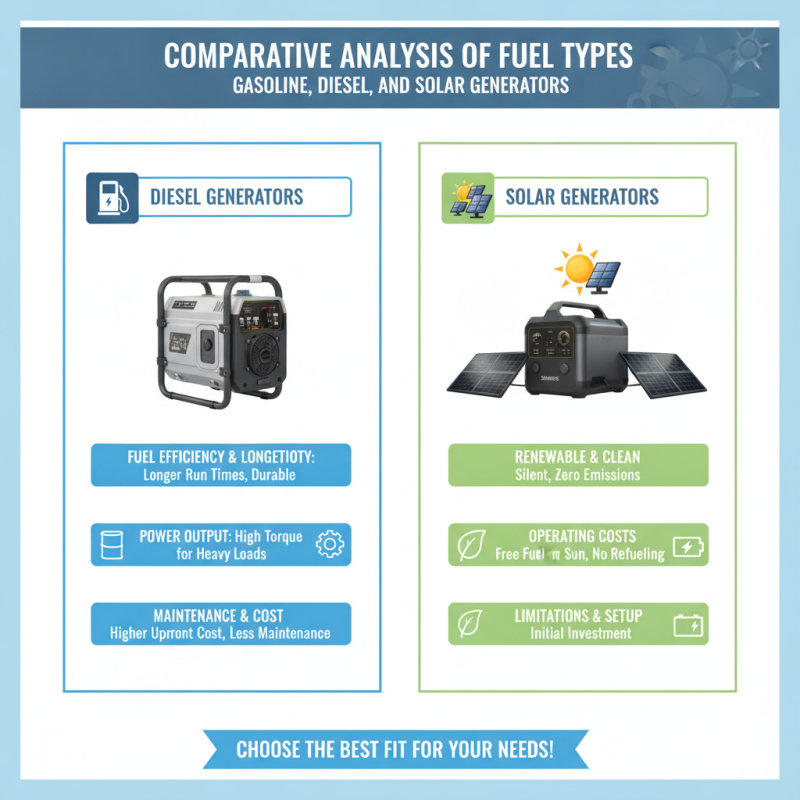
Comparative Analysis of Fuel Types: Gasoline, Diesel, and Solar Generators
When choosing a portable generator, consider the fuel type that best suits your needs. Gasoline generators are popular due to their availability and ease of use. They start quickly and provide ample power for small appliances and tools. However, they can be noisy and require frequent refueling. Keep in mind the potential odor and risks associated with gasoline storage.
Diesel generators offer greater efficiency and often last longer than their gasoline counterparts. They are better suited for heavy-duty applications. However, diesel generators can be bulkier and heavier. The initial investment is typically higher. Make sure to research their noise levels and emissions, as these can impact your environment.
Solar generators are an eco-friendly option that appeals to many. They run silently and require minimal maintenance. However, their power output may be limited. Consider your specific energy needs. For instance, if you're using multiple devices, solar may struggle. Also, without sunlight, these generators may not provide power when you need it most.
**Tips:** Always check the noise level ratings when selecting a generator. It can impact your comfort and your neighbors'. Maintenance is key. Follow manufacturer guidelines to extend the life of your generator.
Safety Standards and Regulations Impacting Portable Generator Usage in 2026
In 2026, safety standards for portable generators have become more stringent. These regulations ensure that devices meet specific safety requirements. Manufacturers are now focusing on reducing carbon emissions and minimizing noise pollution. This shift reflects a growing concern for environmental impact.
User education is also crucial. Many users underestimate the risks of improper generator usage. It's essential to understand ventilation requirements and proper placement. Human error can easily lead to accidents. Awareness campaigns aim to educate users about safe practices.
New technologies have emerged in response to safety challenges. Features like automatic shut-off systems enhance user security. However, not all generators are equipped with these advancements. As consumers, it’s important to choose models that comply with the latest safety standards. Continued improvement in regulations can lead to a safer user experience. This ongoing evolution underscores the need for both selection and education in portable generator use.
Best Portable Generators for Every Need in 2026 - Safety Standards and Regulations Impacting Portable Generator Usage in 2026
| Model |
Power Output (W) |
Fuel Type |
Runtime (Hours) |
Weight (lbs) |
Safety Features |
| Generator A |
2000 |
Gasoline |
8 |
48 |
Overload Protection, CO Shutdown |
| Generator B |
3000 |
Propane |
10 |
55 |
Low Oil Shutoff, Surge Protection |
| Generator C |
3500 |
Diesel |
12 |
60 |
Smart Throttle, Dual Fuel Capability |
| Generator D |
4500 |
Gasoline |
15 |
68 |
Spark Arrestor, Circuit Breaker |
| Generator E |
5500 |
Dual Fuel |
12 |
75 |
Automatic Voltage Regulation, Tip Over Protection |