China Top 10 Diesel Compressor Manufacturers?
Choosing among China’s top diesel compressor manufacturers requires more than comparing catalog prices. A reliable Diesel Compressor must deliver steady air pressure, efficient fuel use, and safe operation in demanding environments. Construction sites, mining areas, road projects, and emergency maintenance work each create different requirements. Noise, dust, temperature, mobility, and service access can change the purchasing decision.
This guide examines ten notable Chinese manufacturers through practical and technical factors. These include production experience, engine and air-end options, pressure ranges, control systems, testing procedures, export capability, and after-sales support. It also considers whether a supplier can provide clear documentation, replacement parts, operator guidance, and responsive warranty service. Small details matter. A weak hose connection or delayed filter supply can stop an entire worksite.
The ranking should not be treated as permanent. Product lines change, factories update equipment, and regional certifications may differ. Public information is sometimes incomplete, so buyers should confirm specifications directly with each manufacturer. Factory audits, sample testing, and customer references can reveal weaknesses that brochures rarely mention. I have also found that the lowest quotation is not always the lowest operating cost. Fuel consumption, maintenance intervals, transport design, and technician availability deserve equal attention.
This overview aims to support a careful shortlist, not make an absolute judgment. Each company may suit a different working condition. Verify the details before signing.
What Is a Diesel Compressor and Where Is It Used?
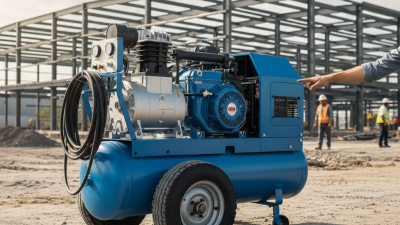
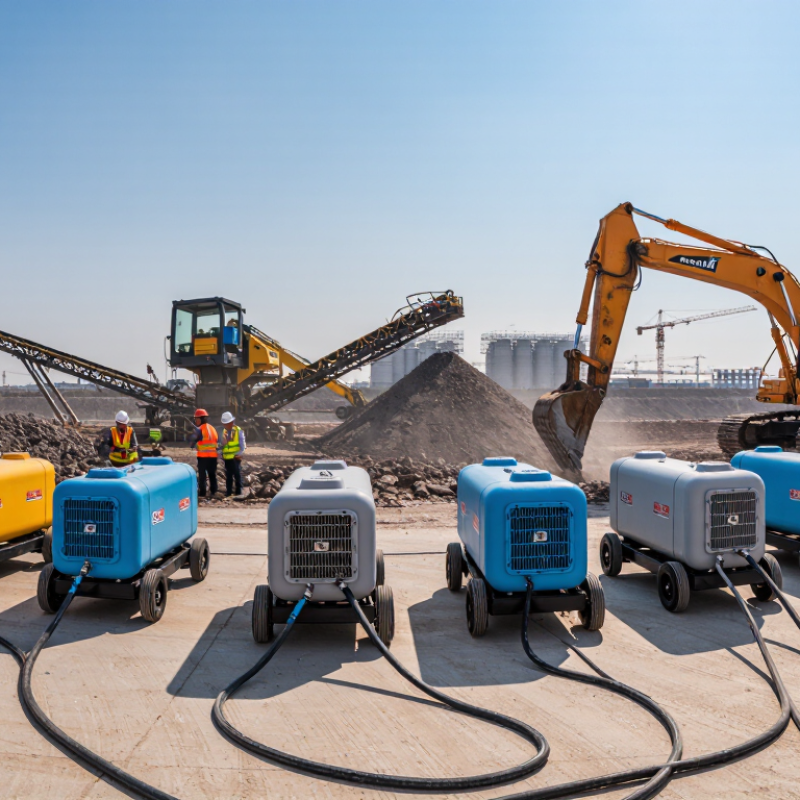
A diesel compressor is a mobile machine that uses a diesel engine to drive an air compressor. It produces pressurized air without depending on a fixed electrical supply. This makes it useful on road projects, mining sites, remote workshops, and emergency repair work. Common tasks include operating rock drills, pneumatic tools, concrete breakers, and abrasive blasting equipment. Its steel frame, tires, and air hoses are familiar sights beside unfinished roads.
The U.S. Department of Energy reports that compressed-air systems can consume 10% to 30% of industrial electricity. A diesel compressor can reduce grid dependence, but it does not remove energy costs. Fuel consumption, engine maintenance, noise, and exhaust emissions still matter. The International Energy Agency’s World Energy Outlook 2024 also shows continued pressure to improve industrial energy efficiency. Therefore, buyers should compare useful air delivery, measured in cubic feet per minute, with required pressure, usually measured in bar or psi. A larger engine is not always the smarter choice. That assumption deserves review.
Tips:
Check air output under real load, not only the advertised maximum. Inspect the air filter, oil separator, cooling system, and emergency shutdown. Keep the unit level on firm ground. Poor ventilation can create serious hazards. A site assessment may reveal that an electric compressor is cleaner and cheaper for indoor work. This is where specifications can mislead. Availability, duty cycle, climate, and service support often decide performance more than headline power.
How to Evaluate China’s Diesel Compressor Manufacturers
To evaluate China’s diesel compressor manufacturers, start with measurable performance, not catalog claims. The U.S. Department of Energy reports that compressed-air systems may consume 10–15% of a plant’s electricity, while leaks can waste 20–30% of compressor output. Diesel units also convert fuel into operating cost, so request fuel consumption at several load points, not only the best-case figure.
Ask for free air delivery, working pressure, altitude limits, noise data, and continuous-duty ratings tested under ISO 1217 methods. A serious manufacturer should provide factory test records, engine emission documents, component traceability, and clear warranty terms. Inspect the assembly line if possible. Look for clean wiring, protected hoses, accessible filters, and a service plan with realistic spare-part lead times. Small details matter.
Field experience can expose what brochures hide. Run a witnessed test for at least two hours, then check pressure stability, temperature, vibration, and fuel use. Request references from mines, construction sites, or remote workshops with similar duty cycles. The cheapest quotation may become expensive after repeated filter failures or slow support. I would still question every claimed efficiency number. Independent verification is safer than confidence. A useful supplier comparison should score performance, durability, service response, documentation, and five-year operating cost, rather than purchase price alone.
China’s Top 10 Diesel Compressor Manufacturers
China’s Top 10 Diesel Compressor Manufacturers
China’s top 10 diesel compressor manufacturers should be judged by evidence, not online visibility. A credible review should examine factory capacity, ISO 9001 systems, ISO 1217 testing, export records, and service coverage. MarketsandMarkets reports continued global growth in the air compressor sector, driven by construction, mining, and energy projects. Diesel units remain practical where grid power is unreliable.
The strongest manufacturers usually offer portable compressors from 7 to 30 bar, with engines matched to local fuel and climate conditions. Field details matter. A compressor working beside a dusty road needs sealed filters, strong cooling, and simple drain access. The U.S. Department of Energy reports that compressed-air systems can waste 20% to 30% of their output through leaks and poor maintenance. That figure changes purchasing logic. Fuel consumption, noise, spare-parts access, and technician response deserve equal attention. Some rankings still rely too heavily on catalog specifications. That is a weakness.
Tips: Request independent performance tests before ordering. Check air delivery at rated pressure, not only engine power. Ask for service records from similar sites. Verify emissions compliance for the destination market. A short factory video proves little. Third-party inspection is safer. Also compare warranty exclusions carefully, especially for filters, batteries, and cold-weather starting. The “best” manufacturer may not be the cheapest, and even a well-built unit can disappoint when maintenance training is missing.
Key Products and Technologies Offered by Leading Manufacturers
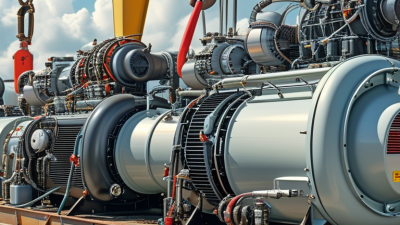
China’s leading diesel compressor manufacturers typically supply portable, trailer-mounted, and skid-mounted systems. Their core products include screw compressors, piston compressors, air dryers, storage tanks, and filtration units. Diesel engines provide strong output where grid power is unavailable. Screw technology supports continuous drilling, construction, and mining work. Piston designs remain useful for intermittent, high-pressure applications.
Modern equipment often includes electronic engine controls, automatic shutdown protection, and real-time pressure monitoring. Some models use variable-speed systems to reduce fuel waste during changing workloads. Heat-resistant hoses, reinforced frames, and corrosion-resistant tanks improve field reliability. Noise reduction is also becoming important near residential and industrial areas. However, advertised efficiency can differ from actual performance. Dust, altitude, poor maintenance, and low temperatures can change results.
Tips:
Compare free air delivery, working pressure, fuel use, and service access. Ask for tested performance data, not only catalog figures. Check whether filters, belts, and sensors are locally available. Inspect the control panel before purchase. It should show pressure, temperature, operating hours, and fault codes clearly. A practical trial under real site conditions is valuable. Even advanced technology cannot correct incorrect sizing or neglected maintenance.
How to Choose the Right Chinese Diesel Compressor Supplier
China Top 10 Diesel Compressor Manufacturers: How to Choose the Right Chinese Diesel Compressor Supplier
Choosing a Chinese diesel compressor supplier requires more than comparing catalog prices. Check the supplier’s manufacturing experience, technical team, and export history. Ask for engine specifications, air delivery data, pressure ranges, and fuel consumption under real load. A reliable supplier should provide clear test records, wiring diagrams, maintenance schedules, and inspection photos. During factory visits, examine welds, hose routing, cooling systems, and protective guards. Small details often reveal production discipline.
Tips: Request a live load test before ordering. Compare noise levels, starting performance, and pressure stability. Confirm spare-parts availability for at least two years. Review warranty terms carefully, including response time and excluded parts. Ask whether technicians can support installation remotely. Do not rely on polished videos alone.
Your working environment matters. A dusty construction site needs strong filtration and easy service access. Cold regions require suitable starting systems and approved lubricants. For mining or roadside work, check frame strength, tire options, and emergency shutdown functions. Confirm that the compressor meets the regulations of your destination market. Certificates should match the actual model, not a similar product.
I have seen buyers choose the lowest quote, then face costly delays because basic parts were missing. That mistake is easy to repeat. A lower price may hide weaker testing or limited after-sales support. Supplier selection is not perfect science. Leave room for independent inspection and question any promise that sounds unusually simple.
How to Choose the Right Chinese Diesel Compressor Supplier
This illustrative procurement model assigns a total of 100 evaluation points to the factors most commonly considered when selecting a diesel compressor supplier: total cost of ownership, airflow and pressure suitability, fuel efficiency, after-sales service, compliance and safety, and delivery or customization capability. The scores are buyer-defined weights rather than a ranking of individual companies or brands.