What Are the Benefits of Using Electric Light Towers for Construction?
In the world of construction, efficient lighting is crucial. The Electric Light Tower has emerged as a game-changer for job sites. These portable towers provide bright light in various conditions. They enhance safety and productivity during night shifts.
One main advantage is their mobility. Workers can quickly reposition them to illuminate different areas. This flexibility allows for efficient use of time and resources. Moreover, Electric Light Towers often use energy-efficient bulbs. This reduces power consumption and cuts costs, which is appealing to project managers.
However, there's a need for proper training. Not all workers may be familiar with these systems. Understanding how to set them up safely is essential. Overall, Electric Light Towers offer significant benefits. Their effective use can lead to safer and more productive work environments.
Benefits of Enhanced Visibility for Nighttime Construction Tasks
Construction projects often extend into the night, making visibility crucial. Electric light towers serve as effective solutions for illuminating these demanding tasks. According to the National Safety Council, up to 30% of workplace accidents occur during low-light conditions. This highlights the importance of proper lighting at construction sites.
Electric light towers provide bright, adjustable lighting that enhances visibility. With a range of 7,000 to 19,500 lumens, they can illuminate large areas efficiently. This allows workers to perform tasks such as excavation, welding, and concrete pouring safely. Studies show that adequate lighting can reduce work-related injuries by up to 40%. However, not all projects adopt sufficient lighting measures, indicating a need for improved safety practices.
Many construction managers still underestimate the impact of good visibility. Some might assume that working with minimal lighting is acceptable, which can lead to blunders. Poorly lit areas can obscure hazards like equipment and uneven surfaces. Workers often express concerns about visibility, yet employers may resist investing in adequate lighting solutions. Continuous education on the benefits of electric light towers can foster better practices in the industry, ultimately promoting a safer working environment.
Improved Safety Measures and Reduced Accidents on Job Sites
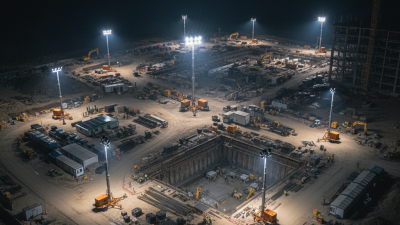
Electric light towers play a significant role in enhancing safety at construction sites. These towers provide bright, reliable lighting that helps workers see clearly in low-light conditions. Adequate lighting reduces the risk of accidents, such as trips and falls. Workers can identify hazards more easily, which improves overall safety. A well-lit site allows for better visibility of machinery and equipment.
Despite the benefits, not all sites use electric light towers effectively. Some teams may underestimate the importance of positioning. Improper placement of light towers can create shadowy areas. This oversight can lead to dangerous situations. It's crucial to regularly assess lighting placement and make adjustments when necessary.
In addition to reducing accidents, proper lighting also promotes better communication among workers. When everyone can see and understand their surroundings, collaboration improves. However, relying solely on lighting without addressing other safety measures is unwise. A comprehensive safety plan is essential for maximum protection on the job site.
Cost Efficiency of Electric Light Towers Compared to Traditional Lighting
Electric light towers have gained popularity on construction sites for several reasons, particularly concerning cost efficiency. Unlike traditional lighting, electric light towers require less maintenance and have lower operational costs. They consume significantly less fuel, translating to savings over time. Operators also report reduced downtime, as these towers can be quickly deployed and connected, ensuring work continues uninterrupted.
Utilizing electric lighting reduces both energy consumption and noise pollution. This quiet operation is essential in urban areas where noise regulations are strict. Additionally, electric light towers often provide better quality illumination compared to traditional options, enhancing safety on the job site. However, initial setup costs can be higher, and the need for a reliable power source could present challenges. Addressing these factors requires careful planning, balancing benefits against potential drawbacks.
Investing in electric light towers can yield long-term savings. Every construction project should analyze its specific requirements before making decisions. While electric options offer clear advantages, there’s no one-size-fits-all solution. Understanding unique site demands ensures teams make informed choices that maximize both efficiency and safety.
What Are the Benefits of Using Electric Light Towers for Construction? - Cost Efficiency of Electric Light Towers Compared to Traditional Lighting
| Feature |
Electric Light Towers |
Traditional Lighting |
| Initial Cost |
Moderate |
High |
| Operating Cost |
Low |
High |
| Maintenance |
Minimal |
Frequent |
| Light Quality |
Consistent |
Variable |
| Energy Efficiency |
High |
Medium |
| Setup Time |
Quick |
Lengthy |
| Portability |
High |
Limited |
| Environmental Impact |
Low |
Higher |
Environmental Benefits and Reduced Carbon Footprint of Electric Lighting
Electric light towers are gaining traction in the construction industry for their significant environmental benefits. Traditional diesel generators emit harmful pollutants, contributing to climate change and posing health risks. In contrast, electric light towers produce zero emissions during operation. A report by the U.S. Department of Energy highlights that using electric lighting can reduce greenhouse gas emissions by up to 50% compared to diesel-powered alternatives.
Furthermore, electric light towers are much quieter than their diesel counterparts, reducing noise pollution on job sites. This is particularly beneficial in urban areas, where noise regulations are strict. A study from the National Institute of Construction shows that lowering noise levels can increase worker productivity by 15%. Electric lights are energy-efficient, often equipped with LED technology, which uses up to 75% less energy than traditional bulbs.
However, the transition to electric light towers is not without challenges. Initial costs can be higher, and availability might be limited in some regions. There are also concerns about battery life and the need for charging infrastructure. These factors require thoughtful planning and investment. While the electric option presents clear advantages, a careful assessment of each project's needs remains crucial.
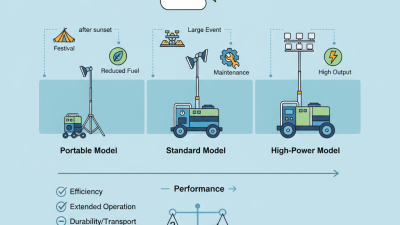
Benefits of Using Electric Light Towers for Construction
This chart illustrates the key environmental benefits of using electric light towers for construction compared to traditional light towers, highlighting reduced carbon footprint, lower energy consumption, and extended operation hours.
Versatility and Mobility of Electric Light Towers for Diverse Projects
Electric light towers have become essential tools in construction, offering unparalleled versatility and mobility. These light sources are especially beneficial for projects in remote locations or sites without ready access to electricity. According to a report from the International Association of Lighting Designers, construction sites utilizing portable light towers can improve productivity by up to 30%.
When choosing an electric light tower, consider the specific needs of your project. Look for models that are lightweight and easy to transport. They can be set up quickly, which reduces downtime. Tip: Always assess the lighting requirements based on the task at hand to ensure optimal visibility.
Furthermore, electric light towers are adaptable to various weather conditions. Many models are designed to withstand high winds and rain, ensuring reliable performance. However, it’s crucial to regularly check for wear and tear. Not all towers perform equally in harsh environments. Tip: Evaluate your equipment after each use to maintain safety and functionality.