Top 10 Diesel Light Towers for Global Buyers in 2026?
As the demand for efficient and reliable illumination solutions continues to grow worldwide, the relevance of Diesel Light Towers cannot be overlooked. According to a recent industry report by Research and Markets, the global light tower market is projected to expand at a CAGR of 5.2% through 2026. This highlights the increasing need for portable lighting in various sectors, including construction, mining, and outdoor events. Diesel Light Towers stand out due to their robust performance, fuel efficiency, and ease of transport.
Durability is a key factor when selecting a Diesel Light Tower. Many models today offer powerful LED lights that provide bright illumination for extended periods. However, buyers often face challenges in securing the right unit. Cost, operational efficiency, and maintenance are essential criteria that influence purchasing decisions. Furthermore, environmental regulations impact the design and operation of these machines, making it imperative for manufacturers to innovate continuously.
While Diesel Light Towers showcase impressive features, some models may fall short in adaptability. Additionally, the reliance on diesel fuel raises questions about sustainability. As the industry progresses, buyers must consider these evolving aspects. Ultimately, understanding the finer details of Diesel Light Towers will guide informed decisions in this competitive market.
Overview of Diesel Light Towers: Key Features and Benefits
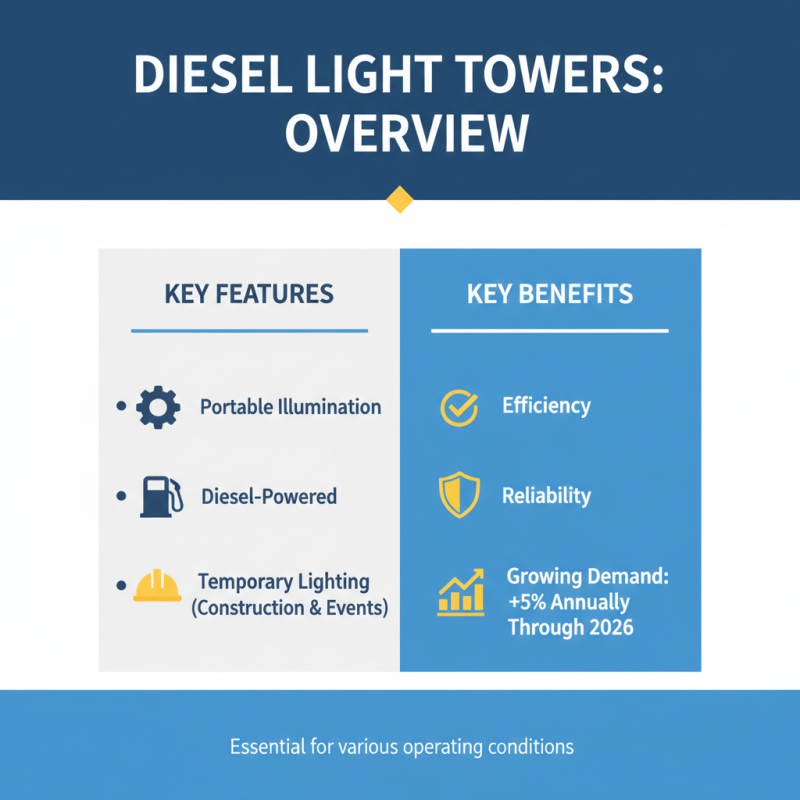
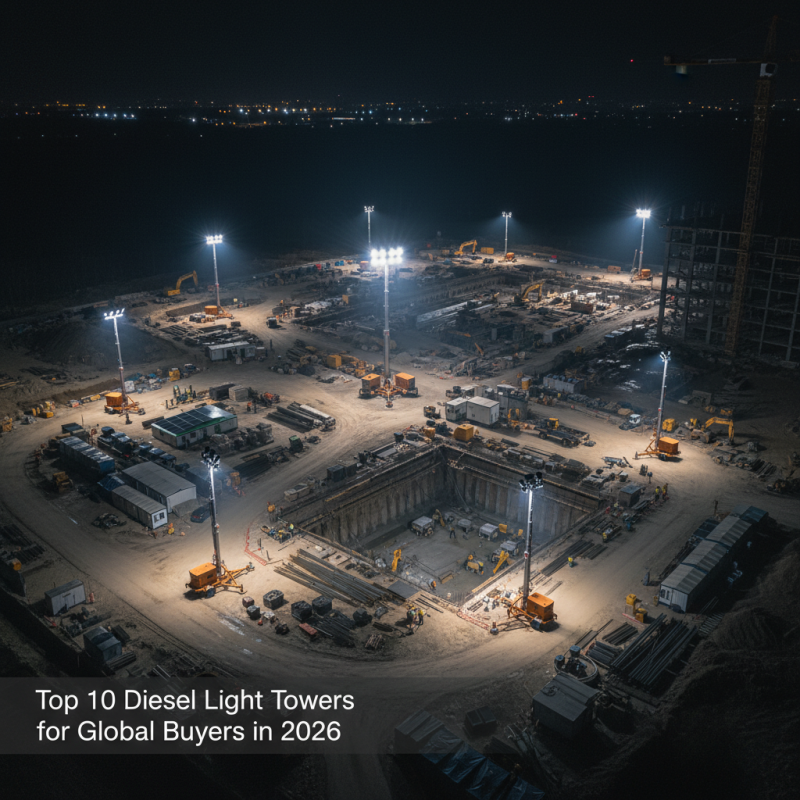
Diesel light towers are essential for temporary lighting in construction sites and events. They provide portable illumination using diesel fuel. A recent industry report indicates that demand for these towers will increase by 5% annually through 2026. Such growth is driven by their efficiency and reliability in various operating conditions.
Key features include high lumen output and long run times. Most models can emit over 100,000 lumens. They operate for up to 60 hours on a single tank of diesel. This capability is critical for nighttime operations where visibility is crucial. Additionally, the rugged design enables them to withstand harsh weather.
However, there are challenges. Diesel towers can be noisy, which may not be suitable for residential areas. They also produce emissions, raising environmental concerns. Buyers should weigh these factors against their lighting needs. Balancing efficiency and sustainability is becoming more crucial for clients.
Market Trends Influencing Diesel Light Tower Demand in 2026
As we look ahead to 2026, several key market trends are shaping the demand for diesel light towers. The construction industry is one of the primary sectors driving this demand. Many projects require consistent and reliable light sources for safety and productivity.
Additionally, events and outdoor activities are becoming more reliant on portable lighting solutions. This trend emphasizes the need for efficient and durable light towers that can operate in various conditions.
Environmental concerns are also influencing purchase decisions. Buyers are increasingly prioritizing energy efficiency and lower emissions. This shift results in a push for advanced technology, including hybrid and more eco-friendly diesel solutions. Moreover, regulations are evolving. Companies must comply with stringent emissions standards, affecting product design and functionality.
However, consumers often face challenges in understanding these emerging technologies. Misinformation can lead to hesitant purchasing decisions. Further education is needed to help buyers make informed choices. It is crucial to balance sustainability with performance and cost. As the market evolves, understanding these dynamics will be vital for buyers in the diesel light tower sector.
Top Manufacturers of Diesel Light Towers: A Comparative Analysis
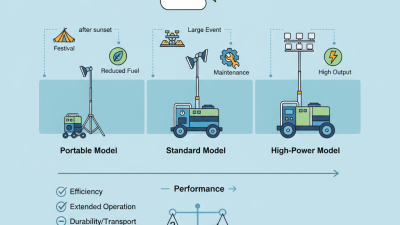
In the ever-evolving market of diesel light towers, manufacturers are striving to meet the demands of global buyers. Understanding the core features of these products is essential. Key attributes include durability, energy efficiency, and brightness. The right choice can enhance outdoor operations, construction sites, or events. Buyers must consider power output and fuel efficiency. These factors directly impact operational costs and performance longevity.
Manufacturers are making strides in innovative technologies. Many are focusing on reducing emissions, aligning with global sustainability goals. This shift responds to increasing environmental regulations. However, some manufacturers still fall short in reliability under extreme conditions. Research shows that users often prioritize usability features like mobility and setup time. Yet, not all offerings in the market deliver on these fronts, highlighting the importance of thorough evaluation before purchase.
Such complexities lead buyers to seek expert advice and conduct comparative analyses. These processes build trust in product choices. Community feedback can reveal strengths and weaknesses. Industry professionals recommend engaging with multiple resources to gauge performance metrics, fueling informed purchasing decisions. More data-driven insights could help in identifying the most suitable options tailored for specific needs.
Top 10 Diesel Light Towers for Global Buyers in 2026
Evaluation Criteria for Selecting the Best Diesel Light Towers
When selecting diesel light towers, buyers should focus on several key criteria. The performance of the tower is paramount. Look for factors such as brightness level, fuel efficiency, and runtime. High-quality towers often provide luminous outputs that last through the night.
Durability also matters. Construction sites and outdoor events can be harsh environments. Choosing robust materials and designs will ensure longevity and reliability. Some units may look sturdy, but superficial assessments can lead to poor choices.
Tip: Always check for user reviews. Real-world experiences will highlight strengths and weaknesses you may overlook. Additionally, consider portability. Towers that are easy to transport save time and effort during setup.
Efficiency in fuel consumption is another crucial aspect. Analyze the tower's performance against its fuel usage. As prices fluctuate, choosing a model that maximizes output while minimizing consumption can lead to significant savings. However, be wary of models that promise high efficiency but lack substantial evidence to back their claims.
Tip: Conduct research from trusted sources. This ensures that the information is accurate and relevant. Ultimately, the right diesel light tower will balance performance, durability, and efficiency to meet your needs. Choices made without thorough investigation can lead to regrets later.
Future Innovations in Diesel Light Tower Technology for Buyers
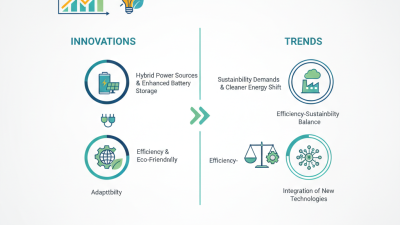
The future of diesel light tower technology is evolving rapidly. Upcoming innovations focus on efficiency and sustainability. Enhanced fuel management systems will reduce emissions while maximizing output. New designs incorporate LED technology, providing powerful lighting with lower energy consumption. This shift not only benefits the environment but also reduces operational costs.
Moreover, remote monitoring capabilities are gaining traction. Users can now track performance in real-time via smartphone applications. This feature boosts reliability and ensures that units are always operational. Maintenance schedules can become more predictive, minimizing downtime. However, integrating such technologies can pose challenges. User interface design needs to be intuitive, and training may be required.
Developments in hybrid models are also on the rise. These combine diesel power with alternative energy sources like solar. Such solutions offer versatility and further reduce dependence on fossil fuels. Effective implementation remains an area for improvement. Balancing power output with battery life is critical. As the industry moves forward, the focus will be on innovative solutions that adapt to market needs while being practical and economical.
Top 10 Diesel Light Towers for Global Buyers in 2026
| Model |
Power Output (kW) |
Fuel Capacity (liters) |
Tower Height (m) |
Runtime (hours) |
Light Output (lumens) |
Weight (kg) |
| Model A |
10 |
100 |
6 |
50 |
120000 |
150 |
| Model B |
12 |
120 |
7 |
60 |
150000 |
160 |
| Model C |
8 |
80 |
5 |
40 |
100000 |
140 |
| Model D |
15 |
110 |
8 |
70 |
200000 |
180 |
| Model E |
14 |
90 |
6.5 |
55 |
175000 |
170 |
| Model F |
11 |
100 |
7.5 |
65 |
130000 |
155 |
| Model G |
13 |
95 |
6.8 |
58 |
155000 |
165 |
| Model H |
9 |
85 |
5 |
45 |
110000 |
145 |
| Model I |
10 |
80 |
6 |
50 |
120000 |
150 |
| Model J |
14 |
90 |
7 |
60 |
175000 |
170 |