Top Benefits of Wind Turbines for Global Buyers?
As the demand for sustainable energy rises, wind turbines are gaining traction globally. Renowned industry expert Dr. Emma Green once stated, "Wind turbines are not just machines; they are symbols of a cleaner future." This sentiment reflects the vital role that wind energy plays in the transition to greener alternatives.
Wind turbines harness the natural power of the wind. They generate clean energy, reducing reliance on fossil fuels. For global buyers, investing in wind turbines presents numerous advantages. These include decreasing operational costs and long-term sustainability. Moreover, wind turbines contribute to energy independence and offer job opportunities in local communities.
However, the adoption of wind turbine technology is not without challenges. Initial investment costs can be high. Not all locations are suitable for wind farms. These factors should be carefully considered. Addressing these concerns is crucial for maximizing the benefits of wind turbines in a globally shifting energy landscape.
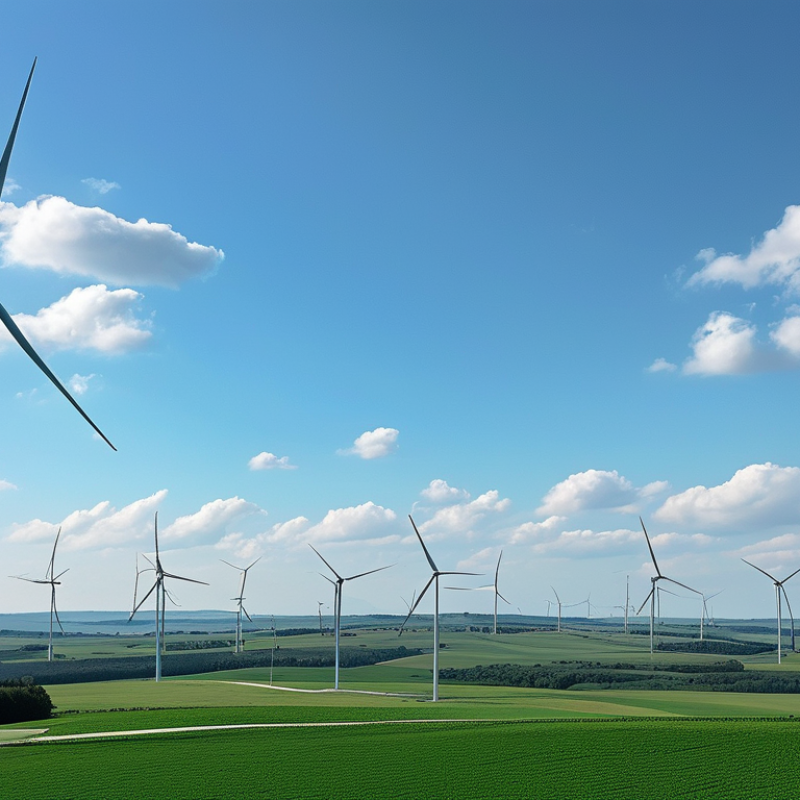
Advantages of Wind Turbines in Reducing Carbon Footprint
Wind turbines represent a powerful solution in the fight against climate change. According to the Global Wind Energy Council, wind energy can potentially prevent over
1.1 billion tons of CO2 emissions annually. This figure highlights the significant impact of transitioning to renewable sources on a global scale.
As more countries adopt wind energy, the reduction of carbon footprints becomes increasingly evident.
The efficiency of wind turbines has improved dramatically. Modern turbines can operate at nearly
50% efficiency, compared to earlier designs that only reached about 30%. This advancement means that less land is needed for wind farms, allowing for better land management.
Furthermore, the National Renewable Energy Laboratory indicates that offshore wind power could generate
18 times more electricity than the current U.S. demand. Such statistics provide a clear picture of the potential for large-scale emission reductions.
Despite these benefits, the integration of wind turbines is not without challenges. Some regions face resistance due to land-use conflicts and visual impacts. These concerns must be addressed through
careful planning and community engagement. Balancing environmental benefits with local needs requires ongoing dialogue and innovative solutions. Wind energy clearly plays a vital role, but it’s essential to navigate the complexities involved.
Economic Benefits of Wind Energy for Global Markets
Wind energy is becoming a vital component of global markets. It offers significant economic benefits that attract buyers worldwide. Wind turbines create clean energy, reducing reliance on fossil fuels. This transition helps drive down energy costs over time. Many countries are embracing wind energy to stimulate job creation in manufacturing, installation, and maintenance sectors.
Investing in wind projects can yield substantial returns. Governments often provide incentives for wind energy investments. Such policies encourage more businesses to explore renewable options. Transitioning to wind energy strengthens energy security by diversifying supply sources. The continued growth of this industry is essential for sustainable development.
Tips: Consider the environmental impact of wind energy. Engage in local discussions about wind project implementations. It’s important to assess the suitability of specific locations for wind turbines. This reflection is key to maximizing both economic and ecological benefits. Wind energy is not without challenges, like land use and wildlife concerns. These issues require careful planning and community involvement. Addressing them can lead to a balanced approach benefiting all stakeholders.
Long-term Cost Savings Associated with Wind Energy Investment
Investing in wind energy offers significant long-term cost savings, appealing to global buyers. A report by the International Renewable Energy Agency (IRENA) indicates that the levelized cost of wind energy dropped by 49% between 2010 and 2019. This trend reflects advancements in technology and manufacturing efficiency. As projects scale, costs continue to decrease, enhancing the economic viability of wind installations.
Operational costs for wind turbines are relatively low. According to the U.S. Department of Energy, ongoing maintenance typically represents around 20% of the overall operational budget. Many wind farms achieve high operational efficiency for over 20 years, allowing for extended returns on initial investments.
However, challenges in the system persist. Some regions face inconsistent wind patterns, which can affect energy output. Grid integration remains critical, as the demand for reliable energy fluctuates. Not all buyers can seamlessly transition to renewable sources, especially in established energy markets. Understanding the local infrastructure and regulatory environment is essential when considering wind investments.
Job Creation and Local Economic Growth from Wind Turbine Projects
Wind turbine projects can significantly boost local economies. They create a variety of jobs, from construction to maintenance. During construction, workers are needed for site preparation and equipment installation. Once operational, technicians manage ongoing maintenance. These roles often offer competitive wages, benefiting local workers.
Moreover, wind farms can stimulate secondary job creation. Local businesses, such as restaurants and supply shops, may thrive with increased foot traffic. This ripple effect can enhance community services and infrastructure. Many areas experience an influx of skilled professionals, fostering knowledge exchange.
Tip: Engage with local communities early. Gaining their support ensures smoother project implementation.
Long-term, wind energy instigates sustainable economic growth. Savings on energy costs can lead to more investment in local enterprises. However, communities must balance growth with environmental impact. Understanding both benefits and challenges is crucial.
Tip: Regularly assess the ecological effects of wind projects. This will help maintain community trust and ensure a sustainable future.
Technological Innovations Enhancing Wind Turbine Efficiency and Performance
Wind energy is rapidly evolving. Innovations in turbine technology are pivotal for improving efficiency and performance. Recent reports show that modern wind turbines can now convert over 50% of wind energy into electricity. This advancement represents a significant rise from just 30% a decade ago.
Aerodynamic designs play a key role. Innovations such as advanced blade shapes and materials have enhanced lift-to-drag ratios. As a result, turbines can harness wind energy more effectively. Research indicates that these improvements have led to a 20% increase in annual energy production for many installations. Digital modeling and simulations also help engineers optimize designs before production.
Tip: Regular maintenance checks can help maintain performance. Small repairs can prevent bigger issues down the line. Understanding your turbine's technology will allow for better decision-making.
Moreover, smart technology integration is changing the game. Sensors and data analytics provide real-time insights into turbine performance. This information helps in predicting failures and optimizing operations. A recent industry survey revealed that turbines equipped with smart technology can enhance performance by an additional 10%. However, high initial costs can deter some buyers.
Tip: Consider long-term savings and efficiency gains when evaluating investments. Investing in technology now may prevent higher costs in the future.