2026 Top Mobile Solar Light Tower Buying Guide for Exporters?
In a world increasingly focused on sustainability, the Mobile Solar Light Tower market is rapidly evolving. Experts like Sarah Thompson, a leading authority in renewable energy solutions, emphasize, “Mobile Solar Light Towers are the future of portable lighting.” As exporters, understanding the nuances of this market is crucial.
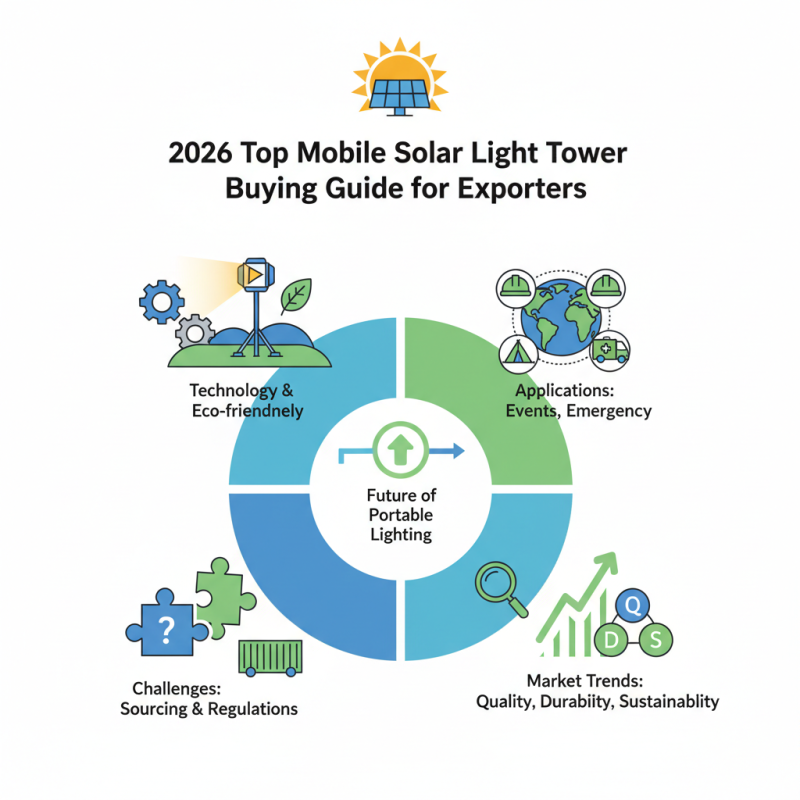
These towers are not just efficient; they represent a convergence of technology and eco-friendliness. Designed for various applications, they are vital in construction, events, and emergency situations. However, exporters face challenges in sourcing quality products and aligning with international regulations.
As demand surges, it’s essential to navigate the landscape carefully. While there are numerous options available, finding a reliable supplier can be tricky. The industry needs to continuously reflect on its practices. Quality, durability, and sustainability should be prioritized. Keeping an eye on market trends ensures you remain competitive.
Overview of Mobile Solar Light Towers: Features and Benefits
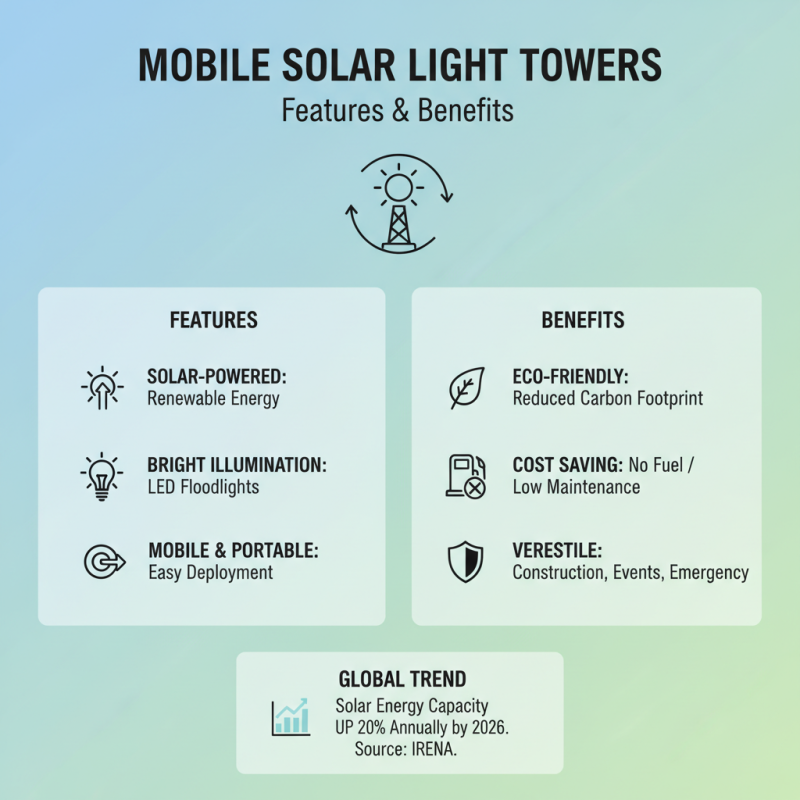
Mobile solar light towers are vital for various outdoor applications. They provide illumination for construction sites, events, and emergency situations. The integration of solar power reduces reliance on fossil fuels, offering an eco-friendly solution. According to the International Renewable Energy Agency (IRENA), solar energy capacity has grown significantly, with a projected annual increase of 20% by 2026. This trend showcases the growing acceptance of renewable technologies.
These towers typically feature solar panels, energy storage systems, and LED lights. The use of LED technology boosts efficiency and longevity, providing up to 50,000 hours of light. Many models offer adjustable heights and mobility features. This flexibility is crucial for reaching diverse lighting needs. However, the upfront investment can be high, and performance may vary in low-sun conditions. Exporters must weigh these factors carefully.
In addition, ongoing maintenance is essential. Dust and debris can obscure solar panels, reducing efficiency. Regular cleaning is necessary to maintain optimal output. The constant evolution of technology means that staying updated is crucial for exporters. Changes in components and materials can impact long-term performance and reliability. Adapting to these factors is a challenge but presents opportunities for industry growth.
Key Factors to Consider When Purchasing Mobile Solar Light Towers
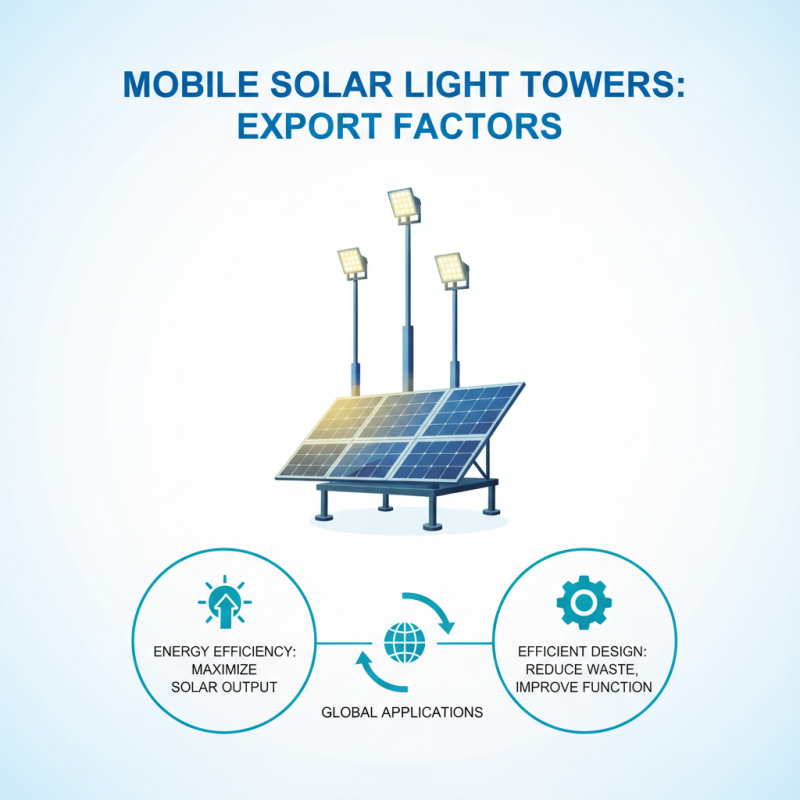
When considering mobile solar light towers for export, several key factors come into play. The primary aspect is energy efficiency. Look for models that maximize solar panel output relative to their size. Efficient designs reduce energy waste and improve overall functionality, making them ideal for diverse applications.
Durability also plays a significant role. A mobile solar light tower must withstand harsh weather conditions. Examine materials used in construction. High-quality components extend the lifespan of the equipment. Moreover, portability is crucial. Models that are easy to transport can save time and reduce labor costs during relocation.
Next, assess the ease of use. Some models feature complex setups, which can be frustrating, especially in urgent situations. Aim for straightforward designs that allow quick deployment. Lastly, consider the cost-effectiveness of maintenance. Frequent repairs can lead to significant expenses. Therefore, select a model that limits long-term costs while still meeting performance needs. Investing time in detailed research can prevent costly mistakes and enhance operational efficiency.
Top Brands and Models for Mobile Solar Light Towers in 2026
When considering mobile solar light towers for export in 2026, it's essential to recognize the top brands and models dominating the market. The industry is witnessing significant growth, driven by an increasing demand for sustainable and portable lighting solutions. According to a recent report by ResearchAndMarkets, the global mobile solar lighting market is projected to reach $2.7 billion by 2026, growing at a CAGR of 15% from 2021. This data highlights the shift towards renewable energy sources in various sectors, including construction and event management.
In the competitive landscape of mobile solar light towers, specific features stand out. Many models now offer advanced solar panel efficiency, with some reaching over 23%. Battery life is another critical factor, with leading models providing up to 72 hours of continuous light. However, buyers should also consider the ease of transport and setup. Some brands have downsized their models for better portability, but this often sacrifices stability and brightness. Balancing these aspects can be challenging for exporters aiming to meet diverse client needs while ensuring quality.
While top brands often set industry benchmarks, emergent technologies offer promising alternatives. Innovations like integrated motion sensors and smart controls are becoming more common. However, these features can lead to higher initial investments, making it crucial for exporters to weigh cost against functionality. Understanding market trends and consumer preferences will be vital for making informed purchasing decisions that align with the future direction of mobile solar light towers.
Export Regulations and Compliance for Mobile Solar Light Towers
Exporting mobile solar light towers requires a deep understanding of regulations and compliance. In many regions, specific certifications are essential. For instance, the International Electrotechnical Commission (IEC) sets standards for solar-related technologies. Ensuring products meet these standards can significantly impact export success.
Data from the Solar Industry Association reveals that the global market for mobile solar lighting solutions is projected to grow at a CAGR of 20% from 2023 to 2028. This growth necessitates strict adherence to export regulations. Importing countries may have unique safety and performance requirements. Failure to comply can lead to costly delays or fines.
Navigating these regulations can be challenging. Requirements often differ based on region. Exporters must stay informed about changes in compliance laws. Engaging with local regulatory bodies can provide insights. Continuous education on these matters can mitigate risks and enhance market entry strategies.
2026 Top Mobile Solar Light Tower Buying Guide for Exporters
| Feature |
Details |
| Power Output |
300W - 1500W |
| Battery Capacity |
100Ah - 500Ah |
| Light Type |
LED |
| Duration of Use |
Up to 12 hours on full charge |
| Mobility |
Trailer-mounted or portable models |
| Compliance Standards |
IEC, CE, UL |
| Export Regulations |
Check local laws, customs requirements |
| Warranty Period |
1 - 3 years |
Maintenance and Support for Mobile Solar Light Towers in Export Markets
When exporting mobile solar light towers, maintenance and support play crucial roles in achieving success. Exporters must prioritize these elements to ensure customer satisfaction. Regular maintenance checks can enhance performance and extend the product's lifespan. Lack of upkeep can lead to operational failures, causing frustration for users.
Offering strong customer support is essential. It reassures clients that assistance is readily available when needed. It is wise to provide accessible troubleshooting guides and online resources. In some cases, having local technicians can dramatically improve response times and customer trust.
Investing in user training also pays off. Educated users can manage basic maintenance tasks effectively. This reduces reliance on support services and empowers customers. However, not all users will grasp the technical aspects immediately. Therefore, follow-up assistance becomes key to ensuring they feel confident in using the equipment. Continual support is essential for fostering long-term relationships and achieving export success.