2026 How to Choose the Best Gasoline Generators for Your Needs?
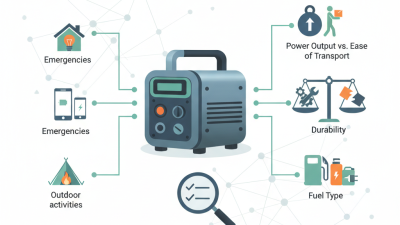
Choosing the right gasoline generators for your needs can be crucial. These devices offer reliable power, whether for home use or outdoor activities. Gasoline generators come in various sizes and capabilities, making it essential to understand your specific requirements before purchasing.
When evaluating different models, consider factors like fuel efficiency and noise levels. Some generators are quieter than others, which can be important for residential areas. Look for those with good reviews and solid warranties. This can enhance reliability and ensure you make a sound investment.
It’s also vital to think about the generator's portability. Weight and design matter if you plan to use it for camping or on job sites. While many options exist, not all will meet your needs perfectly. Research and reflect on what your power needs truly are before settling on a model.
Understanding Your Power Needs: Key Considerations for Generators
When choosing a gasoline generator, understanding your power needs is crucial. Start by calculating the total wattage required by your appliances. This includes both running and starting watts. For instance, a refrigerator may require 800 watts to run, but it could need 1,200 watts to start. According to the U.S. Department of Energy, the average household consumes about 877 kWh per month. This translates to an estimated 29 kWh daily, which informs your generator size.
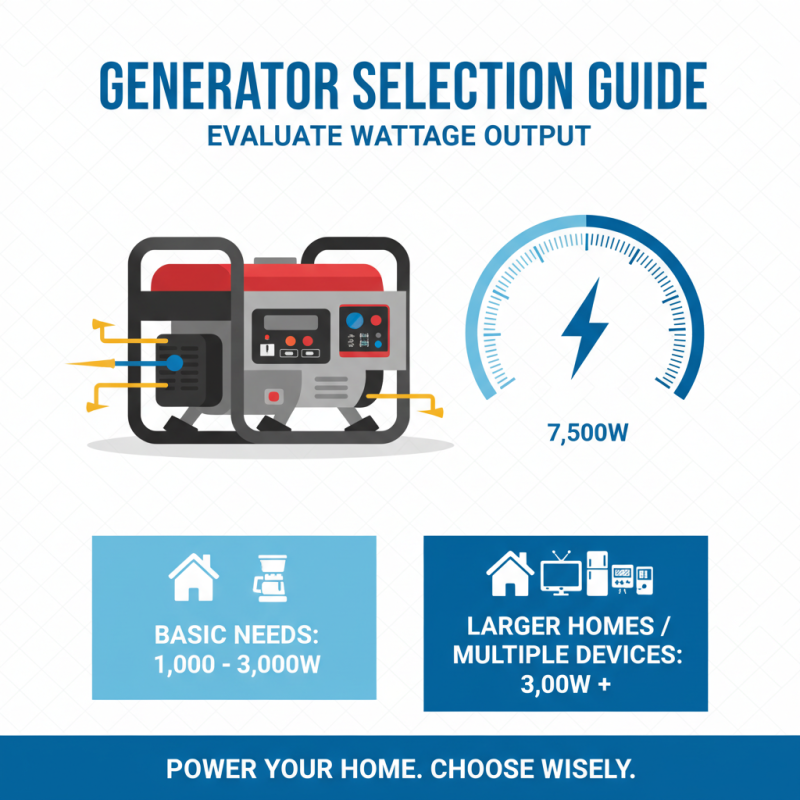
Consider the generator's output and how it aligns with your needs. A small generator (1,000 to 2,000 watts) might suffice for basic essentials during a short outage. However, if you plan to power larger appliances or multiple devices, a generator in the 3,000 to 5,000 watt range is more appropriate. Industry reports suggest that around 50% of users struggle with power management during emergencies due to inadequate understanding of their needs.
Additionally, think about portability, noise level, and fuel efficiency. Light-duty generators tend to be quieter but may lack the output needed for heavier tasks. Fuel consumption can vary widely, impacting both operational costs and usage duration. Some generators run for eight hours at half load, while others may last only a few hours. The right choice hinges on balancing these factors effectively, which often requires further reflection on individual requirements.
Types of Gasoline Generators: Portable vs. Standby Options
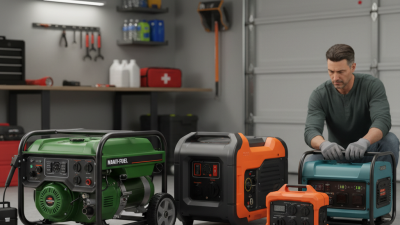
Choosing the right gasoline generator is crucial for your needs. You must first understand the two main types available: portable and standby generators. Portable generators are lighter and can be moved easily. They provide flexibility for various situations, such as camping or job sites. Their fuel efficiency can also be appealing for short-term use. However, they may not always provide enough power for larger appliances.
On the other hand, standby generators offer a more permanent solution. They connect directly to your home’s electrical system. This allows for an automatic power supply during outages. Standby generators typically have a higher output capacity. They can run larger appliances, which is essential during emergencies. However, installation can be complex and costly. You may need professional help to set it up properly.
Both options have unique benefits and drawbacks. Portable generators can be great for occasional use, but they require manual setup. Standby models offer convenience but come with higher expenses. Reflect on your specific needs, and weigh the pros and cons carefully. It’s important to choose a generator that fits your lifestyle.
Comparison of Portable and Standby Gasoline Generators Based on Power Output
Important Features to Evaluate When Selecting a Generator
When selecting a gasoline generator, several key features deserve careful evaluation. First, consider the generator's wattage output. This determines how many devices you can run simultaneously. According to industry reports, a typical generator produces between 1,000 and 7,500 watts. For basic appliances, a generator at the lower end of this range may suffice, but for larger homes or multiple devices, you’ll need one that provides ample power.
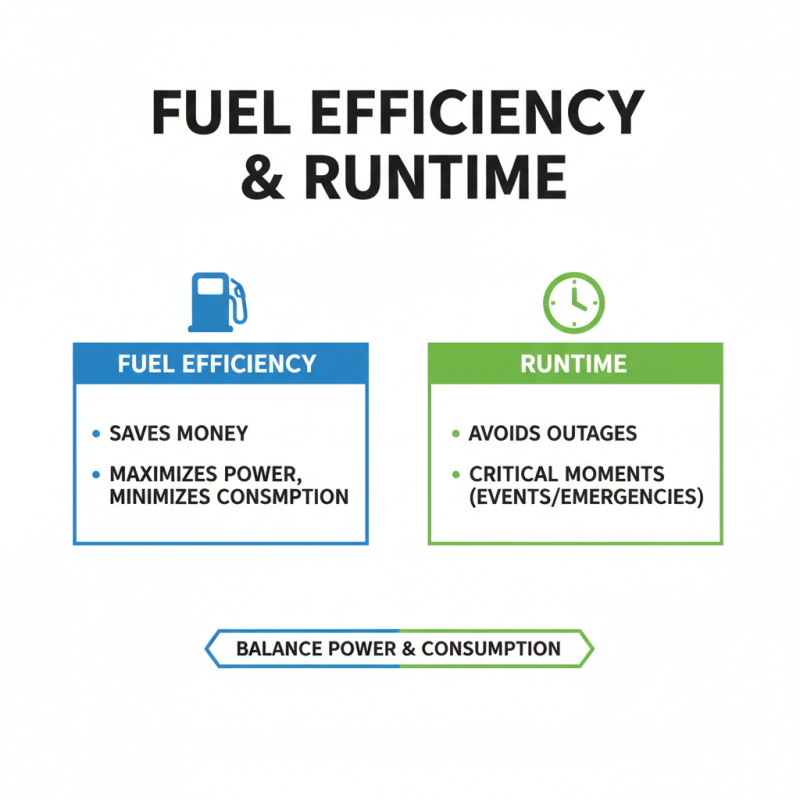
Next, assess the generator’s fuel efficiency. Units that run longer on less fuel not only save money but also reduce environmental impact. Data shows that models with advanced fuel systems can operate for approximately 10-12 hours on a full tank. This efficiency means fewer refuels, giving you more time without interruption.
Portability is another essential feature. A generator should be easy to transport and store. Look for units with integrated wheels or lightweight designs. Noise level can also be a deciding factor. Some generators produce less than 60 decibels, making them suitable for residential areas. This is crucial if you want to minimize disturbance to your neighbors. In conclusion, factoring in power capacity, fuel efficiency, portability, and noise levels will guide you toward a generator that meets your specific needs.
Safety Features and Maintenance Tips for Reliable Generator Usage
When choosing a gasoline generator, prioritizing safety features is crucial. Many generators come equipped with automatic shut-off systems. These systems engage when oil levels are low, preventing damage to the engine. According to industry reports, nearly 30% of generator failures stem from inadequate oil levels. Regular checks can mitigate these risks.
In addition to automatic shut-off, look for carbon monoxide (CO) detectors. These detectors can alert users to dangerous gas levels. Statistics indicate that CO poisoning from generators causes numerous fatalities each year. Ensuring your generator includes this feature can prevent such tragedies.
Maintenance is key to reliable generator usage. Regularly replacing air filters boosts efficiency and prolongs lifespan. A clean air filter can improve fuel efficiency by up to 15%. Neglecting maintenance increases the risk of unexpected breakdowns. Many owners overlook inspection schedules and end up frustrated with performance issues. Establishing a routine can make a significant difference in reliability.
2026 How to Choose the Best Gasoline Generators for Your Needs? - Safety Features and Maintenance Tips for Reliable Generator Usage
| Feature |
Description |
Maintenance Tips |
Safety Features |
| Power Output |
Measured in watts, ensures you choose a generator that meets your power needs. |
Regularly check oil levels and keep the generator clean. |
Low-oil shutoff feature prevents engine damage. |
| Run Time |
Indicates how long the generator can run on a full tank. |
Store the generator in a dry place to prevent rust. |
Circuit breaker to protect against overloads. |
| Portability |
Weight and wheel options impact mobility. |
Check tire pressure regularly if applicable. |
Fuel shutoff valve for safe storage. |
| Noise Level |
Measured in decibels (dB), quieter models are preferable. |
Consider sound dampening solutions, if necessary. |
Automatic idle control to decrease noise during low demand. |
| Starting Mechanism |
Pull start vs automatic electric start. |
Test the start mechanism regularly to ensure it functions properly. |
Emergency shutoff for immediate response. |