

Mobile Lighting Trailer Supplier
Will the Solar Surveillance Trailer still light up if the panels are blocked?
Solar Surveillance Trailer: Illumination Amidst Shadows
In the realm of security and surveillance, the Solar Surveillance Trailer has emerged as a beacon of innovation and self-sufficiency. Harnessing the power of the sun, these trailers offer a sustainable and mobile solution for monitoring vast expanses of land, construction sites, remote locations, and more. However, a common query that often arises is whether the trailer's lights will still function if its solar panels are obstructed. This blog post delves deep into the intricacies of the Solar Surveillance Trailer's design, functionality, and the impact of solar panel shading on its illumination capabilities.
Understanding the Solar Surveillance Trailer
A Glimpse into the Design
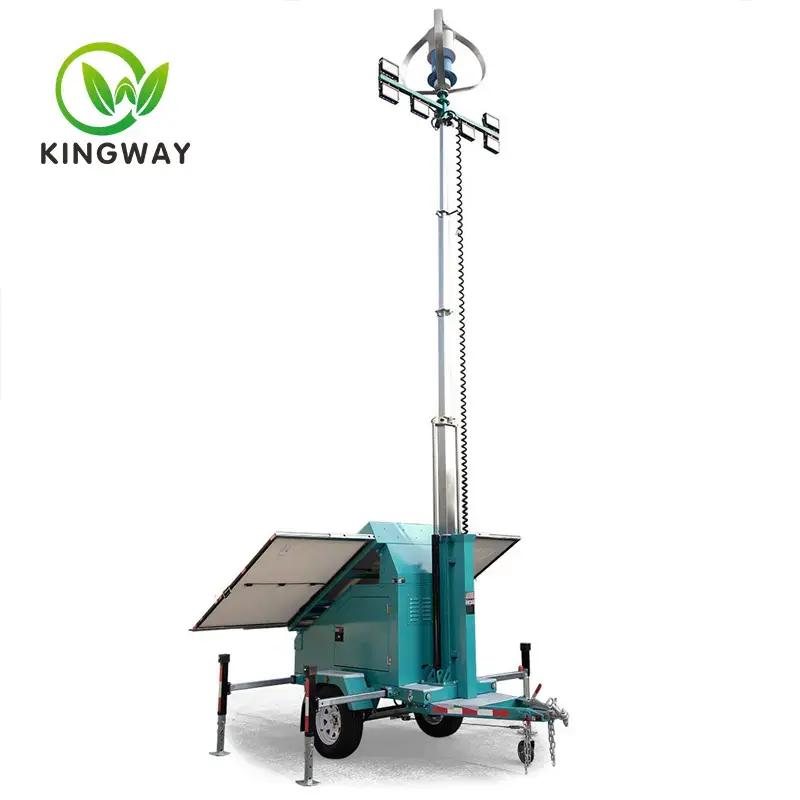
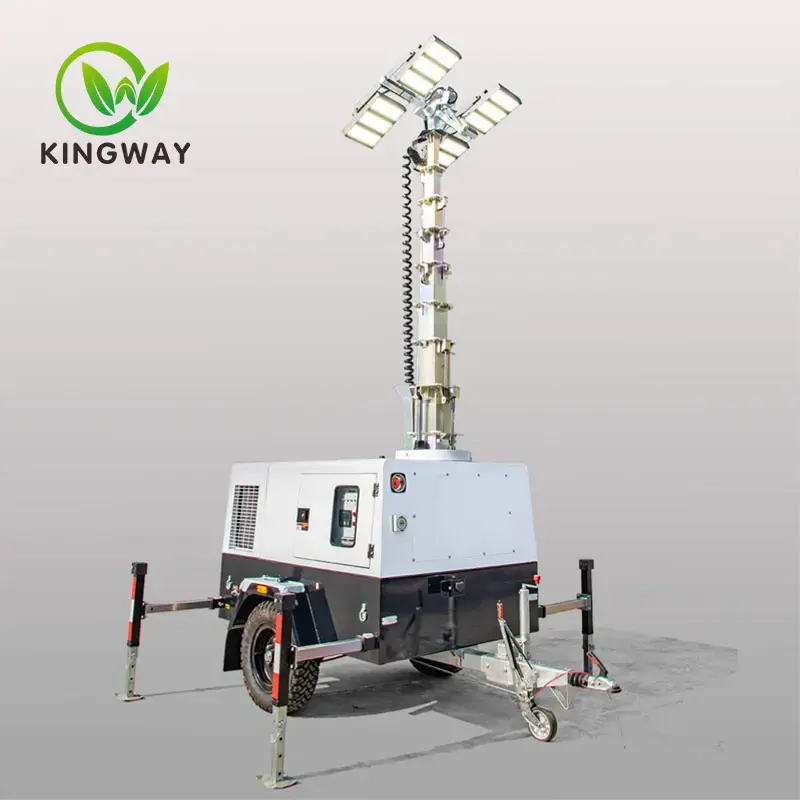
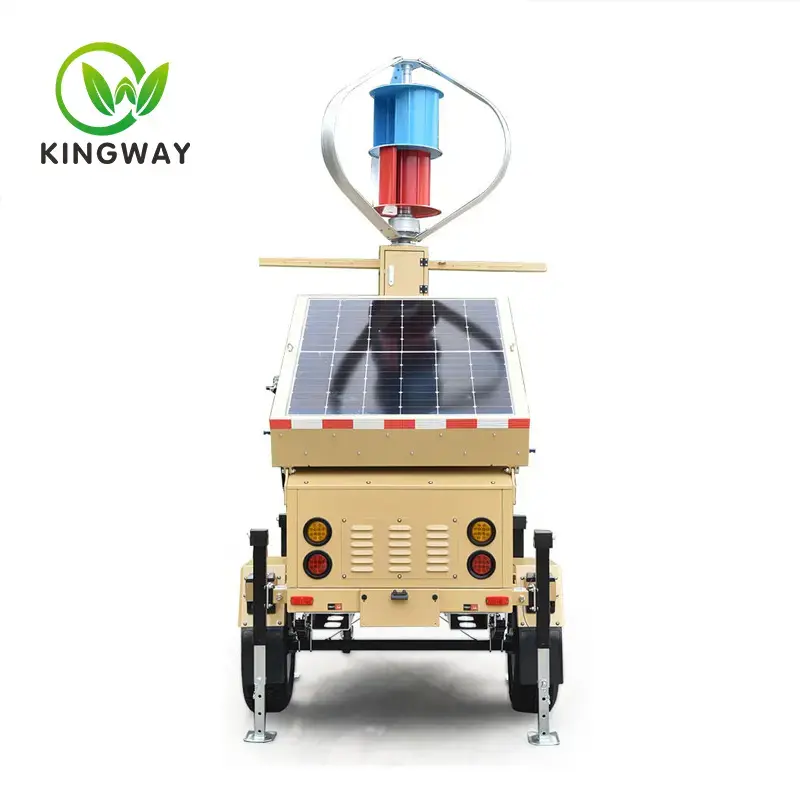
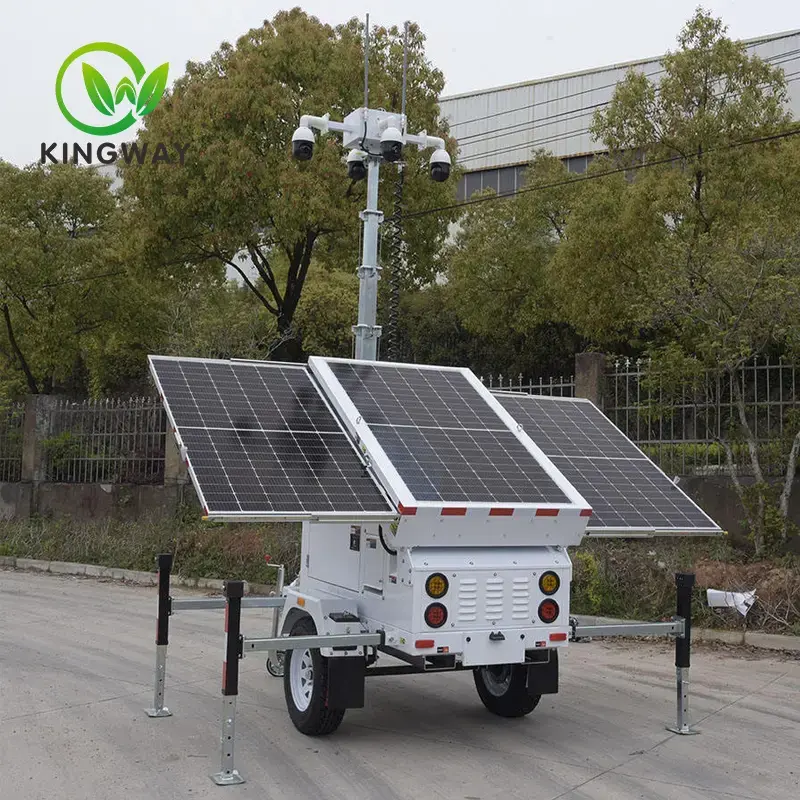
The Solar Surveillance Trailer is a marvel of engineering, designed to combine mobility, durability, and energy efficiency. Typically, it features a robust trailer chassis that can withstand the rigors of outdoor environments. Mounted on this chassis is an array of High-Quality Solar panels, strategically positioned to capture the maximum amount of sunlight throughout the day. These panels are connected to a sophisticated battery system, which stores the harnessed solar energy.
The trailer is also equipped with an array of powerful LED lights, strategically placed to provide 360-degree illumination. These lights are designed to be energy-efficient, ensuring that they can operate for extended periods without draining the battery too quickly. In addition to the lights, the trailer often includes advanced surveillance cameras, motion sensors, and other security equipment, all powered by the solar-generated electricity.
How It Works
During the day, the solar panels absorb sunlight and convert it into electrical energy. This energy is then stored in the batteries. At night or during periods of low light, the stored energy is used to power the lights and other security equipment. The system is designed to be self-sufficient, with the solar panels generating enough energy to keep the trailer operational for several days, even in less than ideal weather conditions.
The trailer's control system is intelligent and adaptive. It monitors the battery levels and adjusts the power consumption of the lights and other equipment accordingly. If the battery levels drop below a certain threshold, the system may dim the lights or reduce the frequency of camera recordings to conserve energy.
The Impact of Solar Panel Obstruction
Immediate Effects
When the solar panels on a Solar Surveillance Trailer are obstructed, the immediate effect is a reduction in the amount of sunlight that can be absorbed and converted into electricity. This can happen due to various reasons such as overhanging branches, dust accumulation, or even intentional obstruction by vandals.
If the obstruction is minor and only a small portion of the solar panel is covered, the impact on energy generation may be negligible. The trailer's solar panels are usually designed with some redundancy, meaning they can still generate a significant amount of power even if a part of the panel is shaded. However, if a large portion of the panel is obstructed, the energy generation will be significantly reduced.
Short-term Consequences
In the short term, the trailer's battery will start to deplete faster than usual. The rate of depletion will depend on the extent of the obstruction and the power consumption of the lights and other equipment. If the obstruction is removed quickly, the trailer may be able to recharge its battery during the next period of sunlight exposure.
However, if the obstruction persists for an extended period, the battery may become depleted to a level where the lights and other equipment may not function optimally. The trailer's control system will kick in to conserve energy, and the lights may dim or turn off intermittently. The surveillance cameras may also reduce their frame rate or resolution to save power.
Long-term Effects
If the solar panels remain obstructed for a long period, it can have more severe consequences for the trailer's functionality. The battery may become deeply discharged, which can reduce its overall lifespan and capacity. Repeated deep discharges can lead to a situation where the battery is no longer able to hold a sufficient charge, rendering the trailer's self-sufficient power system ineffective.
Moreover, the obstruction can also affect the solar panels themselves. Prolonged shading can cause uneven heating of the panels, leading to hot spots and potential damage to the panel's cells. This can further reduce the efficiency of the solar panels and their ability to generate electricity.
Factors Influencing the Trailer's Response to Obstruction
Battery Capacity and Type
The capacity and type of battery used in the Solar Surveillance Trailer play a crucial role in determining how well it can withstand periods of solar panel obstruction. High-capacity batteries can store more energy, providing
a larger buffer against energy shortfalls caused by shading. Additionally, the type of battery used, such as lithium-ion or lead-acid, can also impact its performance and resilience.
Lithium-ion batteries, for example, have a higher energy density and can hold a charge more efficiently than lead-acid batteries. They also have a longer lifespan and are less susceptible to damage from deep discharges. However, they are also more expensive. On the other hand, lead-acid batteries are more affordable but may require more frequent replacement due to their shorter lifespan and lower tolerance for deep discharges.
Energy Management System
The energy management system of the Solar Surveillance Trailer is another critical factor. An advanced system can optimize power consumption and prioritize essential functions, such as the operation of the lights and cameras, even when the battery levels are low. It can also communicate with the solar panels to adjust their output based on the available sunlight and the trailer's power needs.
For instance, if the solar panels are partially obstructed, a smart energy management system can increase the power output from the unobstructed parts of the panel to compensate for the loss. It can also adjust the power consumption of the lights and other equipment in real-time, ensuring that the trailer remains operational for as long as possible.
Weather Conditions
Weather conditions can also influence the trailer's response to solar panel obstruction. In regions with frequent cloudy weather or short daylight hours, the trailer's solar panels may already be operating at a reduced capacity. In such cases, even a minor obstruction can have a more significant impact on energy generation and battery life.
Conversely, in areas with abundant sunlight and long daylight hours, the trailer's solar panels may generate more energy than is consumed, allowing the battery to recharge fully each day. In these conditions, the trailer may be more resilient to short periods of solar panel obstruction.
Mitigating the Effects of Solar Panel Obstruction
Regular Maintenance
One of the most effective ways to mitigate the effects of solar panel obstruction is through regular maintenance. This includes cleaning the solar panels to remove dust and debris, trimming overhanging branches, and inspecting the panels for any signs of damage or wear.
A well-maintained solar panel is more efficient and can generate more electricity, even when partially obstructed. Regular maintenance also helps to identify and address any potential issues before they become severe, ensuring that the trailer remains operational and reliable.
Redundancy and Backup Systems
Incorporating redundancy and backup systems into the Solar Surveillance Trailer's design can also help to mitigate the effects of solar panel obstruction. This can include installing additional solar panels or using a hybrid power system that combines solar power with other energy sources, such as a small generator or a connection to the grid.
A hybrid power system can provide a reliable backup in case the solar panels are obstructed for an extended period. The generator or grid connection can kick in automatically when the battery levels drop below a certain threshold, ensuring that the lights and other equipment remain operational.
Advanced Solar Panel Technologies
Advancements in solar panel technology are also offering new solutions to the problem of solar panel obstruction. Some modern solar panels are designed with micro-inverters or power optimizers, which can optimize the power output of each individual cell within the panel. This means that even if a part of the panel is shaded, the unobstructed cells can still generate electricity efficiently, reducing the overall impact of the obstruction.
Additionally, new solar panel materials and designs are being developed that are more resistant to shading and can generate electricity from diffuse light. These advancements hold promise for the future of Solar Surveillance Trailers, making them even more resilient and reliable in the face of challenges such as solar panel obstruction.
Case Studies and Real-world Examples
Construction Site Surveillance
At a large construction site in a bustling city, a Solar Surveillance Trailer was deployed to monitor the perimeter and deter potential theft and vandalism. The site was surrounded by tall buildings, which cast long shadows over the trailer's solar panels during certain parts of the day. Despite this, the trailer's advanced energy management system and high-capacity batteries ensured that the lights and cameras remained operational throughout the night.
The construction site manager reported that the trailer's presence significantly reduced the incidence of theft and vandalism, saving the project thousands of dollars in potential losses. The regular maintenance of the solar panels and the strategic placement of the trailer to maximize sunlight exposure also played a crucial role in its success.
Remote Agricultural Monitoring
In a remote agricultural area, a Solar Surveillance Trailer was used to monitor a vast expanse of farmland. The trailer's solar panels were occasionally obstructed by dust storms and overhanging tree branches. However, the trailer's robust design and regular maintenance routine ensured that it remained operational, providing valuable data on crop growth, irrigation systems, and potential pest infestations.
The farmer reported that the information provided by the trailer's surveillance system helped to optimize crop yields and reduce the use of pesticides, leading to more sustainable and profitable farming practices. The trailer's ability to withstand periods of solar panel obstruction was a testament to its reliability and effectiveness in a challenging environment.
Conclusion
The Solar Surveillance Trailer is a remarkable innovation in the field of security and surveillance, offering a sustainable and mobile solution that harnesses the power of the sun. While the obstruction of its solar panels can have an impact on its illumination capabilities, the trailer's design, energy management system, and regular maintenance can mitigate these effects.
Through advancements in solar panel technology, the incorporation of redundancy and backup systems, and a commitment to regular maintenance, the Solar Surveillance Trailer can remain a reliable and effective tool for monitoring and securing a wide range of locations. As we look to the future, the continued development of solar power technology and energy storage solutions will only enhance the capabilities and resilience of these remarkable trailers, ensuring that they continue to shine a light on security and surveillance needs around the world.
Whether it's safeguarding a construction site, monitoring a remote agricultural area, or providing security for a large event, the Solar Surveillance Trailer stands as a beacon of innovation and self-sufficiency. And while the question of whether it will still light up when its solar panels are obstructed is a valid one, the answer lies in the trailer's design, technology, and the ongoing efforts to maintain and improve its capabilities. So, the next time you see a Solar Surveillance Trailer standing sentinel in the night, know that it is a testament to human ingenuity and our ability to harness the power of nature to enhance security and safety in our world.