

Mobile Lighting Trailer Supplier
Why can't the diesel generator set radiator dissipate heat normally?
Diesel generator sets (generator sets) are key components in a variety of applications, from providing backup power in residential areas to serving as the primary power source in industrial environments. One of the most important aspects of Diesel Generator set operation is its ability to effectively manage heat. The radiator plays a vital role in this process, dissipating the heat generated by the engine during operation. However, in some cases, the radiator cannot dissipate heat properly, causing the generator to overheat and possibly damage. In this blog, we’ll explore the reasons behind this problem, the effects of insufficient cooling, and solutions to ensure optimal performance from your diesel generator set.
Understand the basic knowledge of diesel generator sets
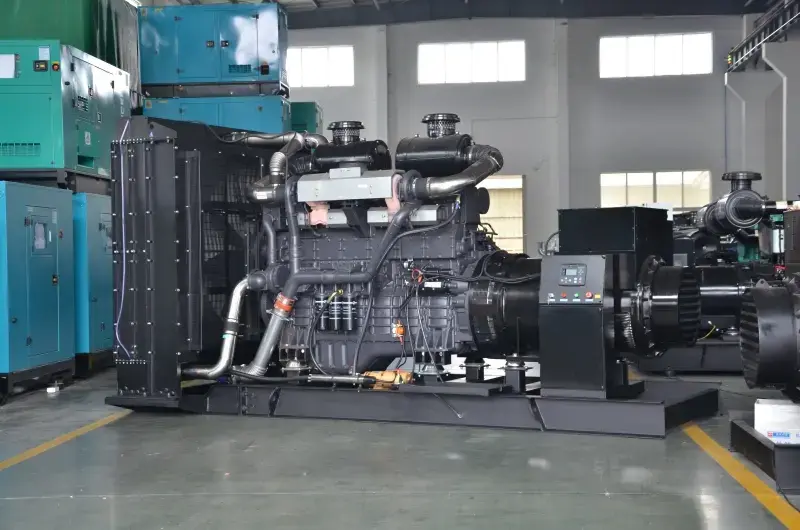
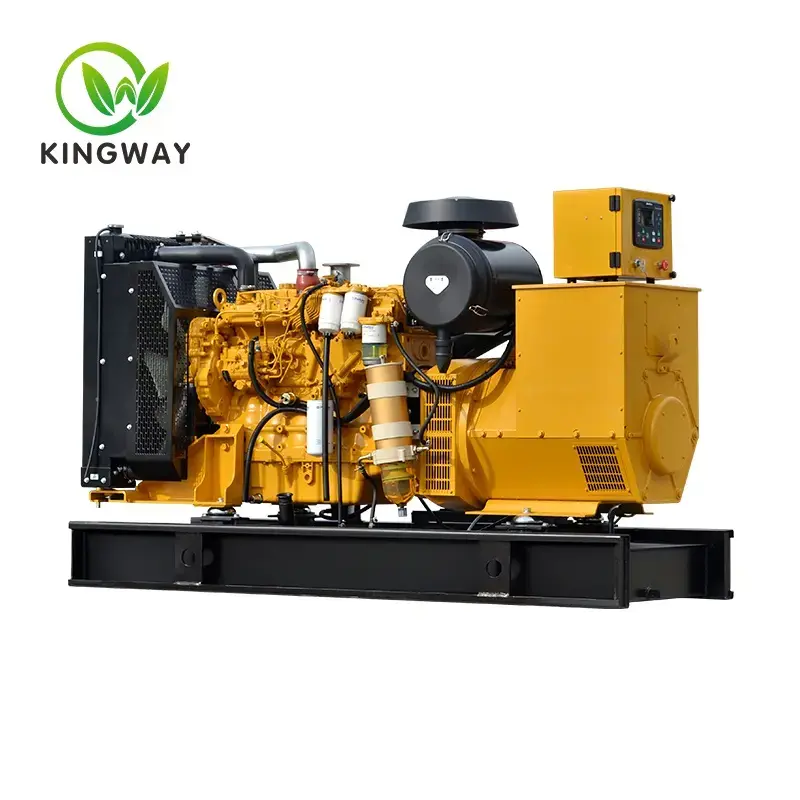
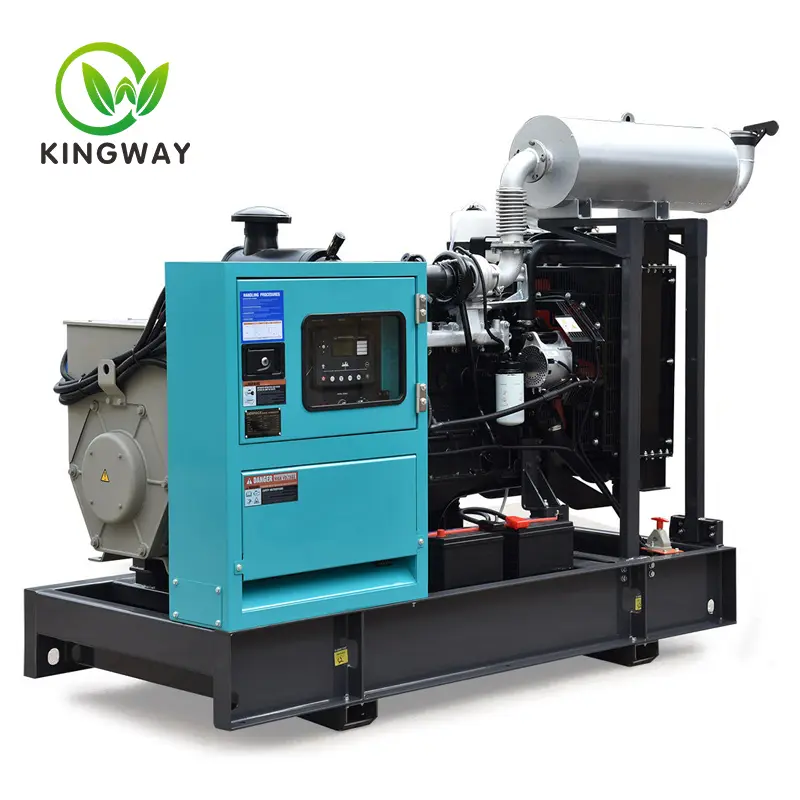
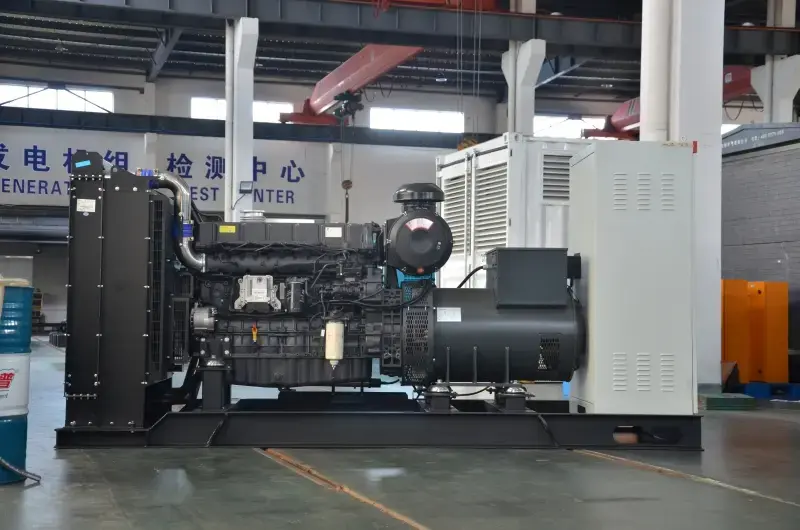
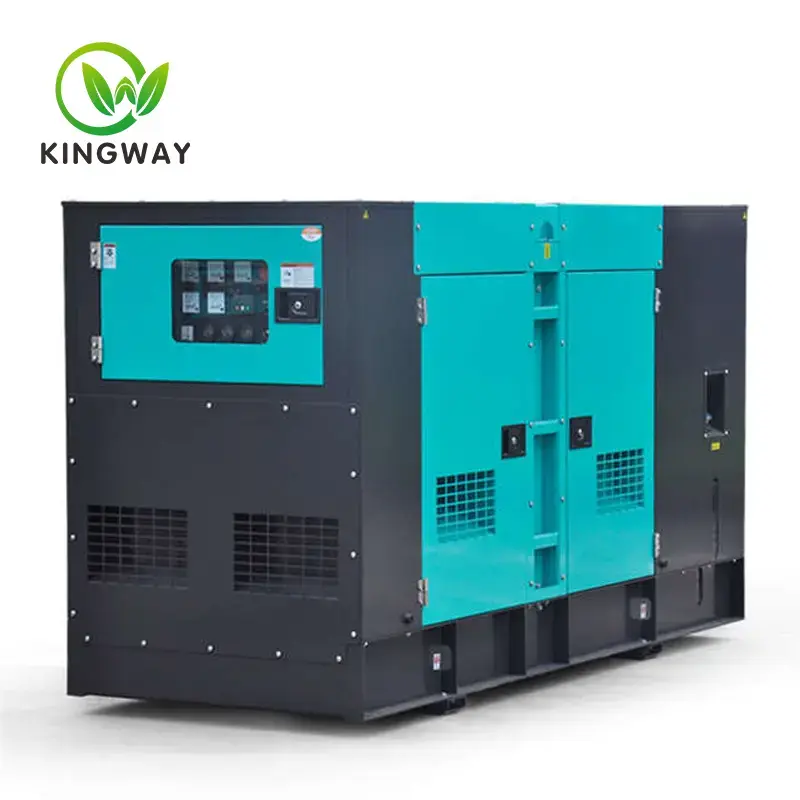
Before delving into the details of radiator cooling, it is necessary to understand how a diesel generator set works. A diesel generator set consists of two main components: the diesel engine and the alternator. The engine converts diesel fuel into mechanical energy, and the alternator converts the mechanical energy into electrical energy. During this process, a large amount of heat is generated, requiring an efficient cooling system to maintain optimal operating temperatures.
The role of radiator
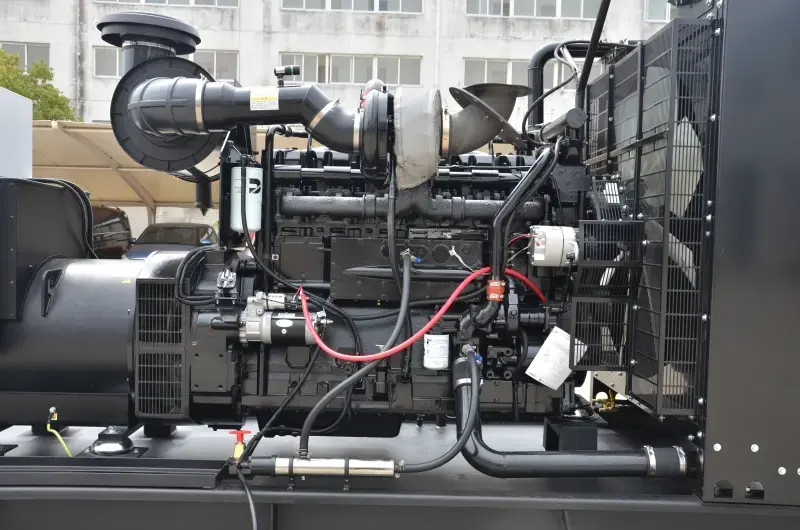
The radiator is an important part of the cooling system of the diesel generator set. It is designed to dissipate heat from the engine coolant, which absorbs heat during engine operation. A radiator works by flowing air over its fins, transferring heat from the coolant to the surrounding air. This process is critical to preventing the engine from overheating, which can cause serious damage and reduce efficiency.
Common causes of poor heat dissipation
Although a heat sink plays a vital role, there are several factors that can hinder its ability to dissipate heat effectively. Understanding these factors is critical to diagnosing and solving diesel generator cooling problems.
1. Radiator fins clogged
One of the most common causes of insufficient cooling is the accumulation of dirt, dust, and debris on the radiator fins. Over time, these contaminants can block airflow and make your radiator less efficient. When airflow is restricted, the heat transfer process is affected, causing engine temperatures to rise.
Solution:
Regular maintenance and cleaning of radiators is essential to prevent clogs. Operators should inspect radiators regularly and use compressed air or a soft brush to remove accumulated dirt and debris.
2. Low coolant level
Coolant plays a vital role in heat transfer within a cooling system. If the coolant level is low due to leaks or evaporation, the radiator will not be able to dissipate heat effectively. Insufficient coolant can cause overheating because there is not enough fluid to absorb and carry away the heat generated by the engine.
Solution:
Check coolant levels regularly and top up as needed. Additionally, check your cooling system for leaks and repair any issues promptly to prevent coolant loss.
3. Water pump failure
The water pump is responsible for circulating coolant throughout the engine and radiator. If the water pump fails, coolant flow may be restricted, resulting in insufficient cooling. Water pump failure can be caused by wear, corrosion, or a damaged impeller.
Solution:
Check the water pump regularly for signs of wear or damage. If any problems are found, replace the water pump to ensure proper coolant circulation.
4. Thermostat failure
The thermostat regulates the flow of coolant based on the temperature of the engine. If the thermostat is stuck in the closed position, it will prevent coolant from flowing to the radiator, causing overheating. Conversely, if it’s stuck open, the engine may not reach optimal operating temperature.
Solution:
Test your thermostat regularly and replace it if it isn’t working properly. This will help maintain proper coolant flow and ensure efficient heat dissipation.
5. Damaged radiator
Physical damage to a radiator, such as a leak or crack, can severely impair its ability to dissipate heat. A damaged radiator may not be able to effectively hold coolant, causing overheating and potential engine damage.
Solution:
Check the radiator for any signs of damage, such as leaks or corrosion. If any problems are found, repair or replace the radiator as necessary to restore its functionality.
6. Insufficient airflow
Radiators rely on adequate airflow to dissipate heat efficiently. If the generator set is located in a confined space or has obstructions blocking airflow, the radiator may have difficulty cooling the coolant effectively. Additionally, high ambient temperatures can further exacerbate this problem.
Solution:
Make sure the generator set is installed in a well-ventilated area with adequate clearance around the radiator. Remove any obstructions that may impede airflow, and consider installing additional fans for enhanced cooling if necessary.
7. Incorrect radiator size
If the radiator is not sized for the diesel generator set, it may have difficulty dissipating heat effectively. A radiator that is undersized may not be able to handle the heat generated by the engine, causing overheating.
Solution:
When selecting a radiator for your diesel generator set, make sure it is sized appropriately for the engine’s output and cooling requirements. Consult the manufacturer or cooling system expert to determine correct specifications.
8. Poor coolant quality
The type and quality of coolant used in the cooling system can significantly affect heat dissipation. Low quality or incorrect coolant may not have the thermal properties needed to absorb and transfer heat efficiently. Additionally, coolant that is not replaced regularly may become contaminated, reducing its effectiveness.
Solution:
Use a high-quality coolant that meets the diesel generator manufacturer’s specifications. Change coolant regularly according to the recommended maintenance schedule to ensure optimal performance.
9. Corrosion and Scale Buildup
Over time, corrosion and scale can build up within the radiator and cooling system, restricting coolant flow and reducing heat transfer efficiency. This buildup can occur due to the use of low-quality coolant, lack of maintenance, or the presence of contaminants in the cooling system.
Solution:
Implement a regular maintenance program that includes flushing the cooling system and cleaning the radiator to eliminate corrosion and scale buildup. Use corrosion inhibitors in the coolant to prevent future problems.
10. Environmental factors
Environmental conditions can also affect a radiator’s ability to dissipate heat. High ambient temperature, humidity, and altitude can all affect a radiator’s cooling efficiency. Under extreme conditions, the radiator may have difficulty releasing heat effectively, resulting in overheating.
Solution:
Environmental conditions must be considered when operating a diesel generator set. If necessary, take additional cooling measures, such as installing an auxiliary cooling system or relocating the generator set to a cooler area.
Effect of insufficient heat dissipation
When the radiator of the diesel generator set cannot effectively dissipate heat, the following negative consequences will occur:
1. Engine overheating
The most direct consequence of insufficient cooling is engine overheating. When engine temperatures exceed safe operating limits, serious damage can result, including cylinder head deformation, blown gaskets, or even complete engine failure.
2. Reduced efficiency
An overheated engine runs less efficiently, resulting in increased fuel consumption and lower power output. This inefficiency results in higher operating costs and lower reliability.
3. increased wear
Excess heat can accelerate the wear of engine components, leading to premature failure and expensive repairs. Frequent overheating will significantly shorten the service life of the diesel generator set.
4. Safety Hazards
Excessive heat may pose safety risks, including the possibility of fire or explosion. In industrial settings, this can put people and equipment at risk.
5. Downtime and Lost Productivity
When a diesel generator set experiences overheating issues, repairs or maintenance may be required, resulting in downtime and loss of productivity. This is particularly detrimental for critical applications that require continuous power supply.
Solutions for effective heat dissipation
In order to ensure the effective heat dissipation of the diesel generator radiator, operators should implement a combination of preventive maintenance, regular inspection and timely repair. Here are some key strategies:
1. Regular Maintenance
Create a routine maintenance schedule that includes checking coolant levels, inspecting the radiator, and cleaning the cooling system. Regular maintenance can help identify potential issues before they escalate into major problems.
2. Monitor operating temperature
Use a thermometer to keep a close eye on your engine’s operating temperature. If temperatures consistently approach or exceed safety limits, investigate the cooling system for potential problems.
3. Use high-quality components
Invest in a high-quality radiator, water pump and thermostat that meet the manufacturer’s specifications. Using quality components increases the overall reliability and efficiency of your cooling system.
4. Implement cooling enhancements
In extreme conditions, consider implementing additional cooling measures such as auxiliary cooling systems or fans to improve airflow and heat dissipation.
5. Education Operator
Make sure operators are trained to recognize signs of overheating and understand the importance of maintaining the cooling system. Educated operators can take proactive steps to prevent overheating problems.
6. Perform regular inspections
Regularly inspect the cooling system, including radiators, hoses and connections. Look for signs of wear, leaks or corrosion and resolve any issues promptly.
7. Flush cooling system
Flush the cooling system regularly to remove contaminants, corrosion and scale buildup. This will help maintain optimal coolant flow and heat transfer efficiency.
8. Use proper coolant
Select the appropriate coolant for your diesel generator set and replace it according to the manufacturer’s recommendations. Using the right coolant can significantly impact heat dissipation.
9. Address environmental factors
Consider the environmental conditions in which the diesel generator set operates. If necessary, take steps to mitigate the effects of high temperatures or moisture on your cooling system.
10. Consult a professional
If overheating issues persist, consider consulting a cooling system specialist or diesel generator set manufacturer. They can provide expert advice and solutions tailored to specific applications.
in conclusion
The radiator is a key component of the diesel generator cooling system, and its ability to effectively dissipate heat is critical to optimal performance and service life. Understanding the common causes of insufficient cooling and the effects of overheating is critical for operators and maintenance personnel. By regular maintenance, monitoring operating temperatures and promptly addressing potential issues, operators can ensure their diesel generator sets run efficiently and reliably, minimizing the risk of overheating and related issues. With proper care and maintenance, a diesel generator set can continue to provide reliable power for years to come.