

Mobile Lighting Trailer Supplier
What Is a Mobile Surveillance Trailer?
What Is a Mobile Surveillance Trailer?
Introduction
In today's fast-paced and increasingly complex world, security and surveillance have become paramount concerns across various industries and public domains. Traditional fixed surveillance systems, while effective in many scenarios, often fall short when it comes to flexibility, adaptability, and the ability to provide comprehensive coverage in diverse and dynamic environments. This is where mobile surveillance trailers (MSTs) come into play, offering a versatile, self-contained, and portable solution for a wide range of security needs.
Definition and Basic Components
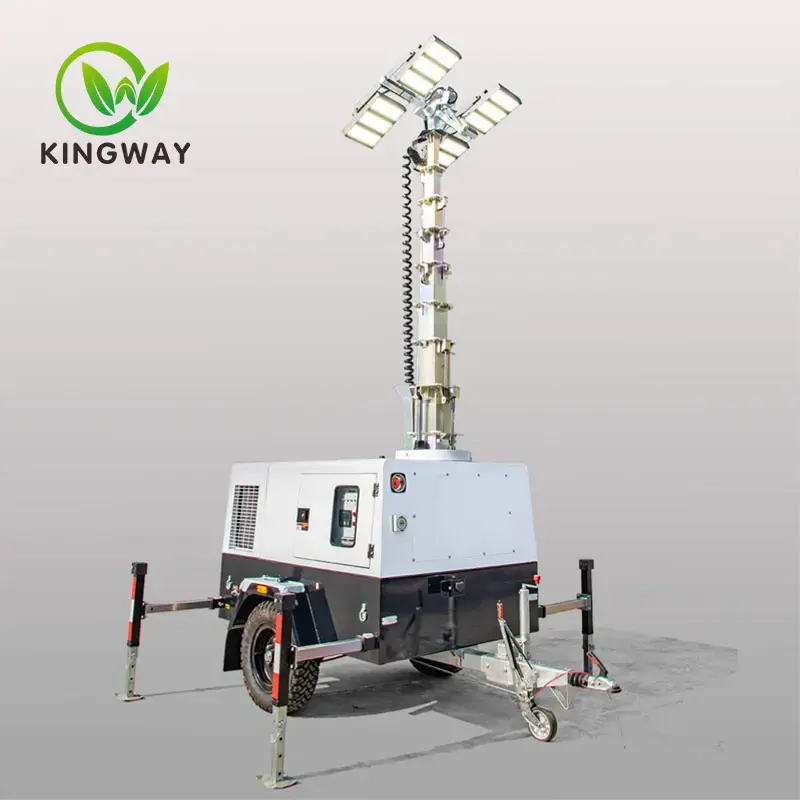
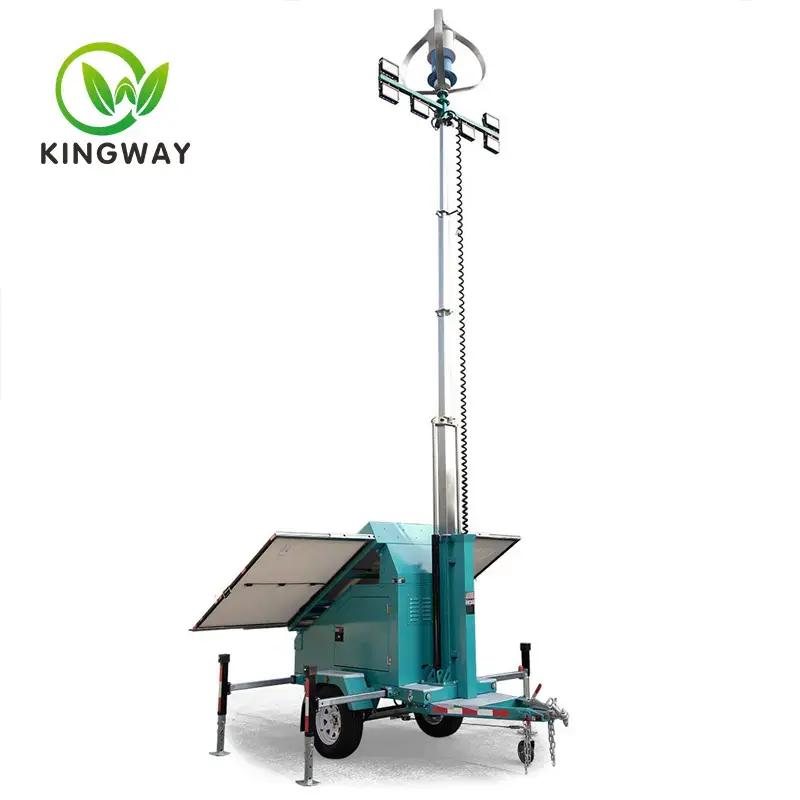
A mobile surveillance trailer is a self-contained, portable security unit housed within a trailer. It combines advanced surveillance technology with a mobile platform, allowing it to be deployed quickly and easily in various locations. The basic components of a mobile surveillance trailer typically include:
Surveillance Equipment
Cameras: These are the eyes of the MST. Most trailers are equipped with multiple high-definition cameras, often featuring pan-tilt-zoom (PTZ) capabilities. These cameras can rotate, tilt, and zoom to capture detailed footage across large areas. High-resolution cameras, often up to 8 MP, ensure crystal-clear imagery, allowing operators to identify faces, license plates, and other critical details. Many trailers also include night vision or infrared (IR) technology to enable effective monitoring in low-light conditions.
Sensors and Microphones: In addition to cameras, some trailers are equipped with sensors and microphones to gather more comprehensive information. These can detect motion, sound, and other environmental factors, enhancing the overall surveillance capabilities.
Power Sources
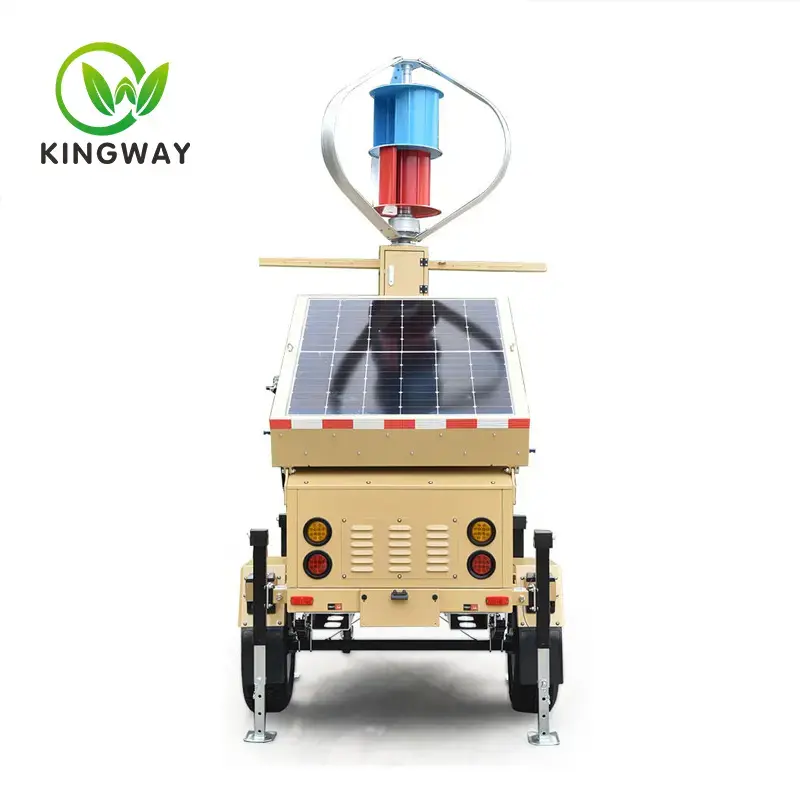
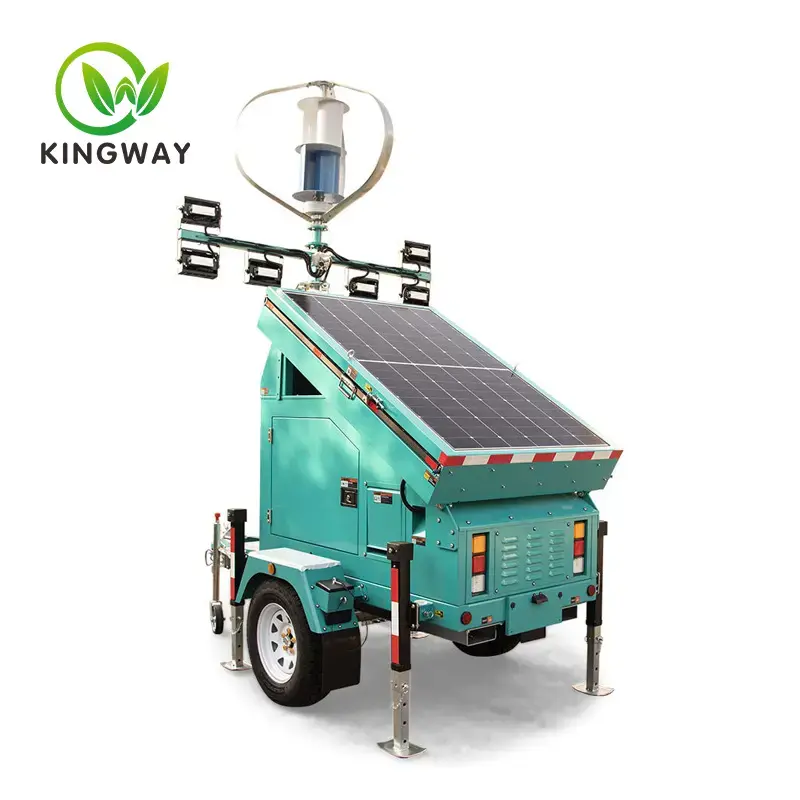
One of the key advantages of mobile surveillance trailers is their ability to operate independently of external power sources. They typically rely on solar panels, gas-powered generators, or a combination of both to ensure uninterrupted operation. Solar-powered trailers are especially popular for their eco-friendly design and ability to operate in remote locations without access to electricity. Battery backups are also standard, providing additional reliability during periods of low sunlight or generator downtime.
Communication Systems
Mobile surveillance trailers are equipped with communication systems that enable remote monitoring and data transfer. Wireless connectivity, such as 4G LTE or mesh networks, allows real-time video feeds to be sent to a central monitoring station or accessed via cloud-based platforms. This ensures that operators can monitor footage and respond to incidents no matter where they are.
Security Features
To ensure the protection of the trailer and its contents, MSTs often come with a range of security features. These can include alarms, locks, and reinforced construction to deter tampering and vandalism. Some trailers also feature flashing lights, sirens, and other deterrents to enhance their effectiveness in deterring criminal activity.
How Mobile Surveillance Trailers Work
A mobile surveillance trailer operates as a standalone security system designed to deliver real-time monitoring and analytics. Its key components work together seamlessly to provide a comprehensive surveillance experience. Here’s a step-by-step breakdown of how an MST typically operates:
Deployment
Transportation: The trailer is towed to the desired location using a vehicle.
Setup: Once at the location, the trailer is positioned and stabilized using its built-in legs or supports. The cameras and other surveillance equipment are then configured to cover the necessary area.
Operation
Power Activation: The power source, whether solar panels, a generator, or a combination, is activated to provide electricity to the surveillance equipment.
Monitoring: The cameras begin capturing video footage, which is either stored locally or transmitted to a remote server. Operators can access live feeds or review recorded footage as needed.
Additional Features
AI and Analytics: Advanced MSTs often include AI-driven analytics to enhance security monitoring. Features such as motion detection, facial recognition, and license plate reading allow for automated alerts and quicker responses to potential threats. AI capabilities also help reduce false alarms, ensuring that operators focus only on genuine incidents.
Remote Access: Through communication systems, operators can remotely monitor the trailer’s status, adjust camera settings, and receive alerts. Some trailers even allow for remote control of lighting and other security features.
Applications and Benefits
Mobile surveillance trailers are incredibly versatile and are used in a wide range of applications across different industries. Some of the most common applications include:
Construction Sites
Construction sites are often temporary and may be located in remote areas, making them vulnerable to theft, vandalism, and other security threats. MSTs provide a flexible and cost-effective solution, allowing for continuous monitoring of the site and its equipment. They can be quickly deployed and repositioned as needed, ensuring comprehensive coverage throughout the construction project.
Law Enforcement
Law enforcement agencies use MSTs to monitor public areas, investigate crimes, and gather evidence. These trailers can be deployed in high-crime areas, during large events, or in remote locations to enhance public safety and deter criminal activity. Their ability to provide real-time surveillance and transmit data to a central monitoring station makes them an invaluable tool for law enforcement.