
Mobile Lighting Trailer Supplier
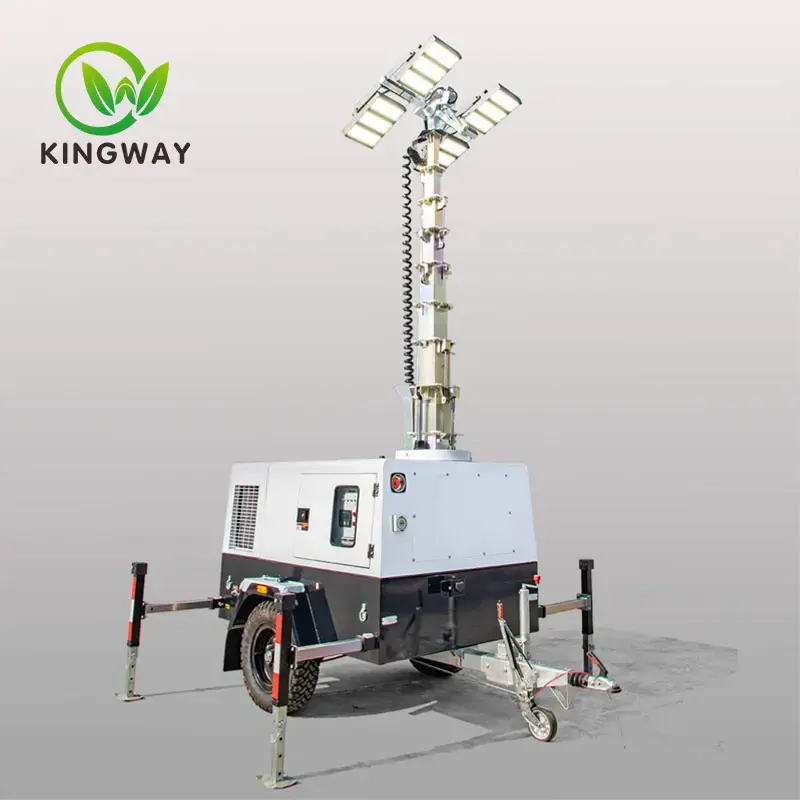
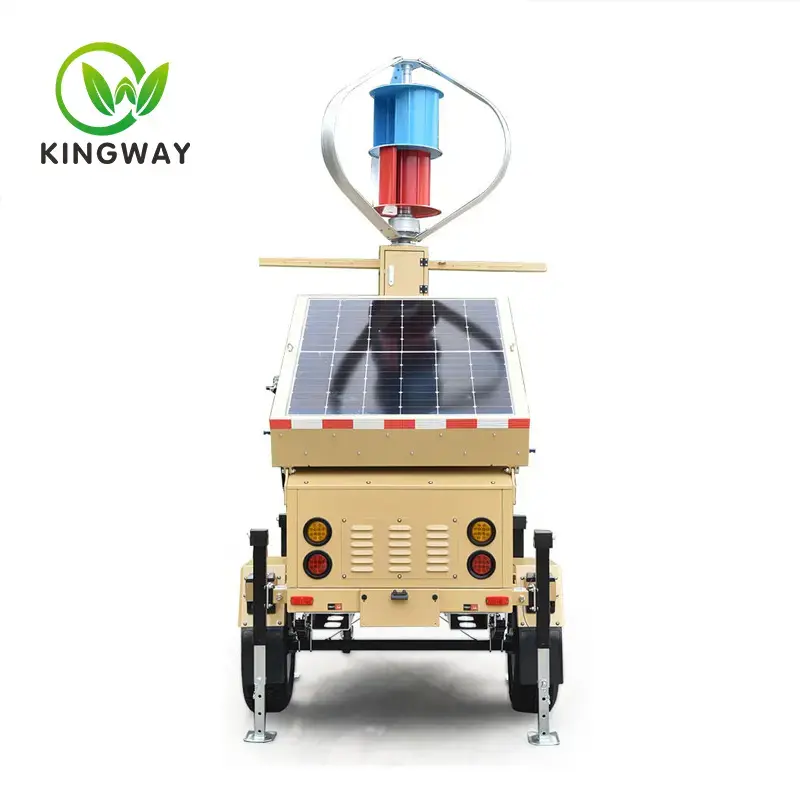
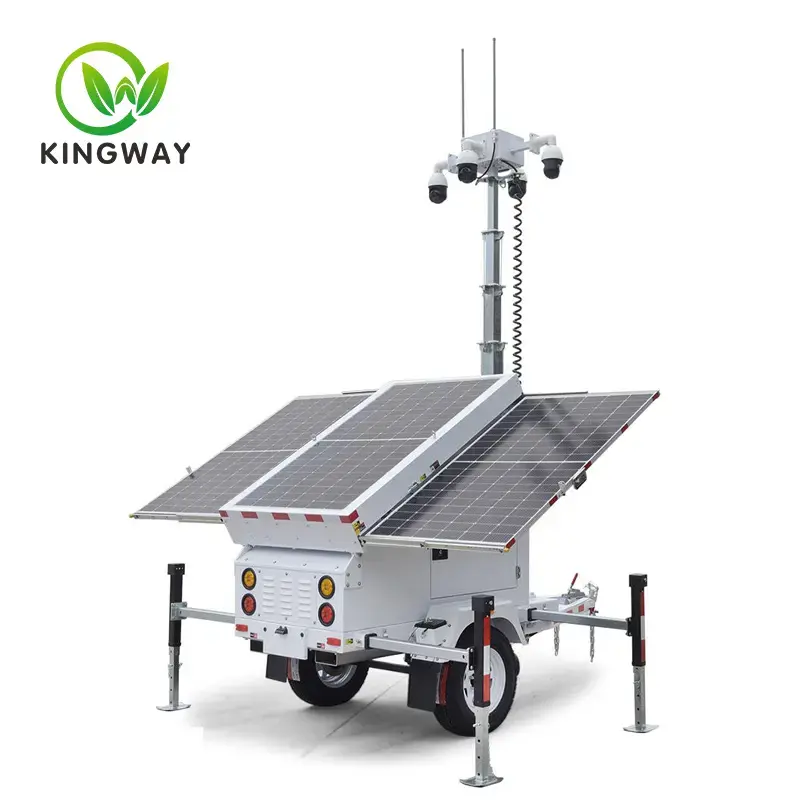
The road to international regulatory compliance for mobile surveillance lighting trailers
The road to international regulatory compliance for mobile surveillance lighting trailers: creating worry-free products for international wholesale buyers
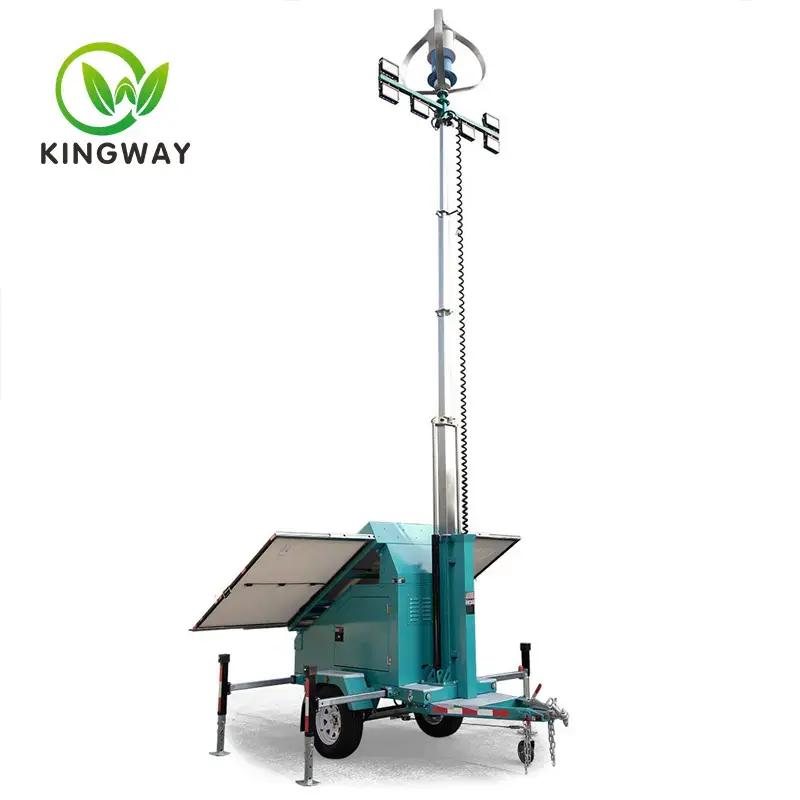
Under the wave of global trade, mobile surveillance lighting trailers play a key role in many fields with their excellent flexibility and functionality, from lighting and monitoring of construction sites to support at emergency rescue sites. For sellers who aim to build independent stations for mobile surveillance lighting trailers and target international wholesale buyers, ensuring that products comply with international regulatory requirements is not an easy task, but a core challenge that must be overcome. This is not only related to whether the product can enter the target market smoothly, but also directly affects the brand's international reputation and long-term trust of customers. The following will explore in depth how to ensure that mobile surveillance lighting trailers comply with international regulatory requirements.
In-depth understanding of target market regulations
EU market: a strict and comprehensive standard system
The EU market is known for its high standards for product safety, environmental protection and performance. For mobile surveillance lighting trailers, the CE mark is a mandatory requirement for entering the EU market. It covers multiple directives, such as the EMC Directive (Electromagnetic Compatibility) and the Low Voltage Directive (LVD), to ensure that the product does not cause electromagnetic interference and safety risks to users and the surrounding environment during use. In addition, the EU's RoHS directive strictly restricts the use of certain hazardous substances in electrical and electronic equipment, including lead, mercury, cadmium, etc., aiming to reduce the pollution of products to the environment and the harm to human health. REACH rules further control the use and release of chemical substances, requiring companies to ensure that the chemical substances used are safe for the human body and the environment.
US market: Focus on the dual standards of safety and performance
The safety and performance requirements of the US market for mobile surveillance lighting trailers cannot be ignored. UL standards are widely recognized safety certification standards in the United States. For example, the UL 153 standard specifies the safety requirements for mobile lamps in detail, including structure, electrical safety, fire protection and other aspects. The FCC (Federal Communications Commission) rules in the United States strictly restrict the use of electromagnetic interference and radio frequencies of products to ensure that the products do not interfere with other electronic equipment and communication systems. At the same time, states and localities in the United States may also have their own special requirements and certifications. For example, in California, products may need to meet stricter environmental protection and energy efficiency standards.
Other markets: the challenge of diversified regulations
In addition to the EU and the United States, other target markets also have their own regulations and standards. For example, Australia and New Zealand also have clear requirements for product safety, electromagnetic compatibility and environmental protection, such as AS/NZS standards. In the Middle East, some countries have put forward special requirements for product protection level, high temperature resistance and corrosion resistance according to local climatic conditions and use environment. Understanding and complying with the regulatory differences in these markets is the key to ensuring that mobile surveillance lighting trailers are sold in compliance worldwide. Enterprises need to pay close attention to the regulatory trends in the target market and adjust product design and production processes in a timely manner to meet different market needs.
Compliance points in the product design and manufacturing stage
In the product design stage, cooperation with globally renowned design teams and R&D institutions can fully consider the regulatory requirements of different countries and regions. By introducing advanced design concepts and technologies, the electrical system, mechanical structure and lighting performance of the product are optimized to meet regulatory requirements while having higher reliability and efficiency. For example, the use of efficient LED lighting technology can not only improve the lighting effect, but also reduce energy consumption and meet the energy efficiency standards of various countries.
In the manufacturing process, it is crucial to establish a strict quality management system. This includes procurement control of raw materials and parts, quality inspection during production and finished product testing. Ensure that all raw materials and parts meet relevant standards and regulatory requirements, such as using electronic components and environmentally friendly materials that comply with the RoHS directive. During the production process, strictly follow the design documents and process requirements, and strictly inspect and test the electrical safety, mechanical strength, protection level, etc. of the products to ensure that each batch of products meets high quality standards. Enterprises can introduce international standards such as ISO 9001 quality management system and ISO 14001 environmental management system to standardize production and management processes and improve product quality and consistency.
Key links in certification and testing
Choosing an authoritative certification body for product certification is an important step to ensure that mobile surveillance lighting trailers meet international regulatory requirements. Internationally renowned certification bodies such as TÜV and SGS have rich experience and expertise and can provide comprehensive certification services for products. During the certification process, enterprises need to work closely with the certification body, submit detailed product information as required, including design drawings, technical specifications, test reports, etc., and actively cooperate with the certification body's review and inspection work. The certification body will conduct a comprehensive evaluation of the product according to relevant standards and regulations, including safety testing, electromagnetic compatibility testing, performance testing, etc., to ensure that the product meets the regulatory requirements of the target market.
Enterprises can use the expertise and resources of certification bodies to obtain the latest information and interpretation of relevant regulations and standards, optimize product design and production processes, and improve product compliance and market competitiveness. In addition, regular internal audits and self-inspections can help to promptly identify and correct potential problems and ensure that products always meet certification requirements.
Compliance of transportation and installation
During transportation, enterprises need to ensure that mobile surveillance lighting trailers comply with international transportation regulations and standards. This includes strict requirements for the packaging, fixing and marking of products to prevent damage, leakage or safety accidents during transportation. For example, use sturdy packaging materials and reasonable packaging structures to ensure that products are not affected by external shocks and vibrations during transportation. At the same time, mark and identify products in accordance with international transportation standards, indicating the weight, size, dangerous goods information (if any), etc. of the products, so that transportation personnel and customs and other departments can accurately identify and handle them.
During the installation process, enterprises should provide detailed and clear installation manuals and operating guides to guide users to correctly install and use the products to ensure their safety and stability in actual applications. The installation manual should include the installation steps, electrical connection methods, safety precautions and other contents of the product, and should be translated and localized according to the language and habits of different target markets. In addition, enterprises can provide professional installation training and technical support to help users improve their installation level and operating skills, and ensure that the product can give full play to its functions and performance.
Compliance with environmental protection and sustainable development regulations
With the global emphasis on environmental protection, the environmental performance of mobile monitoring lighting trailers has also become a focus of regulatory attention. Products should minimize the generation of waste and energy consumption during the production process to reduce the impact on the environment. At the same time, enterprises need to formulate a complete recycling plan, clarify the recycling and treatment methods of products after the end of their service life, and promote the recycling of resources. This will not only help reduce environmental pollution, but also improve the social image and market competitiveness of enterprises.
Pay attention to the energy efficiency of products, adopt energy-saving technologies and designs, and reduce the energy consumption of products. This can not only help users reduce operating costs, but also meet the regulatory requirements of various countries for energy efficiency. For example, use energy-efficient LED lamps, optimize the design of electrical systems, etc. to improve the energy efficiency of products. In addition, enterprises can actively participate in environmental certification projects, such as the EU's Ecodesign Directive and Energy Star certification, to further enhance the environmental protection level and market recognition of products. Ensuring that mobile surveillance lighting trailers comply with international regulatory requirements is a complex and systematic project, which requires companies to maintain a high degree of vigilance and strict requirements in all aspects of product development, production, certification, transportation and installation. By deeply understanding the regulations of the target market, optimizing product design and manufacturing, strict certification and testing, ensuring transportation and installation compliance, and following environmental protection and sustainable development regulations, companies can provide international wholesale buyers with high-quality, safe and reliable mobile surveillance lighting trailer products. This will not only help companies expand into the international market and establish a good brand image, but also promote the smooth progress of global trade and the sustainable development of the industry.