
Mobile Lighting Trailer Supplier
The Environmental Advantage of Zero Carbon Emissions in Solar Mobile Lighting Trailers
The Environmental Advantage of Zero Carbon Emissions in Solar Mobile Lighting Trailers
Solar Mobile Lighting Trailers: Zero Carbon Emissions Drive New Value in Global Wholesale Sourcing
With the global "carbon neutrality" goal accelerating and environmental regulations becoming increasingly stringent, professional wholesale buyers are undergoing a profound shift in their product selection process. Environmental considerations are no longer just a tack, but a core factor determining a product's market competitiveness, compliance costs, and long-term profitability. As an innovative product in the outdoor lighting market, solar mobile lighting trailers offer the core advantage of zero carbon emissions, not only aligning with global green development trends but also offering buyers multiple benefits, from cost control to brand upgrades. They are a key lever for leveraging the global outdoor lighting market.
I. Zero Carbon Emissions: Addressing the Environmental Pain Points of Traditional Lighting Equipment
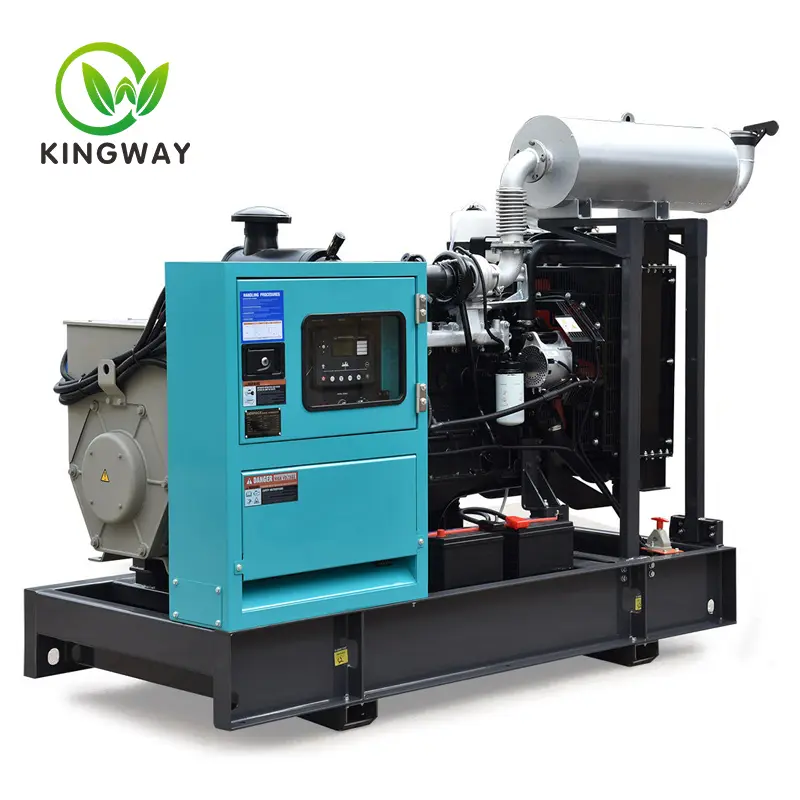
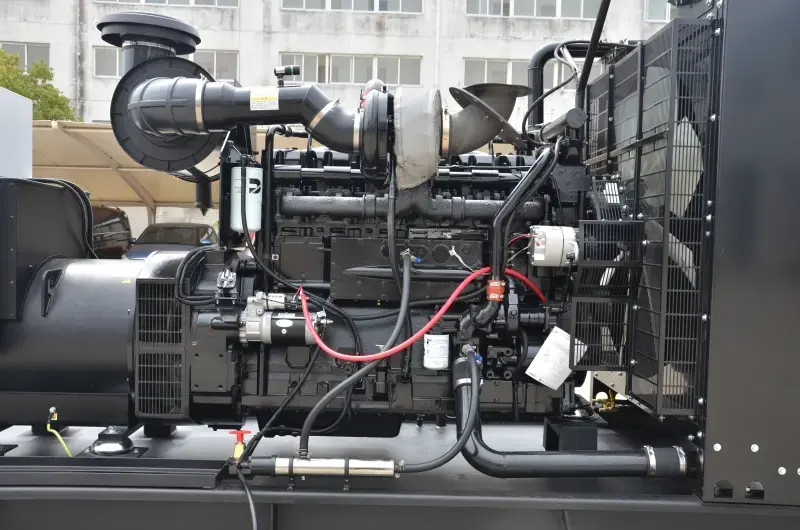
Traditional outdoor mobile lighting equipment (such as diesel-powered lighting trailers) has long relied on fossil fuels, continuously emitting pollutants such as carbon dioxide, nitrogen oxides, and particulate matter during use. According to the International Energy Agency (IEA), a 5kW diesel lighting fixture consumes approximately 0.8L of diesel per hour of operation, emitting 2.1kg of carbon dioxide. If used for an average of 8 hours per day and 200 days per year, the annual carbon emissions of a single fixture could reach 3,360kg. The accompanying noise pollution (typically 60-80 decibels) and odor from exhaust gas can also trigger environmental complaints at construction sites and emergency response sites.
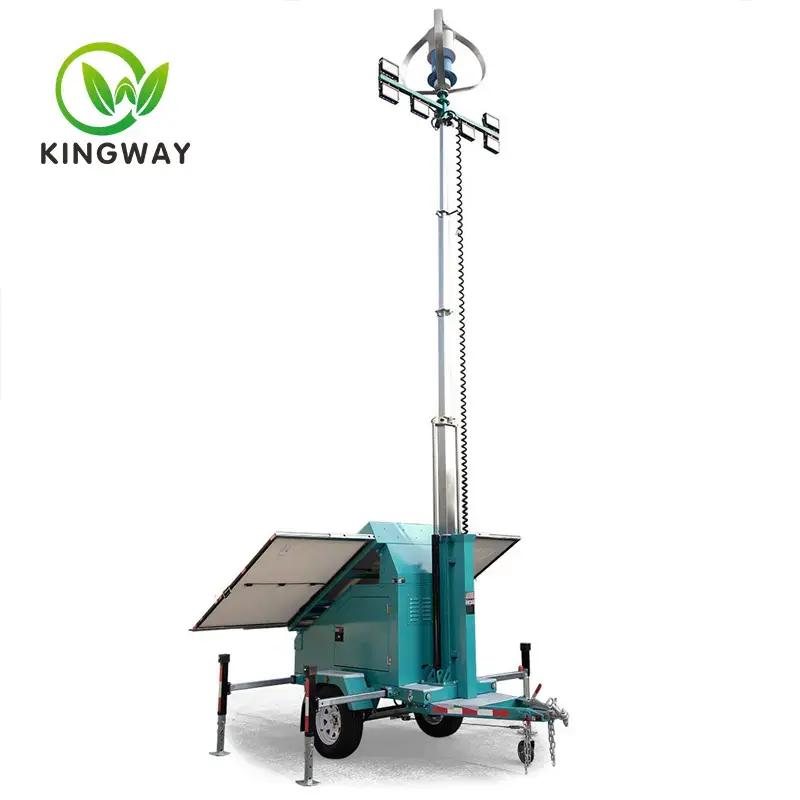
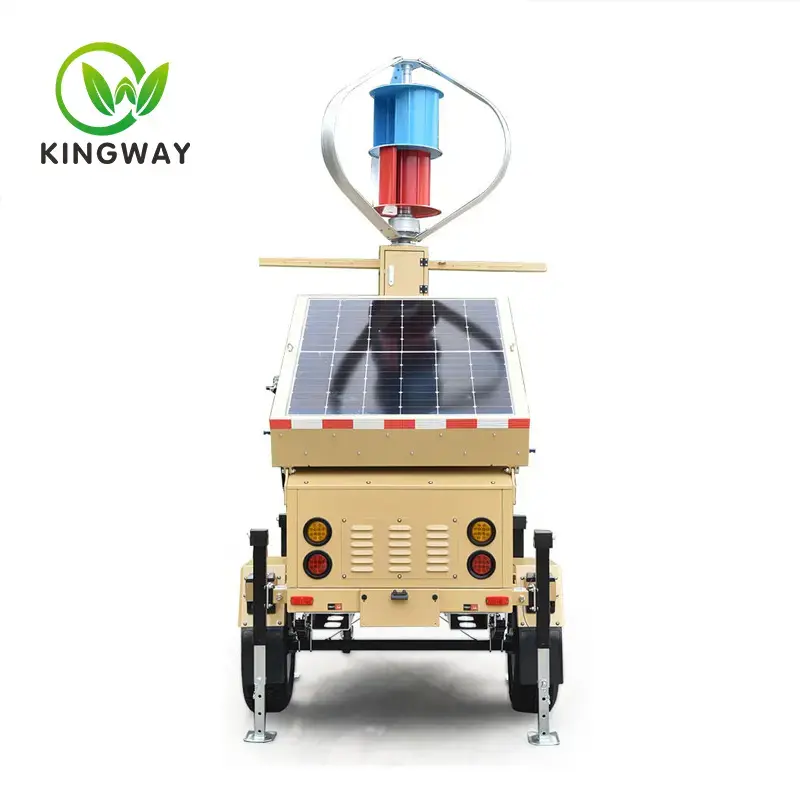
The solar mobile lighting trailer fundamentally disrupts this model: its core energy source is photovoltaic panels, which convert solar energy into electricity and store it in Lithium Batteries, eliminating the need for any fossil fuels. This delivers "zero carbon emissions during use, zero exhaust emissions, and low noise (operating noise ≤ 50 decibels)." More importantly, from a full lifecycle perspective, the photovoltaic modules of high-quality solar lighting trailers have a lifespan of over 25 years, and the lithium batteries can be recycled through a professional recycling system. Compared to the high-carbon closed cycle of "production-use-disposal" of traditional equipment, their full-lifecycle carbon footprint is reduced by over 90%, perfectly aligning with the definition of "green products" in mainstream global environmental policies such as the EU's New Battery Regulation and the US Inflation Reduction Act (IRA).
II. The Three Core Values of Zero-Carbon Advantages for Wholesale Buyers
For wholesale buyers, the zero-carbon emissions of solar mobile lighting trailers is more than just an "eco-friendly label"; it offers practical advantages that translate directly into commercial benefits and market differentiation. This is reflected in the following three aspects:
1. Reduced Customer Operating Costs and Enhanced Product Bargaining Power
The "hidden costs" of traditional diesel lighting equipment have long been overlooked. Customers must continuously purchase diesel (due to global diesel price fluctuations, annual fuel costs can reach 30%-50% of the equipment purchase price), and regularly replace consumable parts such as oil and filters, resulting in annual maintenance costs of approximately 15% of the purchase price. Solar mobile lighting trailers, on the other hand, consume virtually no consumables during operation, requiring only simple cleaning of the photovoltaic panels every 6-12 months. Maintenance costs are less than one-tenth of those of traditional equipment. As a buyer, you can leverage this cost advantage into product competitiveness. First, clearly demonstrate the "zero fuel + low maintenance" cost model to downstream customers (such as construction companies, emergency rescue agencies, and event planning companies), helping them calculate the 3-5 year total cost of ownership (TCO). For example, for a single device with a purchase price of $10,000, the 5-year TCO for traditional equipment is approximately $25,000, while for solar equipment, it's only $12,000, a cost reduction of over 50%. Second, leveraging this cost advantage, you can develop more flexible wholesale pricing strategies while maintaining reasonable profits, quickly capturing cost-sensitive markets (such as infrastructure projects in developing countries and small- to medium-sized outdoor events).
2. Adapt to global environmental regulations and mitigate compliance risks
Currently, major economies around the world have established strict regulatory systems around carbon emissions. Procuring products that fail to meet environmental standards not only prevents downstream customers from entering specific markets but also risks fines and product recalls. For example:
The EU's Carbon Border Adjustment Mechanism (CBAM) will officially take effect in 2026, imposing carbon tariffs on imported high-carbon products. Traditional diesel lighting equipment, due to its high carbon emissions, will be subject to these tariffs, while zero-carbon solar lighting trailers are fully exempt.
Some US states (such as California and New York) require outdoor equipment purchased for government projects to meet "zero-carbon or low-carbon" standards. If your product does not meet these standards, you will be ineligible for public procurement in the US.
Although emerging markets such as Southeast Asia and Africa developed environmental regulations relatively late, international organizations such as the World Bank and the Asian Development Bank have included "green equipment procurement" as a loan condition when funding local infrastructure projects.
Choosing solar mobile lighting trailers essentially opens a "compliant channel" for your product to enter mainstream global markets, avoiding market entry barriers due to a lack of environmental protection. This is a key prerequisite for securing long-term partnerships for wholesale buyers seeking large-scale sales.
3. Strengthen Downstream Customers' Brand Image and Tap into High-End Market Demand
As end-consumers become more aware of environmental protection, downstream customers (such as large construction companies, hotel chains, and outdoor event organizers) are increasingly inclined to purchase green equipment to promote their environmental credentials and enhance their brand reputation. For example:
Construction companies using solar-powered lighting trailers can display "Zero Carbon Construction" signs at construction sites, reducing environmental complaints from surrounding residents and earning bonus points for "Green Construction" in bidding.
Outdoor music festivals and sporting events using solar lighting can enhance their image as "sustainable events" through media coverage, attracting environmentally conscious sponsors and spectators, and increasing the commercial value of the events.
As a wholesale buyer, you can differentiate your products by focusing on "zero carbon emissions" as a selling point. Targeting the high-end market (such as multinational corporations, international event organizers, and high-end hotel groups), you can offer customized solutions (such as photovoltaic panels with the client's brand logo and accompanying carbon footprint reports) to help downstream customers achieve a win-win situation in terms of both environmental value and brand value. This value-added service, based on its environmentally friendly attributes, not only increases customer repurchase rates but also helps your product stand out from the competition, resulting in higher profit margins.
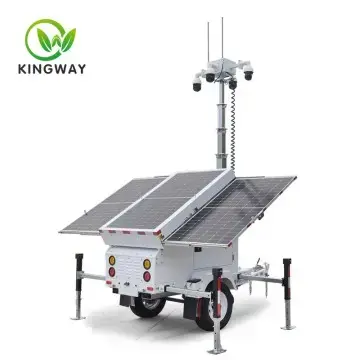
III. Typical Application Scenarios of Zero-Carbon Solar Lighting Trailers: From Demand to Value Realization
Understanding the application scenarios is key for buyers to accurately match downstream customer needs. The zero-carbon emissions advantage of solar mobile lighting trailers demonstrates irreplaceable value in the following scenarios:
1. Infrastructure and Construction Scenarios
Large-scale infrastructure projects (such as roads, bridges, and tunnels) often require 24-hour continuous lighting. Traditional diesel equipment not only has high carbon emissions but also requires frequent diesel transportation, increasing logistics costs and safety risks. Solar mobile lighting trailers can meet all-weather lighting needs by "storing energy during the day and lighting at night" without the need for refueling. They are particularly suitable for construction sites in remote and mountainous areas with inaccessible transportation. Furthermore, their zero-carbon emissions can help construction companies meet local government "green site" assessment standards, avoiding work suspensions and rectifications due to environmental issues.
2. Emergency Rescue and Disaster Reconstruction Scenarios
After disasters such as earthquakes, floods, and hurricanes, affected areas often face power outages, fuel shortages, and fragile environments (for example, floods can easily lead to water pollution, and diesel leaks can exacerbate environmental damage). Solar mobile lighting trailers require no external energy supply and can be quickly deployed to disaster areas, providing zero-carbon lighting for rescue workers while preventing secondary damage to the environment caused by fuel leaks. Organizations such as the International Red Cross and UN relief agencies have listed solar lighting equipment as a key category on their emergency supply procurement lists, creating a promising market for wholesale buyers focused on public welfare procurement and government partnerships.
3. Outdoor Commercial and Public Events
Commercial events such as music festivals, campgrounds, and open-air markets demand a high level of user experience and environmental image. The noise and exhaust of traditional lighting equipment can detract from the atmosphere of an event. Solar mobile lighting trailers are not only zero-emission and low-noise, but also feature USB charging ports for visitors to charge their phones, enhancing the convenience of the event. For example, Campingplatz, Europe's largest campground chain, has fully purchased solar-powered lighting trailers. Its customer surveys show that "environmentally friendly lighting" has become a key factor in tourists choosing campgrounds, driving a 15% increase in campground occupancy rates.