

Mobile Lighting Trailer Supplier
The Critical Importance of Solar Panel Efficiency in Solar-Powered Mobile Surveillance and Lighting Trailers and a Selection Guide
The Critical Importance of Solar Panel Efficiency in Solar-Powered Mobile Surveillance and Lighting Trailers and a Selection Guide
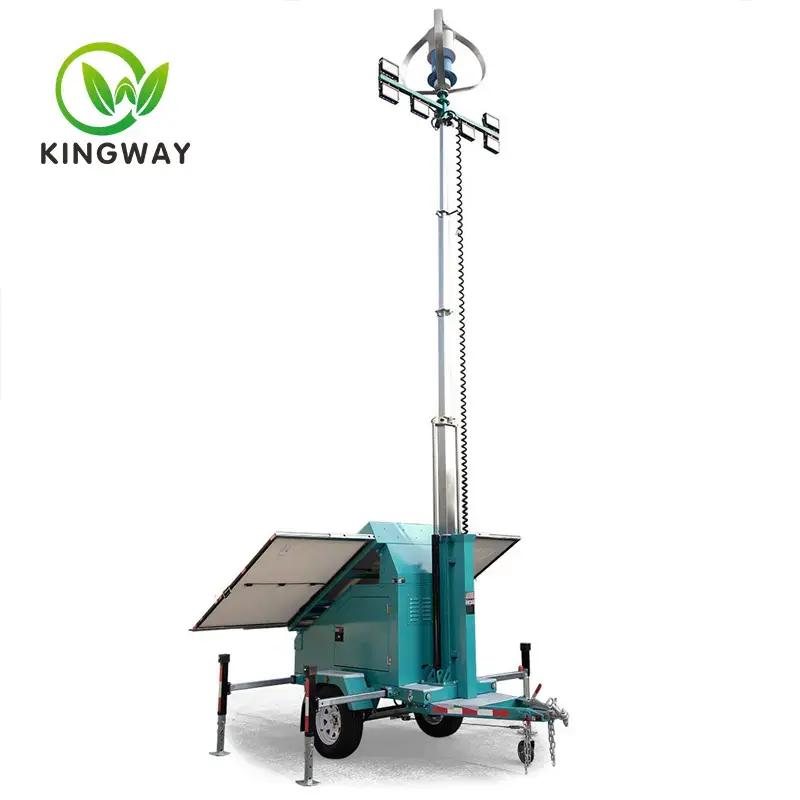
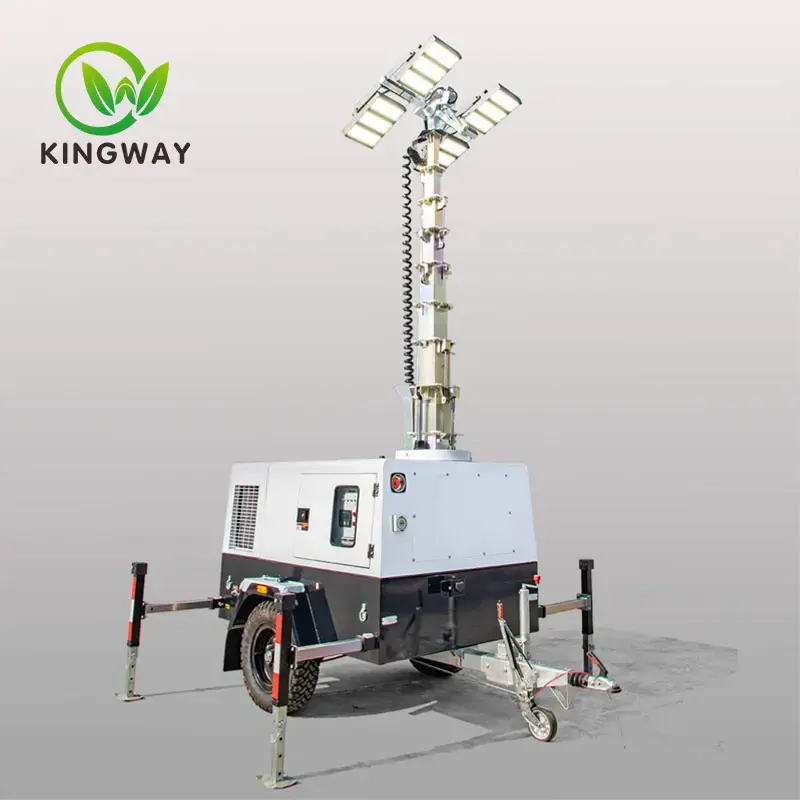
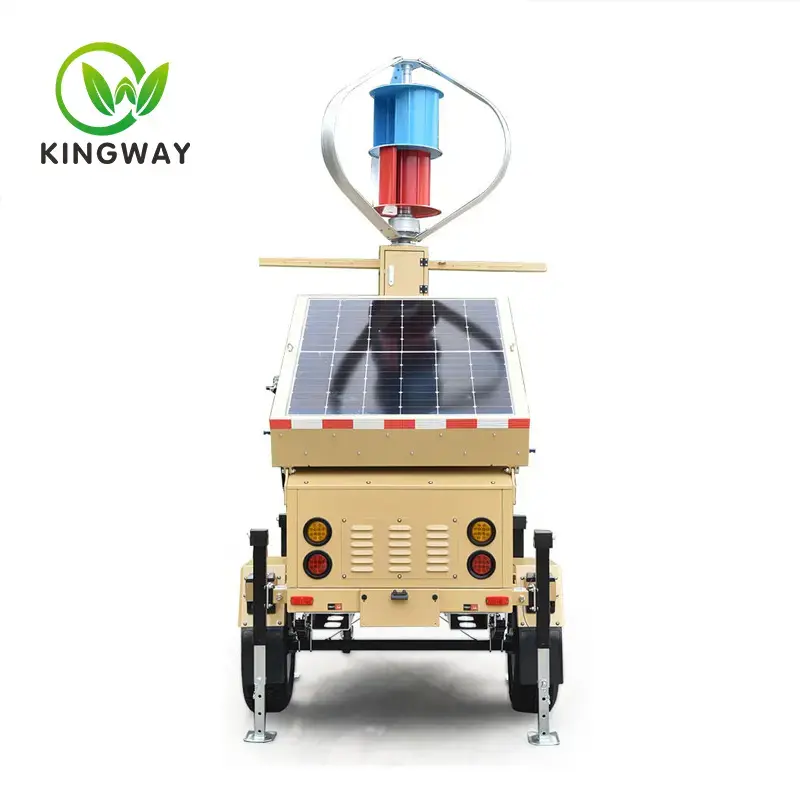
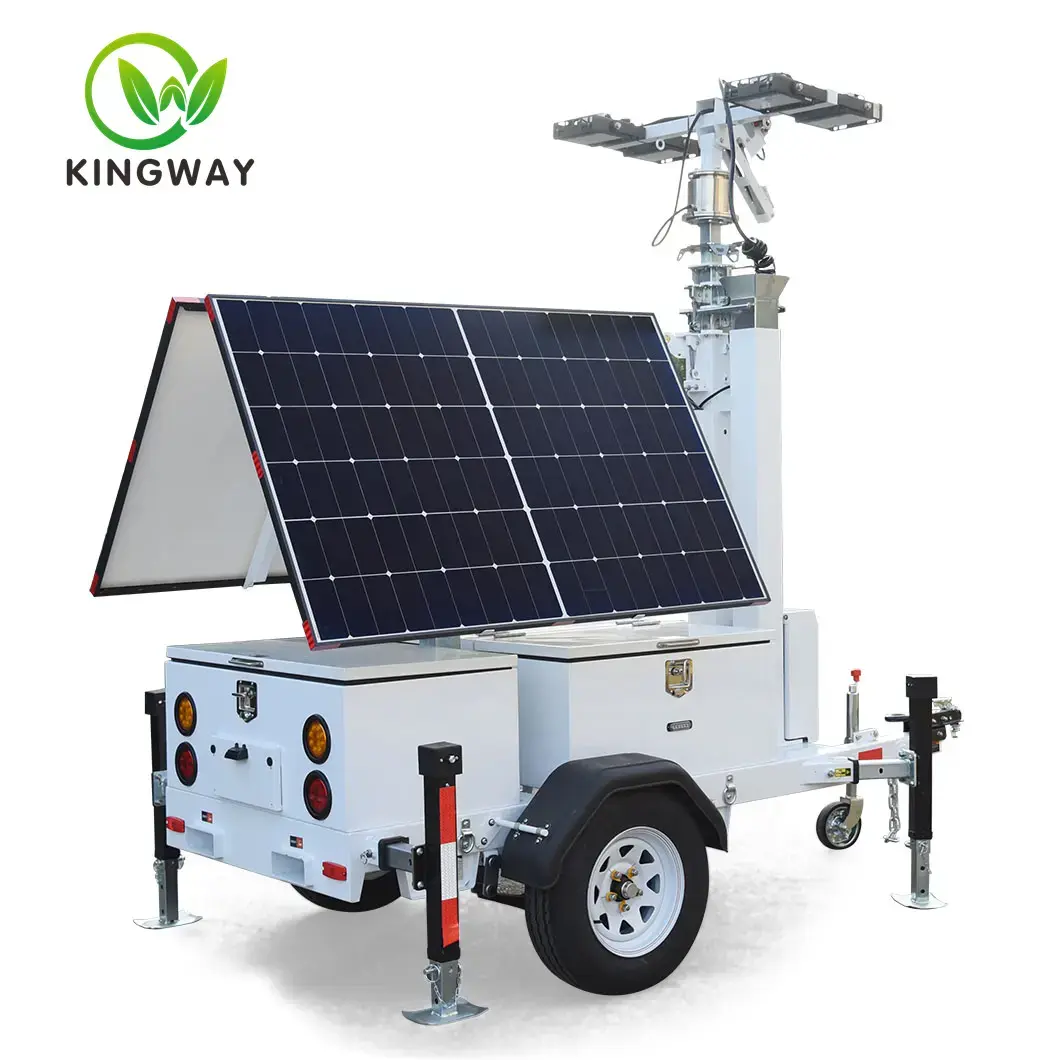
In the global procurement market, solar-powered mobile surveillance and lighting trailers, with their advantages of requiring no external power supply and flexible deployment, are an ideal choice for outdoor security, emergency rescue, construction, and other scenarios. Among the core components of this type of equipment, solar panel efficiency directly determines the trailer's battery life, operational stability, and overall cost of ownership, making it a crucial criterion for buyers when selecting a model.
Why is solar panel efficiency so crucial to purchasing decisions?
The core value of solar-powered mobile surveillance and lighting trailers lies in their mobility and autonomy. The key to achieving these two goals lies in the solar panels' ability to efficiently convert sunlight into electricity. For buyers, high-efficiency solar panels mean:
Longer battery life: Under the same lighting conditions, high-efficiency panels can store more energy in a shorter period of time, ensuring 24/7 uninterrupted operation of surveillance equipment and continuous, stable lighting. These panels are particularly suitable for remote locations or nighttime scenarios where security needs are high. Smaller Installation Area: High-efficiency panels generate more power per unit area, reducing the rooftop area required for panels, leaving more space for monitoring equipment, lighting, and more. This reduces the overall weight of the trailer and improves mobility.
Lower Operating Costs: High-efficiency panels can better utilize natural light, reducing reliance on backup batteries and reducing the frequency and cost of battery replacements. This can significantly save buyers money over the long term.
Stronger Environmental Adaptability: High-efficiency panels maintain high power efficiency even on cloudy days, in the early morning, or in the evening, ensuring trailers operate normally in challenging weather conditions and preventing monitoring or lighting failures due to power outages.
Key Factors Affecting Solar Panel Efficiency
Understanding the factors that influence solar panel efficiency can help buyers make more accurate decisions when selecting a solar panel. Currently, the industry focuses on the following aspects:
Cell Type: Common solar cell types on the market include monocrystalline silicon, polycrystalline silicon, and thin-film cells. Among them, monocrystalline silicon panels have the highest conversion efficiency, typically between 18% and 25%. Their uniform crystal structure and stable light-receiving properties make them suitable for applications requiring high efficiency. Polycrystalline silicon panels have a slightly lower efficiency, approximately 15% to 20%, but they offer lower production costs and excellent cost-effectiveness. Thin-film panels have a lower efficiency (10% to 15%), but are flexible and lightweight, making them suitable for specialized installation environments and less commonly used in mobile trailers.
Lighting conditions: The efficiency of solar panels is affected by the intensity, angle, and duration of sunlight. To improve efficiency, high-quality mobile trailers are equipped with automatic tracking systems. These sensors use real-time sensors to adjust the angle of the panels to maintain a constant perpendicular orientation to the sun, maximizing light absorption. Furthermore, anti-shading design is crucial. When a panel is partially obscured, conventional modules experience a "hot spot effect," reducing overall efficiency. High-efficiency modules with bypass diodes can effectively mitigate this problem.
Temperature coefficient: The efficiency of a solar panel decreases with increasing temperature. A lower temperature coefficient indicates more stable performance in high-temperature environments. For example, a certain monocrystalline silicon solar panel has a temperature coefficient of -0.3%/°C, meaning that when the ambient temperature rises 10°C above the standard test conditions (25°C), the efficiency only decreases by 3%. In tropical regions or during high summer temperatures, panels with a low temperature coefficient can maintain more reliable power generation.
Module quality: The panel's packaging process, frame material, and glass cover transmittance all affect its long-term efficiency. High-quality modules use high-transmittance tempered glass to reduce light reflection; weather-resistant sealants prevent moisture from penetrating and corroding the internal circuitry; and aluminum alloy frames offer high strength and wind resistance, protecting the cells from damage during transportation and extending their service life.
Technological Innovations to Improve the Efficiency of Solar Mobile Surveillance Lighting Trailers
With the continuous advancement of photovoltaic technology, more and more innovative technologies are being incorporated into the panel design of solar mobile surveillance lighting trailers, further improving their performance:
Half-cell technology: By cutting a standard cell in half, it reduces losses during current transmission and mitigates the hot spot effect, increasing panel efficiency by approximately 2%-3%. Furthermore, half-cell cells offer greater resistance to bending and bending, making them suitable for the bumpy conditions of mobile trailers.
Shingled technology: By overlapping the cells, the gaps found in traditional modules are eliminated, increasing the light-receiving area and boosting efficiency by over 5%. Shingled modules offer a cleaner appearance and are better suited for installation on curved surfaces, performing well even on the curved design of trailer roofs.
** Bifacial Double-Glass Modules**: Generate electricity from both the front and back sides, with the back side utilizing reflected and scattered light from the ground, increasing power generation by 10%-30% in open areas. Double-Glass Modules use a glass backsheet, replacing the traditional plastic backsheet, offering enhanced corrosion and aging resistance, with a service life of over 30 years.
Intelligent Energy Storage Management System: The energy storage system paired with high-efficiency solar panels optimizes charging and discharging logic, automatically adjusting based on light intensity and device power consumption to prevent damage to the battery caused by overcharging or over-discharging. This ensures that power is prioritized for critical equipment (such as surveillance cameras), improving energy efficiency.
How can buyers choose cost-effective solar panels?
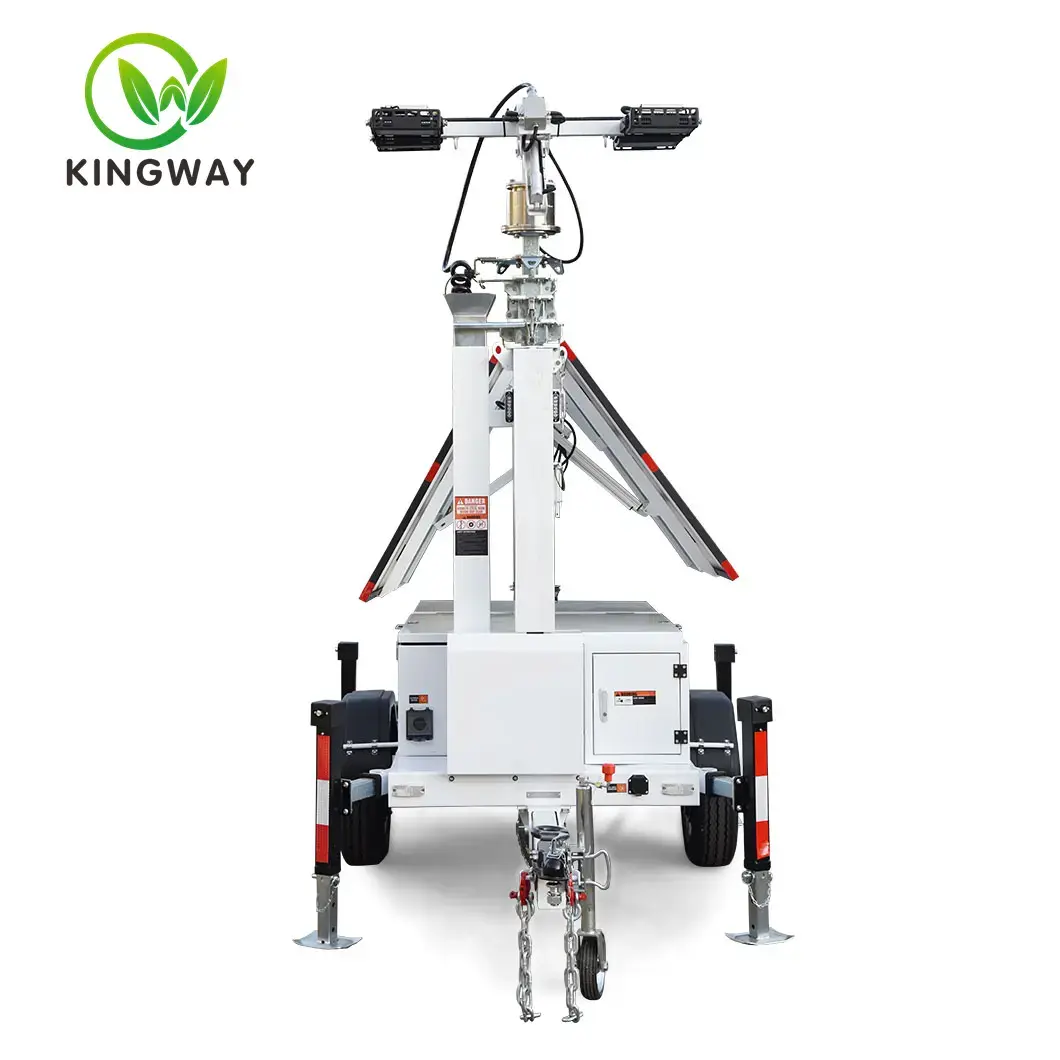
When choosing a solar mobile surveillance lighting trailer, buyers shouldn't simply focus on high panel efficiency; they should also consider their specific needs.
Identify the application scenario: If the device is primarily used in areas with abundant sunlight, a balance between efficiency and cost can be appropriately considered. For applications in areas with low sunlight or frequent rainy days, high-efficiency, low-temperature-coefficient monocrystalline silicon panels should be prioritized, paired with large-capacity energy storage batteries.
Focus on brand and certifications: Choose panel brands with international certifications such as TÜV, UL, and IEC. These products undergo rigorous testing, ensuring performance and quality. Furthermore, reputable brands offer comprehensive after-sales service, long-term technical support, and warranty commitments (typically a 10-year product warranty and a 25-year linear power warranty).
Evaluate the overall cost: In addition to the purchase cost of the panels themselves, consider hidden costs such as installation, maintenance, transportation, and storage. While high-efficiency panels may require a higher initial investment, they offer lower energy costs over time, resulting in a better overall cost-effectiveness. Field testing and verification: When conditions permit, suppliers can be asked to provide samples for field testing. Data such as panel power generation and device battery life can be recorded under different lighting conditions to visually evaluate actual performance.