

Mobile Lighting Trailer Supplier
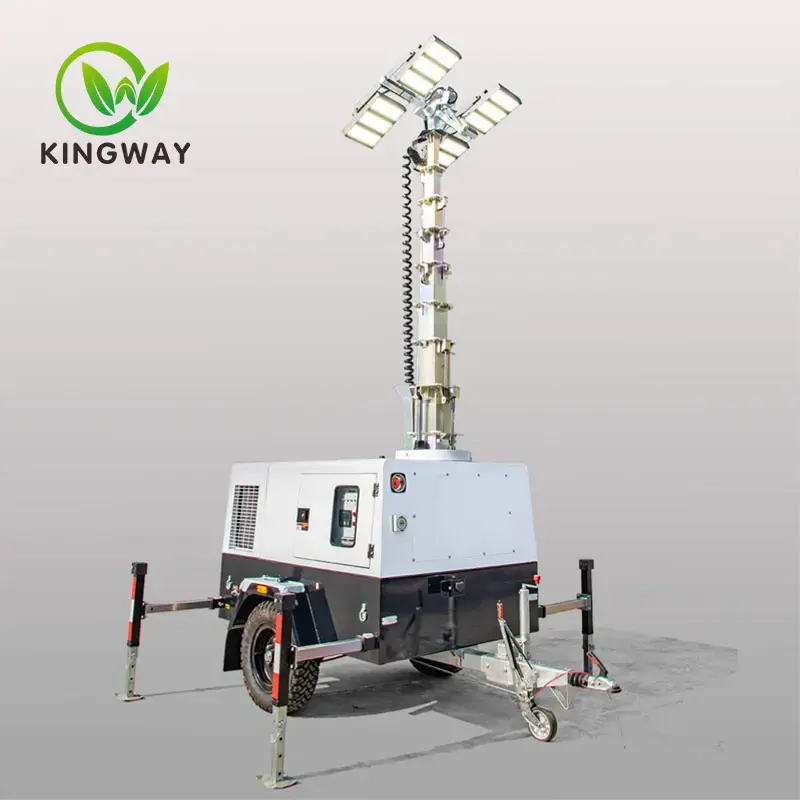
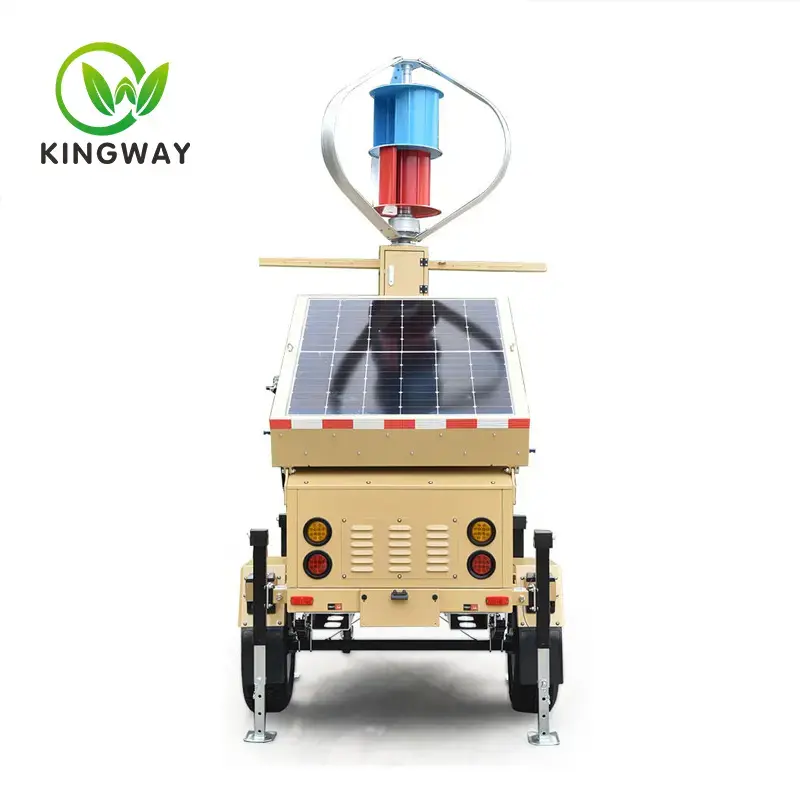
The benefits of Surveillance Trailer in emergency situations
The benefits of Surveillance Trailer in emergency situations
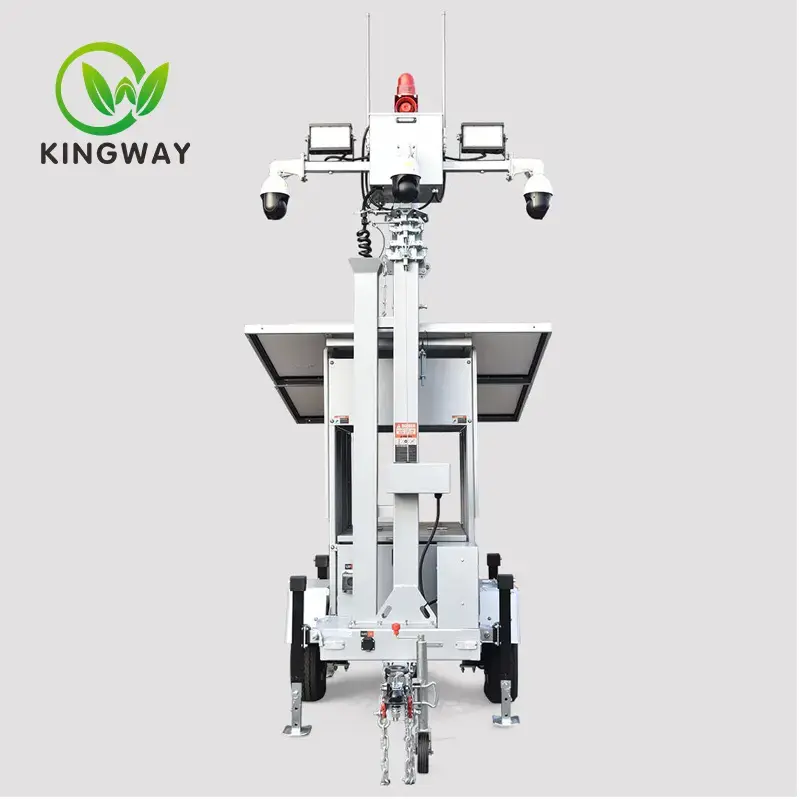
1. Enhanced Situational Awareness
1.1 Real-time Monitoring and Incident Detection
Surveillance trailers offer significant benefits in emergency situations by providing enhanced situational awareness through real-time monitoring and incident detection.
Real-time Monitoring: Surveillance trailers equipped with high-definition cameras and advanced communication systems enable continuous, real-time monitoring of the area. These cameras, often featuring pan-tilt-zoom (PTZ) capabilities and night vision, can capture detailed footage even in low-light conditions. For example, during natural disasters such as hurricanes or earthquakes, mobile surveillance trailers can be deployed to monitor affected areas, providing first responders with live video feeds. This allows emergency personnel to assess the situation accurately and make informed decisions quickly.
Incident Detection: Advanced surveillance trailers are equipped with AI-driven analytics that can detect incidents automatically. Features such as motion detection, facial recognition, and license plate reading enable the system to identify suspicious activities or potential threats in real-time. For instance, in a large-scale emergency response scenario like a wildfire, the trailer can detect unauthorized personnel entering restricted areas and alert authorities immediately. This early detection capability is crucial for preventing further damage and ensuring the safety of both emergency responders and civilians.
Wide Coverage: The mobility of surveillance trailers allows them to cover large areas effectively. Unlike fixed surveillance systems, these trailers can be repositioned as needed to focus on critical areas. In emergency situations, such as during a large public event, the trailers can be strategically placed to monitor entry and exit points, crowd movements, and potential hazards. This wide coverage ensures that no blind spots are left unattended, enhancing overall situational awareness.
Remote Access: Surveillance trailers enable remote monitoring, allowing authorized personnel to access live video feeds and data from anywhere. This feature is particularly useful in emergency situations where on-site access may be limited or dangerous. For example, during a hazardous chemical spill, emergency managers can monitor the situation from a safe location, reducing the risk of exposure and ensuring a coordinated response.
Data Recording: Surveillance trailers are equipped with advanced data recording devices that continuously capture high-definition video. This recorded footage serves as valuable evidence for post-incident analysis and investigation. In the case of an emergency, such as a terrorist attack, the recorded video can be reviewed to identify suspects, understand the sequence of events, and gather crucial information for law enforcement and forensic teams.
2. Rapid Deployment and Flexibility
2.1 Quick Setup in Emergency Zones
Surveillance trailers provide unparalleled rapid deployment capabilities, which are crucial in emergency situations where time is of the essence.
Immediate Deployment: Surveillance trailers can be quickly transported to emergency zones and set up within minutes. Unlike fixed surveillance systems that require extensive installation processes, these trailers are self-contained units that can be operational almost immediately upon arrival. For example, during a sudden natural disaster like a flood or earthquake, surveillance trailers can be deployed to affected areas within hours, providing real-time monitoring and situational awareness to emergency responders.
Adaptability to Terrain: Surveillance trailers are designed to be highly maneuverable and adaptable to various terrains. They can be easily positioned in remote or hard-to-reach areas, ensuring comprehensive coverage even in challenging environments. In emergency situations such as wildfires or remote rescue operations, the trailers can navigate rugged landscapes and provide surveillance in locations where traditional systems would be impractical or impossible to install.
Scalability: The flexibility of surveillance trailers allows for scalable deployment based on the size and complexity of the emergency situation. Multiple trailers can be deployed simultaneously to cover larger areas or to focus on specific high-risk zones. For instance, during a large-scale disaster response involving multiple affected areas, surveillance trailers can be strategically placed to provide continuous monitoring and coordination across different sites.
Temporary or Long-term Use: Surveillance trailers offer the versatility of being used for both temporary and long-term emergency situations. In the aftermath of a disaster, where infrastructure may be damaged or under repair, these trailers can provide ongoing surveillance until permanent systems are restored. This ensures continuous security and monitoring, preventing potential secondary incidents or criminal activities that may arise in vulnerable areas.
Ease of Relocation: One of the key benefits of surveillance trailers is their ease of relocation. If the focus of an emergency response shifts or if new threats emerge in different areas, the trailers can be quickly moved to address the changing situation. This flexibility ensures that surveillance resources are always allocated where they are most needed, maximizing their effectiveness in emergency scenarios.
3. Crime Deterrence and Security
3.1 Prevention of Theft and Vandalism
Surveillance trailers play a crucial role in deterring criminal activities such as theft and vandalism in emergency situations, thereby enhancing overall security.
Deterrent Effect: The presence of surveillance trailers acts as a strong deterrent to potential criminals. The visible cameras and monitoring equipment signal to would-be offenders that their actions are being watched and recorded. For example, in construction sites affected by natural disasters, where valuable materials and equipment are left unattended, surveillance trailers can prevent thefts by discouraging opportunistic criminals.
Continuous Monitoring: Unlike human security personnel who may take breaks or be distracted, surveillance trailers provide uninterrupted 24/7 monitoring. This continuous surveillance ensures that any attempts at theft or vandalism are detected and recorded immediately. In emergency situations like power outages or during the chaos of a disaster response, when traditional security measures may be compromised, surveillance trailers maintain a constant watch.
Wide Area Coverage: Surveillance trailers are equipped with multiple high-resolution cameras that can cover large areas. This extensive coverage makes it difficult for criminals to operate undetected. For instance, in large public areas affected by emergencies, such as parks or evacuation centers, surveillance trailers can monitor multiple entry and exit points, preventing unauthorized access and potential criminal activities.
Immediate Response: In the event of a detected incident, surveillance trailers can trigger alarms and notify security personnel or law enforcement immediately. This rapid response capability minimizes the time window for criminals to carry out their activities, thereby reducing the likelihood of successful theft or vandalism. For example, in a scenario where a trailer detects suspicious movement in a restricted area, it can alert nearby emergency responders to intervene promptly.
Evidence Collection: The recorded footage from surveillance trailers serves as crucial evidence in the event of a crime. High-quality video recordings can help identify suspects, track their movements, and provide detailed information for legal proceedings. This not only helps in bringing criminals to justice but also acts as a deterrent for future criminal activities. For instance, in cases of vandalism during an emergency, the recorded evidence can be used to hold perpetrators accountable and ensure public safety.
Cost-Effective Security: Deploying surveillance trailers is a cost-effective way to enhance security in emergency situations. Compared to the expense of hiring multiple security guards or installing permanent surveillance systems, surveillance trailers offer a flexible and affordable solution. This makes it possible for organizations and authorities to allocate resources more efficiently while still maintaining a high level of security.
4. Resource Protection
4.1 Safeguarding Supplies and Shelters
Surveillance trailers are instrumental in safeguarding critical resources, including emergency supplies and shelters, during emergency situations.
Protection of Emergency Supplies: In disaster-stricken areas, essential supplies such as food, water, and medical equipment are often stored in temporary locations. Surveillance trailers can be deployed to monitor these storage sites, ensuring that supplies are not tampered with or stolen. For example, during a large-scale evacuation due to a hurricane, surveillance trailers can be stationed near supply depots to provide continuous monitoring, protecting valuable resources that are crucial for the survival and well-being of affected populations.
Securing Shelters: Emergency shelters housing evacuees are vulnerable to security breaches. Surveillance trailers equipped with high-definition cameras and perimeter intrusion detection systems can monitor the perimeter of shelters, preventing unauthorized access and ensuring the safety of occupants. In situations like mass evacuations due to wildfires, these trailers can be positioned around shelters to provide a secure environment, allowing relief workers to focus on providing aid.
Asset Management: Surveillance trailers equipped with GPS tracking and inventory management systems can help in the efficient management of resources. This ensures that supplies are distributed effectively and that shelters are maintained in optimal condition. For example, in the aftermath of an earthquake, trailers can track the movement of relief supplies and monitor the condition of temporary shelters, facilitating better coordination and resource allocation.
Enhanced Safety Protocols: The presence of surveillance trailers can enforce safety protocols in and around shelters. By monitoring the activities of both evacuees and relief workers, these trailers can ensure that proper procedures are followed, reducing the risk of accidents and ensuring a safe environment for all. For instance, during a pandemic, surveillance trailers can monitor social distancing and hygiene practices in quarantine shelters, enhancing overall safety.
Support for Relief Operations: Surveillance trailers can support relief operations by providing real-time data on the status of supplies and shelters. This information can be crucial for logistics teams to make informed decisions about resource allocation and distribution. For example, in a flood-affected area, trailers can monitor the water levels around shelters and the condition of supplies, allowing relief teams to respond proactively to any potential issues.
Post-Disaster Recovery: In the recovery phase of an emergency, surveillance trailers can continue to provide security and support. They can monitor the reconstruction efforts, protect temporary housing, and ensure that resources are used efficiently. For example, during the rebuilding of infrastructure after a natural disaster, surveillance trailers can safeguard construction materials and equipment, facilitating a smooth recovery process.
5. Improved Emergency Response Coordination
5.1 Integration with Command Centers
Surveillance trailers significantly enhance emergency response coordination by seamlessly integrating with command centers, providing a unified and efficient approach to managing crises.
Real-time Data Transmission: Surveillance trailers are equipped with advanced communication systems that enable real-time data transmission to command centers. This allows emergency managers to receive live video feeds, incident alerts, and other critical information instantly. For example, during a large-scale emergency such as a wildfire, the command center can monitor the fire’s progression and the activities of first responders through the surveillance trailers, making informed decisions and deploying resources more effectively.
Centralized Control: The integration of surveillance trailers with command centers provides a centralized control platform for managing multiple trailers simultaneously. This centralized approach ensures that all surveillance activities are coordinated and that information is shared efficiently among different response teams. In a scenario involving multiple emergency zones, such as a widespread natural disaster, the command center can direct the surveillance trailers to focus on specific areas of concern, optimizing situational awareness and response efforts.
Enhanced Decision-Making: By providing a comprehensive view of the emergency situation through integrated surveillance data, command centers can make more accurate and timely decisions. The high-resolution video feeds and AI-driven analytics from the trailers offer valuable insights into the nature and severity of incidents, helping emergency managers prioritize actions and allocate resources appropriately. For instance, in a chemical spill emergency, the command center can use the surveillance data to assess the spread of contamination and direct first responders to the most critical areas.
Improved Communication: Surveillance trailers facilitate improved communication between field personnel and the command center. Two-way communication systems installed in the trailers allow operators to relay information and receive instructions directly from the command center. This seamless communication ensures that all parties are aligned and working towards a common goal, enhancing the overall effectiveness of the emergency response. For example, during a search and rescue operation, the command center can guide the field teams based on the real-time surveillance data, improving the chances of locating and assisting victims.
Post-Incident Analysis: The recorded data from surveillance trailers can be accessed and analyzed by the command center after the emergency has been resolved. This post-incident analysis helps in evaluating the effectiveness of the response efforts, identifying areas for improvement, and developing better strategies for future emergencies. The detailed video recordings and incident logs provide valuable evidence and insights for debriefing sessions and training exercises, contributing to continuous improvement in emergency response coordination.
Scalability and Flexibility: The integration of surveillance trailers with command centers is highly scalable and flexible. Additional trailers can be easily added to the network as needed, allowing the command center to expand its surveillance capabilities during large-scale or evolving emergencies. This scalability ensures that the command center always has access to the most comprehensive and up-to-date information, regardless of the size or complexity of the emergency situation.
6. Cost-Effective Security Solution
6.1 Affordable Alternative to Permanent Systems
Surveillance trailers offer a highly cost-effective security solution, particularly in emergency situations where flexibility and adaptability are crucial. Unlike permanent surveillance systems that require significant upfront investment in infrastructure, surveillance trailers provide a more affordable and practical alternative.
Reduced Installation Costs: Permanent surveillance systems often involve extensive installation processes, including wiring, mounting, and integration with existing infrastructure. These installation costs can be prohibitive, especially for temporary or short-term security needs. In contrast, surveillance trailers are self-contained units that can be quickly deployed and set up without the need for extensive installation. For example, in emergency situations such as natural disasters or large-scale events, surveillance trailers can be operational within hours, saving both time and money.
Lower Maintenance Requirements: Permanent surveillance systems require ongoing maintenance to ensure their functionality, which can add to the overall cost. This includes regular inspections, repairs, and updates to the hardware and software. Surveillance trailers, on the other hand, are designed to be low-maintenance. Their modular design allows for easy replacement of componen ts if needed, and their mobility means they can be easily moved to a secure location for maintenance. This reduces the need for frequent on-site maintenance visits, resulting in lower maintenance costs over time.
Scalability and Flexibility: Surveillance trailers provide a scalable security solution that can be easily adjusted based on the size and complexity of the emergency situation. Additional trailers can be added as needed, allowing for expanded coverage without the need for a complete overhaul of the system. This scalability ensures that resources are used efficiently, and costs are kept to a minimum. For example, during a large-scale disaster response involving multiple affected areas, surveillance trailers can be strategically deployed to provide comprehensive coverage without the need for a permanent installation.
Temporary Use: In many emergency situations, the need for enhanced security is temporary. Permanent surveillance systems may not be justified in these cases due to their long-term nature and associated costs. Surveillance trailers offer a flexible solution that can be used for both short-term and long-term security needs. They can be easily relocated or removed once the emergency situation is resolved, making them a cost-effective option for temporary security requirements.
Cost Savings in Personnel: Deploying surveillance trailers can reduce the need for additional security personnel, which can be a significant cost-saving factor. These trailers provide continuous monitoring and real-time alerts, allowing a smaller number of security personnel to effectively manage the situation. For example, in a large public event or during a disaster response, surveillance trailers can monitor multiple areas simultaneously, reducing the number of security guards required on-site.
Return on Investment: The cost of deploying surveillance trailers is often offset by the enhanced security and situational awareness they provide. By preventing theft, vandalism, and other criminal activities, these trailers can save organizations and authorities significant amounts of money in potential losses. Additionally, the recorded footage from surveillance trailers can be used for post-incident analysis and legal proceedings, further justifying their investment.
7. Enhanced Communication and Command
7.1 Remote Access and Real-time Updates
Surveillance trailers significantly enhance communication and command capabilities in emergency situations through remote access and real-time updates.
Remote Access: Surveillance trailers equipped with advanced communication systems enable authorized personnel to access live video feeds and data from remote locations. This feature is crucial in emergency situations where on-site access may be restricted or dangerous. For example, during a hazardous chemical spill, emergency managers can monitor the situation from a safe location, reducing the risk of exposure and ensuring a coordinated response. Remote access also allows multiple stakeholders, such as law enforcement, medical teams, and government officials, to view the same data simultaneously, facilitating better collaboration and decision-making.
Real-time Updates: Surveillance trailers provide continuous real-time updates to command centers and emergency responders. Advanced AI-driven analytics within the trailers can detect incidents and send immediate alerts, ensuring that relevant parties are informed as soon as an event occurs. For instance, in a large-scale public event, if the trailer detects a potential security threat, it can alert security personnel and command centers instantly, allowing for a rapid response. Real-time updates also enable emergency managers to adjust their strategies and resource allocation based on the latest information, improving the overall effectiveness of the response efforts.
Two-way Communication: Many surveillance trailers are equipped with two-way communication systems, allowing operators to interact directly with personnel on the ground. This capability is essential for real-time coordination, facilitating prompt incident reactions, disseminating critical information, and enhancing overall security management at sizable gatherings. For example, during a large concert or sports event, operators can communicate with security guards to address specific incidents or direct crowd movements, ensuring a safe and orderly environment.
Integration with Other Systems: Surveillance trailers can be integrated with other emergency response systems, such as GPS tracking, weather monitoring, and communication networks. This integration provides a comprehensive view of the situation, enabling emergency responders to make more informed decisions. For example, in a natural disaster scenario, surveillance trailers can work in conjunction with weather monitoring systems to provide real-time updates on weather conditions and their impact on affected areas, helping emergency managers to prioritize response efforts.
Data Sharing and Collaboration: The ability to share data in real-time enhances collaboration among different agencies and teams involved in emergency response. Surveillance trailers can transmit data to multiple platforms, allowing for seamless information sharing and coordination. For instance, during a multi-agency response to a wildfire, surveillance trailers can provide live feeds to both local fire departments and state emergency management agencies, ensuring that all parties have access to the same critical information and can work together effectively.
Enhanced Situational Awareness: Remote access and real-time updates from surveillance trailers significantly enhance situational awareness for emergency responders. High-definition cameras with pan-tilt-zoom (PTZ) capabilities and night vision provide detailed visual information, while AI-driven analytics offer actionable insights. This combination allows emergency managers to assess the situation accurately, identify potential threats, and deploy resources effectively, ultimately improving the overall outcome of the emergency response.