

Mobile Lighting Trailer Supplier
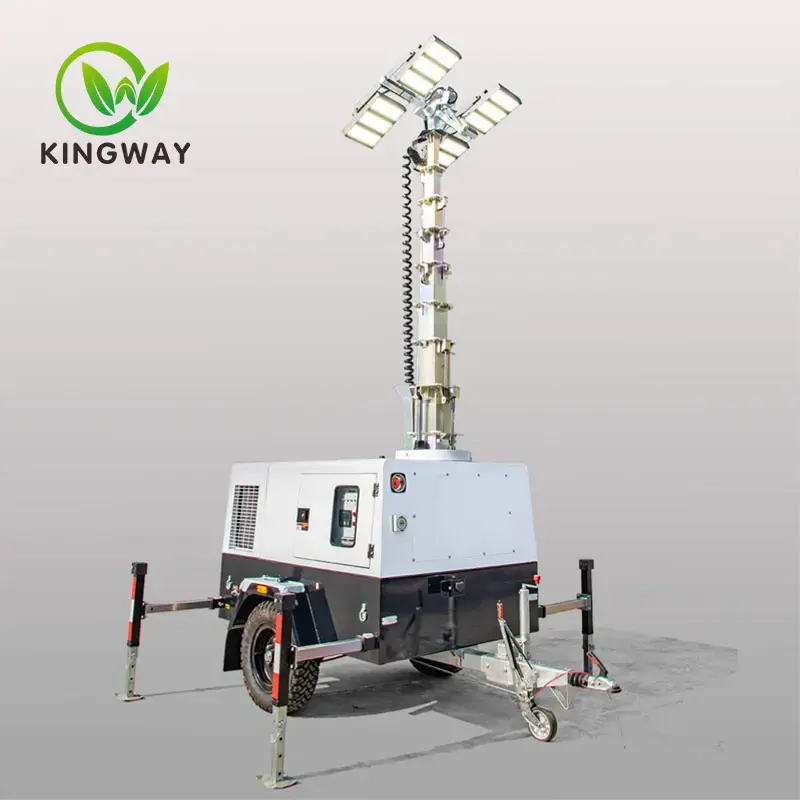
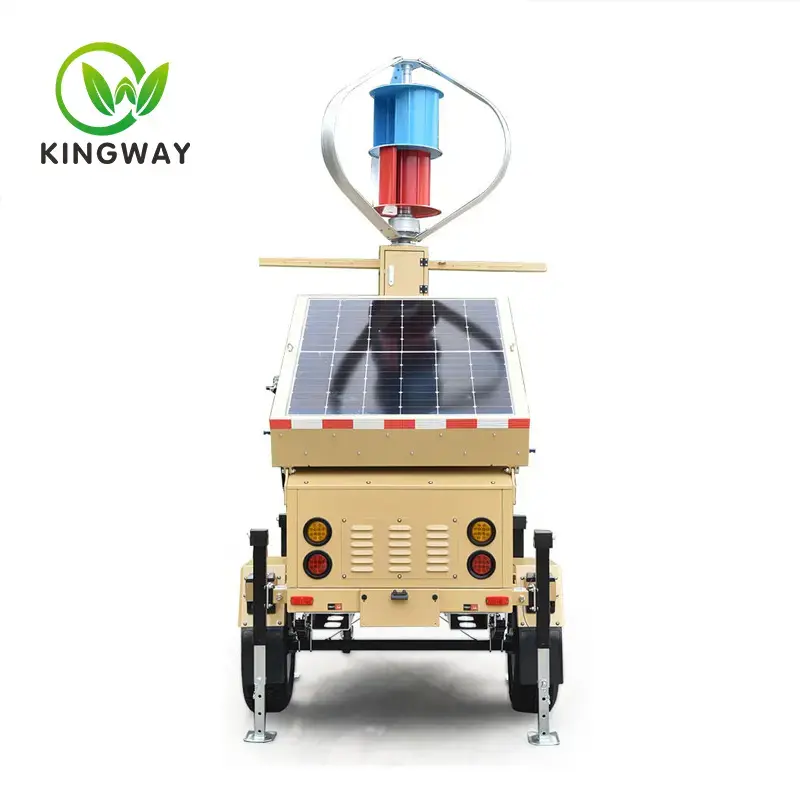
Specific requirements of FCC certification for solar mobile surveillance trailers
Specific requirements of FCC certification for solar mobile surveillance trailers
I. Introduction
In today's globalized economy, the booming international trade has prompted countries to formulate strict certification standards for imported products to ensure the safety and reliability of products. The FCC (Federal Communications Commission) certification in the United States is one of the most influential ones. For high-tech products such as solar mobile surveillance trailers, obtaining FCC certification is a key "pass" for them to enter the US market and many international markets. This article will explore in depth the specific requirements of FCC certification for solar mobile surveillance trailers to help international wholesale buyers and related manufacturers better understand this certification standard, ensure that the products meet the requirements, and smoothly enter the target market.
2. Introduction to FCC certification
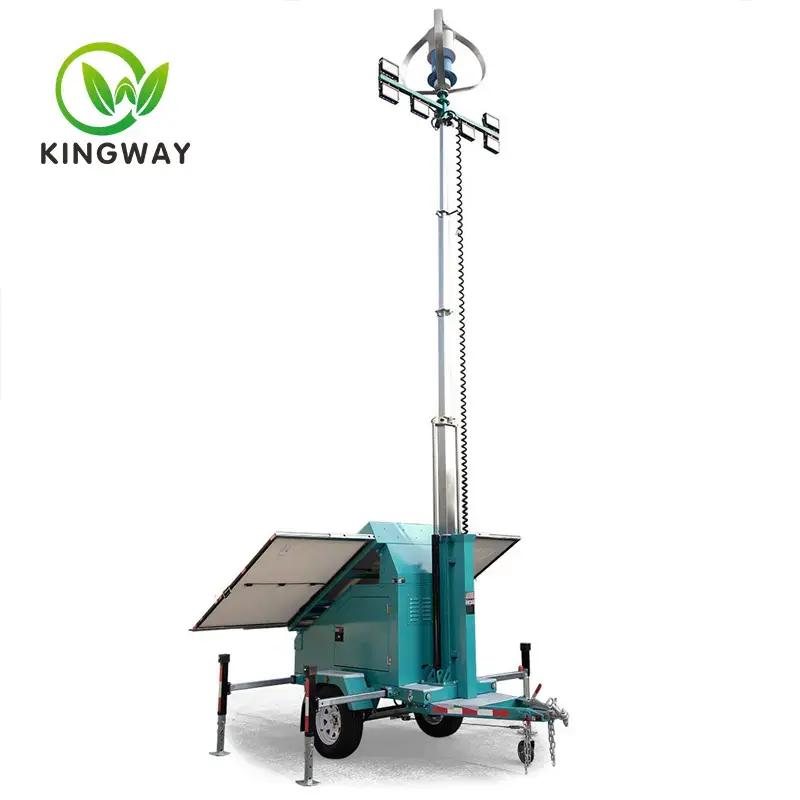
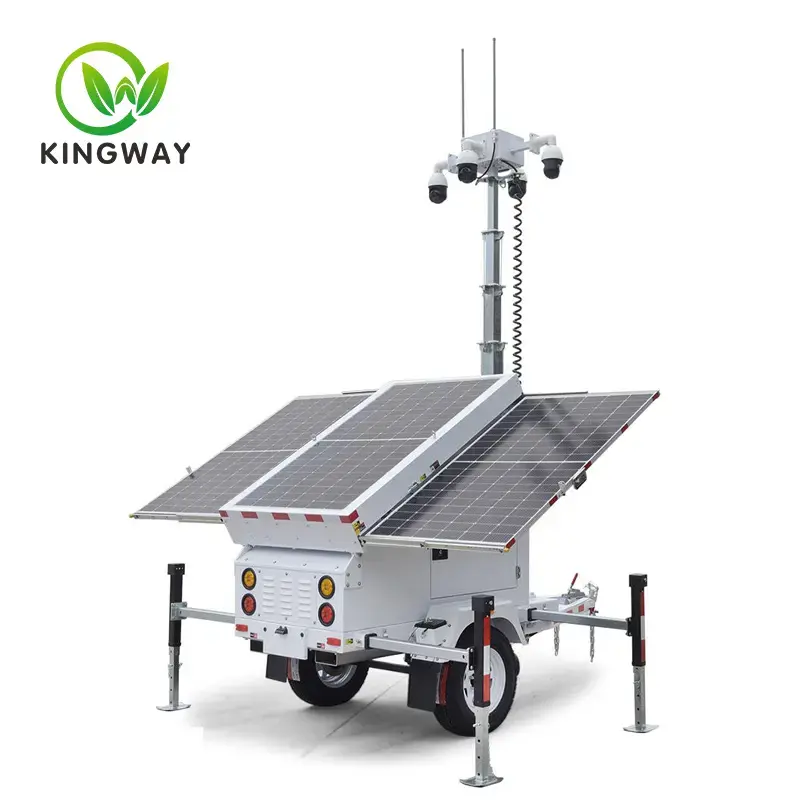
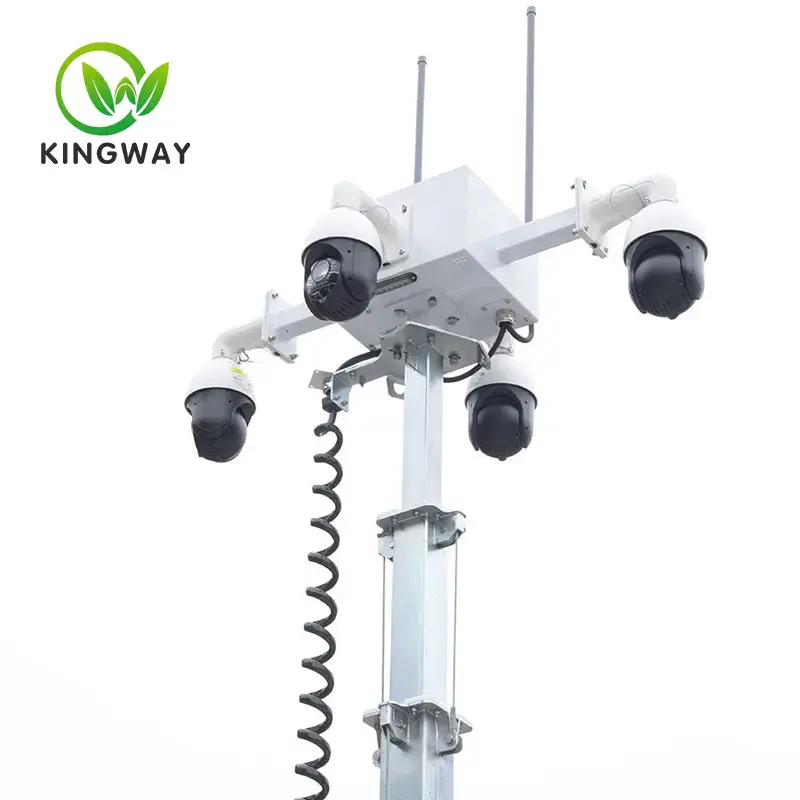
The FCC is an independent agency of the US government responsible for regulating the electromagnetic compatibility (EMC) and radio frequency (RF) performance of radio frequencies, communication equipment and related products in the United States. Its certification system is designed to ensure that all electronic devices sold in the United States will not cause harmful interference to radio communications and meet certain safety standards. FCC certification is particularly important for products such as solar mobile surveillance trailers that integrate multiple electronic devices (such as surveillance cameras, wireless communication modules, solar panels, etc.).
3. Classification of FCC certification
FCC certification is mainly divided into the following types:
FCC Part 15: Applicable to unintentional radiation devices, such as surveillance cameras and wireless communication modules in solar mobile monitoring trailers. These devices may generate radio frequency energy during normal operation, but it is not their main function.
FCC Part 18: Applicable to industrial, scientific and medical equipment (ISM). If the solar mobile monitoring trailer contains ISM band equipment for internal communication or control, it must comply with this part of the requirements.
FCC Part 22: Applicable to public mobile service equipment. Although solar mobile monitoring trailers are generally not involved in such services, if their communication modules involve relevant frequency bands, it is necessary to pay attention to this part of the requirements.
4. Specific requirements of FCC certification for solar mobile monitoring trailers
(I) Electromagnetic compatibility (EMC) requirements
Radiated emission:
All electronic equipment in the solar mobile monitoring trailer (such as cameras, controllers, wireless modules, etc.) must be within the specified frequency range, and their radiated emission levels must not exceed the limits set by the FCC. For example, FCC Part 15 requires that the radiated emission of the device shall not exceed a specific power density limit within the frequency range of 9kHz to 3000GHz.
For solar mobile monitoring trailers, the radiated emission of their wireless communication modules (such as 4G/5G modules, Wi-Fi modules) needs special attention because these modules generate strong radio frequency signals when working.
Conducted Emission:
The electromagnetic interference conducted by the device through the power cord or other wires must also comply with the FCC limit requirements. The power system of the solar mobile monitoring trailer (such as solar panels, batteries, inverters, etc.) may generate conducted interference, which needs to be suppressed by filters and other measures.
Immunity:
The solar mobile monitoring trailer must have a certain anti-interference ability to work normally in the external electromagnetic environment. For example, its monitoring cameras and control systems need to be able to resist electromagnetic interference from other devices (such as nearby radio transmitting equipment).
(II) Radio Frequency (RF) Performance Requirements
Frequency Range:
The wireless communication module in the solar mobile monitoring trailer must operate within its specified frequency range. For example, Wi-Fi modules usually operate in the 2.4GHz and 5GHz frequency bands, while 4G/5G modules operate in higher frequency bands. These frequency ranges must comply with the FCC's allocation and use regulations.
Transmit power:
The transmit power of the device must not exceed the limit specified by the FCC. For example, the FCC has clear restrictions on the transmit power of different frequency bands to avoid interference with other communication devices. The wireless communication module of the solar mobile monitoring trailer needs to strictly control the transmit power during design.
Modulation characteristics:
The modulation method and modulation characteristics of the wireless communication module must also comply with the requirements of the FCC. For example, parameters such as the frequency deviation and modulation index of the modulated signal need to be within the specified range.
(III) Equipment identification and labeling requirements
FCC identification:
Solar mobile monitoring trailers that have passed FCC certification must be marked with the FCC certification logo on their products. The logo usually includes the FCC ID (consisting of the Grantee Code and the Product Code).
Label content:
The product label needs to include the following information: the name and address of the manufacturer or importer, the FCC ID, the declaration of conformity, etc. This information must be clearly legible for verification by users and regulators.
(IV) Testing and Certification Process
Testing Laboratory:
The testing of solar mobile monitoring trailers must be carried out in laboratories approved by the FCC. These laboratories have professional testing equipment and qualifications, and can conduct tests such as radiated emission, conducted emission, and anti-interference ability in accordance with FCC standards.
Certification Agency:
After the test is completed, the manufacturer needs to submit the test report to the certification agency authorized by the FCC. The certification agency will review the test results and issue an FCC certification certificate if it meets the requirements.
Certification Time and Cost:
The average processing time for FCC certification is 60 days. The certification cost includes the testing fee and the review fee of the certification agency. The testing fee varies depending on the complexity of the product and the number of test items.
(V) Other Related Requirements
User Manual and Documentation:
The user manual of the solar mobile monitoring trailer must include the FCC's declaration of conformity. In addition, the manufacturer needs to provide technical documentation of the product, including circuit diagrams, principle descriptions, test reports, etc.
Import and Sales Requirements:
Solar mobile monitoring trailers sold in the United States must comply with the FCC's import and sales requirements. For example, importers need to provide FCC certification certificates and ensure that the products can continue to meet FCC requirements after entering the US market.
5. The significance of FCC certification for international wholesale buyers
For international wholesale buyers, it is crucial to understand the specific requirements of FCC certification for solar mobile monitoring trailers. This not only helps to ensure that the purchased products meet the regulatory requirements of the United States and other markets, avoid returns, fines and other problems caused by non-compliance with standards, but also enhances the credibility and competitiveness of buyers in the market. By purchasing products that meet FCC certification, wholesale buyers can provide customers with high-quality, safe and reliable products to meet the needs of different countries and regions.
6. Summary
FCC certification requirements for solar mobile monitoring trailers cover electromagnetic compatibility, radio frequency performance, equipment identification, testing and certification processes, etc. These requirements are designed to ensure that the product does not cause harmful interference to radio communications during use and meets certain safety standards. For manufacturers and international wholesale buyers, understanding and complying with these requirements is the key to entering the United States and other international markets. By obtaining FCC certification, solar mobile monitoring trailers can better meet market demand and enhance the competitiveness of products.