

Mobile Lighting Trailer Supplier
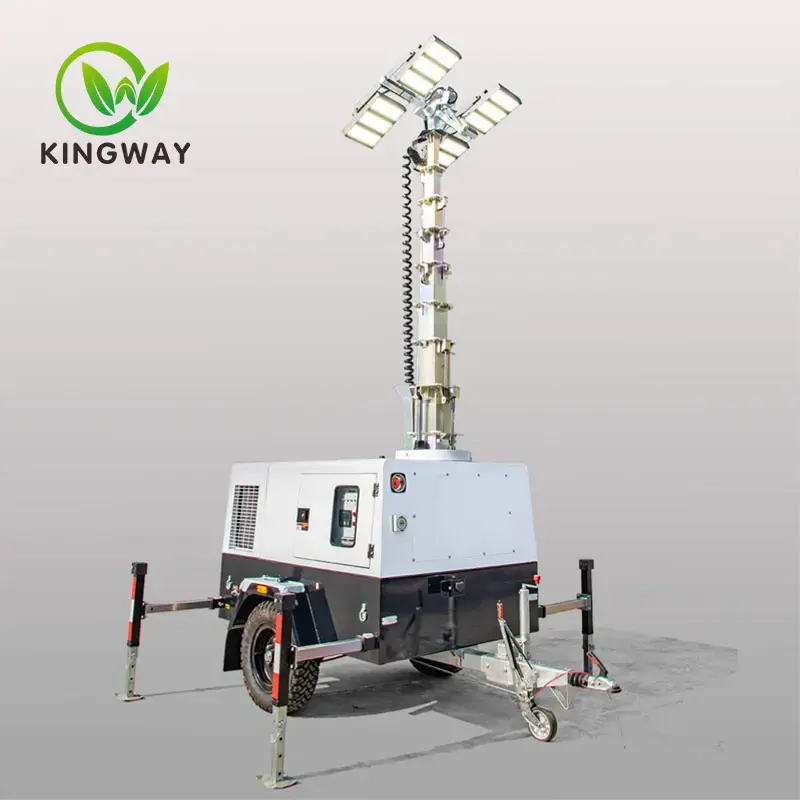
Solar-Powered Monitoring Trailers: Revolutionizing Remote Site Security
Solar-Powered Monitoring Trailers: Revolutionizing Remote Site Security
In today's complex security environment, remote site security has always been a pain point. Whether it's construction sites, mining areas, forest fire zones, or border control zones, these remote locations with weak infrastructure often struggle with traditional monitoring solutions. Difficult cabling, unstable power supply, and high operation and maintenance costs… these issues have long left remote sites vulnerable to security threats. The emergence of solar-powered monitoring trailers, with their innovative technology and flexible application models, is revolutionizing remote site security.
I. The "Enduring Challenge" of Remote Site Security: Why Do Traditional Solutions Fail?
Before exploring the value of solar-powered monitoring trailers, we must first confront the real challenges of remote site security. Traditional monitoring solutions face numerous limitations in these scenarios:
1. Power Supply Issues: "Lack of Power" Becomes a Key Shortcoming
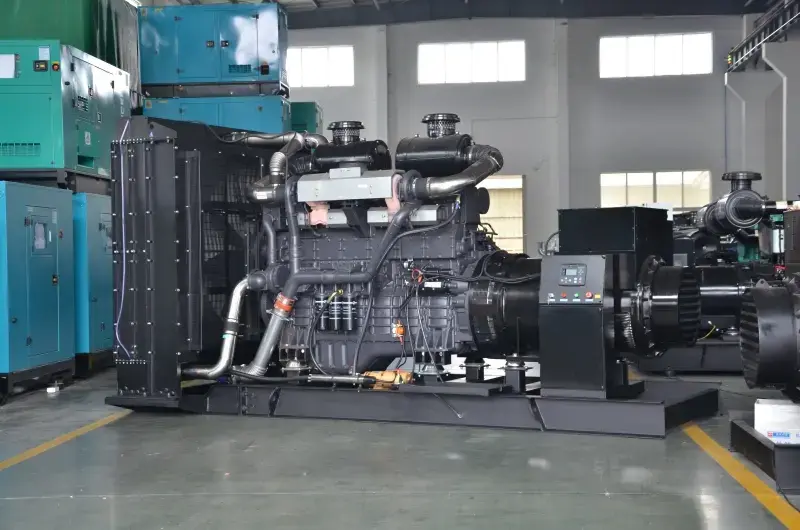
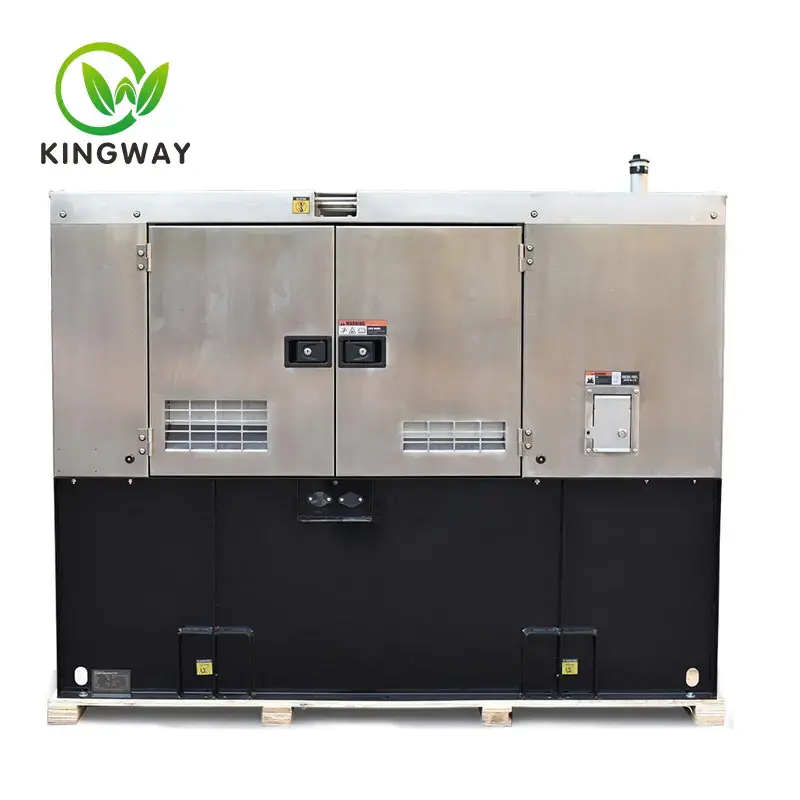
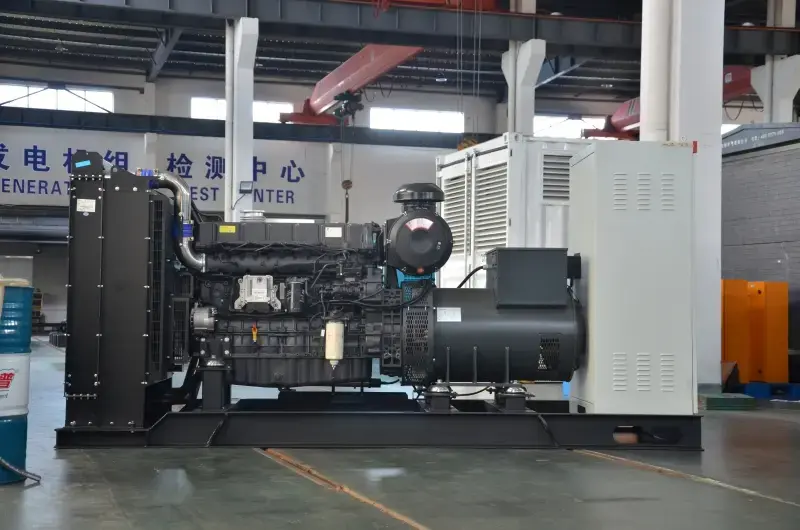
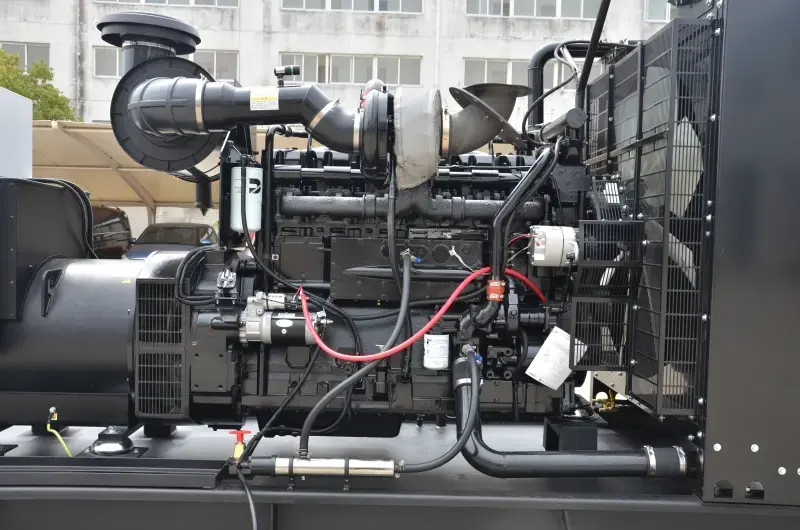
Remote sites are often far from the power grid. Deploying traditional monitoring equipment requires either laying long cables, costing hundreds of thousands of yuan, or relying on Diesel Generators for power. Frequent refueling and equipment maintenance not only consumes manpower and resources, but also creates risks such as oil leaks and noise pollution. More critically, if a generator fails or runs out of fuel, the monitoring system goes offline, creating a safety gap.
2. Complicated Wiring: "No Access" Limits Coverage
Traditional monitoring systems rely on network cables or fiber optic cables to transmit data. Remote sites often face complex terrain—mountains, deserts, and forests. Wiring installation is extremely challenging, not only damaging the on-site ecosystem but also potentially preventing coverage of critical areas due to terrain restrictions. Even if wiring is successfully completed, subsequent maintenance presents significant challenges. Wind, sun, and animal bites can cause line breakage, potentially disrupting security protection.
3. Inefficient Operations and Maintenance: "Distant Water Can't Put Out a Near Fire"
Remote sites are located in remote areas. If monitoring equipment malfunctions, operations and maintenance personnel often have to travel long distances to reach the site. This not only results in long repair cycles but also incurs high travel and labor costs. More importantly, during the malfunction, the site is unmonitored, making security incidents like theft and vandalism highly likely to occur, causing irreparable damage to the enterprise.
These pain points have left remote site security in a state of "passive defense"—high investment, poor results, and high risk. The emergence of solar-powered surveillance trailers precisely addresses these pain points.
II. Solar-powered surveillance trailers: Redefining remote site security with a "mobile guardian"
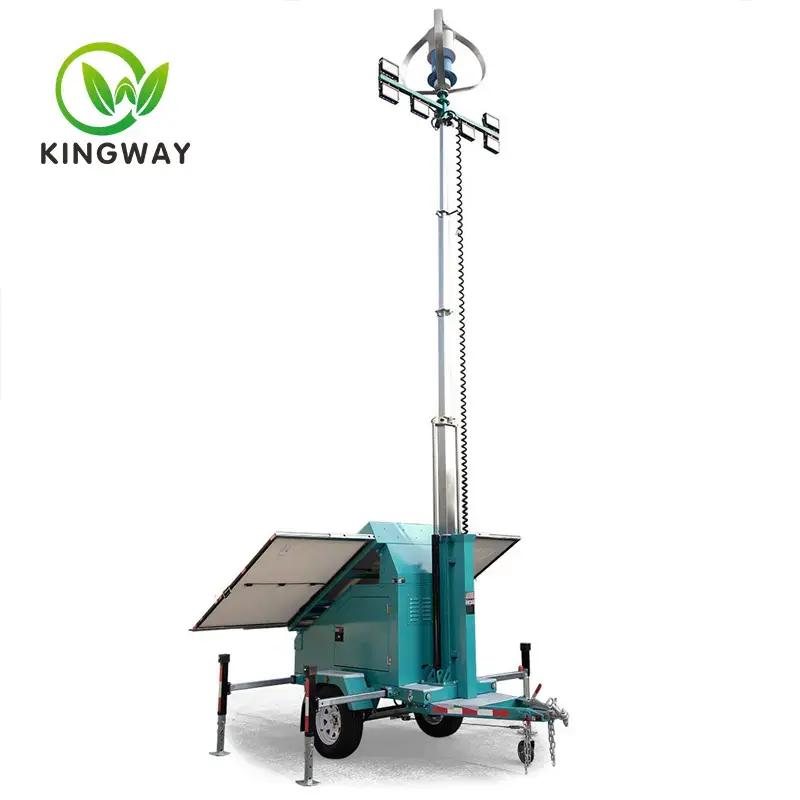
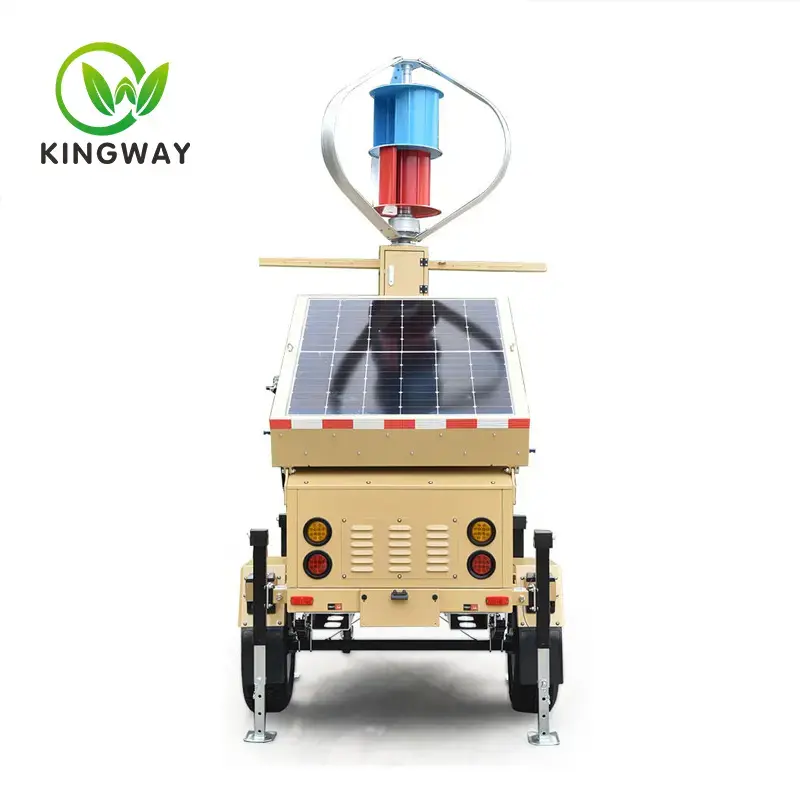
Solar-powered surveillance trailers are more than just a combination of "solar panels + surveillance cameras + trailers." Rather, they are an integrated solution that combines clean energy power, intelligent monitoring, flexible mobility, and remote operations and maintenance. Its core advantage lies in its complete elimination of reliance on traditional power grids and fixed lines, transforming security protection from "fixed monitoring" to "mobile coverage" and from "passive response" to "active early warning."
1. Clean Energy Power: 24/7 Uninterrupted Power, Zero Pollution, Zero Cost
The solar monitoring trailer's core power source is a high-efficiency solar panel, paired with a large-capacity energy storage battery pack, forming a closed-loop system of "daytime power generation and storage + nighttime power supply." Even in rainy weather, the energy storage battery ensures continuous operation for 3-7 days (the specific duration depends on the battery capacity and device power consumption).
Compared to traditional diesel generators, solar power solutions offer three major advantages:
Zero-cost operation: No fuel purchases are required, resulting in virtually zero ongoing operating costs;
Zero pollution and zero noise: No exhaust emissions or mechanical noise are generated, making it particularly suitable for environmentally sensitive locations such as ecological conservation areas and residential areas;
Low maintenance: The solar panels and energy storage batteries have a lifespan of 5-10 years, requiring only regular cleaning, making maintenance costs far lower than traditional equipment.
2. Flexible and Mobile Design: "Deploy Wherever You Need It"
The solar-powered surveillance trailer utilizes a high-strength trailer chassis equipped with a liftable frame and stabilizing legs. It can be quickly moved by vehicle towing or deployed on-site – requiring no complex installation. Upon arrival, it can be secured, debugged, and operational within 15-30 minutes.
This flexibility enables it to handle a variety of complex scenarios:
Construction sites: Relocate as construction progresses, covering different construction areas;
Mining: Dynamically monitor temporary mining sites and transportation corridors;
Forest fire prevention: Rapidly deploy to key fire prevention areas during peak fire seasons;
Emergency rescue: After disasters such as earthquakes and floods, temporary surveillance points can be quickly established to assist in rescue operations in the event of power and communication outages.
3. Intelligent Monitoring System: Beyond "Visibility," Providing "Early Warning"
The solar-powered surveillance trailer is not equipped with ordinary cameras; it incorporates intelligent monitoring equipment that integrates high-definition night vision, AI intelligent recognition, infrared thermal imaging, and audio and visual alarms. It provides:
24/7 clear surveillance: 1080P/4K HD imaging during the day, and infrared night vision for clear footage within a 0-50 meter range, even in the dark.
AI Intelligent Identification and Warning: Using built-in algorithms, it automatically identifies security risks such as intrusion, unusually parked vehicles, fire and smoke detection, and object movement, and sends real-time warnings to the backend (via SMS, app push, and platform alerts), allowing managers to instantly grasp on-site dynamics.
Multi-device linkage: Some high-end models can also be equipped with a sound dispersal device and LED warning lights. Upon detecting an anomaly, they automatically emit bright light and sound warnings, providing a proactive deterrent to potential threats and reducing the likelihood of security incidents.
4. Remote Operation and Management: "Control the whole situation from home."
The solar-powered surveillance trailer supports 4G/5G wireless network transmission. Managers can view real-time surveillance footage and device operating status (such as solar power generation, battery level, and device temperature) via a computer platform or mobile app, and remotely adjust the device (such as adjusting camera angle and setting warning parameters). If a device malfunctions (such as a camera going offline or the battery running low) the system automatically sends a fault alert and identifies the fault type. For simple faults, operations and maintenance personnel can resolve them remotely. For issues requiring on-site attention, the device's location can be precisely located, reducing unnecessary travel and significantly improving operations and maintenance efficiency.

III. Practical Scenario Verification: How Do Solar Monitoring Trailers Solve "Real Problems"?
Theoretical advantages must be validated through practical application. In the following typical scenarios, solar monitoring trailers far outperform traditional solutions, making them a must-have for enterprise security.
Scenario 1: Construction Sites - Preventing Material Theft and Ensuring Construction Safety
A large construction company faced a long-standing problem with material theft at a suburban residential project. After construction workers evacuated at night, materials such as rebar and cables were frequently stolen from the site, with losses reaching tens of thousands of yuan per incident. The previously deployed fixed monitoring system was ineffective due to unstable power supply and limited coverage. Hiring security patrols was labor-intensive and had blind spots. After introducing solar-powered surveillance trailers, the company dynamically deployed three devices based on construction progress at key locations, including material storage areas, site entrances and exits, and perimeter walls. Using AI-powered intelligent recognition, the system automatically distinguishes between "construction personnel" and "outsiders." If unauthorized intrusion is detected at night, an alert is immediately sent to project management and an on-site audible and visual alarm is activated. Three months after implementation, theft incidents on the construction site dropped to zero. Furthermore, through real-time monitoring to enforce construction safety regulations, the rate of violations also decreased by 40%.
Scenario 2: Forest Fire Prevention - Early Warning, Nipping Fires in the Bud
A provincial nature reserve covers a vast area, posing a daunting task for forest fire prevention. Traditional fire monitoring relies primarily on watchtowers and manual patrols. However, watchtower coverage is limited, manual patrols are difficult to conduct in inclement weather, and 24/7 monitoring is impossible. This results in numerous small fires escalating due to untimely detection. The reserve introduced 10 solar-powered surveillance trailers and deployed them along ridgelines and at the entrances of key forest areas at high altitudes with wide views. The infrared thermal imaging cameras on these trailers can accurately detect "fire signals" within a 3-kilometer range, day and night, even detecting sparks as small as cigarette butts. Once a fire is detected, the system immediately sends an alert to the fire control center, noting the fire's location (integrated with GPS positioning). The command center can then quickly dispatch personnel based on the alert information. During the 2024 fire prevention period, the reserve used solar-powered surveillance trailers to alert 12 small fires, all of which were extinguished within an hour, preventing any large-scale fires. This protected the ecological environment while significantly reducing firefighting costs.
Scenario 3: Temporary Events/Events - Rapidly Establishing a Safety Line
A city hosting a marathon required full security monitoring of the 42-kilometer course, particularly in suburban areas where fixed surveillance equipment was unavailable and temporary cables could not be laid. The race organizing committee rented six solar-powered surveillance trailers and quickly deployed them at key points along the course, such as sharp turns, aid stations, and crowded areas, enabling real-time monitoring of the entire race. During the race, the system successfully identified and issued warnings for three incidents of spectators trespassing on the track, ensuring a safe and orderly event. After the race, all equipment was recovered in just two hours, requiring no subsequent maintenance. Compared to traditional temporary wiring solutions, this reduced costs by 60% and increased efficiency by three times.
IV. How to Choose the Right Solar-Powered Surveillance Trailer? Key Parameters Here
There is a wide variety of solar-powered surveillance trailers on the market, and their quality varies widely. When selecting a product, companies should focus on the following key parameters to ensure it meets their specific needs:
1. Solar Panels and Energy Storage Batteries: Determine "Battery Life"
Solar Panel Power: We recommend monocrystalline silicon panels with a power output of 200W or higher, which offer higher conversion rates (typically 20%-23%) and are suitable for areas with average sunlight.
Energy Storage Battery Capacity: Choose based on device power consumption and the duration of local rainy weather. If the system needs to withstand continuous rain, Lithium Batteries with a capacity of 100Ah or higher are recommended. (Lithium batteries are compact, lightweight, and have a long cycle life, surpassing traditional lead-acid batteries.)
Battery Life: Manufacturers should provide a clear "no-sunlight battery life" indicator to ensure continued operation in extreme weather conditions.
2. Surveillance Equipment Configuration: Determines "Surveillance Performance"
Camera Pixels: Choose at least 2 megapixels (1080p). For long-distance monitoring (such as in mines and forest fire prevention), we recommend a camera with 4 megapixels or higher and a 10x or higher optical zoom lens.
Night Vision: Choose dual-mode "infrared night vision + white light fill." Infrared night vision has a range of at least 30 meters, and white light fill provides color images when needed, making it easier to identify details.
AI Capabilities: Select supported recognition types based on your needs, such as "personnel recognition," "vehicle recognition," and "fire and smoke detection." Ensure the algorithm accuracy is above 90% to reduce false alarms.
3. Network and Transmission: Determines Remote Control Capabilities
Network Module: Prefer devices that support 4G full network access (China Mobile, China Unicom, and China Telecom) to ensure stable connectivity even in remote areas. If Wi-Fi or fiber optic connections are available on-site, models that support wired networks can be selected to reduce data costs.
Transmission Stability: The device must support "reconnect after network disconnection" and "video caching" features to prevent video loss due to network fluctuations.
4. Structure and Materials: Determine Durability
Trailer Chassis: Choose a chassis made of high-strength steel with a load capacity of at least 500kg to ensure stable operation on complex terrain.
Protection Level: The overall equipment protection level must meet IP65 or higher, and the camera protection level must meet IP66 or higher, ensuring protection against rain, dust, high and low temperatures, and other harsh environments (the recommended operating temperature range is -30°C to 60°C).
Wind Resistance: The bracket and support legs must be able to withstand winds of force 10 or higher, especially in open outdoor environments to prevent the equipment from being blown over.
5. Future Trends: Solar Monitoring Trailers Will Become Smarter and More Integrated
With the development of the Internet of Things and artificial intelligence technologies, the functionality of solar monitoring trailers will be further upgraded, and three major trends will emerge in the future:
1. Multi-Sensor Fusion: From "Visual Monitoring" to "All-Round Perception"
Future solar monitoring trailers will not only be equipped with cameras, but will also integrate temperature and humidity sensors, gas sensors, vibration sensors, and other devices to enable comprehensive collection of environmental data. For example, around chemical parks, hazardous gas concentrations can be monitored in real time; along railway lines, track vibration can be detected to provide early warning of safety hazards.
2. AI Algorithm Upgrade: From "Simple Identification" to "Scenario-Based Analysis"
AI algorithms will be more precise and scenario-based. For example, at construction sites, they can automatically identify violations such as "not wearing a hard hat" and "throwing objects from heights." In logistics parks, they can automatically count the number of vehicles entering and exiting, as well as the loading and unloading status of cargo, achieving the dual functions of "safety monitoring + operations management."
3. Multi-Device Interaction: Integration into the "Smart Security Ecosystem"
Solar-powered monitoring trailers will be integrated with drones, smart access control systems, and early warning broadcasts. For example, if an intruder is detected, a drone can be automatically dispatched to the scene for inspection and an alert can be issued via early warning broadcasts. Simultaneously, the warning information will be synchronized with the park management system, achieving a closed-loop management system of "detection - warning - action."
Conclusion: From "Passive Defense" to "Active Protection," Solar-Powered Monitoring Trailers Usher in a New Era of Remote Security
For remote site security, the value of solar-powered monitoring trailers lies not only in solving the practical challenges of power supply, cabling, and maintenance, but also in redefining the security model—from "fixed, passive, and high-cost" to "mobile, active, and low-cost."
Whether at construction sites, mines, forests, emergency rescue operations, or temporary events, solar-powered monitoring trailers offer the flexibility of "where needed" and the reliability of "24/7 uninterrupted service and intelligent early warning," becoming "mobile security guards" for remote sites.