

Mobile Lighting Trailer Supplier
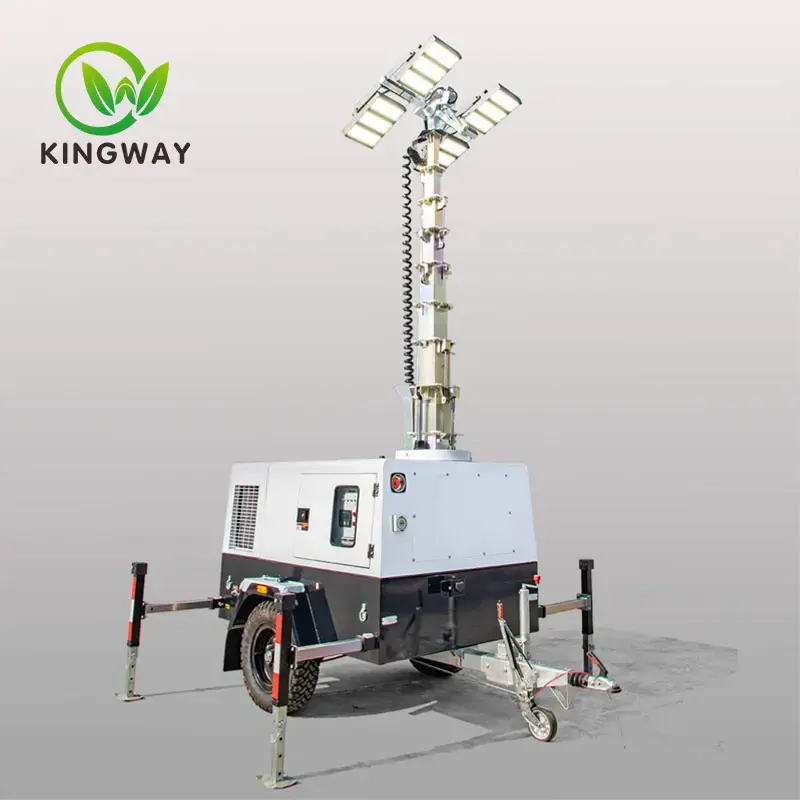
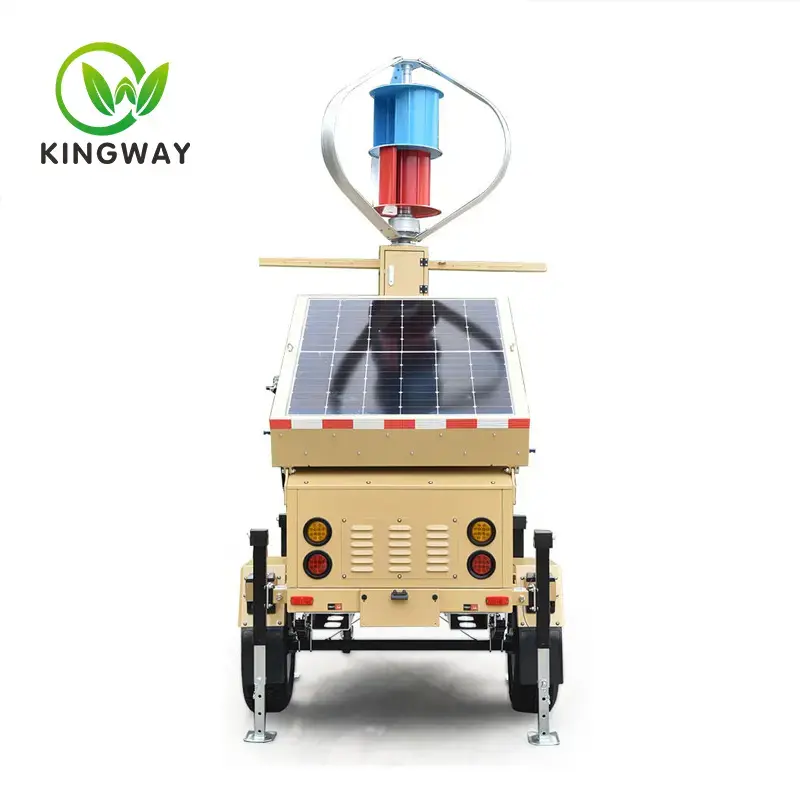
Solar-Powered Mobile Lighting Trailer for Field Operations
Solar-Powered Mobile Lighting Trailer for Field Operations
In uninhabited geological exploration sites, late-night mining operations, and emergency rescue front lines in remote areas, stable and reliable lighting is always a core element for ensuring operational safety and efficiency. Traditional lighting equipment relies on fuel power, facing not only refueling difficulties but also causing pollution and noise pollution. The emergence of solar-powered mobile lighting trailers has completely redefined the logic of field lighting. This article will analyze the practical value of this field operation equipment from five dimensions: pain point solutions, core advantages, scenario adaptation, use and maintenance, and technological trends.
1. Core Pain Points of Field Operation Lighting and the Rise of Solar Solutions
2. Four Core Performance Advantages of Solar-Powered Mobile Lighting Trailers
3. Multi-Scenario Adaptation: Full-Scenario Coverage from Mining to Rescue
4. Scientific Use and Maintenance: Practical Techniques for Extending Equipment Lifespan
5. Technological Iteration Direction: The Intelligent Trend of Future Field Lighting
I. Core Pain Points of Field Operation Lighting and the Rise of Solar Solutions
The complex environment of field operations presents multiple challenges to lighting equipment. First, there's the challenge of energy supply—the lack of power grid coverage in remote areas necessitates frequent diesel transport for fuel-powered generators, increasing transportation costs and potentially leading to supply disruptions in mountainous and desert terrains. Second, there's insufficient environmental adaptability. Traditional lighting equipment is prone to short circuits and shutdowns in extreme weather conditions such as high temperatures, heavy rain, and sandstorms. Industry statistics show that the average annual failure rate of traditional lighting equipment in field operations is as high as 15%-20%, with nighttime lighting outages exceeding 10%. Furthermore, the noise and exhaust fumes generated by fuel-powered equipment affect the health of workers and pollute ecologically sensitive areas.
The emergence of solar-powered mobile lighting trailers precisely addresses these pain points. With the maturity of photovoltaic technology, the photoelectric conversion efficiency of monocrystalline silicon solar panels has increased from 18% in 2020 to 22.5% in 2023. Combined with high-efficiency energy storage batteries and intelligent control systems, a closed-loop model of "solar power supply and autonomous power generation" has been achieved. This fuel-free, zero-emission characteristic makes it highly favored in environmentally conscious outdoor areas, while also completely eliminating reliance on traditional energy sources, making it a "reliable light source" for field operations.
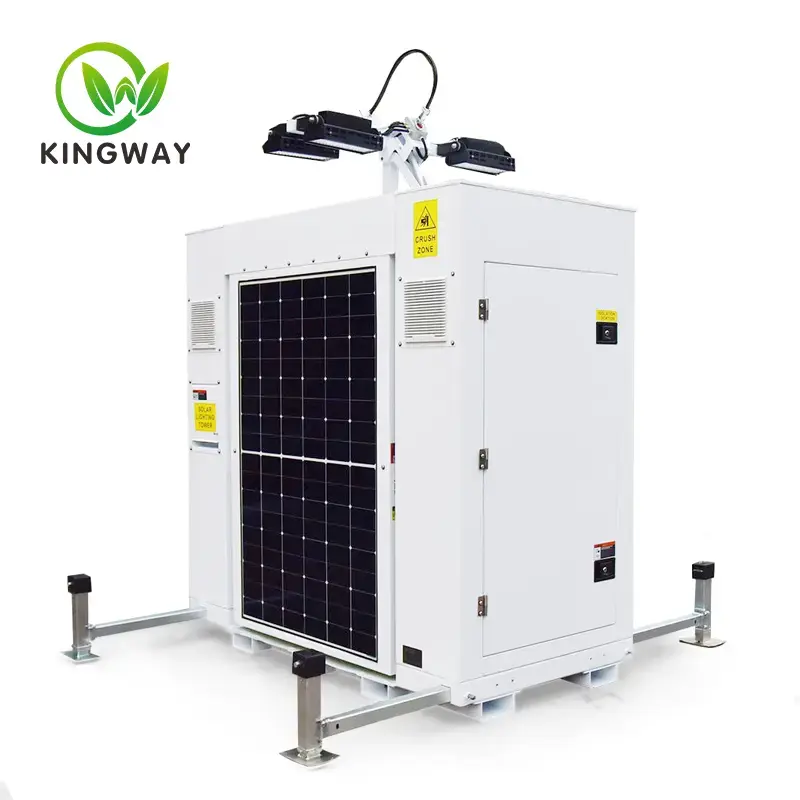
II. Four Core Performance Advantages of Solar-Powered Mobile Lighting Trailers
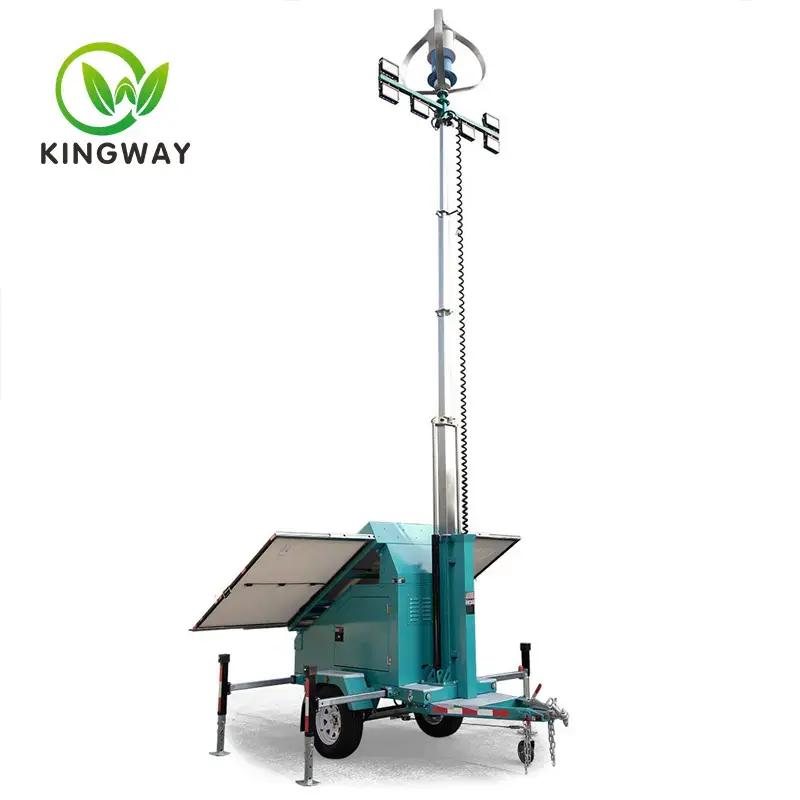
A qualified solar-powered mobile lighting trailer for field operations must possess four core characteristics: strong lighting, long battery life, high reliability, and easy mobility. These advantages collectively constitute its irreplaceable practical value.
1. High-Efficiency Lighting: Dual Guarantee of Brightness and Range Field operations often require large-area, high-brightness lighting coverage. Mainstream products typically feature 4-6 100W high-efficiency LED light sources, with a luminous flux of up to 150LM/W. Each lamp head can achieve 360-degree horizontal adjustment and 0-90-degree vertical adjustment, with an overall lighting radiation range of 100-200 meters. The 6000K cool white light color temperature is close to natural light, effectively reducing visual fatigue for operators. In scenarios such as precision equipment operation and emergency rescue, it can clearly present object details, reducing the rate of operational errors. 1. **Long-lasting Power:** LED light sources have an average lifespan of up to 80,000 hours, far exceeding that of traditional halogen lamps, reducing the hassle of replacing light sources in the field.
2. **Long-lasting Power:** Photovoltaic and energy storage systems work synergistically. Power endurance directly determines the practical value of lighting equipment. High-quality products typically use three 300W monocrystalline silicon solar panels, coupled with four 200AH gel batteries or lithium iron phosphate batteries. Under sufficient sunlight, a 10-16 hour charge can meet 16-20 hours of continuous lighting needs. Some high-end models are equipped with MPPT intelligent controllers, increasing photovoltaic conversion efficiency to up to 99%, maximizing Solar Energy capture even in low-light conditions such as cloudy or overcast days. Simultaneously, the battery pack supports 1000 charge-discharge cycles, with overcharge, over-discharge, and over-temperature protection functions to ensure the stability and lifespan of the energy storage system.
3. **Extreme Adaptability:** Reliable operation in all environments. The complex climates of field operations place stringent demands on equipment protection performance. The core components of this professional solar-powered mobile lighting trailer all meet IP65 protection standards, making it rainproof and water-resistant, and capable of normal operation even in heavy rain. The body is made of powder-coated metal and equipped with four 1000-pound outriggers, providing wind resistance up to level 8, maintaining stability even in severe weather conditions such as typhoons and sandstorms. The solar panels utilize nano-coating technology, reducing dust accumulation and minimizing the impact of dust on power generation efficiency. Its wide operating temperature range of -20°C to 60°C allows it to adapt to various environments, including high altitudes, frigid zones, and tropical regions.
4. Flexible Mobility: Convenient Deployment and Transportation As a "mobile lighting" device, convenience is paramount. The product typically features a compact design of 2200×1350×2450mm, weighing around 900KG. Equipped with 165/70R14 off-road tires and a ring towing device, it can be easily towed by ordinary pickup trucks or SUVs, and can travel smoothly even on unpaved roads. The solar panels feature a three-layer, pull-out folding structure, allowing for rapid unfolding and storage via drawer-style heavy-duty rails. Combined with a hand-cranked or hydraulic lifting rod, the light head can be raised to a height of 5-9 meters. Operators can deploy the equipment within 10 minutes without specialized tools.
III. Multi-Scenario Adaptability: Covering All Scenarios from Mining to Rescue
The flexibility and reliability of the solar-powered mobile lighting trailer make it adaptable to various field operation scenarios, becoming a cross-industry "universal lighting solution."
Mining and Engineering Operations: Mining, road construction, and other similar scenarios often require 24-hour continuous operation, and lighting equipment must withstand dust and vibration. The dustproof structure and stable lighting characteristics of the solar-powered mobile lighting trailer can meet the needs of nighttime operations such as post-blasting cleanup and equipment maintenance. Its zero-emission characteristics also meet mining environmental protection requirements, avoiding the health impact of fuel generator exhaust on underground workers.
Geological Exploration and Scientific Research: Geological exploration teams often venture into uninhabited areas, making the portability and battery life of lighting equipment crucial. The device's foldable design facilitates transport to remote areas, and its USB charging port can also serve as an emergency power source, charging walkie-talkies, total stations, and other equipment, solving power supply problems for field communication and surveying equipment. In areas with extremely high environmental requirements, such as archaeological sites, its zero-noise operation avoids interfering with archaeological work.
Emergency Rescue and Disaster Relief: After disasters such as earthquakes and floods, power facilities are often severely damaged. Solar-powered mobile lighting trailers can quickly reach the scene to provide emergency lighting, ensuring the opening of rescue routes and the search and rescue of trapped personnel. Some models support light-controlled and time-based control modes, automatically activating lighting according to ambient brightness, reducing the number of steps required by rescue personnel and allowing them to focus on disaster relief work.
Outdoor Events and Activities: Marathons, trail running races, and other outdoor events require stable lighting at night for aid stations and medical stations. The rapid deployment capability of solar-powered mobile lighting trailers can meet temporary lighting needs, and their environmentally friendly characteristics align with the "green concept" of outdoor events, avoiding fuel pollution generated by the events.
IV. Scientific Use and Maintenance: Practical Tips for Extending Equipment Lifespan
The lifespan of a solar-powered mobile lighting trailer depends not only on product quality but also on proper use and maintenance. Mastering the following techniques can effectively reduce equipment failure rates and extend its lifespan.
Daily Operation: Avoiding Common Mistakes
Avoid storing the equipment for extended periods with a depleted battery, as this can lead to battery sulfation, increasing the capacity decay rate by more than three times. When deploying the equipment, choose an unobstructed, open area to ensure the solar panels receive ample sunlight. Avoid obstruction by trees or mountains, which can reduce power generation efficiency—data shows that dust can reduce solar panel power generation by 30%, while poor wiring connections can account for up to 15% of losses. Raise or lower the light pole slowly to avoid violent shaking that could damage the mechanical structure. After use, promptly store the solar panels to prevent impact from foreign objects.
Regular Maintenance: Focus on Three Key Components. Solar panels require weekly cleaning; wipe away dust and dirt with a soft cloth dampened with water, avoiding the use of corrosive cleaning agents. Battery Packs (except for gel batteries) require quarterly checks of electrolyte levels, ensuring terminals are secure and free of rust. Lighting systems require regular checks of lamp head sealing and wiring insulation; replace any damaged parts immediately to prevent rainwater ingress and short circuits. Before extreme weather, move the equipment to higher ground, retract the boom, and secure it.
Troubleshooting: Quick Solutions for Simple Problems. If lighting interruptions occur, first check the controller indicator lights. If the battery is low, switch to backup power mode and recharge immediately. If a single lamp head is not working, it's often a wiring contact issue; try unplugging and replugging the lamp head wiring. If solar panel efficiency decreases, in addition to cleaning the surface, check for shading or angle misalignment, and adjust to the optimal light-receiving angle.
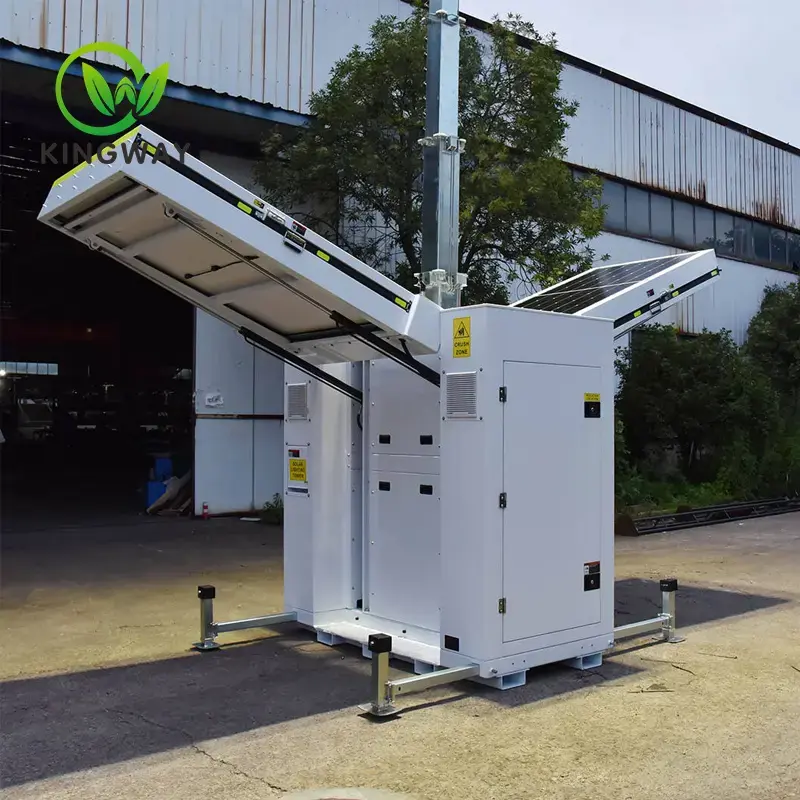
V. Technological Iteration Direction: The Future Trend of Intelligent Outdoor Lighting
With the integrated development of photovoltaic, energy storage, and intelligent technologies, solar-powered mobile lighting trailers are evolving towards greater intelligence, efficiency, and energy capacity, providing more comprehensive support for field operations in the future.
Intelligent Control Upgrades: Next-generation products will generally integrate light sensors, timer control, and remote communication modules, enabling unattended operation with automatic light on/off at dawn. Through mobile apps or IoT platforms, operators can remotely monitor the equipment's power level, lighting status, and even adjust light brightness and angle, reducing on-site operational risks in harsh environments. Some high-end models will also include automatic fault alarm functions, providing real-time notifications of equipment malfunctions for rapid maintenance.
Improved Energy Storage and Power Generation Efficiency: With the mass production of N-type TOPCon photovoltaic modules, solar panel conversion efficiency will exceed 25%, further reducing the cost per kilowatt-hour. In terms of energy storage, the energy density of new lithium iron phosphate batteries will increase by 30%, achieving longer range in the same volume, while reducing charging time to less than 4 hours. Pilot applications of hydrogen-electric hybrid energy storage technology will solve the energy replenishment problem during prolonged periods of cloudy and rainy weather, achieving coordinated power supply from multiple energy sources including solar power, energy storage, and hydrogen.
Multi-functional integration and expansion: Future solar-powered mobile lighting trailers will no longer be limited to lighting functions but will transform into "mobile energy stations in the field." In addition to providing USB charging ports, they will integrate emergency broadcasting, video surveillance, and environmental monitoring functions. In emergency rescue scenarios, they can transmit real-time images and broadcast rescue instructions; in geological exploration, they can monitor data such as temperature, humidity, and air quality. Some products will also be equipped with tow taillights and standard 7-pin European plugs to enhance safety during transport.