

Mobile Lighting Trailer Supplier
Solar Mobile Surveillance Trailer Procurement Cost Control Strategies
Solar Mobile Surveillance Trailer Procurement Cost Control Strategies
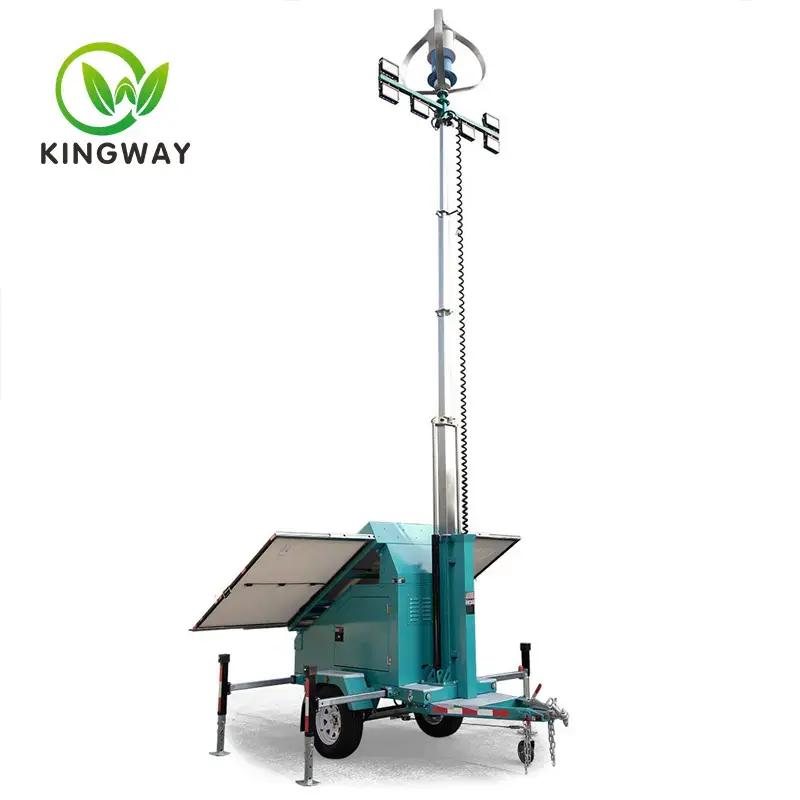
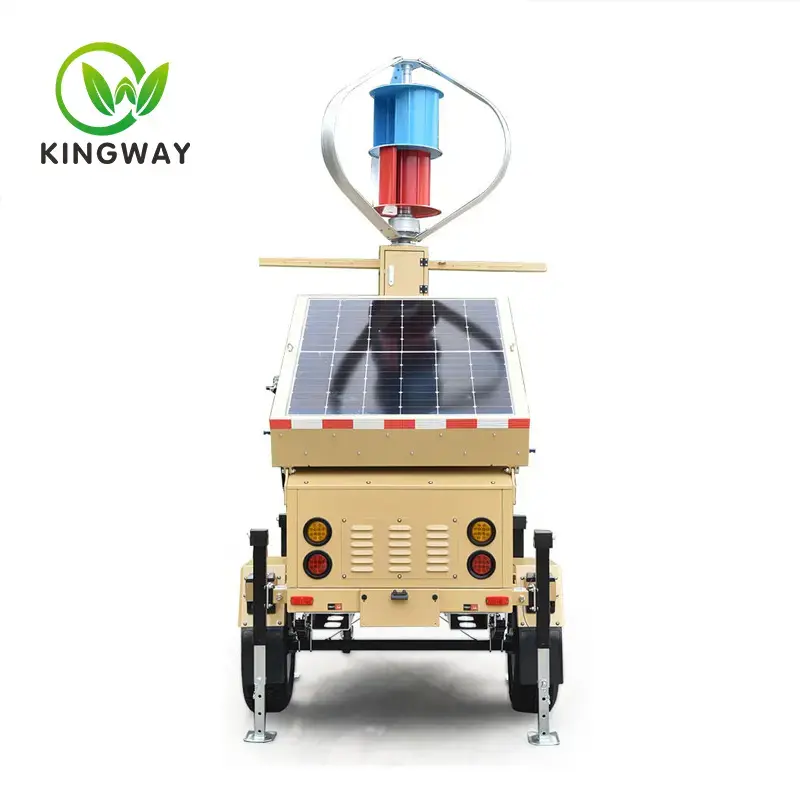
In the global security market, solar mobile surveillance trailers are becoming a popular choice among high-end wholesale and professional buyers due to their high efficiency, environmental friendliness, and convenience. However, controlling procurement costs is crucial to ensuring project profitability and sustainability.
I. Clarifying Needs and Application Scenarios
(I) The Importance of Needs Analysis
Before purchasing a solar mobile surveillance trailer, clarifying specific needs is the first step in controlling costs. Buyers need to determine the monitoring range, battery life, environmental adaptability, and whether remote control is required based on the specific application scenario. For example, users who need to conduct long-term surveillance in remote areas or complex terrain should choose a trailer with strong solar power and good off-road performance. Users seeking real-time monitoring and efficient data transmission may prioritize data transmission speed and stability.
(II) Diversity of Application Scenarios
Solar mobile surveillance trailers are widely used in a variety of fields, including urban public security management, enterprise safety production, environmental protection monitoring, special event security, and temporary site monitoring. Different application scenarios require different equipment performance and configurations. Buyers should select the appropriate model and features based on their specific needs to avoid over-configuration that increases costs.
II. Balancing Technical Performance and Cost
(I) Solar Power Generation Efficiency
Solar power generation efficiency directly impacts the trailer's range and long-term operating costs. Efficient solar panels can generate more electricity within limited sunlight hours, reducing reliance on traditional energy sources and thus lowering operating costs. Buyers should select panels with high conversion rates and strong weather resistance.
(II) Battery Energy Storage Capacity
The battery is a core component of a solar-powered mobile surveillance trailer. Its energy storage capacity determines how long the equipment can operate in dry conditions. While large-capacity, long-life energy storage batteries require a higher initial investment, they can significantly reduce long-term maintenance and replacement costs. Buyers should carefully select the battery type and capacity based on the actual usage environment and battery life requirements.
(III) Surveillance Equipment and Data Transmission
High-definition cameras and stable image transmission are fundamental requirements for surveillance equipment. Advanced features such as night vision and intelligent recognition can also enhance surveillance efficiency. However, these advanced features also increase equipment cost. Buyers should balance functionality and cost based on their actual monitoring needs, choosing the most cost-effective monitoring equipment.
III. Supplier Selection and Procurement Strategies
(I) Selecting High-Quality Suppliers
Supplier selection has a direct impact on procurement costs. Buyers should seek experienced and reputable suppliers, who typically provide higher-quality products and services. Furthermore, suppliers with long-term relationships may offer more favorable prices and better payment terms, thereby reducing procurement costs.
(II) Centralized Procurement and Bulk Procurement
Centralized and bulk procurement can significantly enhance buyers' bargaining power, thereby reducing unit costs. By consolidating orders, buyers can negotiate more favorable prices and better delivery terms with suppliers.
(III) Supplier Evaluation System
Establish a supplier evaluation system to regularly evaluate suppliers' product quality, delivery time, and after-sales service to ensure they consistently provide products and services that meet requirements. This not only ensures procurement quality but also avoids increased costs due to supplier issues.
IV. Cost-Benefit Analysis and Budget Management
(I) Lifecycle Cost Analysis
Buyers should analyze the costs of solar mobile surveillance trailers from a full lifecycle perspective, including initial purchase cost, installation and commissioning costs, maintenance costs, energy consumption costs, and the equipment's service life. Through a comprehensive assessment, select products with the best cost-effectiveness over the entire lifecycle.
(II) Budget Management and Cost Control
Implement comprehensive budget management, clarify budget responsibilities for each department, and establish a monitoring mechanism for budget execution. Conduct regular budget analysis and adjustments to ensure procurement costs remain within budget. At the same time, strengthen cost awareness and improve capital efficiency.
V. Leverage Policy and Technological Advantages to Reduce Costs
(I) Policy Support
Many countries and regions have introduced tax incentives and subsidies to encourage the use of green energy and environmentally friendly technologies. Buyers should fully utilize these policies to reduce initial investment costs.
(II) Technological Optimization
With the continuous advancement of technology, the technology of solar mobile surveillance trailers is also constantly improving. Buyers should pay attention to the latest technological developments and select products with advanced technologies to improve equipment performance and efficiency, thereby reducing operating costs.
VI. Case Studies and Experience Sharing
(I) Success Case Analysis
By studying multiple successful procurement cases, we have summarized effective cost control strategies. For example, when purchasing solar-powered mobile surveillance trailers, a large construction company successfully reduced procurement costs and improved equipment efficiency through centralized procurement and the establishment of long-term partnerships with high-quality suppliers.
(II) Lessons Learned
Buyers may encounter various problems during the procurement process, such as improper supplier selection and technology selection errors. By sharing these lessons learned, we can help other buyers avoid similar mistakes and better control procurement costs.