

Mobile Lighting Trailer Supplier
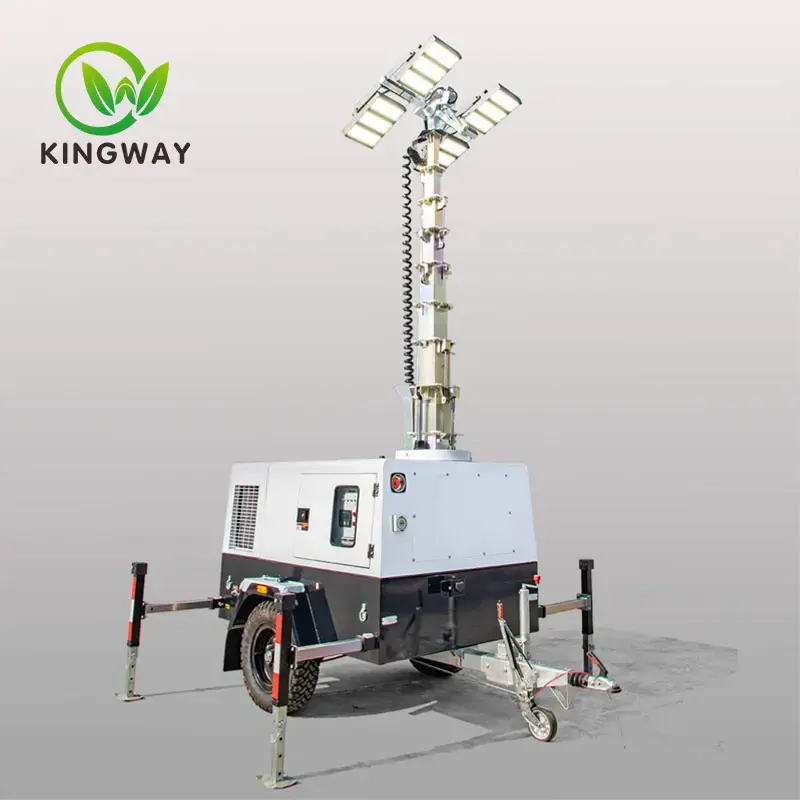
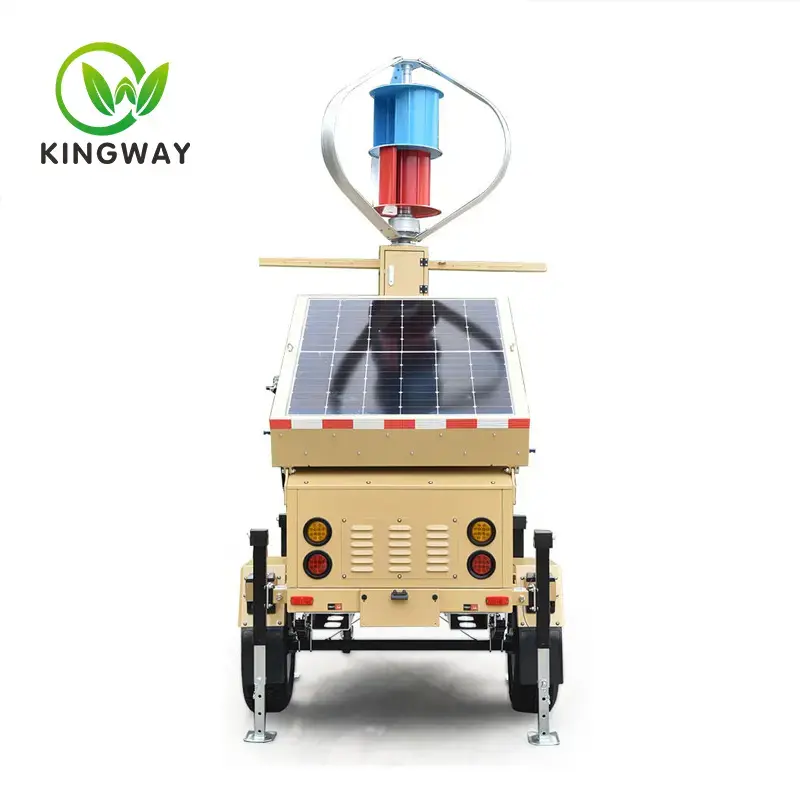
Solar lighthouse surveillance camera performance in bad weather
Solar lighthouse surveillance camera performance in bad weather
The design and performance of solar lighthouse surveillance cameras are particularly important in the face of bad weather. These cameras must not only withstand extreme temperature changes, but also maintain stable operation in bad weather such as heavy rain, storms, and lightning. Here are some key performances of solar lighthouse surveillance cameras in bad weather:
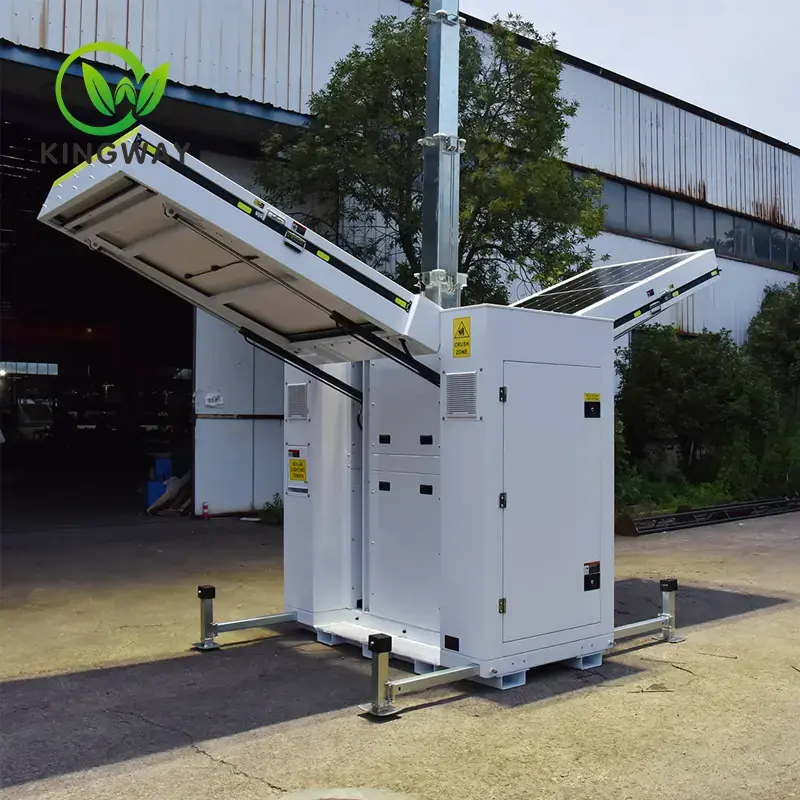
1. Waterproof and lightning protection performance
Solar lighthouse surveillance cameras usually have excellent waterproof and lightning protection functions. In terms of waterproofing, the camera needs to be able to prevent rain from entering the interior, and at the same time prevent water mist when the internal temperature changes greatly, to ensure clear monitoring images. The lightning protection function protects the camera from lightning damage in thunderstorms and maintains normal operation
2. High and low temperature resistance
Under extreme temperature conditions, solar lighthouse surveillance cameras need to maintain stable operation. Some cameras can operate in a temperature range of -40℃ to 60℃, and can even work normally in more extreme low temperature conditions. This is due to the design of their internal electronic components, which can be preheated to working values at different temperatures to ensure the working characteristics of the machine
3. Low power consumption and endurance
The low power consumption design of solar lighthouse surveillance cameras makes them more advantageous in bad weather. Some cameras consume less than 1.1W of power when recording at the highest resolution (excluding 4G transmission), and support remote configuration of low-power mode by the platform. In addition, some systems can still stably power the monitoring system in rainy weather for 15 consecutive days to ensure the normal use of various functions
4. Protection level
In order to maintain performance in bad weather, solar lighthouse surveillance cameras usually have a high protection level. For example, some cameras meet the IP66 dust and water resistance design to ensure reliability in bad weather conditions such as rain, snow, sand and dust
5. Anti-interference ability
Under the interference of external conditions such as wind and rain, high-quality cameras should be able to effectively achieve the required recognition rate and accuracy, and ensure continuous operation for more than 15 days in rainy weather. This anti-interference ability ensures that the camera can still provide clear monitoring images in bad weather.
6. Adaptability and stability
Solar lighthouse surveillance cameras are designed with various bad weather conditions in mind, including high temperature, haze, lightning, etc. They need to maintain stable operation under these conditions, without disconnection or blur, to ensure the continuity and reliability of monitoring
Conclusion
In general, the performance of solar lighthouse surveillance cameras in bad weather depends on their design and manufacturing quality. High-quality cameras should be waterproof, lightning-proof, high and low temperature resistant, low power consumption, high protection level and strong anti-interference ability to ensure stable operation under various bad weather conditions and provide clear monitoring images. With the advancement of technology, we have more tools and methods to deal with these challenges and protect our property and safety