

Mobile Lighting Trailer Supplier
Silent Motors and Drive Systems: The Secret to Quiet Operation in Mobile Solar Monitoring Trailers
Silent Motors and Drive Systems: The Secret to Quiet Operation in Mobile Solar Monitoring Trailers
Mobile solar monitoring trailers are attracting attention in the global market for their flexibility, environmental friendliness, and efficiency. However, operational noise can impact user experience and device performance.
1. Silent Motor Technology and Applications
(I) Silent Motor Core Technologies
Silent motors significantly reduce operating noise through optimized design and advanced control technology. For example, ADI's Trinamic™ technology uses current chopper and voltage chopper control modes to achieve smoother and more efficient stepper motor operation, reducing or eliminating stepper motor noise. Its SpreadCycle™ and StealthChop™ technologies optimize current regulation to reduce current and torque ripple, achieving silent operation.
(II) Silent Motor Applications in Mobile Solar Monitoring Trailers
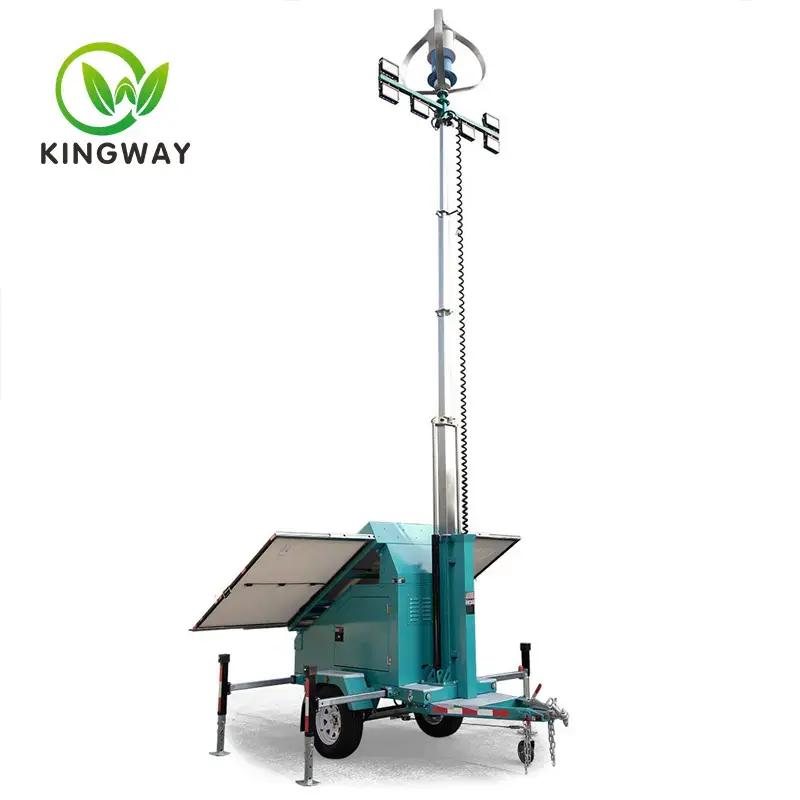
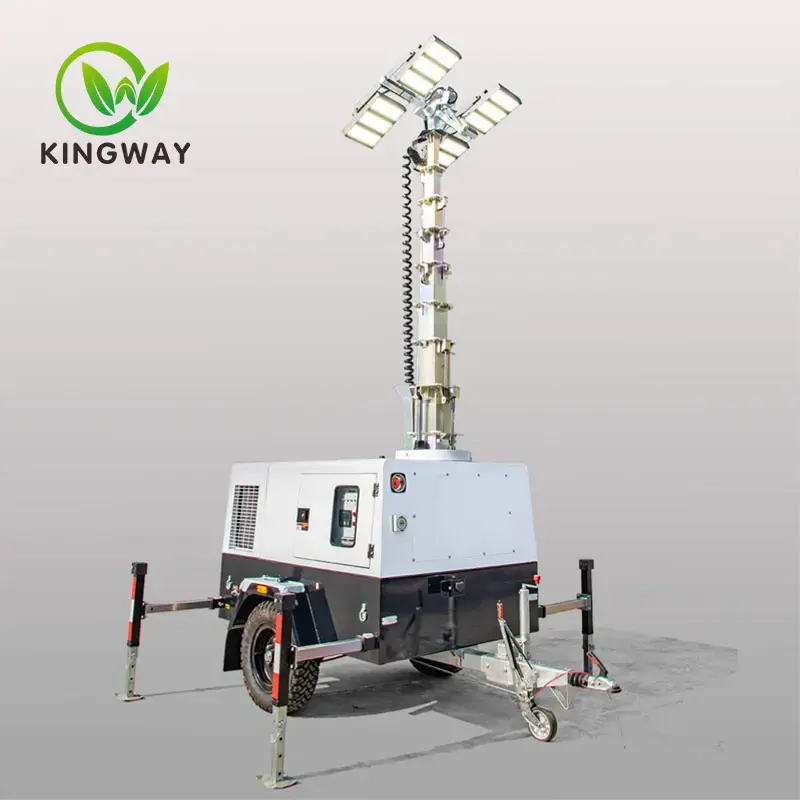
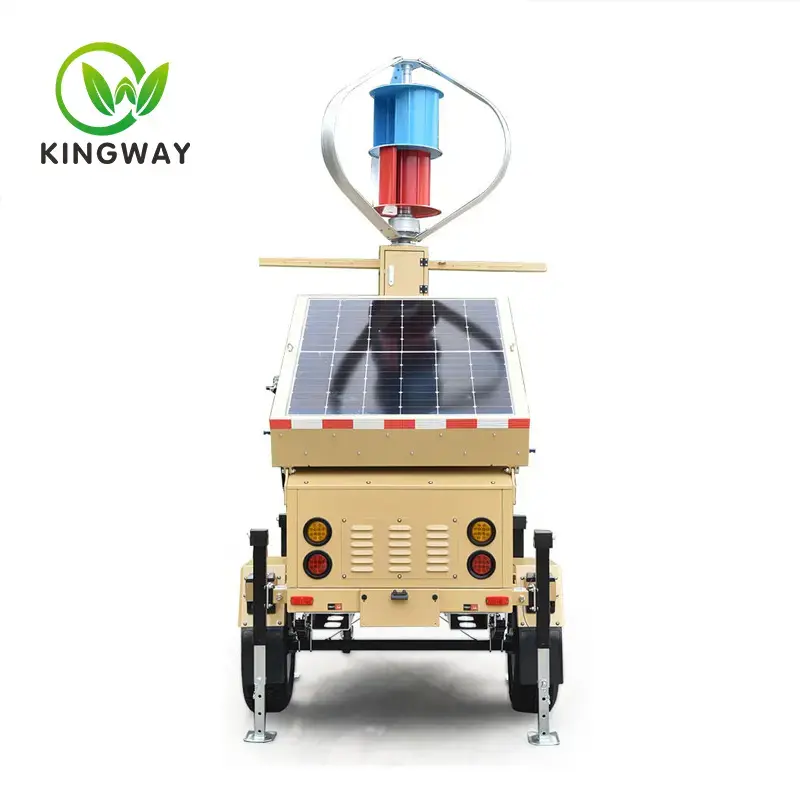
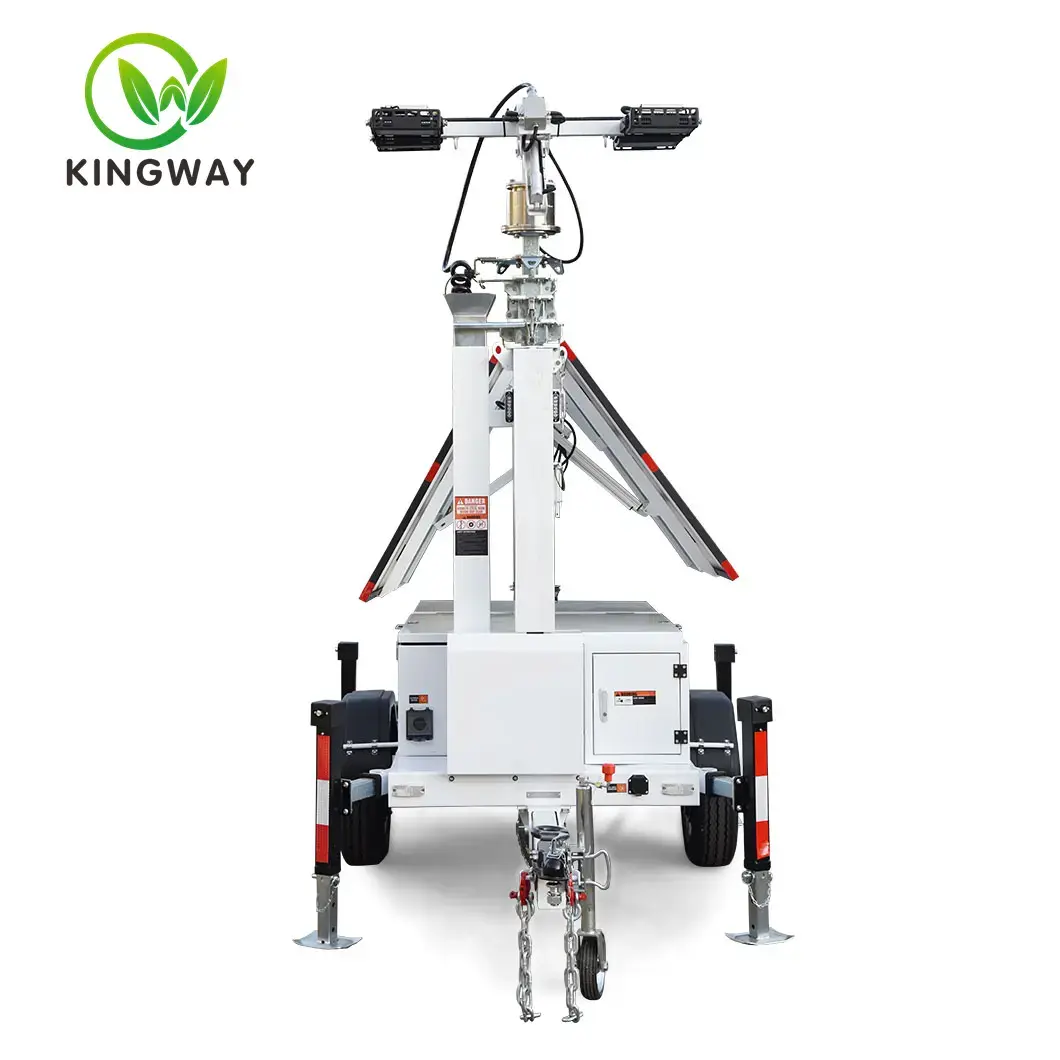
In mobile solar monitoring trailers, silent motors are primarily used to drive the lifting system and monitoring equipment. For example, the YGNE YST-7000SM mobile monitoring trailer uses a silent motor to drive the lifting mast, ensuring smooth and quiet operation during monitoring. This type of motor not only improves equipment operating efficiency but also reduces the risk of noise interference affecting monitoring quality.
2. Impact of the Drive System on Noise and Optimization
(I) Noise Issues in Traditional Drive Systems
Traditional motor drive systems often generate high noise levels due to design flaws, improper installation, or harsh operating environments. For example, uneven motor installation or misaligned couplings can intensify vibration, generating noise.
(II) Optimization Measures
Mechanical Vibration Reduction: Installing vibration-damping pads between the motor and foundation and securing the motor with vibration-damping brackets can effectively isolate and absorb vibration energy, reducing vibration transmission and thus noise.
Optimizing Motor Design: Optimizing the air gap between the motor rotor and stator to ensure a uniform air gap reduces noise caused by turbulent airflow. Furthermore, optimizing the design of ventilation slots can reduce airflow resistance and noise.
Intelligent Monitoring and Control: Installing noise sensors monitors the motor's noise level in real time. Using intelligent control systems, the motor's operating parameters are automatically adjusted based on noise monitoring data to reduce noise.
3. Noise Control Strategies for Mobile Solar Monitoring Trailers
(I) Overall Design Optimization
When designing a mobile solar monitoring trailer, the coordinated operation of the motor, drive system, and other components must be comprehensively considered. For example, optimizing the trailer's structural design can reduce noise generated by vibration transmission. Furthermore, wrapping key components with sound-insulating materials can further reduce noise transmission.
(II) Operating Environment Adaptability
Mobile solar monitoring trailers are often used in complex outdoor environments and therefore require excellent environmental adaptability. For example, high-temperature and corrosion-resistant materials can be used to ensure that the motor and drive system maintain low noise levels even in harsh environments.

4. Market Trends and Future Development Directions
(I) Balancing Environmental Protection and Performance
With increasing environmental awareness, market demand for mobile solar monitoring trailers continues to grow. In the future, silent motors and efficient drive systems will place greater emphasis on environmental performance while maintaining low noise and high efficiency.
(II) Intelligence and Automation
In the future, mobile solar monitoring trailers will integrate more intelligent features, such as AI technology. Using built-in AI algorithms, the trailer can analyze surveillance footage in real time, automatically identifying abnormal behavior and safety hazards, and transmit this information to a backend management center via a wireless network. This intelligent approach not only improves monitoring efficiency but also further reduces noise issues caused by human error.
(III) Customization and Personalization
Different customers have varying needs for mobile solar surveillance trailers, and future products will place even greater emphasis on customization and personalization. By offering a variety of configuration options, customers can select the appropriate silent motor and drive system to meet the requirements of their specific application scenarios.
5. Conclusion
The use of silent motors and advanced drive systems in mobile solar surveillance trailers not only significantly reduces operating noise but also improves efficiency and reliability. Through optimized design, intelligent monitoring and control, and overall design optimization, mobile solar surveillance trailers will further enhance their competitiveness in the international market.