

Mobile Lighting Trailer Supplier
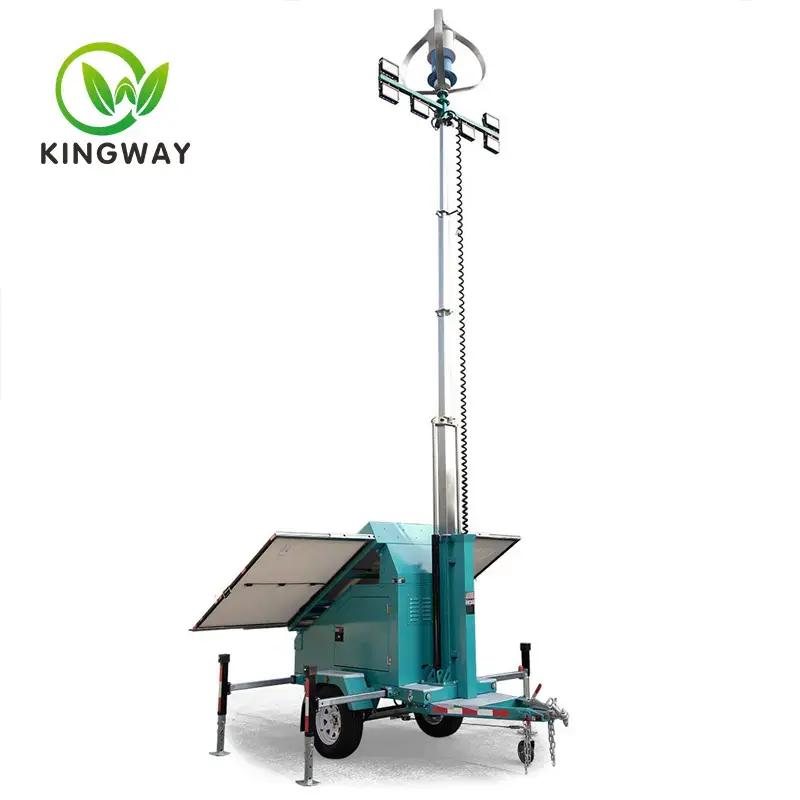
Short-Circuit Protection for Solar-Powered Mobile Surveillance Trailers
Short-Circuit Protection for Solar-Powered Mobile Surveillance Trailers
Introduction
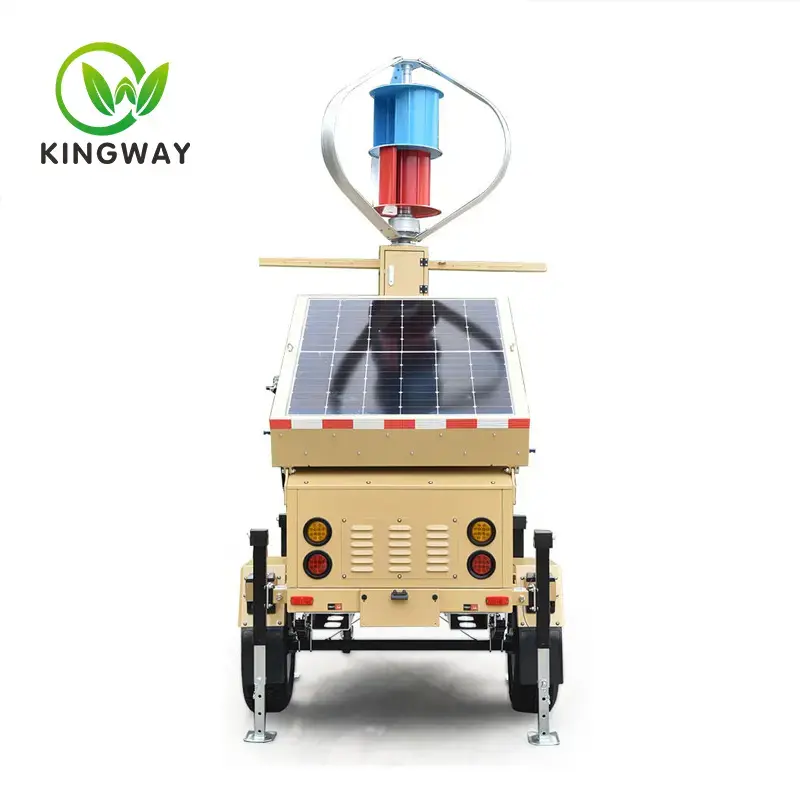
Amid the growing global demand for clean energy, solar-powered mobile surveillance trailers are attracting increasing attention as an efficient and environmentally friendly surveillance solution. However, as their application continues to expand, the critical issue of short-circuit protection has become increasingly prominent. Short-circuit protection not only affects the safe operation of equipment but also directly impacts the stability and reliability of the surveillance system. This article will delve into short-circuit protection technology, design key points, and practical solutions for solar-powered mobile surveillance trailers, aiming to provide a comprehensive reference for practitioners and researchers.
1. The Importance of Short-Circuit Protection
Short circuits are one of the most common faults in electrical systems. They can cause a sharp increase in current, leading to equipment damage, fire, and even casualties. For solar-powered mobile surveillance trailers, the importance of short-circuit protection is primarily reflected in the following aspects:
Equipment Protection: Short-circuit protection promptly interrupts the faulty circuit, preventing equipment damage from overcurrent and extending its service life.
Personnel Safety: Effective short-circuit protection prevents fires and electric shocks caused by electrical faults, ensuring the safety of operators and surrounding personnel. System Stability: Short-circuit protection ensures that the monitoring system quickly resumes normal operation in the event of a fault, reducing monitoring blind spots.
2. Short-Circuit Protection Technology
(I) Fuse Protection
A fuse is a traditional short-circuit protection device that disconnects the circuit by melting the fuse element when an overcurrent condition occurs. Fuses offer advantages such as simple structure, low cost, and rapid operation. However, the fuse element must be replaced after operation, which may affect rapid system recovery.
(II) Circuit Breaker Protection
A circuit breaker is a more advanced short-circuit protection device that not only provides overcurrent protection but also short-circuit protection through an electromagnetic release. Circuit breakers offer advantages such as reliable operation, repeatability, and adjustable release parameters to accommodate varying load conditions.
(III) Electronic Protection Devices
With the advancement of electronic technology, electronic protection devices have become widely used in short-circuit protection. Electronic protection devices detect current and voltage changes in the circuit to determine whether a short circuit has occurred and then disconnect the circuit using an electronic switch. The advantages of electronic protection devices are fast response, high accuracy, and the integration of multiple protection functions.
3. Key Points in Short-Circuit Protection Design
(I) System Analysis
Before designing a short-circuit protection solution, a comprehensive analysis of the entire electrical system of the solar mobile monitoring trailer is required. This includes the electrical parameters and operating conditions of each component, including the solar panels, batteries, inverter, and monitoring equipment. This system analysis can determine the installation location and protection range of the short-circuit protection device, ensuring that the faulty circuit can be quickly disconnected in the event of a short circuit.
(II) Protection Device Selection
Based on the results of the system analysis, select an appropriate short-circuit protection device. For small solar mobile monitoring trailers, a fuse may be a cost-effective option; for larger, more complex systems, a circuit breaker or electronic protection device may be more suitable. When selecting a protection device, factors such as its rated current, operating time, and protection characteristics should also be considered to ensure it meets the system's protection requirements.
(III) Wiring Design
A reasonable wiring design is crucial to the effectiveness of short-circuit protection. When wiring, minimize line length, avoid crossovers and interference, and ensure good insulation performance. In addition, the appropriate wire cross-sectional area should be selected based on the current-carrying capacity of the line to prevent overheating and short circuits caused by thin wires.
4. Practical Application of Short-Circuit Protection
(I) Case Study
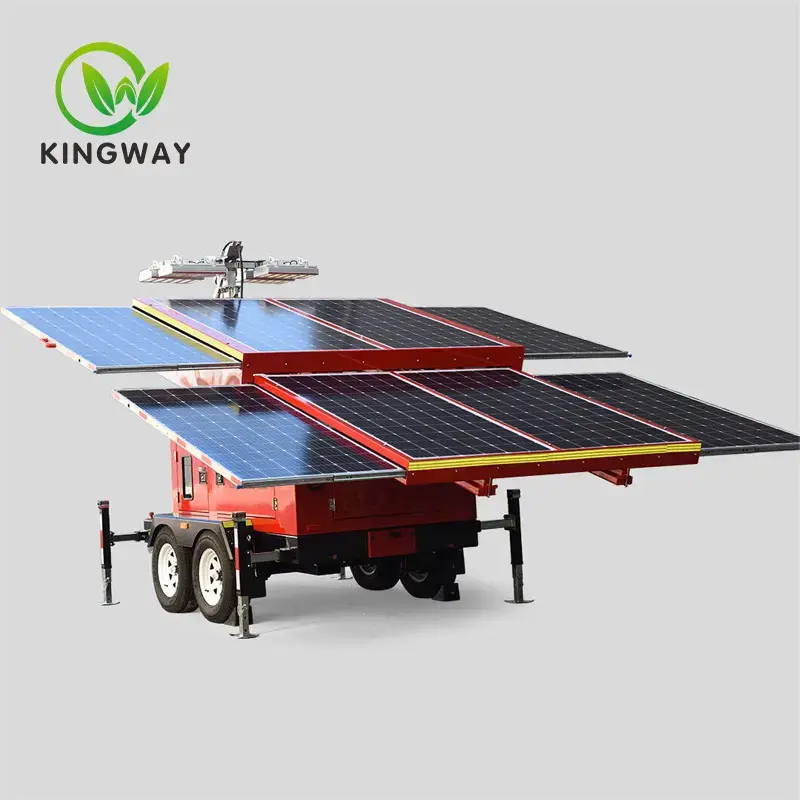
A solar-powered mobile surveillance trailer was installed at a construction site for on-site safety monitoring. During a thunderstorm, the trailer's solar panels were damaged by lightning, resulting in a short circuit. Because the trailer was equipped with an electronic protection device, the protection device quickly activated after the short circuit occurred, disconnecting the faulty circuit and preventing further damage to the equipment and fire.
(II) Solution
Regular Maintenance: Regularly inspect the solar-powered mobile surveillance trailer's electrical system, including wiring, connectors, and protective devices, to promptly identify and address potential faults.
Install Lightning Arresters: Install lightning arresters on areas susceptible to lightning strikes, such as solar panels, to reduce the risk of short circuits caused by lightning.
Use Redundant Design: Implement redundant design in key areas, such as installing multiple protective devices, to ensure that if one device fails, the others will continue to function properly.
5. Conclusion
Short-circuit protection is a key component of the safe operation of solar-powered mobile surveillance trailers. By rationally selecting short-circuit protection devices, optimizing wiring design, and strengthening routine maintenance, the reliability and safety of monitoring trailers can be effectively improved. In the future, with the continuous advancement of technology, short-circuit protection technology will become more intelligent and integrated, providing stronger support for the development of solar mobile monitoring trailers.