

Mobile Lighting Trailer Supplier
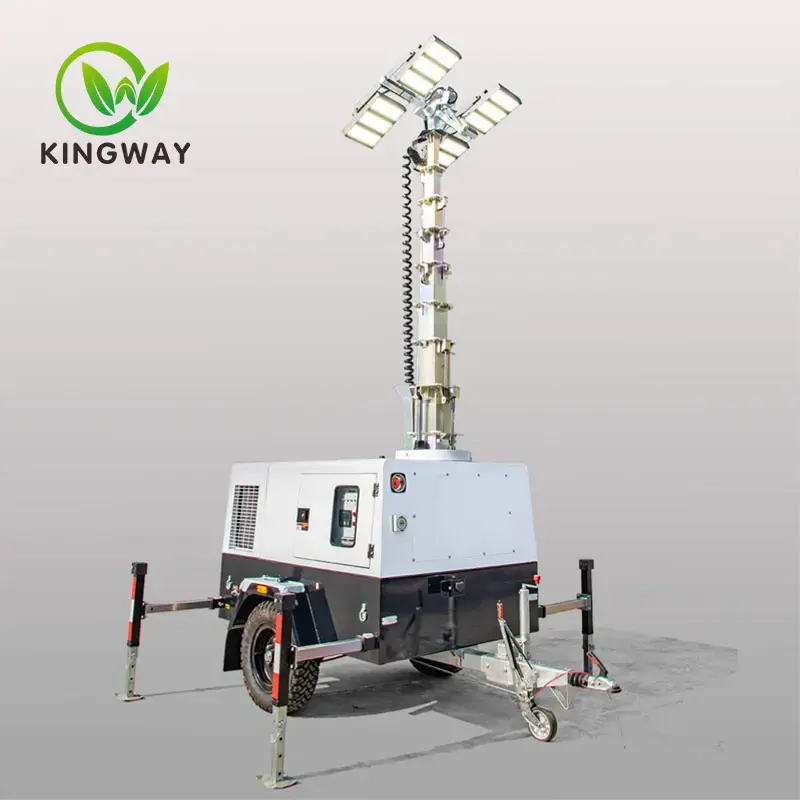
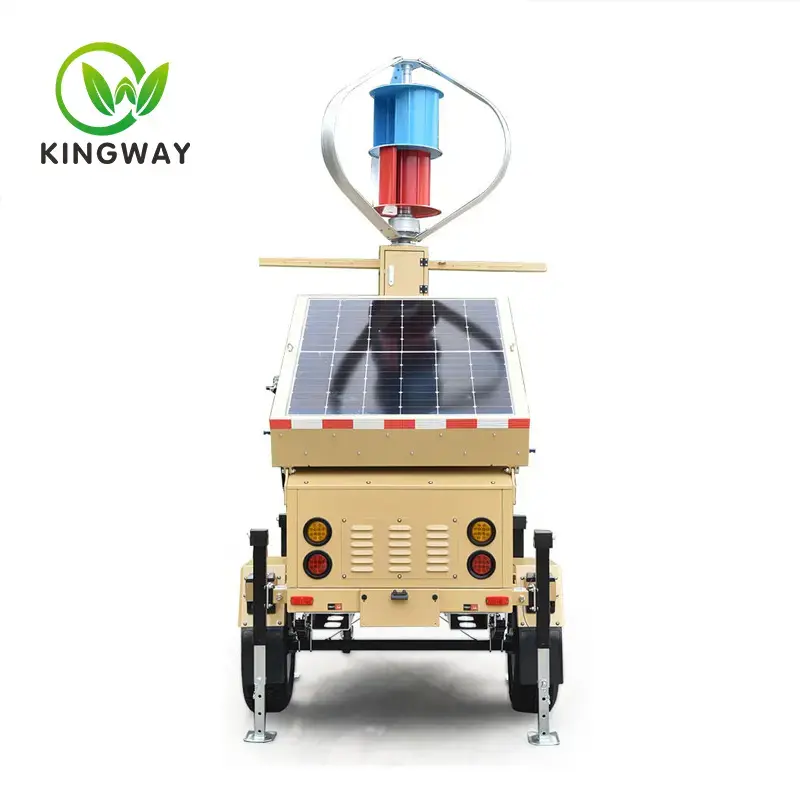
Remote Monitoring and Control of Mobile Lighting Towers
Remote Monitoring and Control of Mobile Lighting Towers: Reshaping the New Paradigm for Outdoor Project Lighting Management
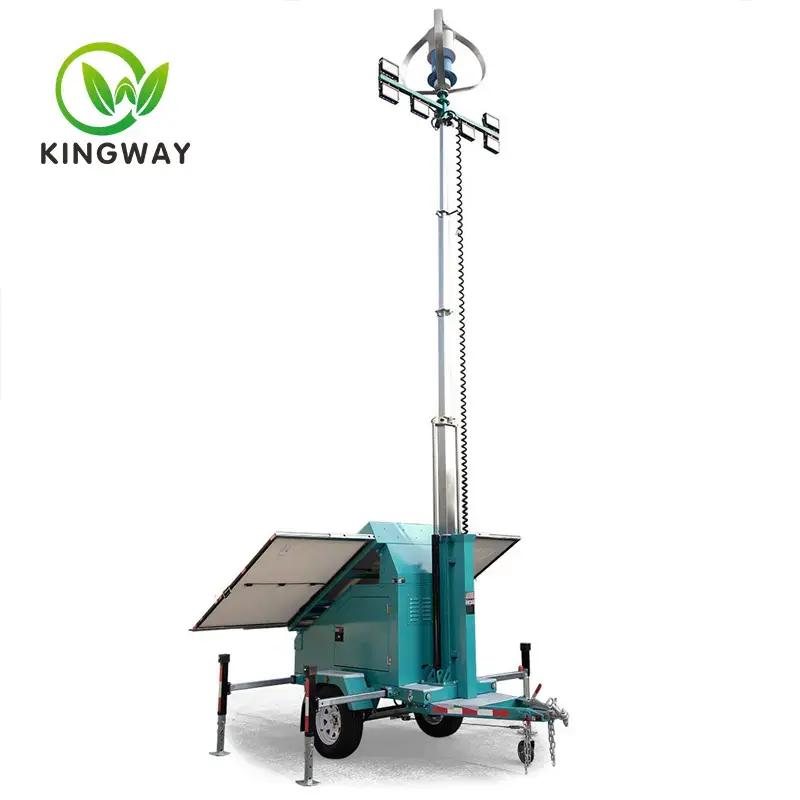
In modern outdoor projects, mobile lighting towers have evolved from simple "light providers" to core nodes of intelligent systems. The widespread adoption of remote monitoring and control capabilities is fundamentally changing the management model of traditional lighting equipment, providing global buyers with a revolutionary solution that reduces costs and increases efficiency. This article will delve into the core advantages, application scenarios, and procurement value of this technology, helping engineering teams achieve refined lighting system operations in complex environments.
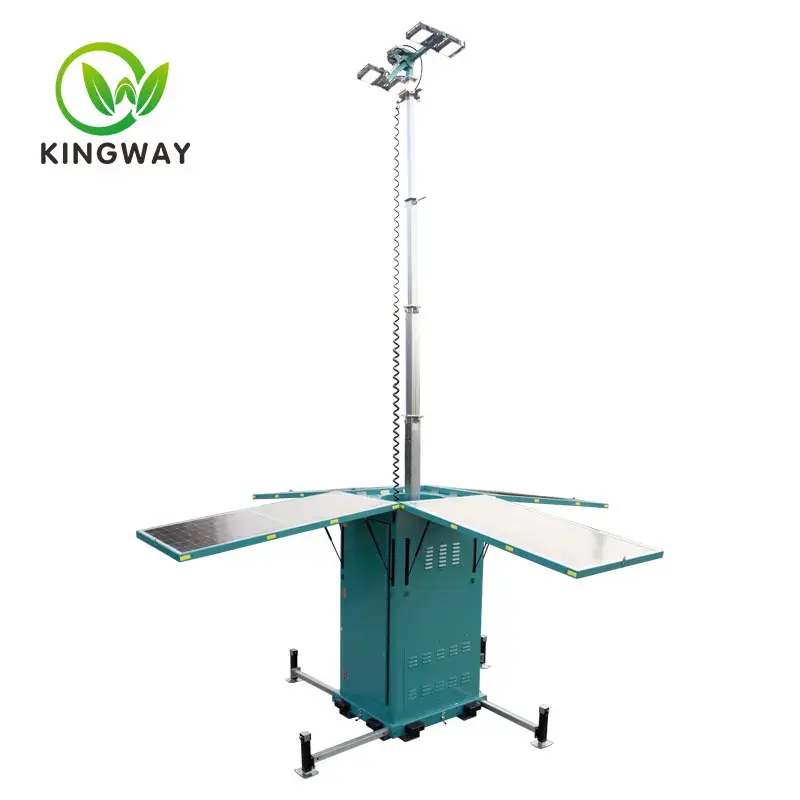
Remote Monitoring: A "Clairvoyant" for Real-Time Monitoring of Equipment Status
Remote monitoring technology uses IoT modules to transmit operating data from mobile lighting towers to a cloud platform in real time, establishing a global equipment monitoring network. Buyers who choose equipment with this capability can realize three core benefits:
The comprehensive data acquisition system accurately records tower operating parameters, including key indicators such as lamp brightness, fuel level, generator operating condition, and battery charge. During mining operations, managers can use a mobile app to check the remaining fuel levels of over 20 Light Towers scattered across several square kilometers, pre-planning refueling routes and avoiding downtime due to fuel depletion. During the preparations for major events, technical teams can remotely monitor the color temperature consistency of temporary lighting clusters to ensure accurate color in broadcast footage.
Intelligent early warning mechanisms are key to reducing maintenance costs. Built-in sensors detect potential faults such as abnormal vibration, circuit overloads, and temperature fluctuations, and automatically send warnings after analyzing them using AI algorithms. A European construction group has demonstrated that light towers equipped with remote early warning capabilities have reduced their sudden failure rate by 62% and annual maintenance costs by nearly 40%. This "preventive maintenance" model revolutionizes the traditional "after-failure repair" model.
Geographic tracking provides visual support for mobile device management. Light towers with integrated GPS can display their location information in real time on electronic maps. Combined with geo-fencing, this effectively prevents theft and unauthorized movement of equipment. In disaster relief scenarios, command centers can use location data to quickly deploy nearby lighting resources, shortening emergency response times.
Remote Control: The "Invisible Hand" Across Space
Remote control eliminates spatial limitations for equipment operation, enabling precise control of lighting systems through digital commands. Its application value is particularly evident in multiple scenarios:
Remotely adjust lighting parameters to meet dynamic lighting needs. During nighttime construction, managers can remotely adjust the illumination angle and brightness of light towers based on changes in the work surface, avoiding energy waste. On film and television sets, technical teams use a cloud-based system to synchronously control the color temperature of multiple light towers to quickly match scene lighting requirements. One energy company demonstrated that implementing intelligent control reduced lighting equipment energy consumption by 28%.
Clustered management improves the efficiency of multi-device collaboration. In large-scale infrastructure projects, dozens of light towers can be connected to a single management platform, supporting operations such as one-click start and group control. The system automatically optimizes energy allocation strategies based on device location and operating status, ensuring stable lighting in critical areas. This centralized management model reduces the number of equipment operators by 60% and increases fault response speed by three times.
Offline command caching ensures controllability in extreme environments. For scenarios with unstable network signals, such as deserts and oceans, the system supports pre-stored operation commands, which are automatically executed when the device restores connectivity. This feature successfully solved the problem of emergency lighthouse shutdown during typhoons for an offshore wind power project, avoiding the risk of equipment damage.
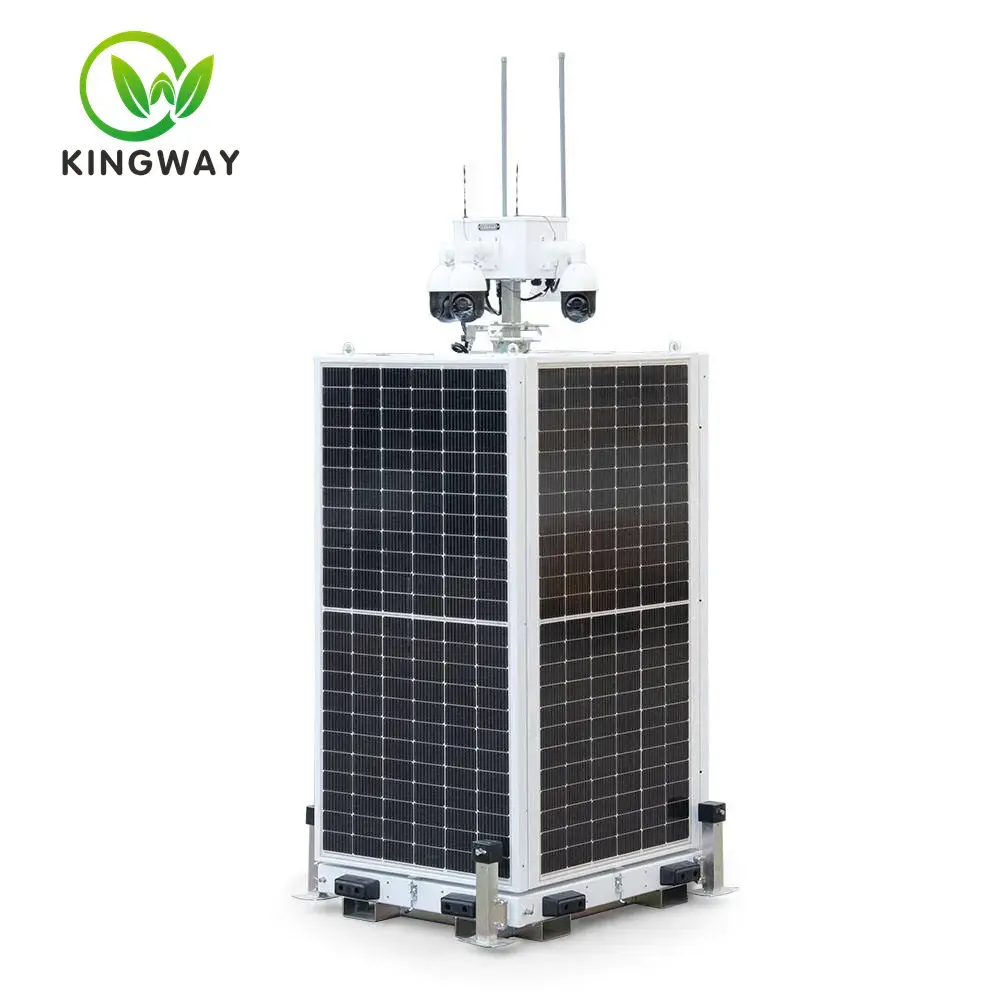
Technology Empowerment: A Key Consideration in Procurement Decisions
In the context of global procurement, remote monitoring and control capabilities have become a core competitive advantage for mobile lighting towers. For buyers, selecting equipment with this technology offers multiple long-term benefits:
TCO (total cost of ownership) optimization is the most immediate benefit. Through precise energy consumption control and predictive maintenance, the annual operating cost of the equipment can be reduced by 35%-50%. For a procurement of 10 lighthouses, the savings within three years will more than offset the initial technology investment premium. Furthermore, remote management reduces the need for on-site staffing, further reducing labor costs.
Improved compliance and safety support global operations. As European and American markets tighten lighting safety standards for outdoor operations, smart lighthouses can automatically record operating data and generate compliance reports, streamlining the audit process for cross-border projects. When working in high-risk areas, the remote start/stop function eliminates the safety hazards of personnel operating in close proximity, making it easier for companies to obtain certifications for international safety systems such as OSHA.
Sustainable development goals are achieved in response to ESG procurement trends. Light towers with intelligent control functions can significantly reduce carbon emissions, meeting the green supply chain requirements of multinational companies. Procurement data from an international engineering group shows that the carbon footprint of its projects was reduced by 23% after adopting smart lighting equipment, gaining additional environmental rating advantages in bidding.
Practical Application: From the Lab to the Project Site
Practical examples from various industries demonstrate the universal value of remote monitoring and control technology:
In the mining sector, an Australian gold mine deployed 25 smart light towers in underground and surface operations. By remotely monitoring equipment fuel consumption and maintenance cycles, the overall equipment utilization rate increased to 92%, a 37 percentage point increase compared to traditional light towers. The system's vibration monitoring function also successfully alerted three potential mechanical failures, preventing hundreds of thousands of dollars in equipment damage. In emergency rescue scenarios, the US Federal Emergency Management Agency (FEMA) deployed a cluster of smart light towers during hurricane relief efforts. Using geolocation, the command center rapidly allocated lighting resources, combined with remote brightness adjustment, to provide precise lighting support to search and rescue teams, increasing nighttime rescue efficiency by 40%. Post-disaster statistics showed that the system helped rescue teams complete lighting coverage in severely affected areas 12 hours ahead of schedule.
This system also excelled in supporting large-scale events. During the construction of temporary venues for the 2024 Paris Olympics, a lighting network consisting of 50 smart light towers was synchronized and controlled via a cloud-based system, automatically adjusting lighting plans based on the event schedule. During a sudden thunderstorm, the system safely shut down all equipment within 10 minutes, preventing the risk of electric shock.
The remote monitoring and control technology of mobile lighting towers is driving the shift from experience-driven to data-driven outdoor lighting management. For global buyers, selecting equipment with this capability is not only a necessary technological upgrade but also a strategic decision to enhance project competitiveness. Against the backdrop of accelerating infrastructure construction and escalating emergency response demands globally, intelligent lighting systems will become a key enabler for project efficiency and safety management, creating long-term value for buyers beyond the equipment itself.
When selecting mobile lighting towers in the global market, consider remote management capabilities as a core evaluation factor. It's more than just a technical specification; it serves as the "digital nerve center" of your engineering team, delivering tangible management value at every construction site after dark.