

Mobile Lighting Trailer Supplier
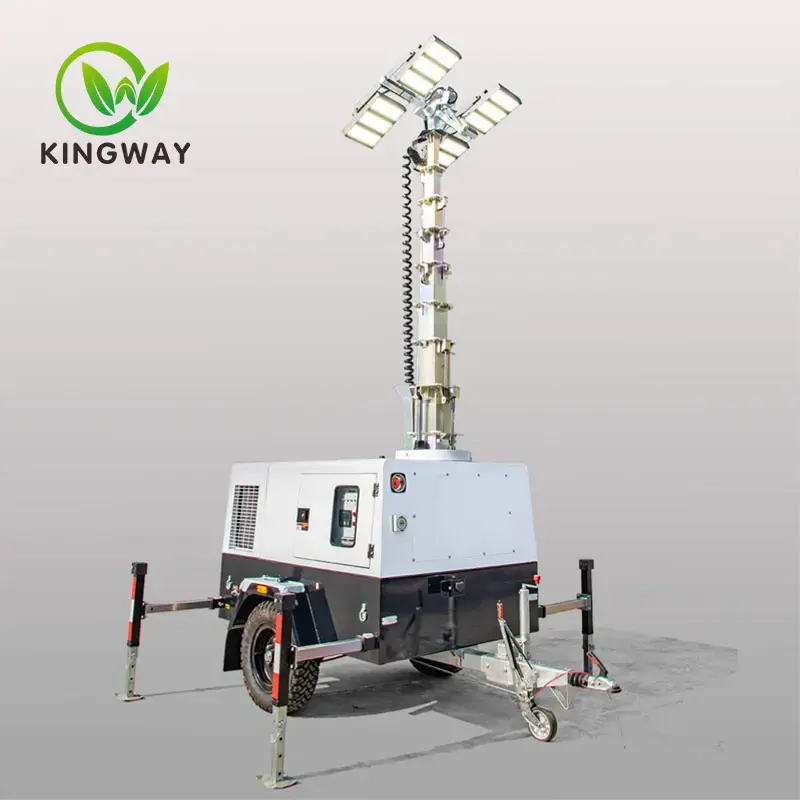
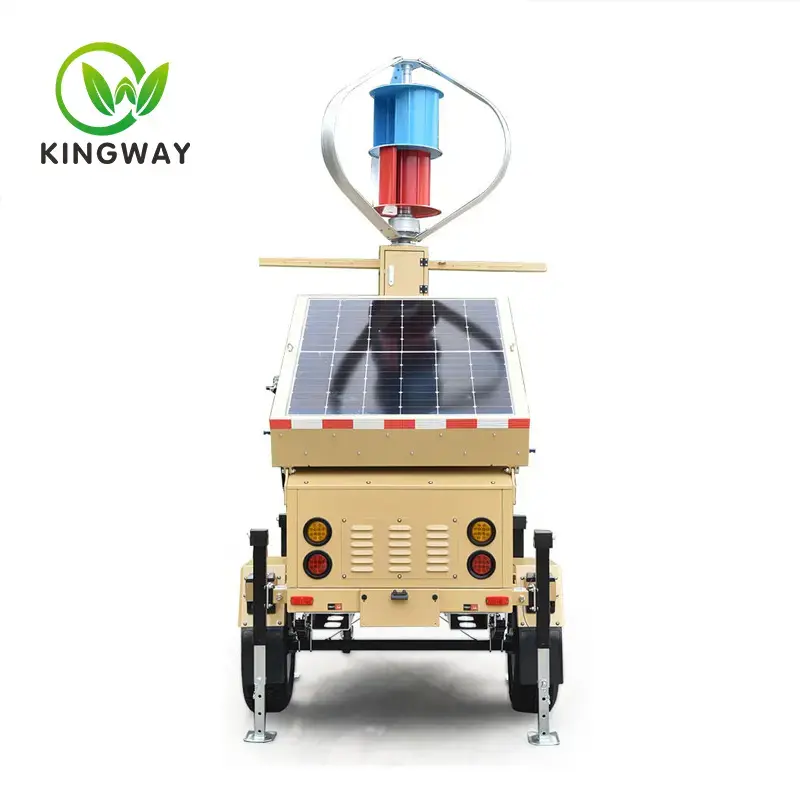
Production details of diesel generator mobile lighthouses
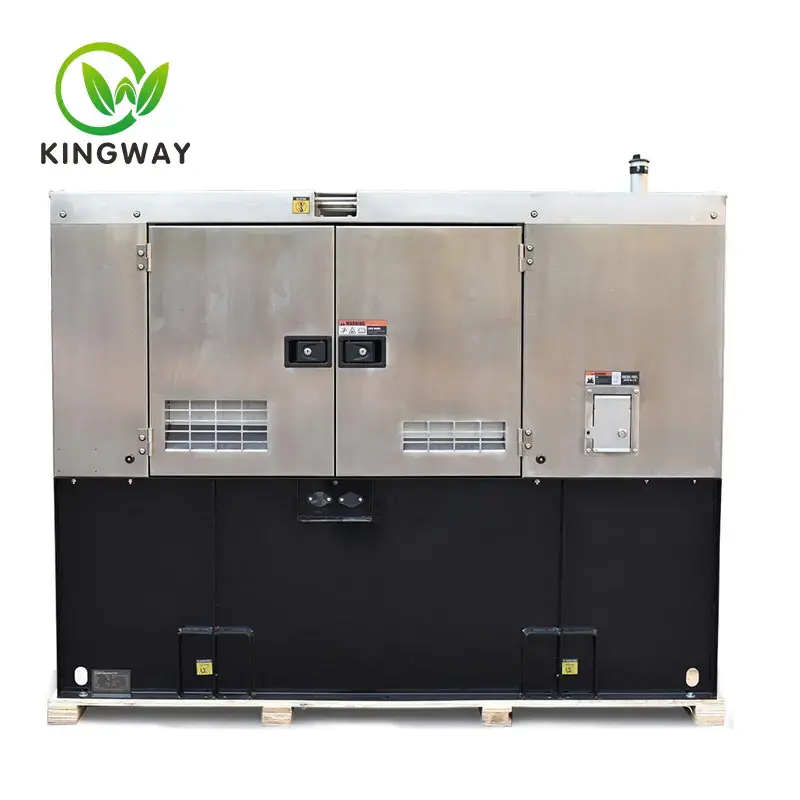
Production details of Diesel Generator mobile lighthouses: the whole process of creating excellent quality
In today's global market, diesel generator mobile lighthouses have received great attention from international wholesale buyers due to their wide application in emergency lighting, engineering construction, mining, disaster relief and other fields. In order to meet this market demand, it is essential to produce high-quality and high-performance diesel generator mobile lighthouses.
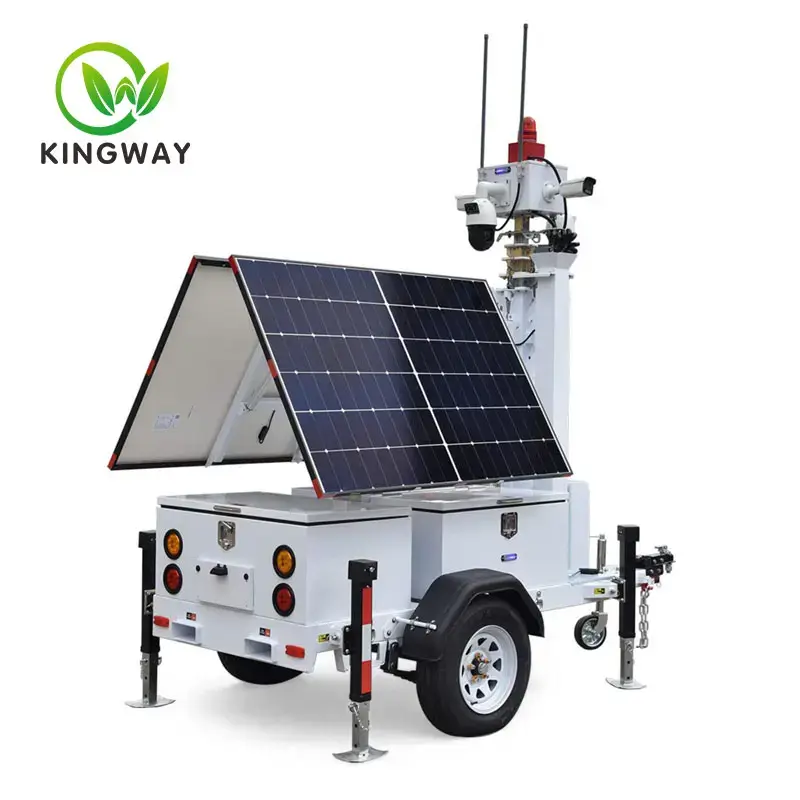
1. Design and development: the perfect combination of innovation and practicality
(I) Demand analysis and product positioning
Before designing and developing diesel generator mobile lighthouses, it is a crucial step to have a deep understanding of customer needs. International wholesale buyers usually have high requirements for product performance, reliability, durability and adaptability. Therefore, the R&D team needs to conduct in-depth research on the target market and analyze the demand characteristics under different application scenarios. For example, mining requires high-intensity lighting and equipment resistant to harsh environments, while disaster relief focuses more on rapid deployment and portability.
(II) Structural design
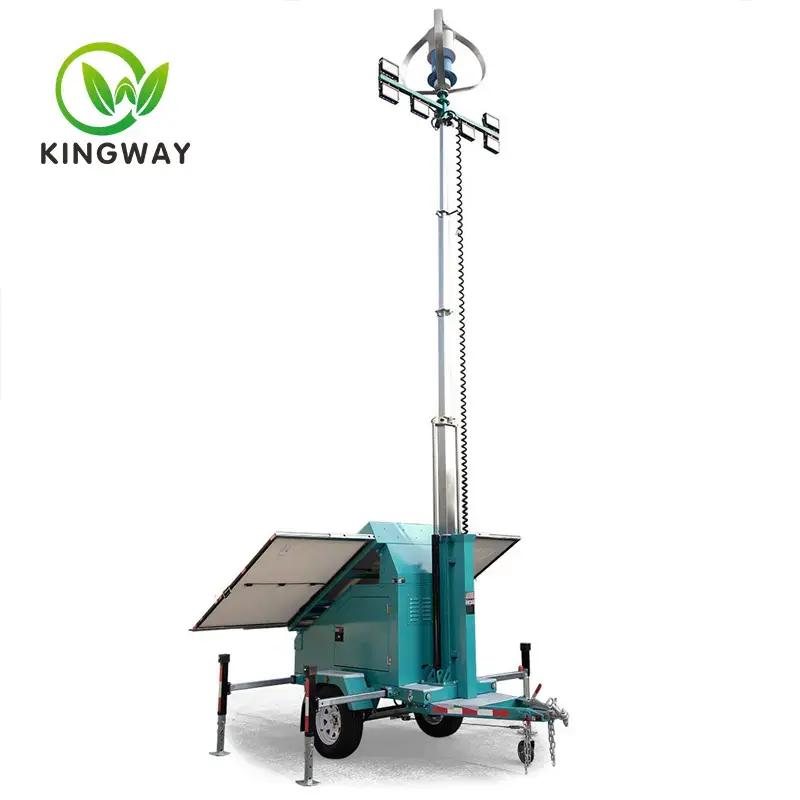
The structural design of diesel generator mobile lighthouses needs to take into account stability, portability and ease of operation. For example, high-strength steel is used to manufacture the chassis and frame to ensure that the equipment can operate stably in harsh environments. At the same time, a reasonable center of gravity distribution and support structure are designed to keep the lighthouse stable even in high wind speeds or on uneven ground. In addition, in order to facilitate transportation and storage, the structural design of the lighthouse is usually modular, and the components can be quickly disassembled and assembled.
(III) Electrical system design
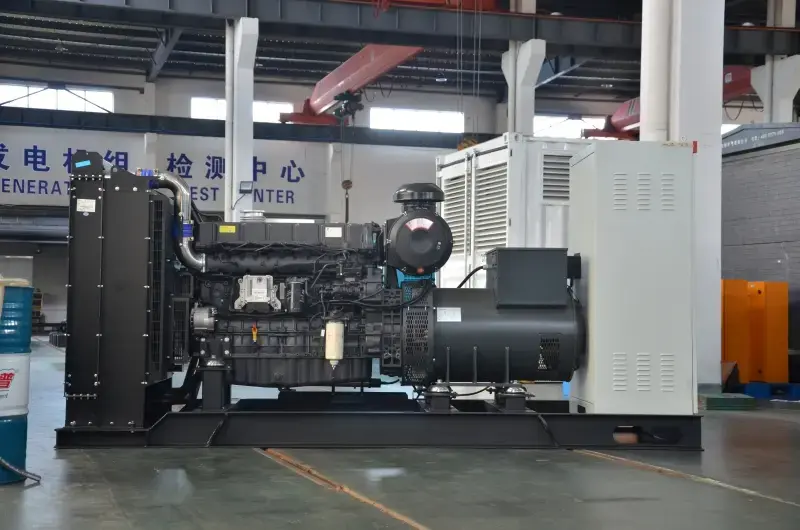
The electrical system is the core part of the diesel generator mobile lighthouse. The R&D team needs to carefully design the electrical parameters of the Generator Set to ensure that it can output power stably under different load conditions. For example, a high-performance brushless generator can provide stable voltage and frequency to meet the needs of lighting fixtures and other electrical equipment. In addition, it is equipped with an intelligent control system to realize functions such as automatic start, shutdown, and fault alarm to improve the intelligence level of the equipment.
(IV) Lighting system design
The design of the lighting system directly affects the use effect of the lighthouse. The key is to choose high-brightness and high-efficiency lamps. For example, LED lamps have the advantages of long life, low energy consumption, high light efficiency, and impact resistance. At the same time, a reasonable lamp layout and angle adjustment mechanism are designed to make the lighting range wider and more uniform. For example, the lamp head can be rotated and raised and lowered at multiple angles to meet the lighting needs in different scenarios.
2. Raw material procurement: the starting point of quality control
(I) Supplier selection
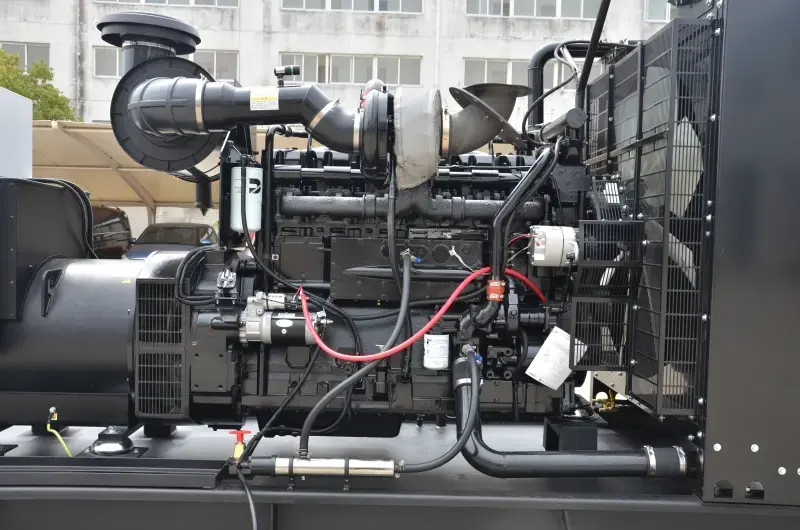
Selecting high-quality raw material suppliers is the basis for ensuring product quality. During the procurement process, suppliers need to be strictly evaluated and screened. For example, for key components such as engines and generators, internationally renowned brands such as Cummins and Perkins are usually selected. The products of these brands have undergone strict quality inspections and have reliable performance, which can provide strong guarantees for the overall performance of the lighthouse.
(II) Quality inspection
After the raw materials arrive, they must undergo strict quality inspections. Inspection items include appearance, size, performance and other aspects. For example, the thickness and strength of steel are tested to ensure that they meet the design requirements. For electrical components, electrical performance tests are required, including insulation resistance, withstand voltage strength, etc. Only raw materials that pass quality inspections can enter the production process, thereby ensuring the quality of the product from the source.
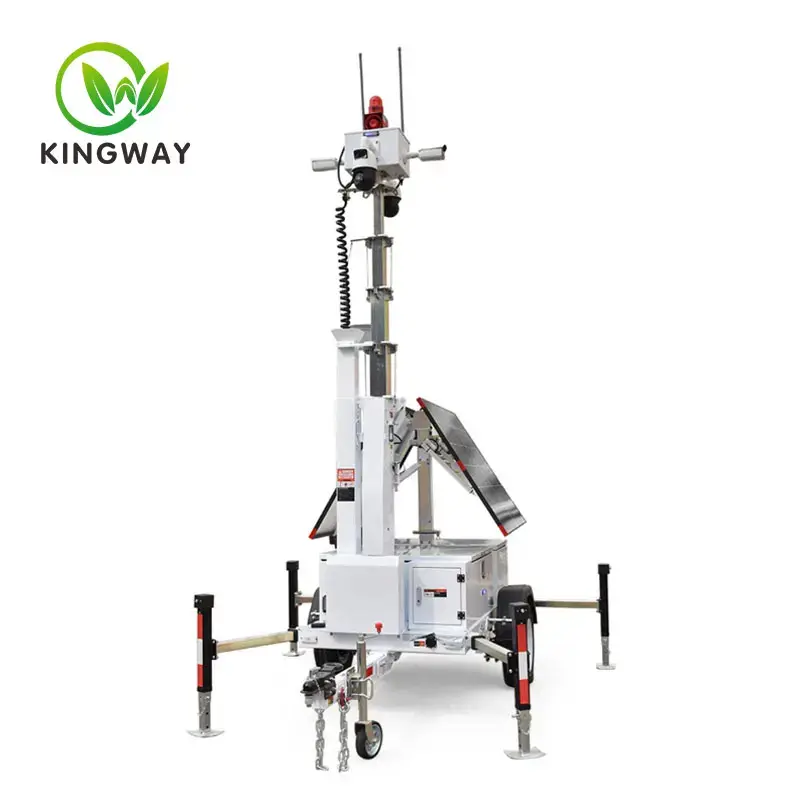
3. Production process: guarantee of refined manufacturing
(I) Welding process
Welding is an important link in the production process of diesel generator mobile lighthouses. The use of advanced welding equipment and processes can ensure the stability and reliability of welding quality. For example, using automatic welding robots to weld key parts to improve welding accuracy and efficiency. At the same time, strict quality control is carried out on the welding process, including the setting of welding parameters, visual inspection of welds and non-destructive testing. For example, ultrasonic flaw detection technology is used to detect the inside of the weld to ensure that the weld is free of defects such as cracks and pores.
(II) Assembly process
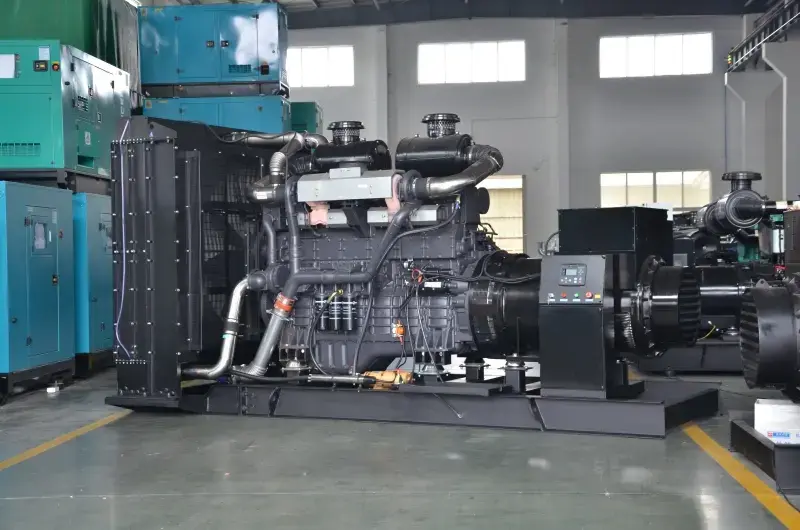
The precision of the assembly process directly affects the overall performance of the product. During the assembly process, it is necessary to strictly follow the process documents to ensure that the installation position of each component is accurate and the connection is firm. For example, the assembly of the generator set needs to ensure the coaxiality of the engine and the generator to reduce vibration during operation. At the same time, the assembled equipment is debugged and tested to ensure that its functions are normal. For example, the lifting system of the lighthouse is tested for multiple lifting and lowering to check its smoothness and reliability of operation.
(III) Surface treatment process
Surface treatment can not only improve the appearance of the product, but also enhance its corrosion resistance. For example, the metal parts of the lighthouse are sandblasted to remove surface rust and impurities, and then painted or sprayed. The painting process needs to ensure that the thickness of the paint film is uniform and the adhesion is strong, which can effectively prevent the metal parts from rusting. In addition, some key components, such as light poles and lamp housings, also require special protective treatment to adapt to the harsh outdoor use environment.