
Mobile Lighting Trailer Supplier
Procurement Guide for Dedicated Diesel Generator Sets for Ships
Procurement Guide for Dedicated Diesel Generator Sets for Ships
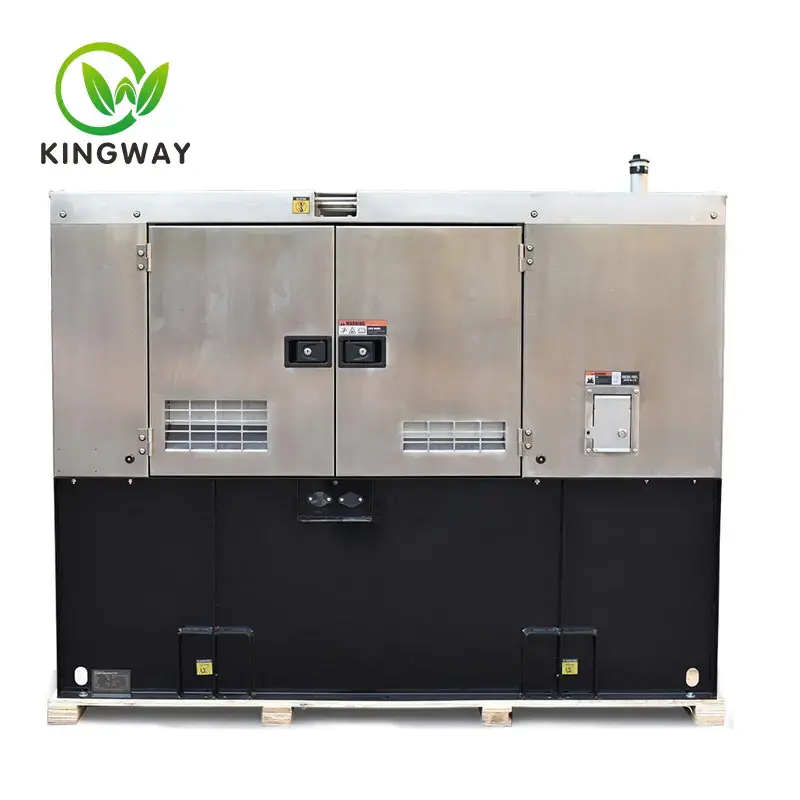
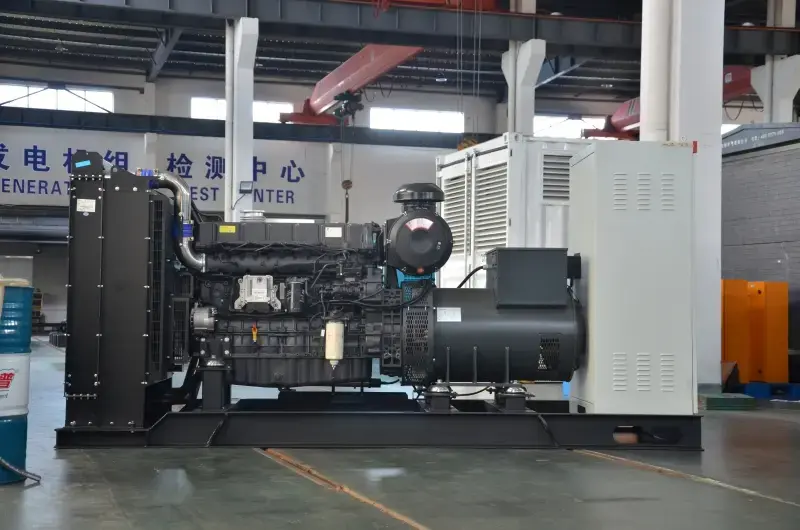
In ocean shipping, coastal operations, or special vessel operations, diesel generator sets are core equipment ensuring power redundancy, continuous operation of navigation and communication equipment, and stable power supply for crew living quarters. The unique characteristics of the shipboard environment—high salt spray, high humidity, turbulence and vibration, limited space, and the need for long-term continuous operation—dictate that their procurement cannot be equated with ordinary industrial generator sets. This article will start from the core needs of the shipbuilding industry and, combined with KINGWAY's application experience in the global maritime field, provide shipbuilding companies with a scientific and comprehensive procurement decision-making framework.
I. Core Procurement Considerations for Dedicated Diesel Generator Sets for Ships
1. Environmental Adaptability: Key to Withstanding Harsh Marine Conditions
The high salt spray, high humidity, and large diurnal temperature variations encountered by ships during navigation pose the primary challenge to diesel generator sets. Ordinary generator sets, without specific treatment, are prone to component corrosion, short circuits, and other malfunctions, directly affecting navigational safety.
Corrosion Resistance: Units employing marine-grade anti-corrosion technology must be selected. For example, KINGWAY units utilize ship-specific anti-rust coatings, stainless steel fasteners, and sealed electrical control cabinets to effectively isolate salt spray corrosion and extend the equipment's service life in marine environments.
Vibration Resistance and Stability: When the ship is pitching or rolling, the unit must possess strong vibration resistance. Core components (such as engines, generators, and water tanks) should have reinforced installation structures and be equipped with flexible shock-absorbing pads to prevent loosening or damage.
Temperature and Humidity Adaptability: The unit must cover extreme weather conditions encountered during ship navigation (-20℃~55℃) to ensure normal start-up and operation in both high and low temperature environments. This is especially important for ocean-going vessels, which must meet the temperature variation requirements of cross-latitude navigation.
2. Power Matching: Precisely Adapting to Ship Load Requirements
Ship electrical loads are complex, encompassing navigation radar, communication systems, refrigeration equipment, domestic power, and emergency power. Selecting too much power can lead to fuel waste, while too little power will fail to meet peak loads and may even cause the unit to overload and shut down. Load Calculation Logic: First, calculate the ship's "basic load" (core equipment such as navigation and communication) and "variable load" (refrigeration, domestic power consumption, etc.), then reserve 20%~30% power redundancy to cope with sudden load increases or equipment expansion needs;
Unit Type Compatibility:
Ocean-going cargo ships and large cruise ships: Require high-power (500kW and above), low-fuel-consumption, continuously operating units to support uninterrupted power supply for extended periods;
Coastal work vessels and small special-purpose vessels: Medium-sized (100~500kW) flexible start-stop units can be selected, balancing economy and practicality;
Emergency Backup Scenarios: Requires fast-start units (start-up time ≤ 10 seconds) to ensure immediate power switching in case of main power failure;
Fuel Efficiency: Due to high refueling costs during ship voyages, units with low fuel consumption rates should be prioritized (such as KINGWAY units with optimized combustion systems, achieving fuel consumption rates as low as 200g/kWh), which can significantly reduce operating costs over the long term.
3. Compliance: Meets international maritime standards and route requirements. Vessel navigation must comply with the maritime regulations of different countries and regions. If the generator set does not meet the relevant standards, it will face risks such as navigation restrictions and penalties. The following certifications should be carefully verified during procurement:
Core International Certifications: The generator set must pass relevant IMO (International Maritime Organization) standards and SOLAS (International Convention for the Safety of Life at Sea) certifications to ensure that the equipment meets the requirements for safe operation at sea;
Regional Compliance Certifications: Based on the navigation route, confirm that the generator set complies with regional standards such as EU CE certification, US EPA certification, and Southeast Asian Maritime Authority certification;
Environmental Requirements: The generator set must meet the IMO Tier II/III emission standards to reduce exhaust emissions and avoid restrictions in ports or sea areas with strict environmental regulations.
4. Reliability and Ease of Maintenance: Reducing Maritime Operation and Maintenance Risks
When vessels are operating at sea, engine unit failures are difficult and costly to repair. Therefore, "low failure rate" and "ease of maintenance" are core requirements:
Core Component Quality: Engines should be from internationally renowned brands (such as Cummins and Perkins), and generators should employ copper winding designs to ensure the stability and durability of core components;
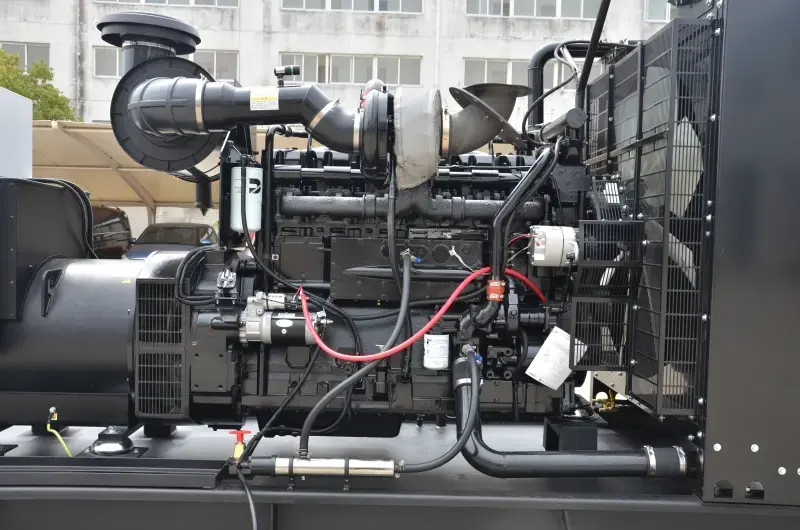
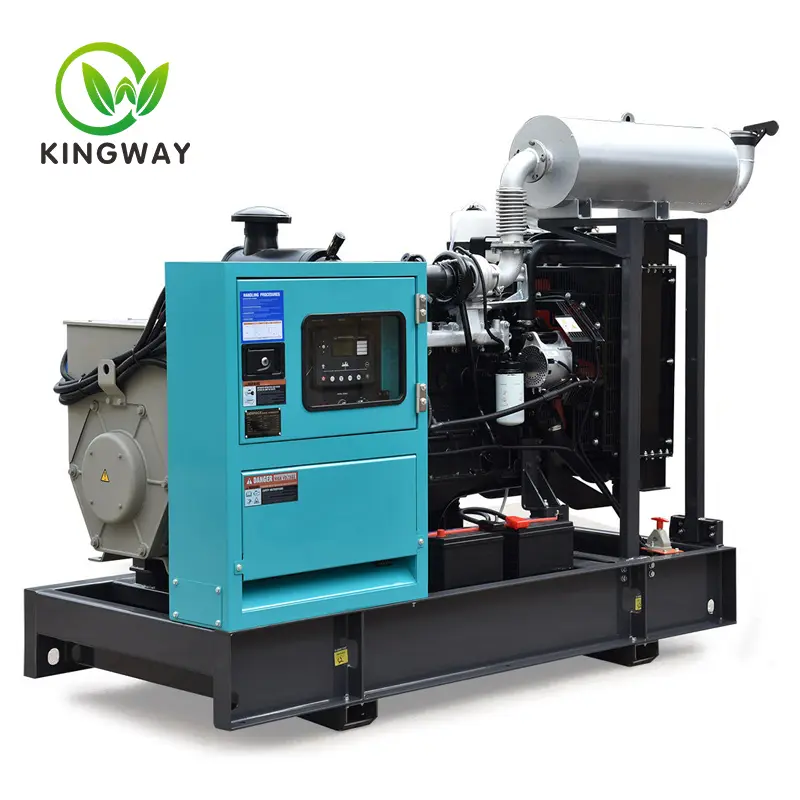
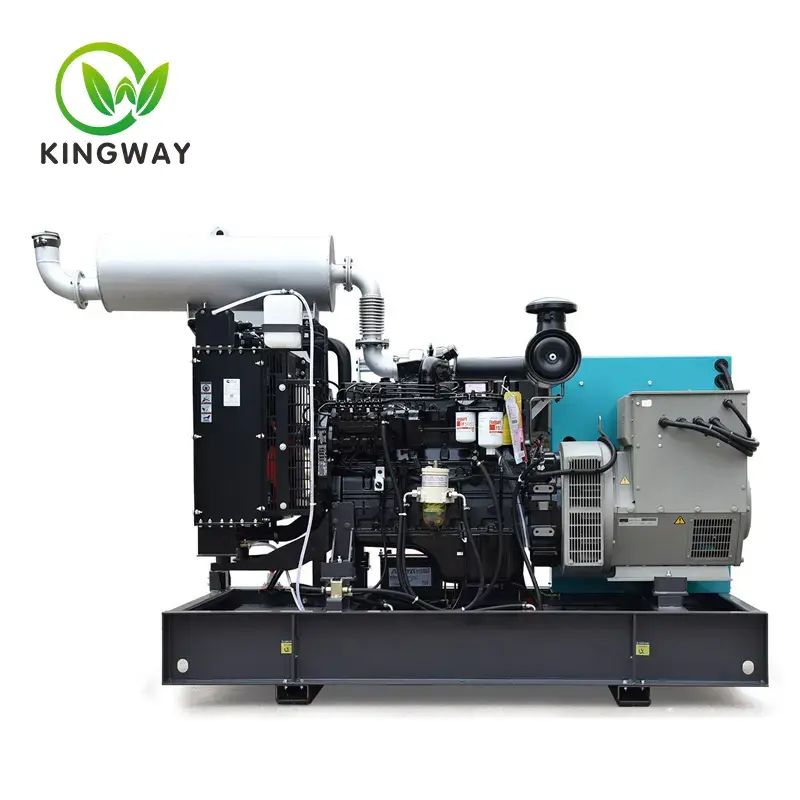
Maintenance Design: The unit must have sufficient maintenance space, and key components (filters, oil filler caps, instruments) should be easily disassembled and observed; it should also be equipped with an intelligent monitoring system that displays real-time operating data (speed, oil temperature, voltage) and provides early warnings of malfunctions;
Global Service Support: Choosing brands with service networks in 150+ countries worldwide (such as Kingway) ensures that spare parts supply and technical maintenance support can be quickly obtained regardless of the region the vessel is sailing in.
5. Customization Capabilities: Adapting to Specific Ship Installation and Functional Requirements
Different types of ships have significantly different spatial layouts, installation conditions, and power requirements. Standardized generator sets may not meet individual needs, making a brand's customization capabilities crucial:
Structural Customization: For ships with limited space, compact or modular generator sets can be customized, or the external dimensions and installation method can be adjusted according to the installation location (e.g., wall-mounted, vertical);
Functional Customization: If integration with the ship's existing power supply system is required, parallel and grid-connected functions can be customized; for low-temperature sea areas, preheating devices can be added; for high load fluctuations, the speed control system can be optimized;
Large-Scale Project Support: For ocean-going fleets and shipbuilding projects, the brand must possess a professional technical team and R&D capabilities to provide full-process customized services from load assessment, solution design, installation and commissioning to post-installation operation and maintenance.
II. Core Advantages of KINGWAY Marine Diesel Generator Sets
As a power solutions provider recognized in over 150 countries worldwide, KINGWAY has developed diesel generator sets tailored to the specific needs of marine environments, combining reliability, adaptability, and compliance. Its core advantages are as follows:
Extreme Environmental Adaptability:Utilizing marine-grade anti-corrosion technology, the hull coating has passed salt spray testing (480 hours without rust). The sealed electrical system isolates it from moisture, and the vibration-resistant design meets ISO 1940 standards, perfectly adapting to harsh marine conditions.
Precise Power Coverage:The product power range covers 100kW~1500kW, meeting the needs of all scenarios from small workboats to large cruise ships. Fuel consumption is among the lowest in the industry, resulting in more economical long-term operation.
Comprehensive Compliance Guarantee:All marine-specific generator sets have passed international certifications such as IMO Tier III, SOLAS Convention, CE, and EPA, ensuring compliance with local maritime regulations regardless of the region of navigation.
Customized Solutions:KINGWAY possesses a professional technical team and R&D capabilities. Our team provides comprehensive customized services, from power customization and structural optimization to functional upgrades, tailored to vessel type, route, and load requirements, especially suitable for large vessel projects.
Global Service Network: With service points in over 150 countries, we offer 24/7 technical support, spare parts supply, and on-site repair services, ensuring timely maintenance and support for vessels in any sea area globally.
Reliable Quality Guarantee: We have a 40,000-square-meter production base with an annual capacity of 8,000 units. Our products undergo rigorous factory testing (including 1,000 hours of continuous operation testing) and come with a warranty period of up to one year or 1,000 operating hours (excluding damage caused by improper human operation).
III. Practical Selection Steps for Shipbuilding Companies Purchasing Diesel Generator Sets
1. Define Load and Navigation Requirements
Compile a list of the ship's core electrical equipment, calculating total power, peak load, and continuous operating time;
Define the navigation area (open ocean/coastal), extreme climate adaptability requirements (low temperature/high temperature), and compliance certification requirements;
Determine the unit's purpose (primary/standby/emergency), and whether parallel operation or remote monitoring functions are needed.
2. Select Qualified Brands
Prioritize brands with deep expertise in the maritime field and a global service network, avoiding products without international certifications or after-sales support;
Verify the brand's ship generator set case studies (e.g., whether they have served similar shipping companies or large-scale maritime projects) to assess their industry experience.
3. Communicate and Customize Technical Solutions
Provide the brand with load data, installation space dimensions, and navigation scenarios to obtain targeted selection advice;
Define customization requirements (e.g., structural adjustments, functional upgrades), confirming technical feasibility and delivery timeline;
Request detailed generator set parameters, certification documents, and operational test reports to ensure compliance with procurement standards.
4. Verify Delivery and After-Sales Support
Confirm the delivery cycle (KINGWAY standard delivery 30-45 days, expedited delivery negotiable for urgent orders), matching the ship construction or modification schedule;
Clarify the payment method (OEM orders support 30% deposit + 70% prepayment; in-stock items require full prepayment);
Confirm the global after-sales service scope, spare parts supply cycle, and technical support channels (e.g., 24-hour hotline, on-site service response time).
5. Sign Contract and Acceptance Standards
The contract should clearly specify core contents such as unit parameters, certification requirements, customization clauses, warranty scope, and after-sales responsibilities;
During acceptance, focus on verifying the unit's appearance (anti-corrosion treatment), core component brands, completeness of certification documents, and stability during startup and operation.
IV. Frequently Asked Questions (FAQ)
1. What is the anti-corrosion warranty period for marine-specific generator sets?
KINGWAY's basic warranty period for marine generator sets is 1 year or 1000 operating hours (whichever comes first). Core corrosion-resistant components (such as coatings and seals) are provided with an additional 2-year corrosion protection guarantee under normal use conditions (excluding damage caused by human error).
2. How long is the customization cycle for large-scale ship projects?
For large-scale ship projects requiring structural optimization and functional upgrades, the customization cycle is typically 45-60 days. The specific timeframe can be negotiated and adjusted based on project complexity and order size. For urgent needs, expedited production can be initiated.
Website:https://site_fc70f0dc-e18d-4131-9144-d72c1199fe1a/
Email:shana@kwenergytech.com
Whatsapp:+18857031358