

Mobile Lighting Trailer Supplier
Mobile Solar Lighting Trailers - Nighttime Lighting Solutions for Municipal Road Repairs
Mobile Solar Lighting Trailers - Nighttime Lighting Solutions for Municipal Road Repairs
In the field of municipal engineering, emergency road repairs are crucial for ensuring smooth urban traffic and safe travel for citizens. However, nighttime road repairs face numerous challenges, with lighting being particularly prominent. Traditional lighting methods are not only energy-intensive and cumbersome to operate, but also pose safety risks, making them inadequate for efficient and safe repair operations. The emergence of mobile solar lighting trailers offers a novel solution for nighttime lighting during municipal road repairs, becoming a valuable aid for municipal authorities.
I. Pain Points and Needs of Nighttime Lighting for Municipal Road Repairs
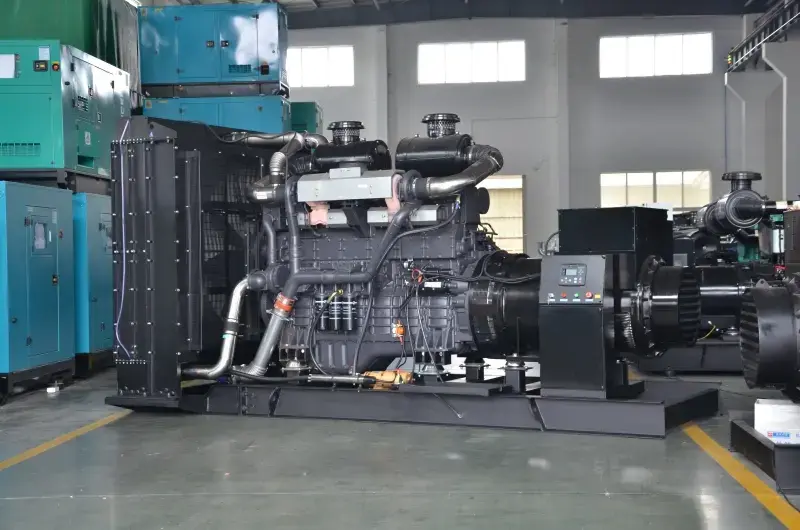
Municipal road repairs are often sudden and urgent, especially at night, when dim lighting poses significant challenges. Traditional nighttime lighting solutions primarily rely on lights powered by Diesel Generators, which present significant drawbacks. First, diesel generators generate significant noise and exhaust fumes, polluting the environment and disrupting the rest of nearby residents. This can easily lead to complaints when repairs are carried out in densely populated urban areas. Secondly, diesel generators require regular refueling. If they run out of fuel during emergency repairs, operations must be suspended to restock, severely impacting repair progress. Every minute of delay in road repairs increases traffic congestion and the risk of accidents.
Furthermore, the illumination range and brightness of traditional lighting are difficult to precisely control. In some areas, insufficient lighting may prevent repair workers from clearly seeing detailed work, increasing the likelihood of errors. In other areas, excessive light creates glare, impairing the vision of passing drivers and potentially causing traffic accidents. Furthermore, traditional lighting equipment is inconvenient to transport and install, requiring multiple workers to coordinate operations, which not only wastes manpower but also precious repair time.
For municipal road repair nighttime lighting, the core requirements are efficiency, safety, environmental protection, and convenience. Lighting equipment must be quickly deployed to provide sufficient and uniform light to the repair site within a short period of time. It must also be safe to avoid threats to repair workers and passing vehicles. It must also comply with environmental regulations and reduce pollution. Operation and maintenance must also be simple and convenient, reducing the workload of workers.
II. Core Advantages of Mobile Solar Lighting Trailers
As a new type of lighting equipment, the mobile solar lighting trailer, with its unique design and operating principle, perfectly meets the needs of municipal road repair nighttime lighting, demonstrating numerous core advantages.
(I) Green and Environmentally Friendly, Zero Emissions
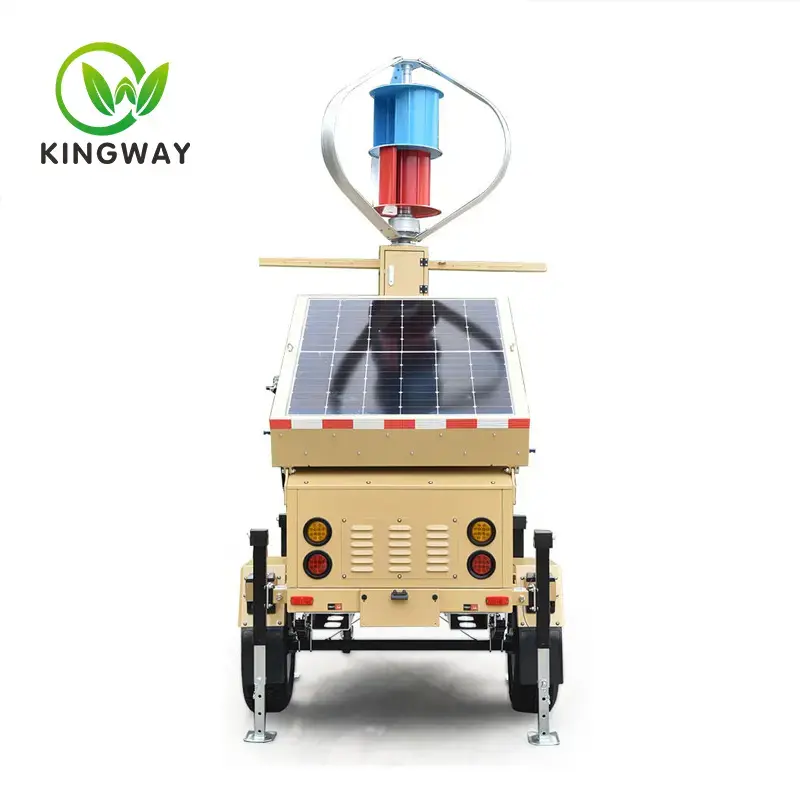
This lighting trailer uses Solar Energy as its primary energy source. Rooftop solar panels convert solar energy into electricity, which is stored in batteries. During operation, it eliminates the need for traditional fossil fuels such as diesel and gasoline, produces no harmful gases such as carbon dioxide and sulfur dioxide, and generates no noise pollution. This not only aligns with the current national green and low-carbon development philosophy, but also effectively improves the environmental quality of the repair site and surrounding areas, minimizing the impact on residents' lives. It is ideal for road repair operations in densely populated areas such as urban areas.
(II) High Efficiency and Energy Saving, Reducing Operating Costs
On the one hand, solar energy is an inexhaustible renewable energy source. Using a mobile solar lighting trailer eliminates fuel costs, significantly reducing the daily operating costs of the lighting equipment. Furthermore, the equipment boasts low energy consumption. The LED lighting fixtures used are highly efficient and energy-efficient. Compared to traditional incandescent and high-pressure sodium lamps, at the same brightness, they consume only 1/5 to 1/10 of the power of traditional lamps. Their lifespan is as long as 50,000 to 100,000 hours, reducing the frequency and expense of lamp replacement and further lowering maintenance costs.
(III) Flexibility and Convenience, Fast Deployment
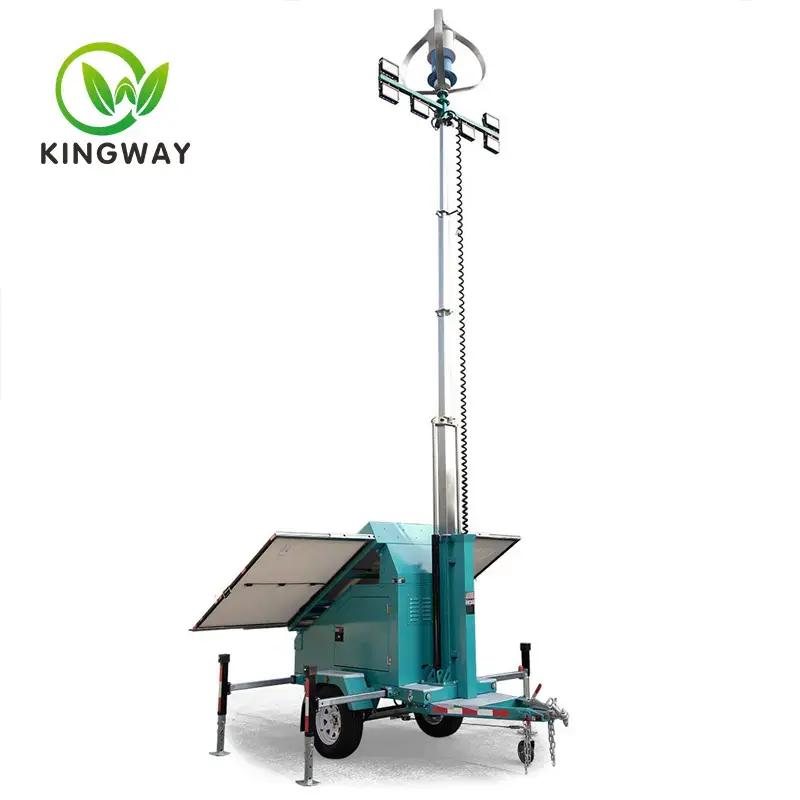
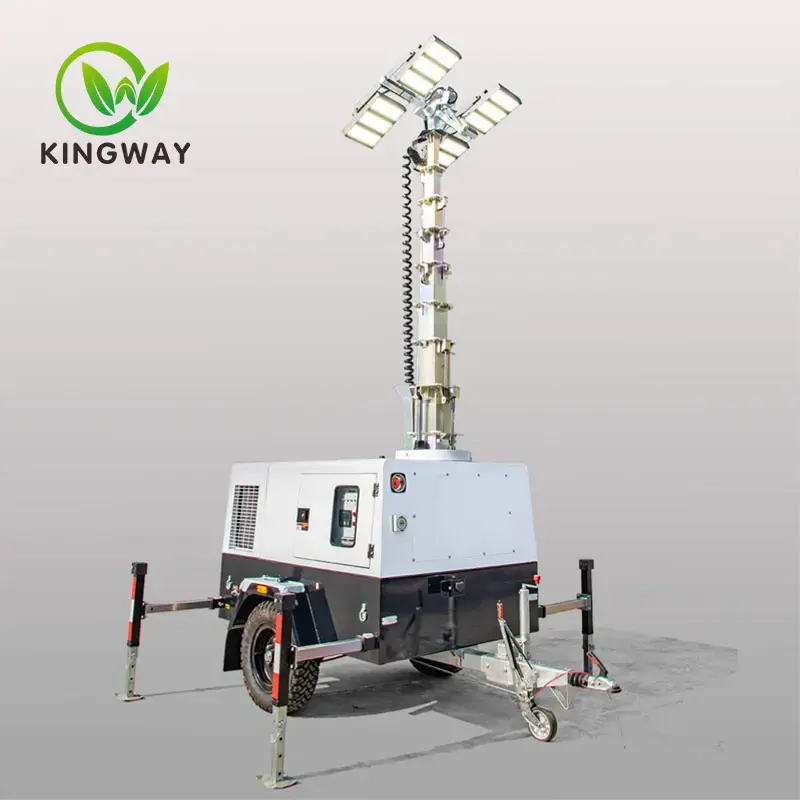
The mobile solar lighting trailer features a trailer-type design with sturdy tires and a towing mechanism, making it easily towable to the repair site by a standard truck or off-road vehicle. Upon arrival, workers simply unfold the solar panels, adjust the lighting angle, and turn on the lighting switch. The system is ready for deployment in minutes, eliminating the need for complex installation and commissioning. Furthermore, the lighting angle and height can be flexibly adjusted to meet the actual needs of the repair operation, enabling 360° illumination. This ensures that every corner of the repair site is adequately illuminated, meeting the lighting requirements of various repair scenarios.
(IV) Safety and Reliability, Ensuring Operational Safety
The mobile solar lighting trailer has been comprehensively optimized for safety features. First, the equipment features a waterproof, dustproof, and shockproof design, making it suitable for a variety of harsh weather conditions and complex on-site environments, such as rain, fog, and dust storms, ensuring trouble-free repair operations. Second, the lighting system utilizes a low-voltage power supply, eliminating the potential safety hazards associated with high-voltage power and ensuring the personal safety of repair personnel. Furthermore, the equipment is equipped with a variety of safety features, including overload protection, short-circuit protection, and overcharge and over-discharge protection, effectively preventing accidents caused by circuit failures and providing reliable safety assurance for nighttime road repair operations.
III. Core Components and Operating Principles of Mobile Solar Lighting Trailers
To fully understand why mobile solar lighting trailers are so effective in providing nighttime illumination for municipal road repairs, a detailed analysis of their core components and operating principles is necessary.
(I) Core Components
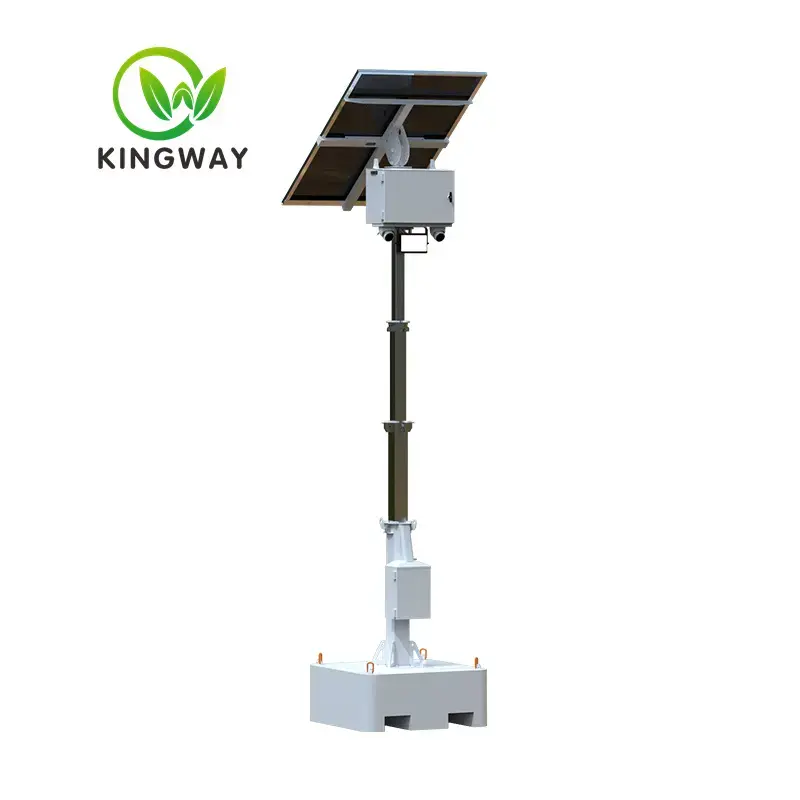
Solar panels: As energy harvesting devices, solar panels are a core component of mobile solar lighting trailers. They typically utilize high-efficiency monocrystalline or polycrystalline silicon solar panels, which offer high photoelectric conversion efficiency and can efficiently convert solar energy into electricity under varying lighting conditions. The number and power of solar panels can be configured based on the equipment's lighting needs and battery life. Typically, a mobile solar lighting trailer is equipped with two to four solar panels with a power of 200W to 300W.
Battery Pack: The battery pack primarily stores the electricity generated by the solar panels to power the lighting system and other auxiliary equipment. Currently, lithium batteries are commonly used, offering advantages such as high energy density, long service life, excellent charge and discharge performance, and light weight. The capacity of the battery pack directly affects the equipment's battery life. Generally, it can provide continuous operation for 8 to 12 hours in dark conditions, fully meeting the lighting needs of nighttime road repair operations.
LED Lighting System: LED lighting fixtures are the lighting output device of the mobile solar lighting trailer. They offer high brightness, low energy consumption, long life, and excellent color rendering. The lighting system typically consists of multiple LED fixtures, whose lighting angle and brightness can be adjusted as needed to achieve all-round, multi-angle lighting coverage. Some high-end equipment also features intelligent dimming, automatically adjusting lighting brightness based on on-site light intensity, further conserving energy.
Trailer Chassis and Support Structure: The trailer chassis is constructed of high-strength steel, offering excellent load-bearing capacity and stability, capable of supporting the weight of equipment such as solar panels, battery packs, and lighting systems. High-quality tires and traction devices are installed beneath the chassis, facilitating easy movement and transportation of the equipment. The support structure primarily supports the solar panels and lighting fixtures, enabling flexible and convenient operation by folding and unfolding the panels and raising and lowering and adjusting the lighting fixtures.
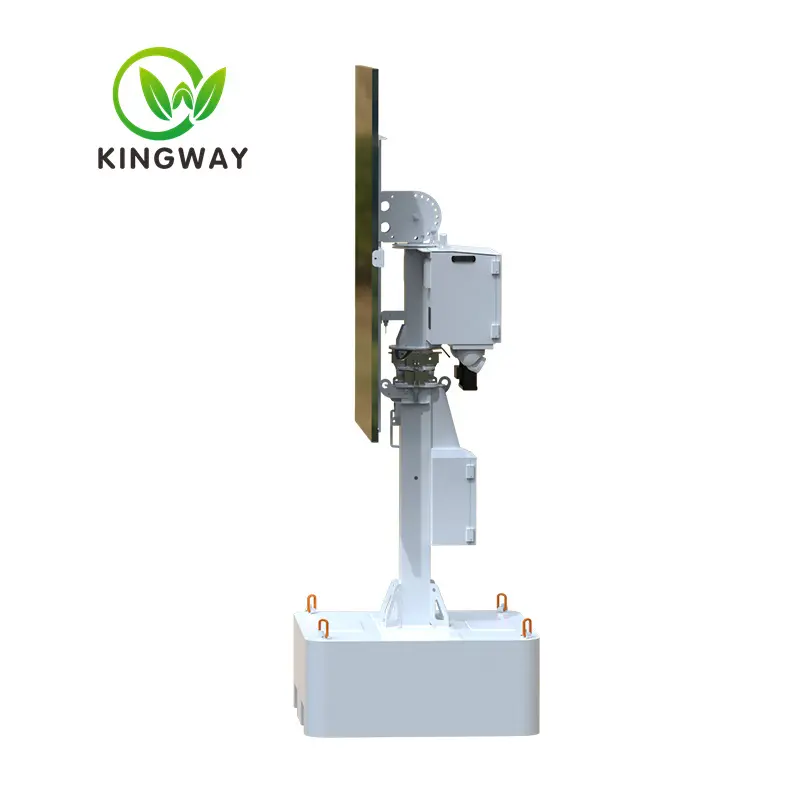
Intelligent Control System: The intelligent control system is the "brain" of the mobile solar lighting trailer, providing real-time monitoring and control of the equipment's operating status. This system includes functions such as solar charging management, battery discharge protection, lighting on/off control, and fault alarms. Through the intelligent control system, personnel can remotely monitor equipment battery levels, light intensity, operating status, and other information, and perform remote operations and adjustments based on actual conditions, significantly improving equipment management efficiency and ease of use. (II) Working Principle
During the day, when equipment is idle or in preparation for emergency repairs, solar panels, exposed to sunlight, convert solar energy into electricity. This energy is processed by a charge controller, with some directly supplied to lighting systems and other equipment (if needed), while the rest is stored in a battery bank to reserve energy for nighttime illumination. The charge controller automatically adjusts the charging current and voltage based on the battery charge and light intensity, preventing overcharging and extending the battery life.
At night, when emergency road repairs require lighting, workers can manually or remotely activate the intelligent control system. The battery bank then begins supplying power to the LED lighting system, illuminating the LED fixtures and providing illumination for the repair site. During this operation, the intelligent control system monitors the battery charge in real time. If the battery charge falls below a set threshold, the system automatically issues an alarm, prompting workers to take immediate action, such as disabling non-essential lighting or preparing for additional charging (if a backup charger is available). Furthermore, the intelligent control system automatically adjusts the brightness of the LED lights based on the on-site light intensity (e.g., the presence of additional auxiliary light sources), maximizing energy conservation and extending the device's battery life while ensuring effective lighting.
Furthermore, in the event of continuous rain or insufficient sunlight, if the battery charge is insufficient for nighttime lighting, some mobile solar lighting trailers are equipped with a backup charging port that can be connected to an external mains or generator to recharge the battery, ensuring the device's normal operation and preventing energy issues from impacting the progress of emergency road repairs.
IV. Specific Application Scenarios of Mobile Solar Lighting Trailers in Municipal Road Repairs
Due to their flexibility, convenience, high energy efficiency, safety, and reliability, mobile solar lighting trailers have a wide range of applications in municipal road repairs, providing high-quality lighting services for various types of repair operations.
(I) Pothole Repair
Pothole repairs are a common problem on urban roads. If not repaired promptly, they not only affect driving comfort but can also cause traffic accidents. When repairing potholes at night, warning areas should be set up around the potholes and the repair area should be precisely illuminated. Mobile solar lighting trailers can be quickly deployed around the work site. By adjusting the lighting angle and brightness, they focus light on the pothole repair area, allowing repair crews to clearly see the pothole's depth, shape, and the placement of repair materials, ensuring repair quality. Their bright light also serves as a warning, prompting passing vehicles to steer clear, ensuring traffic safety at the work site.
(II) Underground Pipeline Repair Operations
When underground pipelines (such as water pipes, gas pipes, power cables, and optical fiber cables) fail, immediate excavation of the road is necessary for repairs. This type of repair often involves digging large potholes in the road, creating a complex working environment and demanding lighting requirements. Mobile solar lighting trailers can be deployed around the excavated pits, providing all-round illumination. This allows repair crews to clearly see the pipeline's route, damage, and the detailed operation of repair equipment, preventing errors caused by poor visibility and improving repair efficiency and safety. Furthermore, for deeper potholes, the height and angle of the lighting fixtures can be adjusted to direct light deep into the pit, meeting the lighting needs of repair operations. (III) Road Crack Treatment
If road cracks are not promptly addressed, they will gradually expand over time, affecting the road's structural stability and service life. Nighttime crack treatment requires cleaning and caulking, requiring lighting equipment that provides uniform, bright light to ensure workers can accurately locate the cracks and perform meticulous treatment. Mobile solar lighting trailers can be flexibly deployed based on the distribution of cracks, providing continuous, stable illumination in the work area, helping workers efficiently complete crack treatment and reducing the impact of road damage on traffic.
(IV) Traffic Facility Repair
Damaged traffic facilities (such as traffic lights, signs, and guardrails) require prompt repair to maintain traffic order and ensure safe driving. Nighttime repairs often occur near roadsides or at intersections, where traffic is frequent, making safe lighting crucial. Mobile solar lighting trailers can be deployed near the work area. On the one hand, they provide sufficient lighting for repair personnel, enabling them to successfully complete the disassembly, installation and commissioning of traffic facilities; on the other hand, their eye-catching lights can also remind passing vehicles to slow down and avoid collisions with workers or equipment, ensuring work safety.
V. Considerations for Selecting and Using a Mobile Solar Lighting Trailer
To ensure that a mobile solar lighting trailer performs optimally for nighttime illumination during municipal road repair operations and extend the equipment's lifespan, the following points should be considered during selection and use.
(I) Considerations for Selection
Choose the appropriate configuration based on actual needs: Different municipal road repair operations require different lighting requirements. Therefore, when selecting a mobile solar lighting trailer, it's important to choose the appropriate solar panel power, battery capacity, and number of LED fixtures based on factors such as the area being worked on, required lighting brightness, and battery life. For example, for large-scale road repair operations, a device with a higher solar panel power, higher battery capacity, and a larger number of LED fixtures should be selected to ensure adequate lighting and a longer battery life.
Pay attention to the quality and performance of the equipment: The quality and performance of the equipment directly impact its performance and lifespan. When selecting a device, choose a manufacturer with a good reputation and credibility. Check the equipment's relevant certifications (such as CE and ROHS certifications) and understand parameters such as the device's waterproof, dustproof, and shockproof ratings. At the same time, you can also personally experience the equipment's ease of use, lighting effects, and stability through on-site inspections and trials to ensure you're choosing a product with reliable quality and excellent performance.
Consider the equipment's after-sales service: Mobile solar lighting trailers are relatively specialized equipment and may experience various malfunctions and problems during use. Therefore, good after-sales service is crucial. When choosing a device, you should understand the manufacturer's after-sales service system, including the scope of service, response time, and the technical level of maintenance personnel. Choose a manufacturer that provides timely, efficient, and professional after-sales service so that any equipment problems can be resolved promptly, minimizing the impact on emergency repairs.
(II) Precautions During Use
Perform daily inspection and maintenance of the equipment: Before each use of a mobile solar lighting trailer, personnel should carefully inspect all components of the device, including the integrity of the solar panels, damage, or obstructions; the battery charge level and secure connections; the functioning of the LED lighting fixtures, including any damage or flickering; the stability of the trailer chassis and support structure; and the correct tire pressure. During use, carefully monitor the device's operating status. If any abnormalities are detected, discontinue use and conduct repairs immediately. After use, clean and maintain the device, fold the solar panels, and inspect all components for integrity. Store the device in a dry, well-ventilated, and dark location, away from direct sunlight and rain.
Select a suitable deployment location: When deploying a mobile solar lighting trailer, choose a location with flat terrain, a clear view, and good lighting to ensure the solar panels can fully absorb solar energy. Avoid deploying the device near flammable or explosive materials, beneath high-voltage power lines, or in other hazardous areas to prevent potential safety hazards. Furthermore, the deployment location should consider the impact on passing vehicles and pedestrians, avoiding direct illumination of the lighting beam into the driver's line of sight or obstructing pedestrian traffic.
Pay attention to electrical safety: Although the mobile solar lighting trailer uses a low-voltage power supply, electrical safety precautions must still be observed during operation. When operating the device, personnel should wear protective equipment such as insulating gloves and shoes, and avoid touching exposed wires and electrical components. When connecting external charging devices, ensure the plug and socket are compatible and secure to avoid electric shock accidents caused by poor contact or short circuits. Also, educate other on-site workers not to touch the electrical components of the equipment to prevent accidents.
Comply with relevant operating procedures and laws and regulations: When using mobile solar lighting trailers for emergency nighttime illumination of municipal roads, strictly adhere to relevant operating procedures and laws and regulations. For example, when working on roads, warning signs and protective devices must be installed as required to guide passing vehicles and pedestrians. Unauthorized changes to the equipment's structure and performance, as well as its use for purposes other than lighting, are prohibited. Furthermore, attention should be paid to national and local policies and regulations regarding solar energy utilization and environmental protection to ensure that the equipment is used in compliance with relevant requirements.
VI. Conclusion
With the accelerating pace of urbanization, the importance of emergency road repair work has become increasingly prominent. Nighttime lighting, as a key component of emergency road repair operations, directly impacts the progress and safety of repair work. As an innovative lighting solution, the mobile solar lighting trailer effectively solves many problems of traditional night lighting with its advantages of being green, environmentally friendly, energy-efficient, flexible, convenient, safe and reliable, and provides strong support for emergency night lighting repairs on municipal roads.