

Mobile Lighting Trailer Supplier
Mobile monitoring lighting trailer maintenance guide
Mobile monitoring lighting trailer maintenance guide
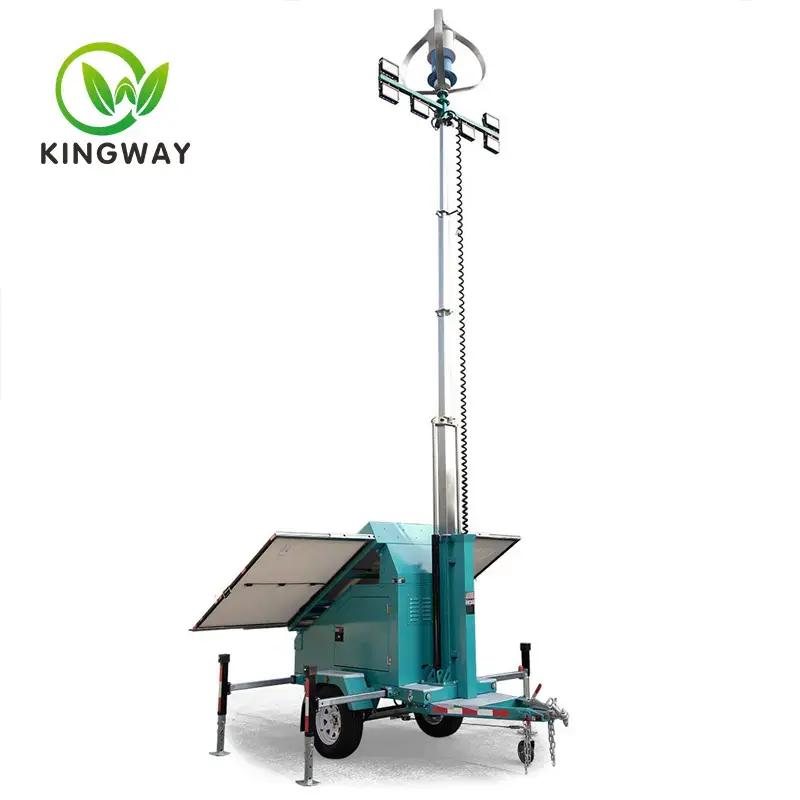
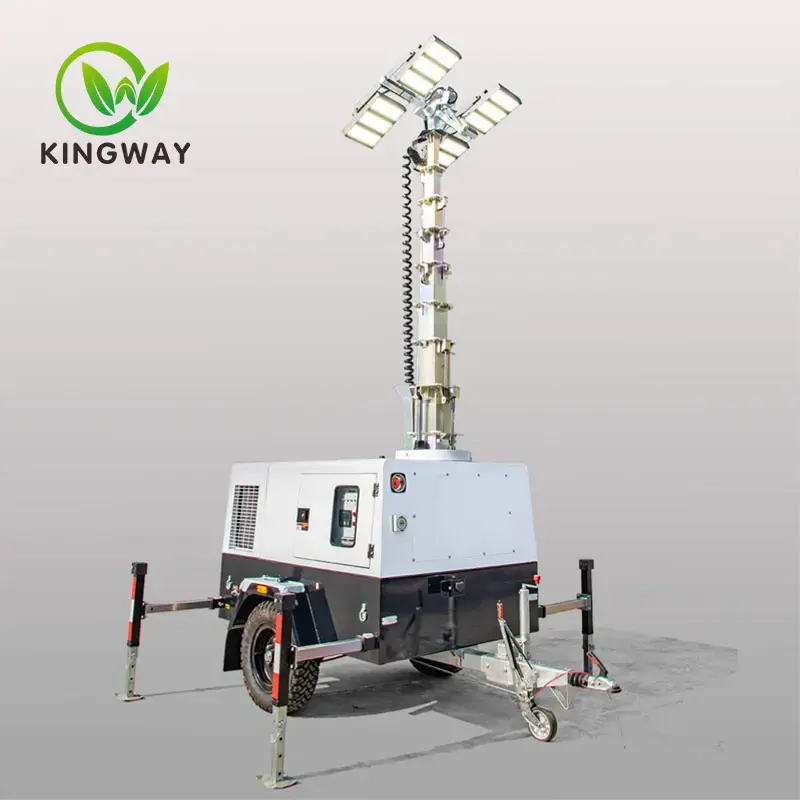
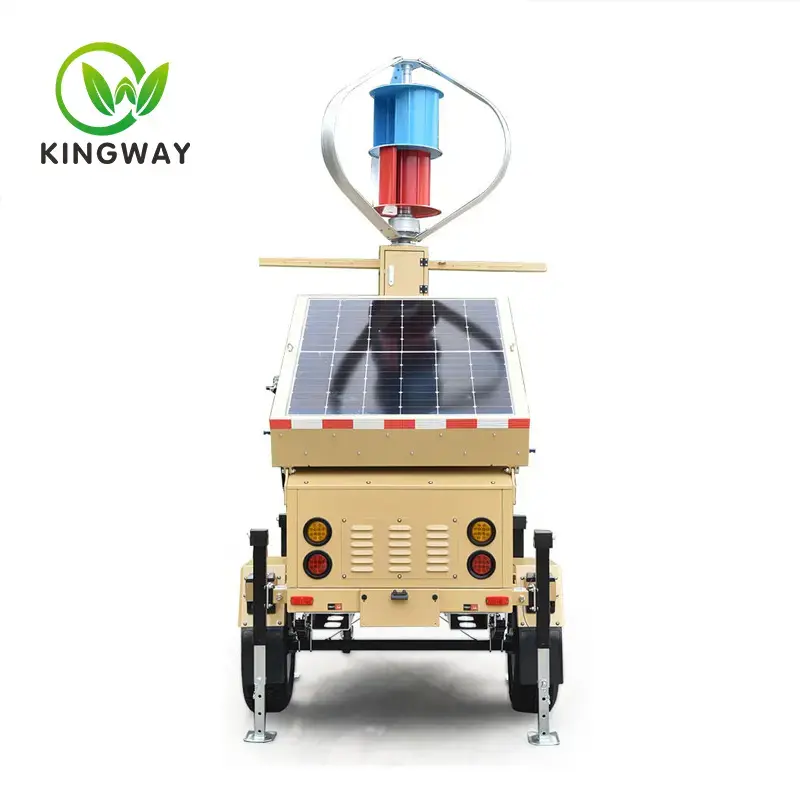
Mobile monitoring lighting trailers play an important role in many fields due to their convenience and efficiency, such as construction sites, emergency rescue sites, outdoor activity venues, etc. They can provide sufficient lighting and realize monitoring functions, which facilitates personnel to control the situation on site in real time. If you want the mobile monitoring lighting trailer to always maintain excellent performance and long-term stable operation, scientific and reasonable maintenance is essential. This article will comprehensively and in-depth explore the maintenance points of mobile monitoring lighting trailers to help users take good care of related equipment.
Daily inspection and cleaning
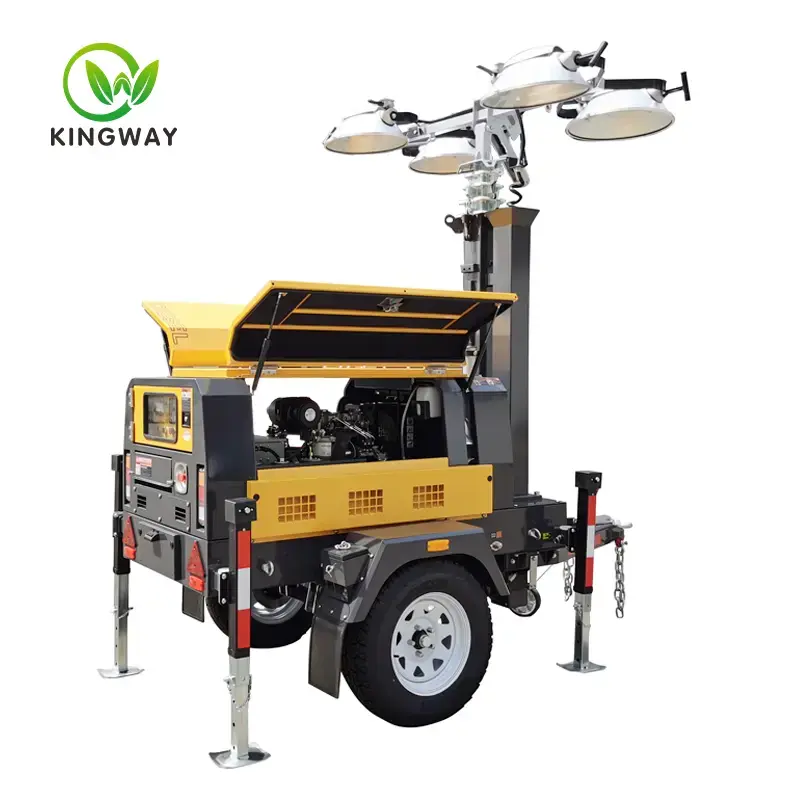
Appearance inspection: Before each use, carefully check the trailer surface for scratches, dents, cracks and other abnormal conditions. If damage is found, it should be repaired in time to prevent it from further deteriorating and affecting the overall performance and service life of the trailer. At the same time, check the integrity of the lighting fixtures to ensure that the lampshade is not damaged, the bulb is not loose, and the outer shell of the monitoring equipment is intact to avoid damage to internal components due to external environmental factors.
Cleaning operation: Use a soft cloth or sponge to dip in a mild detergent and gently wipe the surface of the trailer body, lighting fixtures and monitoring equipment to remove dust, stains, oil, etc. For stubborn dirt, the detergent concentration can be appropriately increased, but avoid the detergent from entering the equipment to prevent short circuits or malfunctions. After cleaning, wipe the surface of the equipment with a dry cloth to ensure that it is dry and tidy.
Maintenance of key components
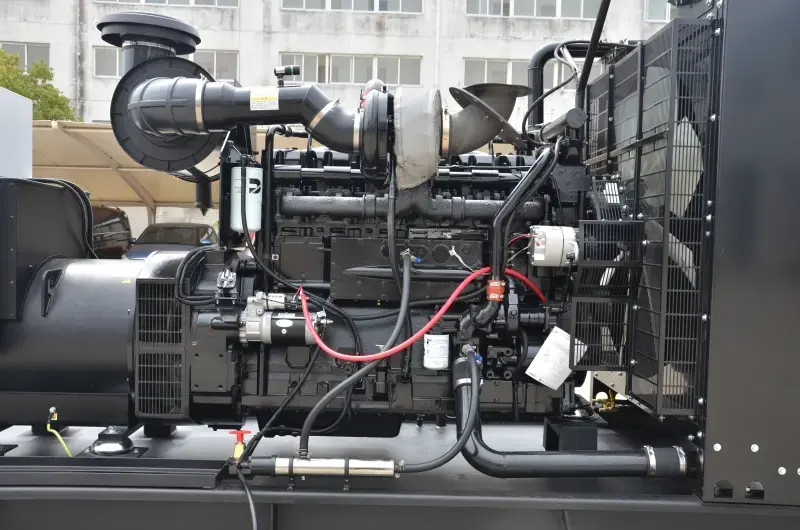
Oil maintenance: Engine oil is essential for the normal operation of the trailer engine. Check the oil level before each use to ensure that it is within the specified range. The engine oil needs to be changed 1 month or 250 hours after the first use, and every 6 months thereafter. When changing the engine oil, first open the oil dipstick, unscrew the oil drain screw, and drain the old oil. Draining the oil is faster and more thorough when the engine is hot. Install the oil drain screw and tighten it, fill the recommended oil to the upper limit of the oil, the oil capacity is about 0.6 liters, and finally install the oil feeler gauge and wash your hands with soap and water.
Air filter maintenance: The air filter can filter the air entering the engine to ensure engine performance. It should be checked every time it is used, and it needs to be cleaned every 3 months or 50 hours of use. If it is used in a dusty environment, it should be cleaned once a month. Open the air filter cover and check the cleanliness and condition of the filter element. If it is dirty, remove it and clean it with wet soapy water or solvent and squeeze it dry. Replace it if necessary. After cleaning, reinstall the filter element and cover. Do not turn on the engine during disassembly to prevent dust from entering the engine and accelerating wear.
Oil filter cup maintenance: Clean the oil filter cup every 6 months. Adjust the fuel valve to the OFF position, unscrew the oil filter cup counterclockwise, remove the O-ring and filter, clean the parts with solvent, replace the rubber gasket and tighten the oil filter cup. If the fuel filter is too dirty or clogged and cannot be cleaned, it needs to be replaced by the dealer.
Spark plug maintenance: Clean the spark plug every 6 months and replace it once a year. The specific operation is: remove the spark plug cap and spark plug, clean the carbon deposits, measure the gap, then reinstall and put on the cap. This operation can ensure normal engine ignition, maintain good power output and operation stability.
Lifting rod maintenance: The lifting rod is a key component for height adjustment of lighting fixtures and monitoring equipment. It should be cleaned every 6 months. If used in a dusty environment, it should be cleaned once a month to prevent dust and impurities from affecting the lifting function and accuracy, and ensure smooth and stable lifting of the equipment.
Lighting system maintenance
Lamp cleaning: In addition to daily cleaning, the inside of the lamp should be cleaned regularly to remove dust, insects and other debris that may have accumulated to ensure light output efficiency. Use professional cleaning tools and solvents to avoid damaging the optical components of the lamp. For LED lighting systems, pay attention to checking the heat dissipation components to prevent overheating from affecting the lighting effect and lamp life.
Lighting testing and adjustment: Regularly test the light intensity, angle and range of lighting fixtures. Turn on the lamp and observe whether the beam is normal and the brightness is uniform. If there is any abnormality, adjust the position and angle of the lamp in time, and replace the bulb or related parts if necessary to ensure that the lighting area receives sufficient and uniform light.
Precautions for lamp replacement: When replacing the lamp, wait for it to cool naturally and wear gloves to prevent fingerprints from affecting the life of the lamp. Install the new lamp in the correct way to avoid looseness or damage to ensure good contact and normal operation.
Monitoring system maintenance
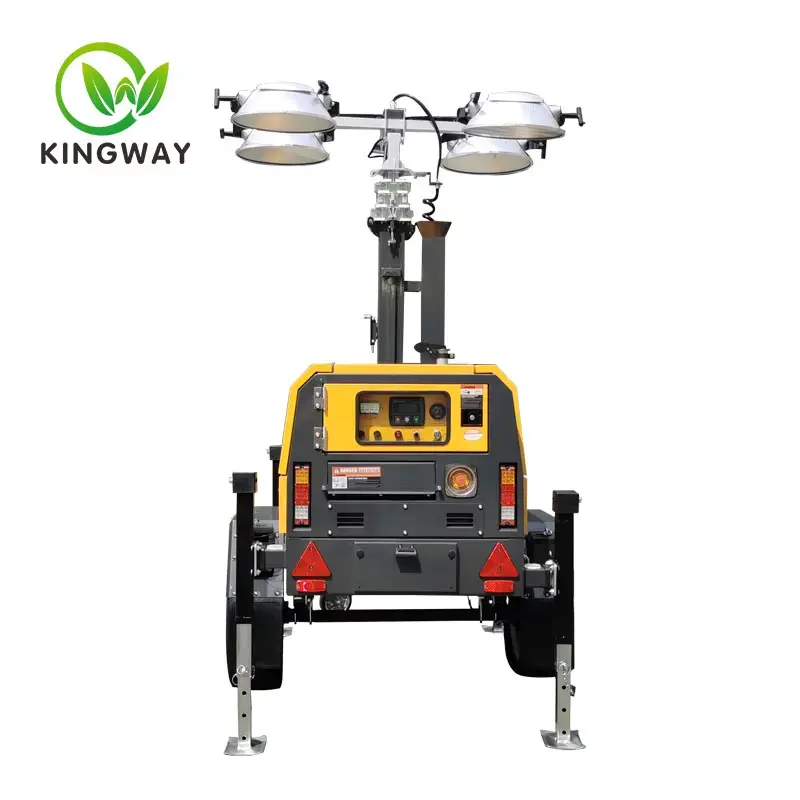
Equipment cleaning: Regularly wipe the surface of monitoring cameras, sensors and other equipment with a clean soft cloth to remove dust and stains to ensure image acquisition quality and data accuracy. Be gentle to avoid damaging the equipment lens and precision parts.
System inspection and update: Regularly check the software version of the monitoring system and update it to the latest version in time to obtain performance optimization, function improvement and security enhancement. At the same time, test the various functions of the monitoring equipment, such as image transmission, storage, playback, etc., to ensure that the monitoring system operates stably and reliably.
Line inspection: Check the line connection of the monitoring system, including power lines, signal lines, etc., to ensure that the lines are not loose, damaged, oxidized, etc. If there is any damaged line, replace it in time to prevent signal transmission interruption or instability, which will affect the monitoring effect.
Troubleshooting tips
Engine failure: If the engine cannot start, first check whether the fuel tank is short of oil, whether the switch is turned on, whether the engine oil is sufficient, and whether the spark plug is normal. Check and handle according to the steps. If it still cannot start, contact professional technicians for repair.
No voltage output problem: When there is no voltage output, first check whether the AC circuit breaker is turned on and whether the load electrical appliances are faulty. If it is still not resolved after troubleshooting, contact the manufacturer's technicians.