

Mobile Lighting Trailer Supplier
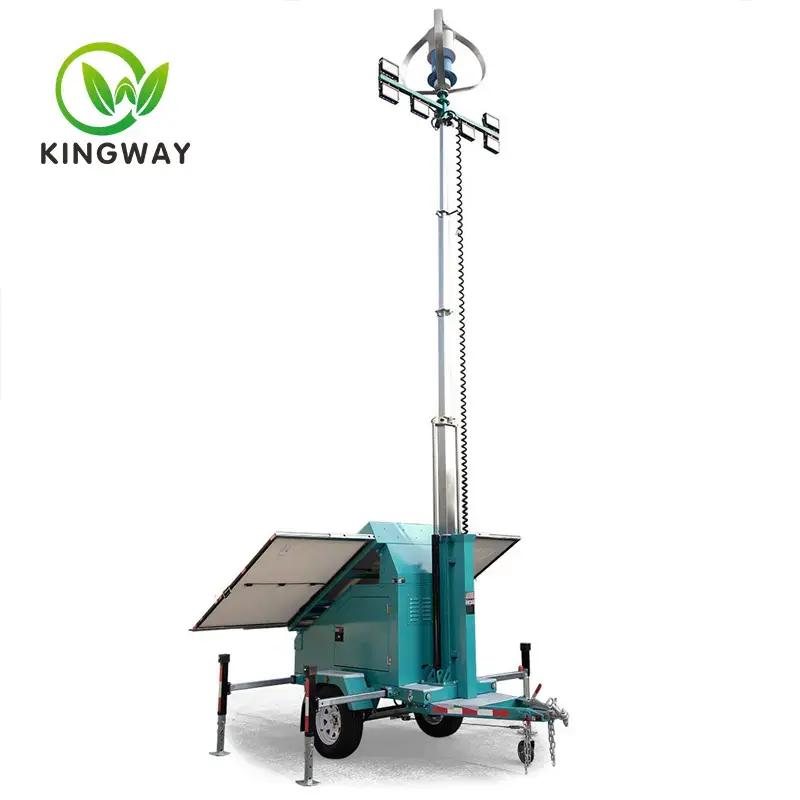
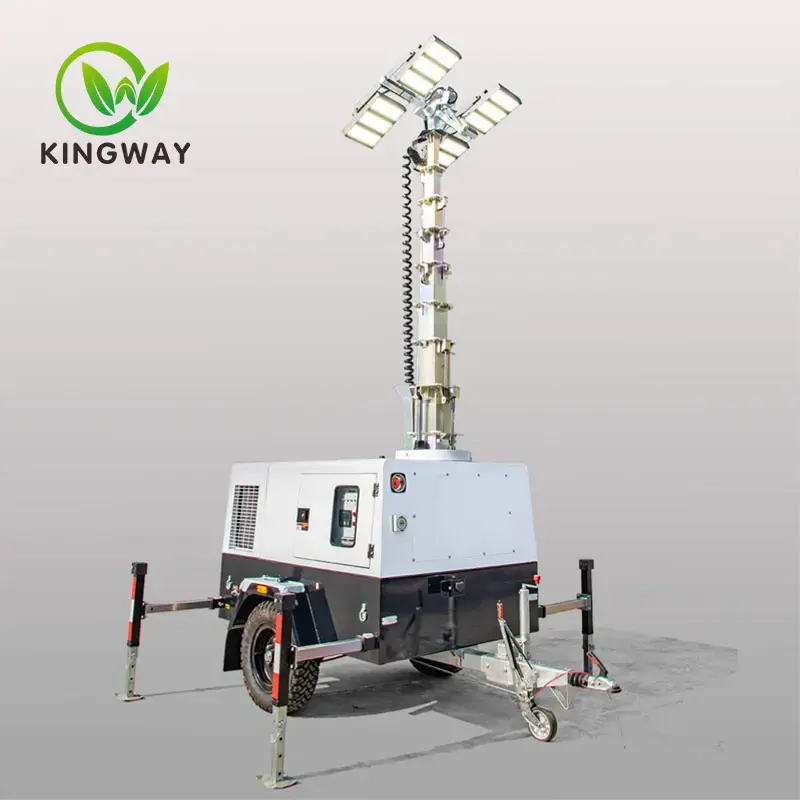
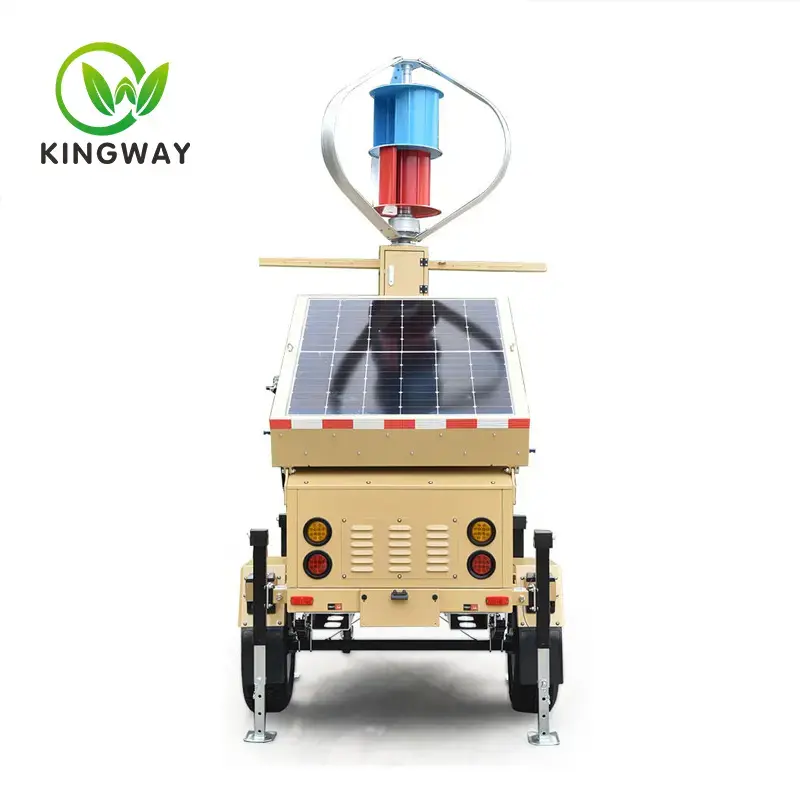
Mobile lighting monitoring tower for oil exploration
Dedicated Mobile Lighting and Monitoring Lighthouses for Oil Exploration
I. Core Pain Points of Oil Exploration: Why are "Dedicated" Mobile Lighting and Monitoring Lighthouses Needed?
Oil exploration operations often face three major challenges:
Extreme Environment:Remote areas such as deserts, offshore platforms, and rainforests experience diurnal temperature variations of up to 60°C, accompanied by sandstorms, torrential rain, and gusts exceeding level 8, making ordinary lighting equipment prone to failure.
High Safety Risks: Explosive gases (such as methane and ethylene) and dust environments resulting from oil and gas leaks require equipment with the highest level of explosion-proof performance.
Continuous Operations: Drilling, logging, and pipeline laying processes require 24-hour continuous operation, and nighttime lighting and real-time monitoring directly impact construction efficiency and personnel safety.
General Design of Ordinary Mobile Lighthouses (such as non-explosion-proof materials, fixed lighting angles, and weak protection)These designs are ill-suited to the stringent requirements of oil exploration. Dedicated lighthouses must specifically address the three core issues of "safety compliance, environmental tolerance, and functional synergy."
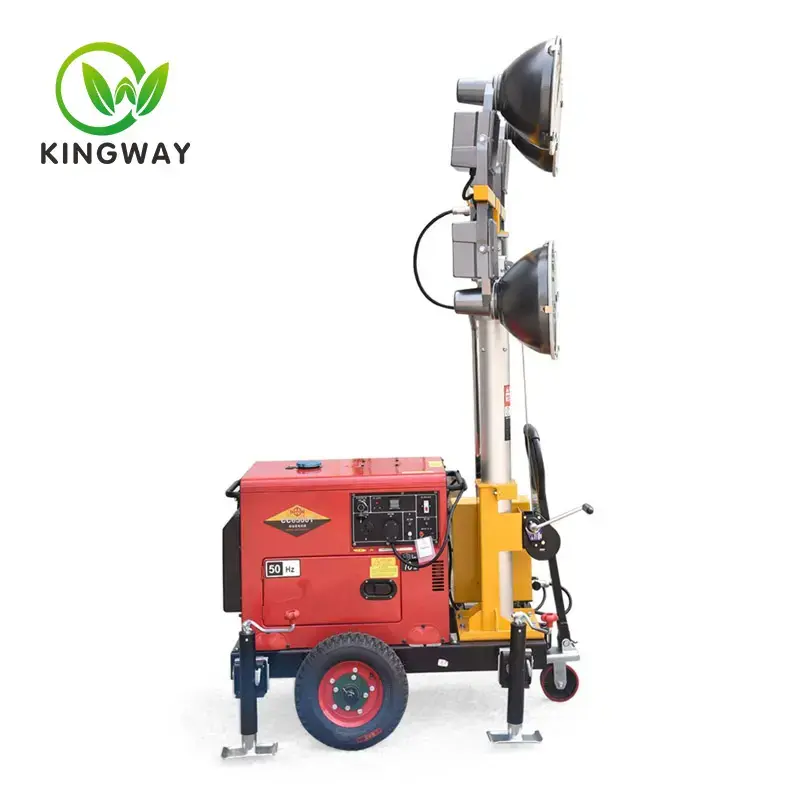
II. Three Core Technologies of Dedicated Lighthouses: Adapting to Oil Exploration Scenarios
1. Explosion-proof Safety: Globally Certified "Intrinsically Safe" Design
Oil exploration falls under the IECEx standard's definition of Class IIC gas environments (high-risk media such as hydrogen and acetylene) and Zone 20 dust environments. Dedicated lighthouses must pass multiple international explosion-proof certifications:
Core Certifications: IECEx (globally recognized), ATEX (EU), UL/FM (North America), EAC (Eurasian Economic Union);
Explosion-proof Structure: Flameproof (Ex d) housing + intrinsically safe (Ex ia) circuit design, preventing internal arcing from igniting external flammable and explosive media;
Protection Rating: Light head IP65, vehicle body IP54, able to withstand heavy rain and sandstorms, meeting the requirements of offshore platform salt spray corrosion environments.
2. Lighting System: Precise Coverage and High Energy Efficiency
Addressing the large-area operational needs of oil exploration, the lighting design emphasizes "wide coverage, strong penetration, and long endurance":
Light Source Configuration: 4 sets of 400W high-efficiency LED light groups (selectable spotlight/floodlight modes), with a single lamp illuminance of 9600 lumens, a coverage radius of 100 meters, and brightness equivalent to 30 times that of traditional lighting equipment;
Adjustment Function: 9-section hydraulic lifting mast (steplessly adjustable to 9 meters), rapid rise in 45 seconds, descent in 20 seconds, 360° rotation + 90° flip of the lamp panel, eliminating blind spots;
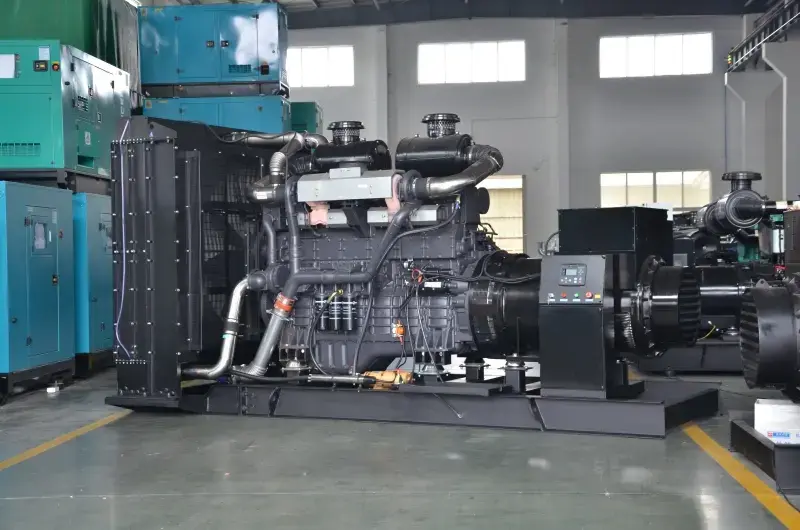
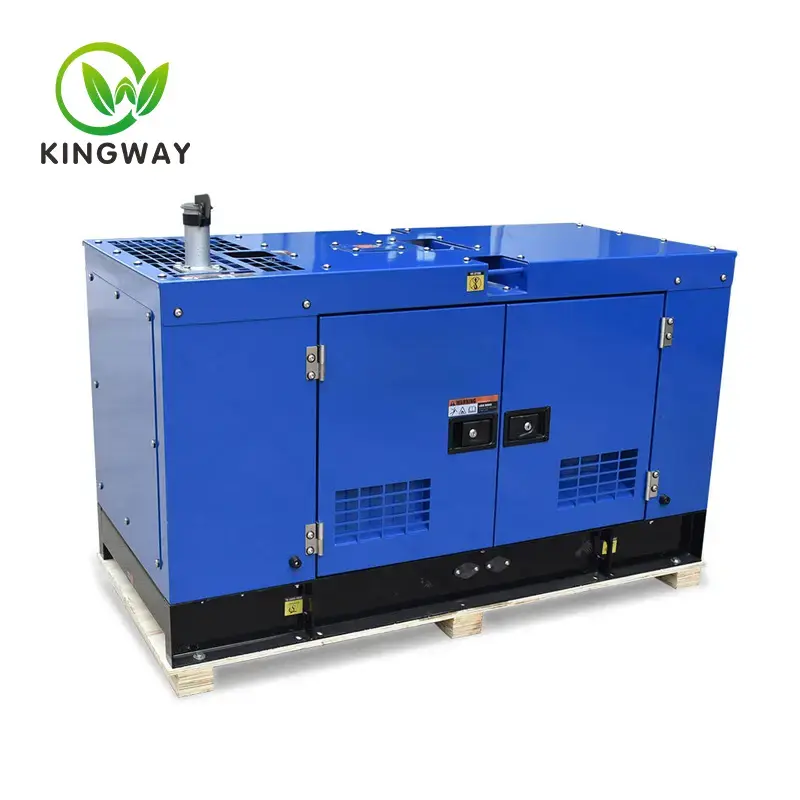
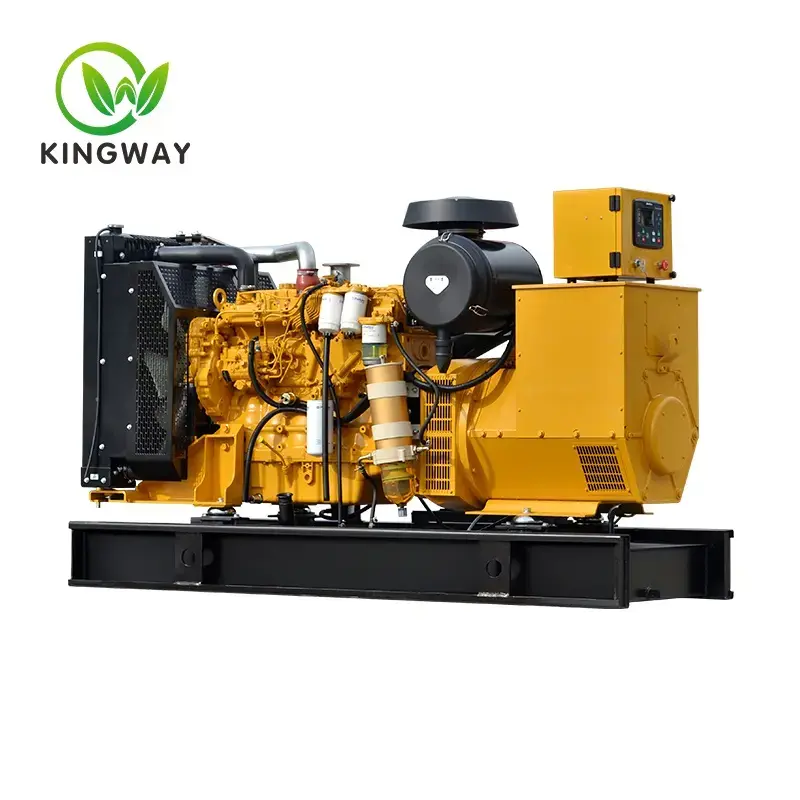
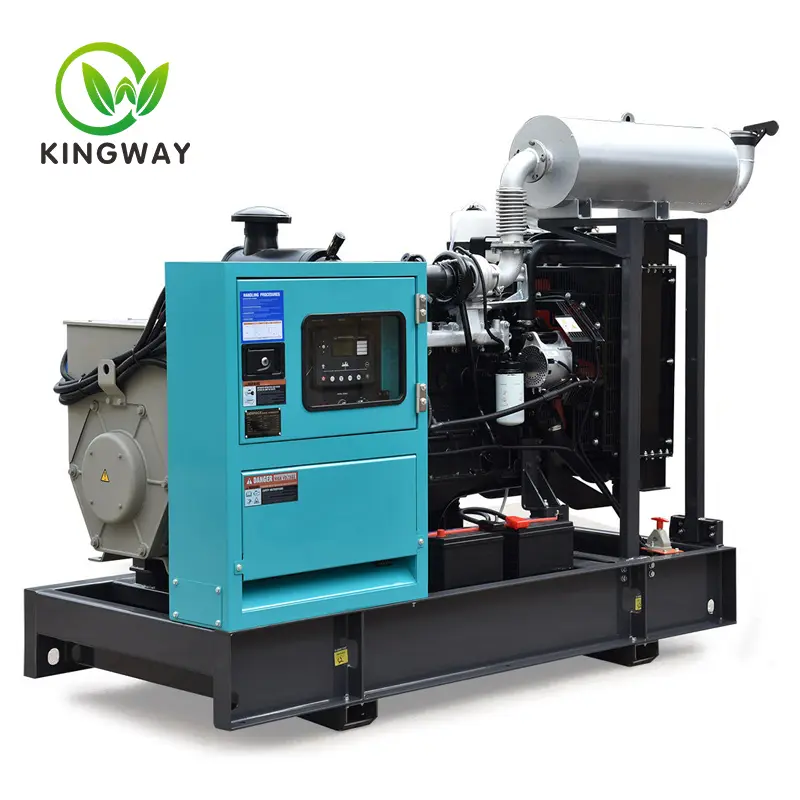
Energy Options: Diesel Generator (endurance of over 24 hours) or solar energy storage (suitable for remote areas without power grid), supporting hybrid power mode to reduce carbon emissions.
3. Monitoring Collaboration: An Integrated Solution for Lighting and Security The core advantage of dedicated lighthouses lies in the deep integration of "lighting + monitoring," rather than the splicing of independent devices: Monitoring Configuration: High-definition infrared camera (nighttime detection distance ≥300 meters), supports 360° pan-tilt rotation, integrated gas concentration monitoring module (detects methane and hydrogen sulfide); Data Transmission: 4G/satellite dual-mode communication, real-time transmission of video footage and environmental data, adaptable to areas with no signal, such as oceans and deserts; Linkage Functions: Lighting brightness can be automatically adjusted according to the monitoring footage; abnormal situations (such as excessive gas levels or intrusion) trigger light flashing and remote alarms, forming a closed loop of "detection - early warning - response."
III. Global Application Scenarios: Validating the Practical Value of Dedicated Lighthouses
Desert Oilfield Nighttime Drilling: A Middle Eastern oilfield used a solar-powered dedicated lighthouse, which operated continuously for 30 days in 50°C high temperatures and level 10 sandstorms, providing illumination for two drilling platforms. The monitoring system successfully issued two early warnings of pipeline leak risks.
Offshore Oil Platform Maintenance: The North Sea oilfield selected an ATEX-certified lighthouse with a 9-meter lifting height to penetrate sea fog. Its IP67 protection rating withstands wave impacts, and, combined with a tethered power supply system, provides 72 hours of uninterrupted lighting and monitoring.
Remote Pipeline Survey: In the South American rainforest region, a portable towable lighthouse was used. Its hydraulic support legs allow for quick fixation to rugged terrain. Illumination and infrared monitoring ensured pipeline laying accuracy while mitigating the risk of interference from wild animals.
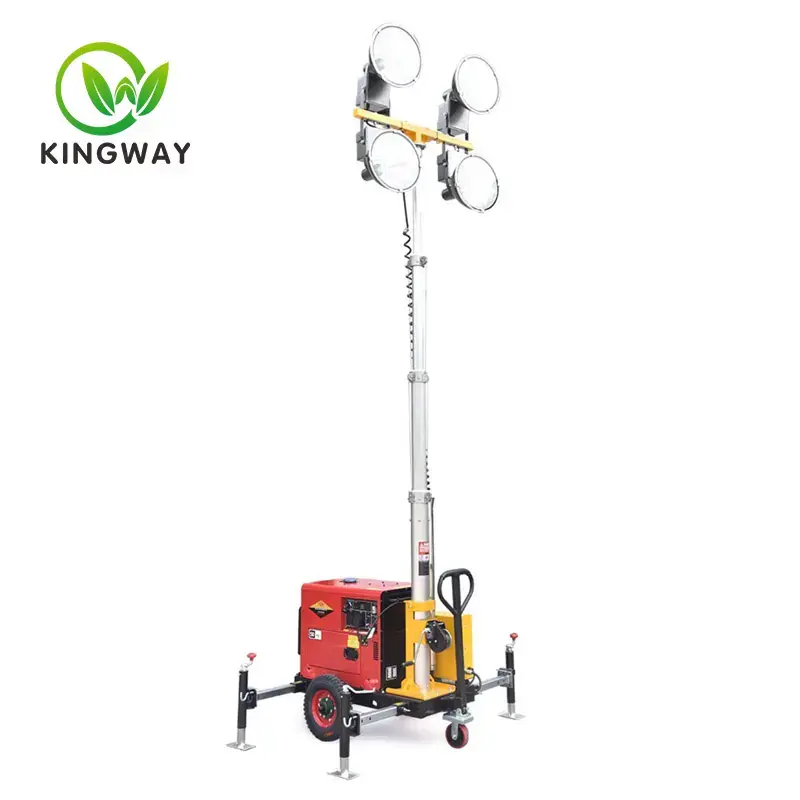
IV. Compliance and Selection: Key Indicators for Dedicated Lighthouses in Oil Exploration
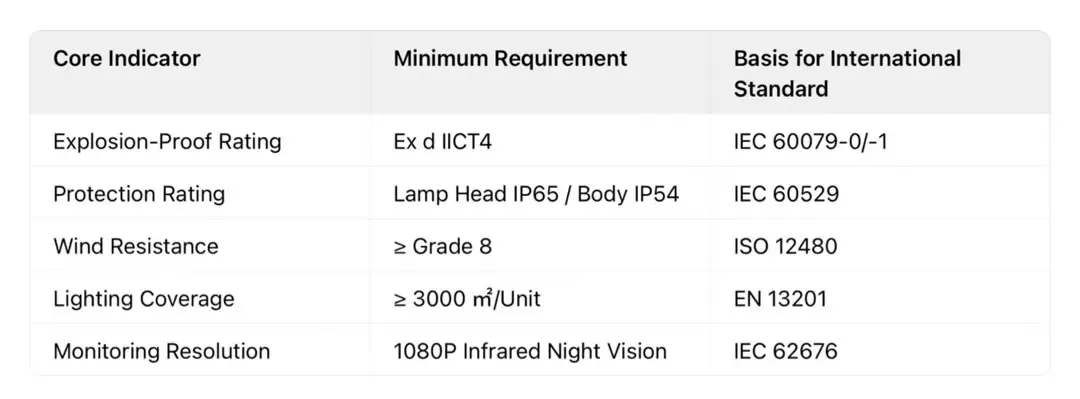
When selecting a lighthouse, extra attention should be paid to: certification compatibility (e.g., meeting both IECEx and UL standards), modular design (facilitating maintenance and replacement), and low-temperature start-up performance (operating normally at -40℃) to ensure adaptability to the exploration needs of different regions.
V. Conclusion: Dedicated Lighthouses are the "Dual Engines of Safety and Efficiency" in Oil Exploration
Every breakthrough in oil exploration relies on precise adaptation to extreme environments. Dedicated mobile lighting and monitoring lighthouses, through explosion-proof safety design, strong environmental tolerance, and integrated lighting and monitoring technology, not only solve the pain points of traditional equipment being "incompatible, unsafe, and inefficient," but also, through globally recognized compliance certifications, have become a standardized configuration for multinational exploration projects. From deserts to oceans, from nighttime operations to remote monitoring, dedicated lighthouses are redefining the safety boundaries and efficiency ceilings of oil exploration—choosing a targeted solution means choosing to make every exploration more controllable, efficient, and safe.