

Mobile Lighting Trailer Supplier
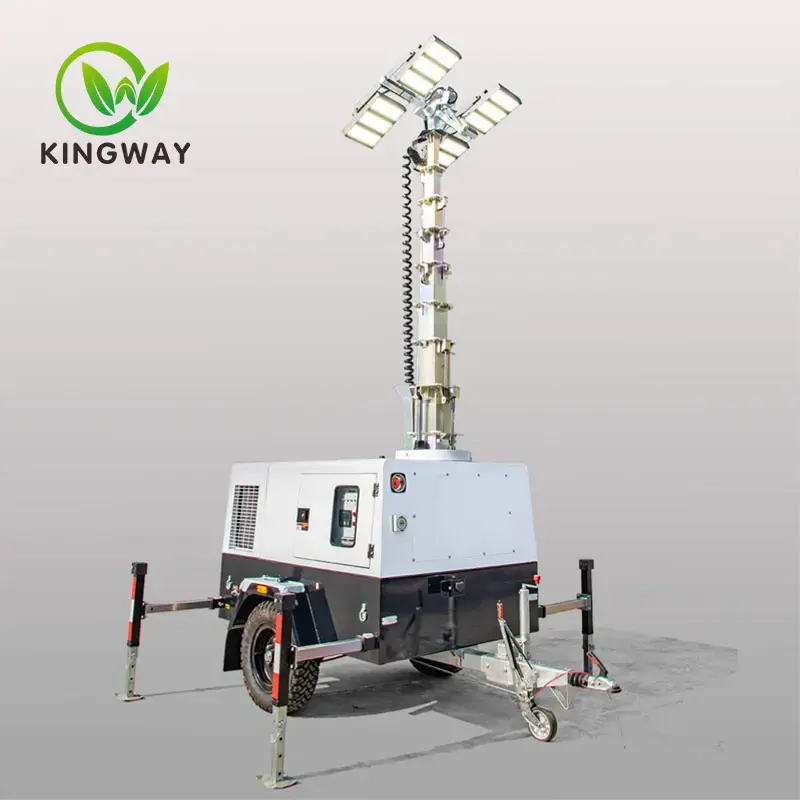
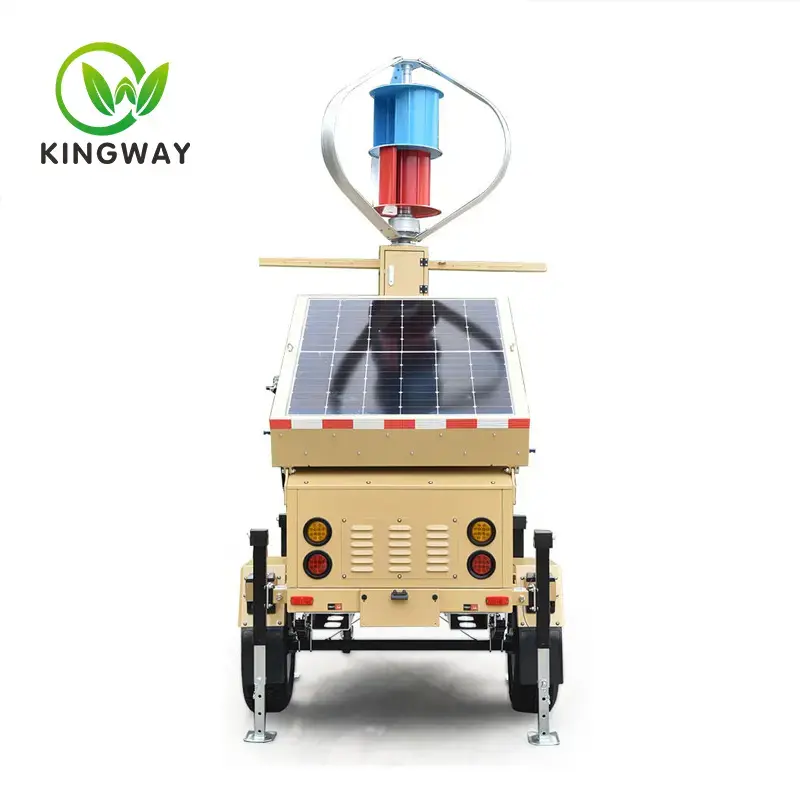
Leasing vs. Purchasing Solar-Powered Mobile Lighting Trailers
Leasing vs. Purchasing Solar-Powered Mobile Lighting Trailers
1. Core Conclusion: There is no absolute advantage or disadvantage between leasing and purchasing. The key factor is the customer's usage cycle, financial situation, and flexibility requirements for the scenario. Distributors need to accurately match solutions to maximize profits.
2. Comparison Dimensions: In-depth analysis from four core dimensions: initial investment, long-term costs, operation and maintenance responsibilities, and market adaptability.
3. Core Value: Providing global distributors with a directly implementable customer referral logic to help quickly match customer needs and improve conversion rates.
I. Initial Investment Costs: The Core Difference Between High and Low Barriers
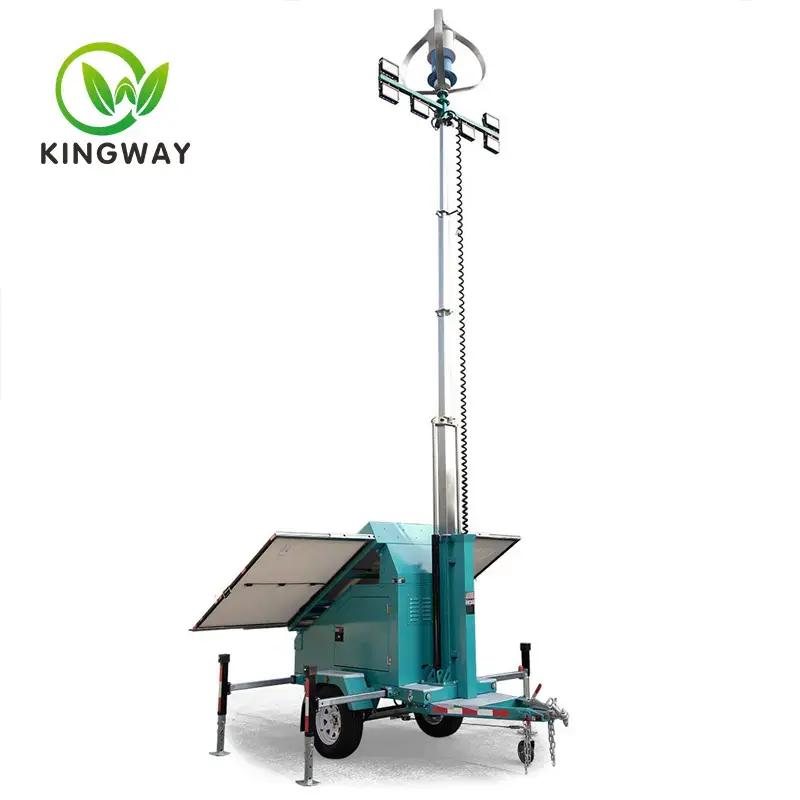
Purchase Model: High Barrier, One-Time Investment. The equipment purchase price range is clearly defined. In the domestic market, the mainstream configuration (including lifting mast, LED light source, and energy storage battery) costs RMB 12,000 - 120,000. In overseas markets, the standard configuration (9-meter mast + 500AH battery) costs USD 10,000 - 41,600.
Additional costs are required for transportation (e.g., international sea freight for two sets of equipment is approximately RMB 29,000), import duties, and customs clearance costs. Overall, the initial investment is typically 15%-30% higher than the equipment price.
Distributors need to maintain inventory, tying up significant working capital, and must consider storage space and inventory depreciation risks.
Leasing Model: Low Threshold, Flexible Payment
Referring to industry leasing practices, the daily rental price is approximately 1%-3% of the equipment price, i.e., RMB 120-3600 per day. The monthly rental price is 20%-40% of the selling price, with discounts negotiable for long-term leases.
Customers do not need to bear the large upfront costs of equipment procurement, transportation, and customs clearance; they only need to pay rental fees according to the usage period, significantly reducing financial pressure.
Distributors can operate with a light asset model, without needing to maintain large inventories, allowing them to focus their funds on marketing and customer service.
II. Long-Term Operating Costs: Cost Breakdown Throughout the Lifecycle
Purchase Model: High upfront investment, low long-term cost amortization. Depreciation costs are controllable. The core components of the solar-powered mobile lighting trailer (LED light source, solar panel) have a lifespan of up to 50,000 hours, and the battery life is 2 years/2000 hours, resulting in an overall depreciation period of approximately 5-8 years.
Annual maintenance costs are approximately 5%-10% of the equipment purchase price, mainly including battery replacement (approximately $500/year), tire replacement, and mast calibration costs. There are no additional energy consumption costs.
Long-term use (3 years or more) allows for cost amortization, with the equipment's residual value still reaching 30%-50% of the purchase price, supporting resale to recover part of the cost.
Leasing Model: Low short-term cost, high long-term cumulative expenditure. Cumulative rental costs increase with the usage period. After 2-3 years of use, the cumulative rental costs typically exceed the equipment purchase price, leading to a gradual decline in long-term cost-effectiveness.
Distributors bear the equipment maintenance costs (annual average of $1400-$2800), but can reduce these costs through bulk spare parts procurement and the establishment of standardized maintenance processes.
They do not bear the losses from idle equipment and can achieve high equipment utilization and improve unit asset returns through cross-project allocation.
III. Operation and Maintenance Responsibilities and Risk Assumptions: Who Will "Safeguard" the Equipment?
Purchase Model: Customer-led, Distributor-assisted
The equipment ownership belongs to the customer, who is responsible for full lifecycle maintenance, including battery replacement, fault repair, and component upgrades. Annual maintenance costs are $4200-$7000 (including high-altitude work fees).
Customers must address the risk of technological obsolescence; for example, the competitiveness of older equipment will decrease after the introduction of new high-efficiency LED light sources or energy storage batteries.
Distributors can provide paid maintenance services, such as annual inspections and spare parts replacement, becoming a long-term profit growth point.
Leasing Model: Distributor-led, Customer-focused
Distributors assume responsibility for equipment maintenance, including regular inspections, battery calibration, and fault repair. Modular design allows for rapid component replacement, reducing downtime.
The dealer bears all risks related to equipment depreciation, technological obsolescence, and idleness; the customer only needs to keep the equipment in good working order during the usage period.
Responsibility can be clearly defined through the lease agreement. If the customer causes damage, they will be responsible for repair costs, reducing operational risks.
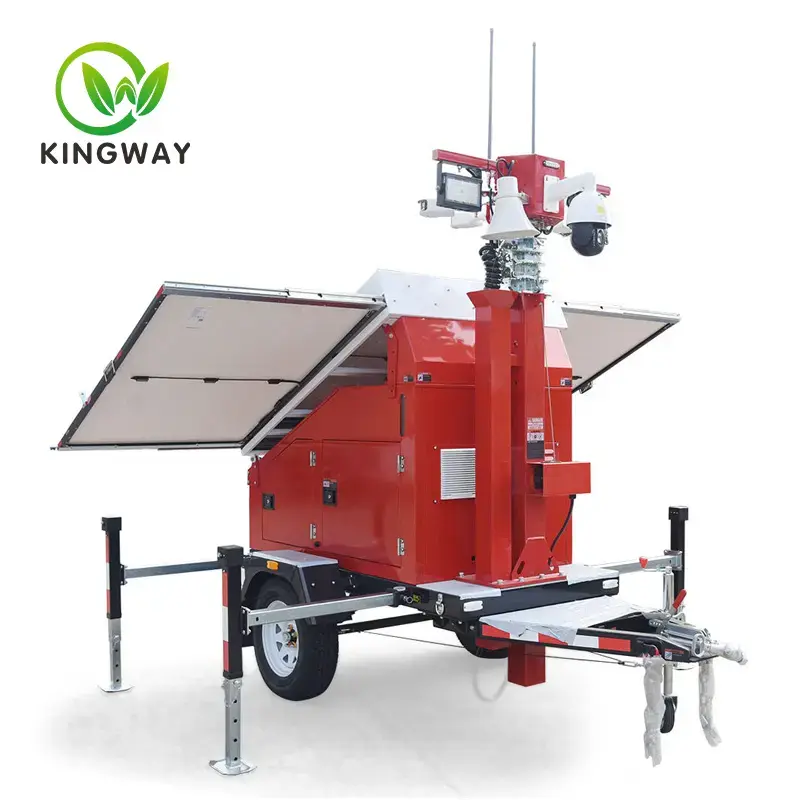
IV. Market Adaptability: Precisely Matching Customer Scenarios
Core Suitable Scenarios for Purchase Model:
* Long-term Fixed Scenarios: Scenarios with a usage period of 3 years or more, such as mining, border monitoring, and large park lighting. Long-term costs are 30%-50% lower than leasing.
* High-Frequency Usage Needs: For customers using the equipment for more than 20 days per month and more than 240 days per year, the purchase model is more cost-effective.
* Customized Needs: For customers requiring personalized modifications (such as adding monitoring modules or extending battery life), purchasing the equipment allows for permanent adaptation.
Core Suitable Scenarios for Leasing Model:
* Short-term Temporary Scenarios: Projects with a usage period of less than 3 months, such as emergency rescue, temporary construction, and outdoor activities. Leasing costs are only 10%-20% of the purchase cost.
Flexible Deployment Needs: For customers with multiple projects requiring frequent changes in work locations, leasing allows for "on-demand deployment" without incurring relocation costs.
Capital-Sensitive Customers: SMEs, startups, or short-term project contractors seeking to reduce upfront financial pressure and focus on core business investments.
V. Practical Recommendations for Distributors: Maximizing Profits Through Dual-Mode Combinations
Implement a "dual-solution parallel" strategy, providing customized pricing for different customer needs. For example, long-term customers can be recommended a purchase + maintenance package, while short-term customers can be recommended leasing + on-site service.
Establish a cost calculation tool to quickly generate cost comparison tables for the two modes based on customer usage cycles, frequency, and scenario requirements, assisting customer decision-making.
Expand value-added services: The purchase model can be bundled with installation and commissioning, annual maintenance, and battery trade-in services; the leasing model can provide 24-hour emergency repair and on-site equipment delivery and installation services, enhancing added value.
For differentiated global market positioning, customers in developed countries can focus on leasing services (emphasizing flexibility and convenience), while customers in developing countries can focus on the purchase model (emphasizing long-term cost-effectiveness).