
Mobile Lighting Trailer Supplier
Important Considerations for German Buyers Purchasing Mobile Solar Lighting Trailers from China
Important Considerations for German Buyers Purchasing Mobile Solar Lighting Trailers from China
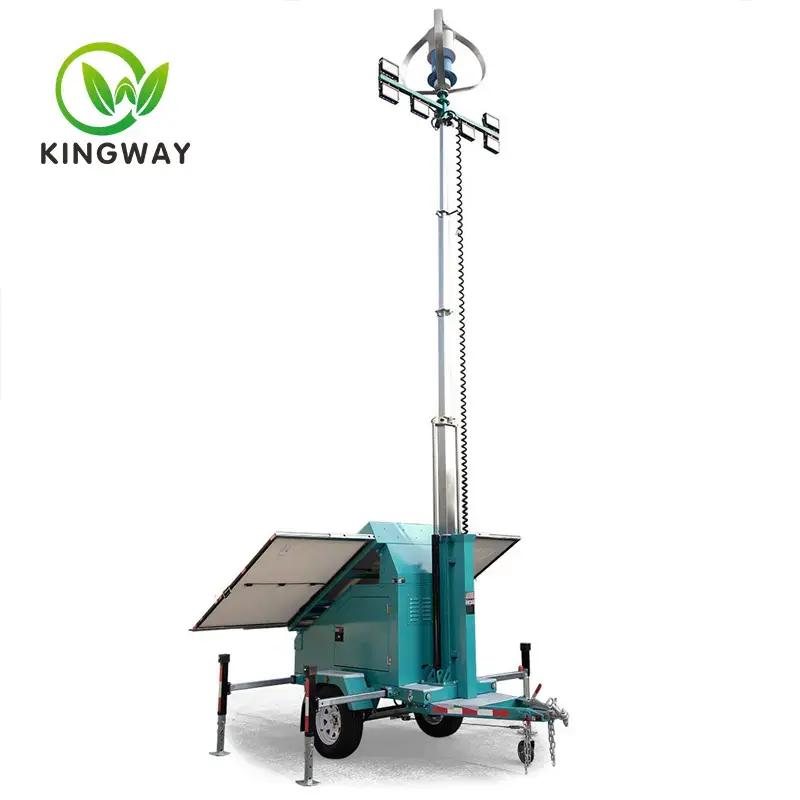
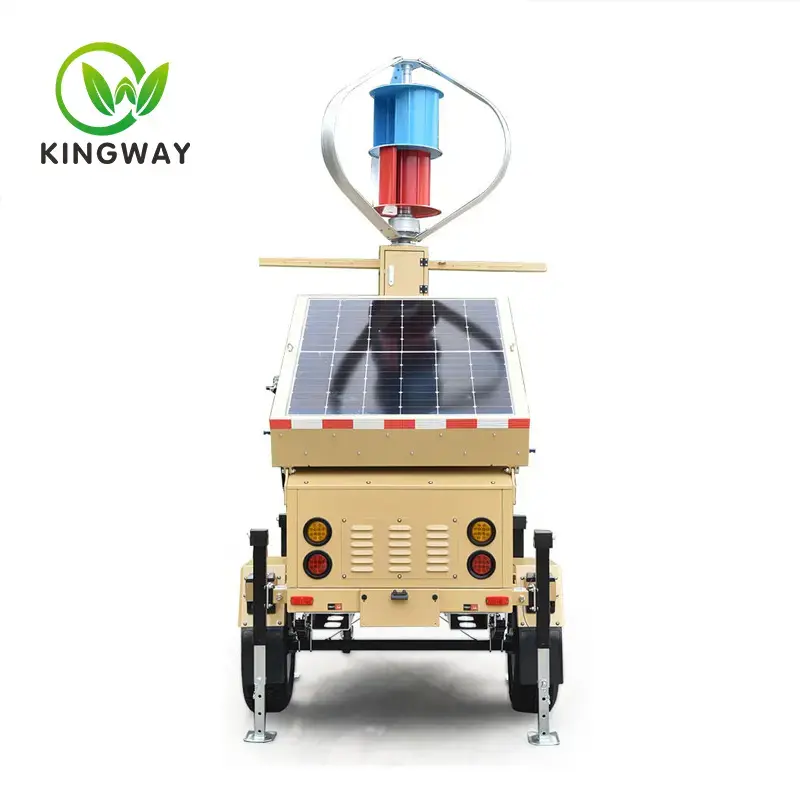
With increasing demand in Germany for green energy, emergency infrastructure (such as road construction and disaster relief), and outdoor lighting, mobile solar lighting trailershave become a popular choice due to their "zero emissions and easy deployment." As a global leader in Solar Energy product manufacturing, China, leveraging its supply chain advantages, has become a key partner for German buyers. However, cross-border procurement involves risks in various aspects, including standards, logistics, and after-sales service. The following six key considerations are crucial to ensure efficient, compliant, and risk-free procurement.
I. Passing the Certification Hurdle: Dual EU and German Standards are Essential
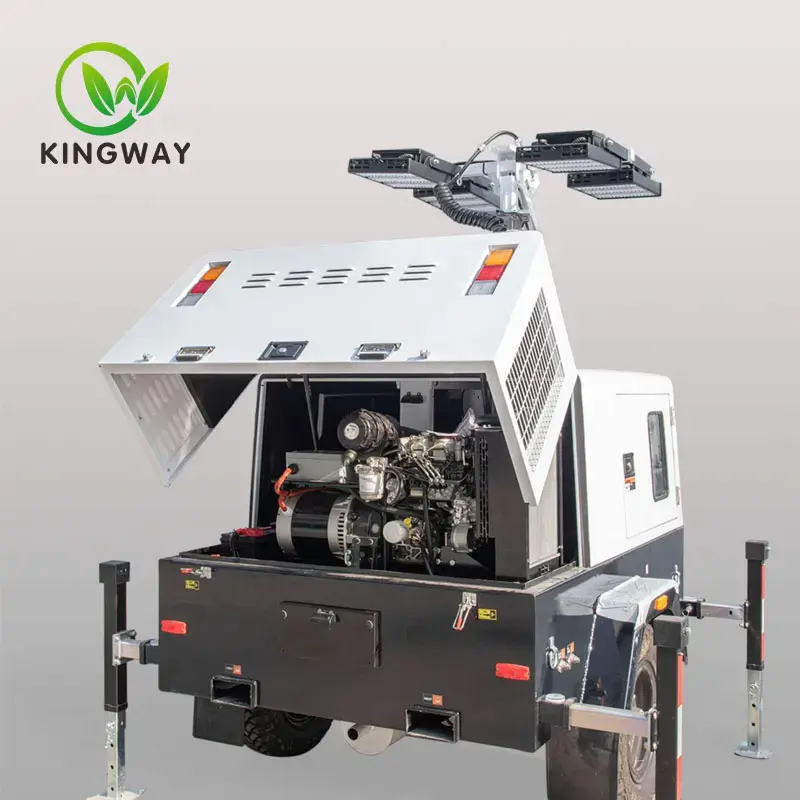
Germany has stringent compliance requirements for imported industrial products. Mobile solar lighting trailers must simultaneously meet both EU general standards and specific German certifications; otherwise, they cannot clear customs or enter the market. Basic EU Certifications (Mandatory):
CE Certification: A core safety threshold, covering three major modules: "Machine Safety (EN 12100), Electromagnetic Compatibility (EMC, EN 61000), and Low Voltage Electrical (LVD, EN 60950)," ensuring the product meets EU requirements for electrical safety and interference resistance. A certificate issued by an EU-recognized third-party organization (such as SGS or TÜV) is required.
RoHS 2.0 Certification: Restricts 10 hazardous substances including lead and mercury. Chinese suppliers must provide material testing reports to avoid product recalls due to "excessive heavy metals."
German Certifications (A Bonus, Enhancing Market Trust)
TÜV Certification: Germany's most authoritative technical certification. It is recommended to prioritize suppliers that have passed TÜV Rheinland or TÜV SÜD certifications. This certification covers product durability and environmental adaptability (such as low temperature and heavy rain) testing, serving as a "trust endorsement" for German distributors and end customers.
VDE Certification: For electrical components (such as solar controllers and wiring), if the core components of the product bear the VDE mark, it can directly reduce the risk of local quality inspection in Germany and shorten the product's shelf life.
Note: Suppliers are required to provide the original certification + a German translation, and confirm that the certification is valid (CE certification usually does not have a fixed validity period, but retesting is required after standards are updated).
II. Product Performance: Must be Adaptable to German Climate and Usage Scenarios
Germany has a temperate maritime climate with low temperatures (below -20℃ in some areas), frequent rain, and strong winds in winter. Outdoor operations (such as highway construction and forest rescue) require high equipment stability. Therefore, the following performance parameters should be carefully checked during purchase:
Core Components: Focus on "cold resistance, high efficiency, and durability"
Solar Panels: Choose "monocrystalline silicon material + anti-hail coating (thickness ≥3.2mm)," with a conversion efficiency ≥21% (ensuring efficient energy storage even on cloudy days), and must pass "high and low temperature cycle testing from -40℃ to 85℃" to adapt to the low-temperature environment of German winters.
Energy Storage Battery: Prioritize "lithium iron phosphate batteries" (safer than ternary Lithium Batteries, meeting German fire safety standards), with low-temperature discharge performance meeting standards—capacity retention ≥70% at -20℃ to avoid "halved range" in winter; the battery should also have a BMS (Battery Management System) to prevent overcharging and over-discharging, extending its lifespan. Lighting System: The light source must be LED (energy-saving and long-life), with a brightness ≥3000lm/lamp (meeting high-intensity requirements such as road construction), and a protection rating of IP65 or higher (rain and dust resistant), supporting "light-sensor automatic switching" and "remote dimming" (adapting to the intelligent requirements of outdoor operations in Germany).
Structural Design: Adapted to German operating scenarios. The trailer chassis must be equipped with "shock-absorbing buffer devices" (German roads have strict speed limits, reducing component wear during transportation), and the wheels must be "off-road tubeless tires" (suitable for construction sites, suburbs, and other unpaved roads); the bracket must be foldable (saving transportation space and reducing logistics costs), and have a load-bearing capacity ≥500kg (some scenarios require the addition of other equipment).
III. Supply Chain Management: Controlling the "Efficiency and Risk" of Cross-Border Procurement
From China to Germany, sea freight takes approximately 30-40 days, and air freight takes approximately 5-7 days. The supply chain is prone to issues such as delays and damage, requiring advance planning: Logistics Method: Choose according to needs, balancing cost and timeliness. Bulk Purchases (e.g., 10 units or more): Prioritize "sea freight + local German customs clearance agent," which is cheaper but requires ordering 45 days in advance (allowing time for customs clearance and inspection). Hamburg and Bremen ports are recommended (major German ports with high customs clearance efficiency). Emergency Purchases (e.g., emergency relief needs): Choose "air freight + door-to-door service," but confirm the supplier has "air transport certification" (batteries are dangerous goods and must comply with IATA DGR regulations to avoid cargo seizure). Quality Inspection: Avoiding Defective Goods Upon Arrival
**Please Specify "Pre-Inspection Clauses" in Contracts:** Require suppliers to invite a third-party organization (such as TÜV Rheinland China) to conduct on-site inspections before shipment and issue a "Sampling Inspection Report" (focusing on battery life, lighting brightness, and structural stability).
**Allow "Re-Inspection Period Upon Arrival:** Within 3-7 days of arrival, a local German quality inspection agency (such as TÜV Rheinland) can be commissioned for re-inspection. If quality issues are found, returns and exchanges will be made according to the contract.
Inventory Coordination: Addressing Seasonal Demand Fluctuations in Germany
**During the German winter (November to February of the following year), emergency lighting demand surges (e.g., road de-icing, disaster relief). It is recommended to stock up in advance in September and October. Suppliers can be required to reserve inventory in bonded warehouses in cities such as Hamburg and Duisburg to shorten replenishment cycles (avoiding stockouts during peak season).
IV. After-Sales Service: The "Last Line of Defense" for Cross-Border Cooperation
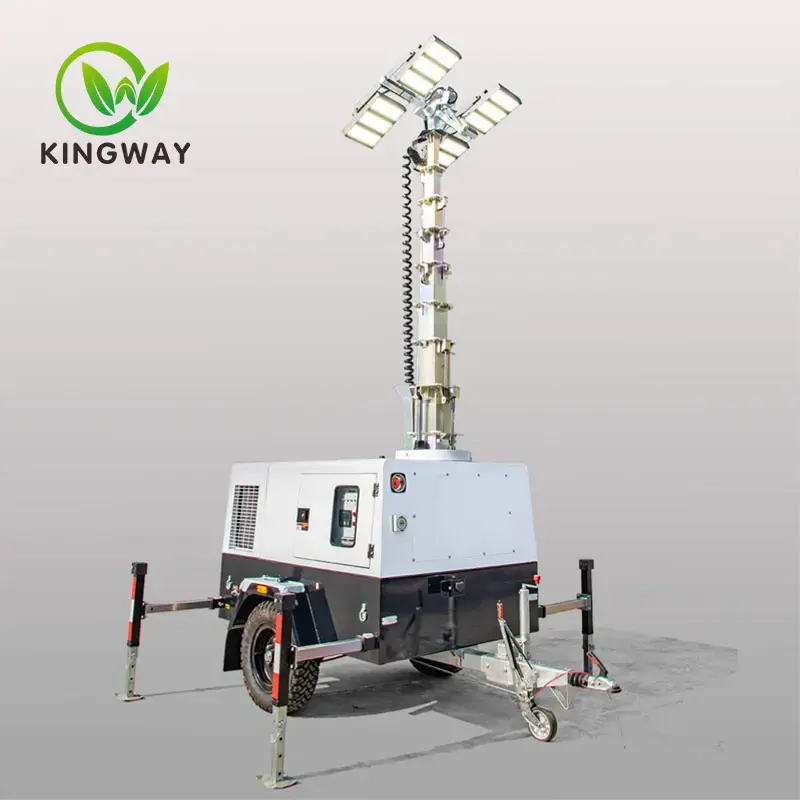
Mobile solar lighting trailers are "durable equipment," requiring timely maintenance and parts replacement. Otherwise, it will affect the German buyer's end-user service capabilities. After-sales terms must be clearly defined during the purchase process:
After-Sales Response Speed: 24-Hour Connection
The supplier is required to establish a dedicated German-language after-sales hotline/email address, promising a response to fault inquiries within 24 hours. For complex issues (such as battery failure or controller damage), "remote video guidance for repair" service is required.
Parts Supply: Local German Stockpiles
Core components (such as solar controllers, LED chips, and batteries) must have a "parts warehouse" in Germany (a third-party warehousing company can be entrusted) to ensure delivery within 2-3 days after shipment. If the supplier does not have a local warehouse, the "air freight transit time (≤7 days)" and "who bears the freight costs" must be agreed upon. Warranty period: no less than 2 years. The industry standard warranty is "5 years for solar panels, 2 years for batteries, and 2 years for the whole machine". It is recommended to strive for "3 years warranty for the whole machine" and clearly define the "warranty scope" (such as whether damage caused by natural disasters is covered, and whether human error is exempt from liability).
V. Legal and Trade Details: Avoiding Cross-Border Disputes
Cross-border procurement is prone to disputes due to "vague terms." The following details must be clearly stated in the contract:
* **Tariffs and Customs Clearance:** Clarifying Responsibility
* **Germany's tariff rate on Chinese solar products is approximately 0-4.5% (the latest EU tariff policy needs to be confirmed). The contract must specify the "tariff bearer" (usually the buyer bears the "EXW factory price," and the supplier bears the "DDP CIF price");
* **Supplier must provide complete customs clearance documents:** Commercial invoice (with HS code; the HS code for mobile solar lighting trailers is usually 8716.9000), packing list, CE/TÜV certification, and certificate of origin (FORM A, which may qualify for tariff preferences). Payment Terms: Balancing Security and Trust For initial collaborations, we recommend a 30% prepayment + 50% pre-shipment payment + 20% payment upon successful inspection and acceptance of the goods. This avoids the risks associated with full prepayment. For stable partnerships, flexible terms such as 30-day monthly settlement can be negotiated.
Intellectual Property: Avoiding Infringement Risks We require suppliers to provide an "Intellectual Property Commitment Letter," guaranteeing that the product's appearance and technical solutions do not infringe on any intellectual property rights (Germany has strict intellectual property protection; if sued for infringement, the buyer may be held jointly liable).
VI. Procurement Process Recommendations: A Complete Step-by-Step Guide from "Screening" to "Implementation"
**Clarify Needs:** First, determine the usage scenario (e.g., construction lighting, emergency rescue) and core parameters (e.g., battery life ≥ 72 hours, lighting coverage ≥ 500㎡) to avoid "blind procurement."
**Supplier Selection:** Prioritize Chinese suppliers with experience in the German market (e.g., past cooperation with German distributors, TÜV certification cases). Screening can be done through platforms such as Alibaba International Station and the Canton Fair. Simultaneously, verify the supplier's "production qualifications" (e.g., ISO 9001 quality management system certification).
**Sample Testing:** Before placing an order, purchase 1-2 samples for testing in actual scenarios in Germany (e.g., battery life in low-temperature environments, waterproof performance after heavy rain). Only after confirming compliance with requirements should bulk purchases be made.
**Detailed Contract:** Include details such as "certification requirements, performance parameters, logistics timeliness, after-sales terms, and liability for breach of contract." All clauses should be written into the contract, and it is recommended that they be reviewed by a local German lawyer (to avoid conflicts with the German Civil Code);
Follow-up tracking: Regularly communicate with suppliers regarding inventory status, confirm replenishment plans one month before the peak season, and collect feedback from end customers to adjust subsequent procurement needs in a timely manner.
Conclusion: For German buyers purchasing mobile solar lighting trailers from China, the core principle is "balancing compliance, performance compatibility, and cost control." By prioritizing suppliers with experience in the German market and complete certifications, clearly defining contract terms, and planning logistics and after-sales service in advance, not only can cross-border procurement risks be reduced, but the advantages of China's industrial chain can also be leveraged to obtain high-quality, cost-effective products.