

Mobile Lighting Trailer Supplier
If the panels are blocked, will the solar lighthouse be bright?
If the panels are blocked, will the solar lighthouse be bright?
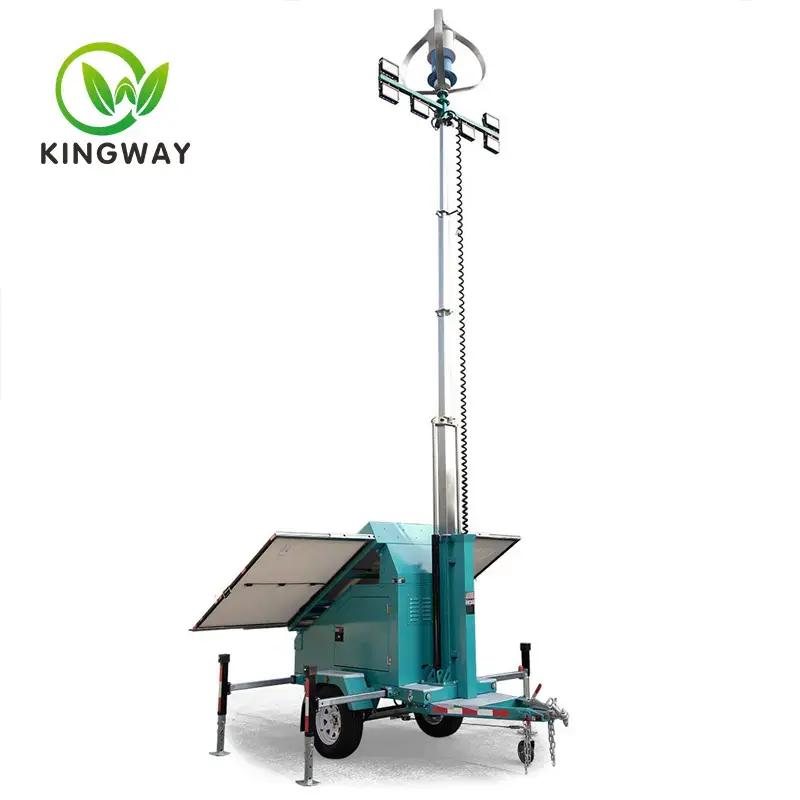
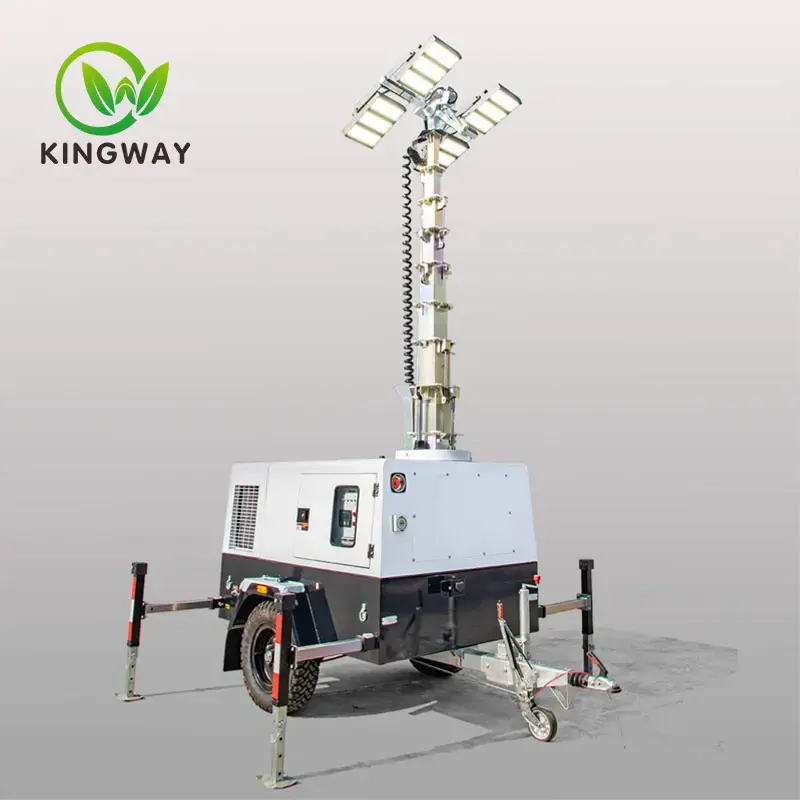
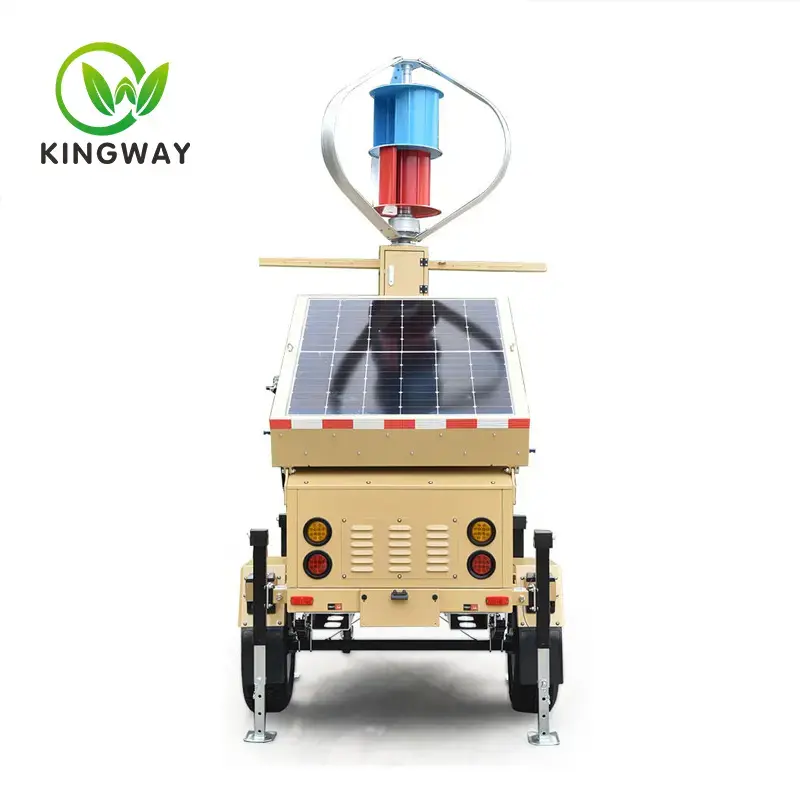
As a device that uses Solar Energy for lighting, the working principle ofthe solar lighthouse is to convert solar energy into electrical energy, and then convert the stored electrical energy into light energy to emit light. When the panels are blocked, the brightness and lighting effect of the solar lighthouse will be significantly affected. The following is a detailed analysis:
1. The impact of panel blocking on power generation
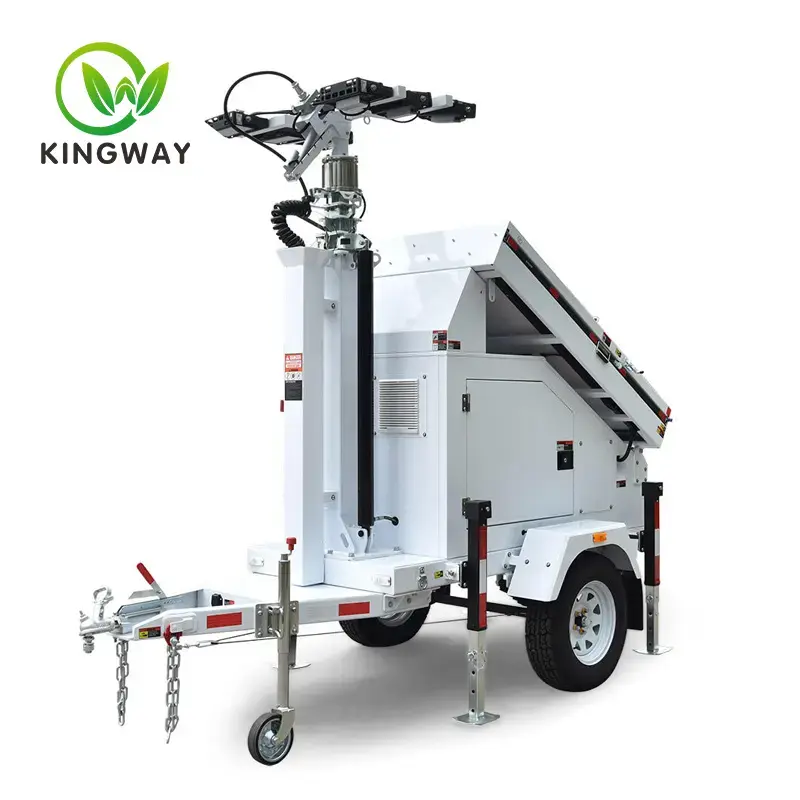
When the solar panel is blocked, the light energy of the blocked part cannot be converted into electrical energy, thereby reducing the power generation efficiency of the entire photovoltaic system. The power generation principle of the panel is based on the photovoltaic effect. If there is no light, there is no "volt", that is, no electricity can be generated. Therefore, the blocking of the panel will directly affect the power generation and brightness of the solar lighthouse.
2. The impact of shadow blocking on panel performance
Shadow blocking will cause the performance of the solar panel to decline. For example, if there are three bypass diodes in a component and a cell is in the shadow, the performance of the panel will decline by 33%. This performance decline will reduce the power output of the solar lighthouse, which will affect the lighting effect.
3. Hot spot effect
When some cells are shaded, their working current will be seriously affected, resulting in local overheating and hot spot effect, which will damage the solar cell. The hot spot effect will further reduce the power generation efficiency of the panel and affect the normal operation of the solar lighthouse.
4. Series and parallel design of panels
Solar panels are composed of multiple solar panels connected in series and then in parallel. The current of the series circuit has a barrel effect, that is, it is the lowest current in the whole string circuit, so the current of the whole string component decreases as the number of shaded cells increases. This means that even if only part of the panel is shaded, the brightness of the entire solar lighthouse will be affected.
5. Intelligent reconstruction bypass diode technology
In order to solve the partial shading problem, the intelligent reconstruction bypass diode technology can be used to measure the cell voltage, control the switch to intelligently plan the bypass diode topology system, and improve the output power of the solar cell under the shadow. This technology can alleviate the impact of the solar panel being shaded on the brightness of the solar lighthouse to a certain extent.
6. Energy storage system of solar lighthouse
Solar lighthouses are usually equipped with energy storage systems, such as batteries, to store the electricity generated during the day. When the panels are blocked, the energy storage system can provide a certain amount of electricity to maintain the basic lighting of the lighthouse. However, if the blocking time is too long, the energy storage system may be exhausted, resulting in a decrease in the brightness of the lighthouse.
7. Impact of environmental factors on solar lighthouses
In addition to the blocking of panels, environmental factors such as clouds, trees and building shadows will also affect the brightness of solar lighthouses. Clouds can reduce panel production by 25-40%, while shadows from trees and buildings may cause further degradation of panel performance.
Conclusion
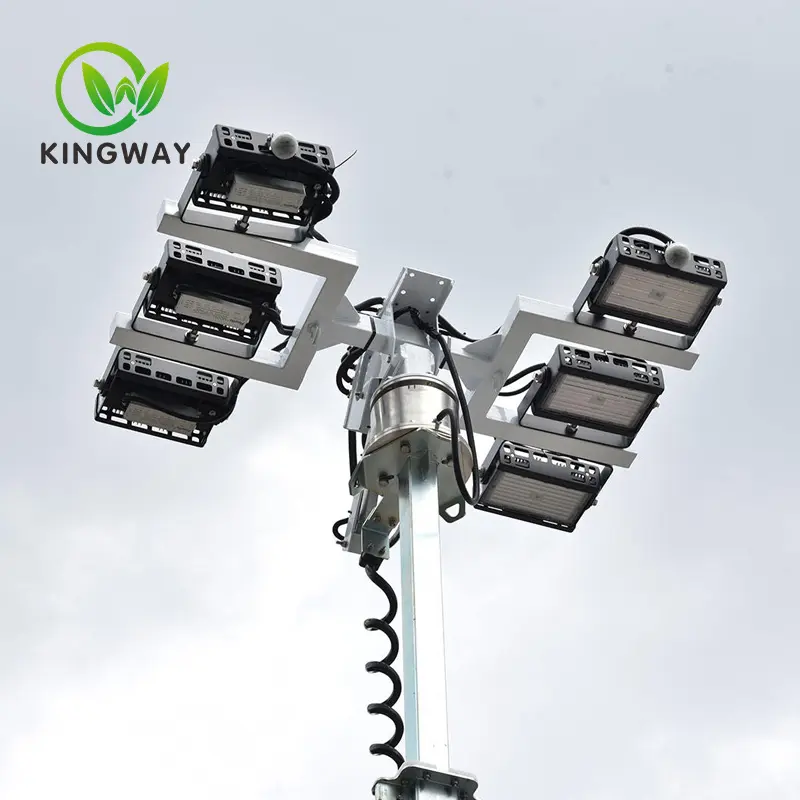
In summary, the blocking of panels will significantly affect the brightness and lighting effect of solar lighthouses. In order to ensure the normal operation and brightness of solar lighthouses, it is necessary to regularly check and clean the panels to avoid blocking, and use intelligent technology to improve the power generation efficiency of the panels. At the same time, reasonable energy storage system design and environmental planning are also important factors to ensure the brightness of solar lighthouses.