

Mobile Lighting Trailer Supplier
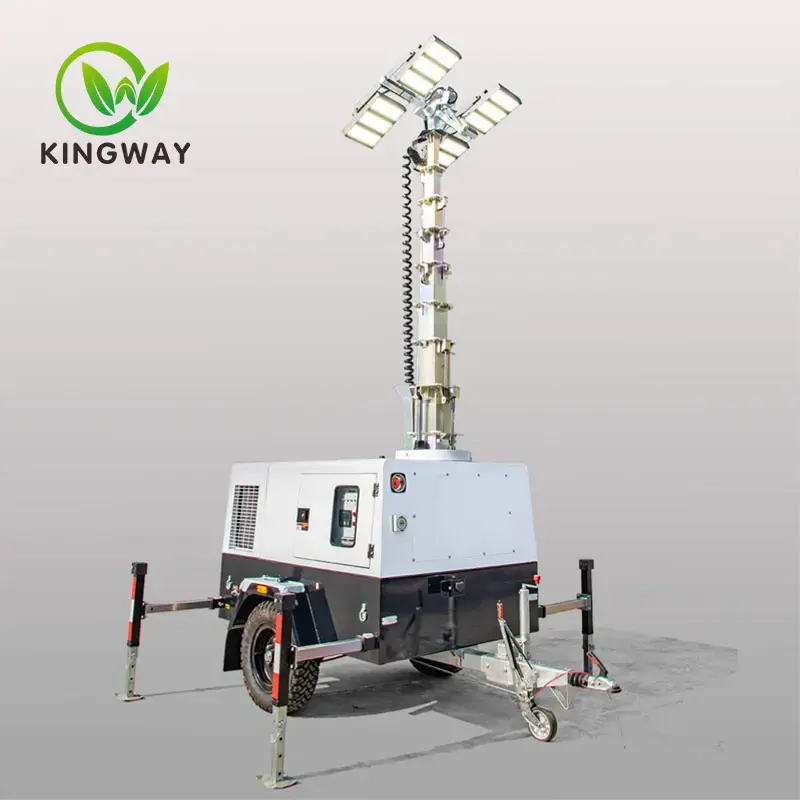
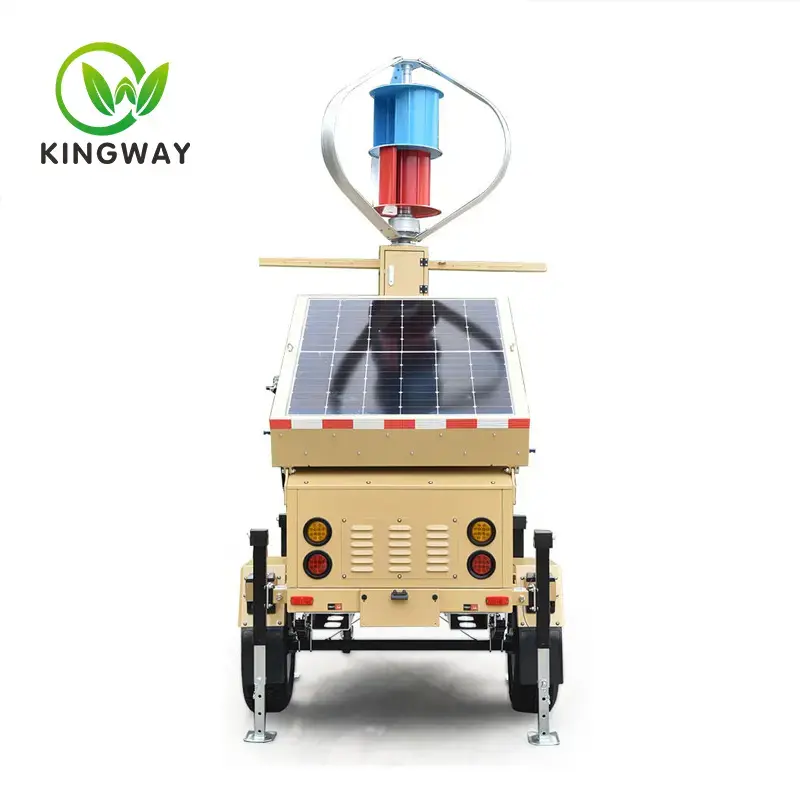
How to Evaluate the Factory Strength of a Diesel Generator Mobile Light Tower
How to Evaluate the Factory Strength of a Diesel Generator Mobile Light Tower
I. The Importance of Factory Strength Assessment
Why is Factory Strength Assessment Necessary?
The Significance of Factory Strength Assessment for Buyers
II. Factory Infrastructure and Production Capacity Assessment
Factory Facilities and Equipment
Production Line Layout and Capacity
Supply Chain Management Capabilities
III. Technology R&D and Innovation Capacity Assessment
R&D Investment and Team
Product Innovation and Patents
Technical Cooperation and Exchange
IV. Quality Control and Management System Assessment
Quality Control System
Product Certifications and Standards
Quality Management Team and Training
V. Factory Sustainability Assessment
Environmental Protection Measures and Policy Compliance
Energy Management and Resource Efficiency
Social Responsibility and Employee Benefits
VI. Factory Market Performance and Customer Feedback Assessment
Market Share and Sales Performance
Customer Satisfaction and Reputation
After-Sales Service and Support
1. The Importance of Factory Strength Assessment
In a globalized market, it is crucial for buyers of diesel generator mobile light towers to select a reputable factory as their supplier. Assessing a factory's strength helps buyers ensure reliable product quality, stable supply, and the ability to meet evolving market demands.
Why is Factory Strength Assessment Necessary? Assessing a factory's strength helps buyers mitigate procurement risks and ensure that products meet quality standards and environmental requirements. At the same time, understanding a factory's R&D and production capabilities can help buyers predict its future development potential and potential for collaboration.
The significance of factory strength assessment for buyers: For high-end wholesale buyers, a factory's strength directly impacts product quality, delivery time, and cost. A strong factory can provide higher-quality products and services, thereby enhancing buyers' market competitiveness.
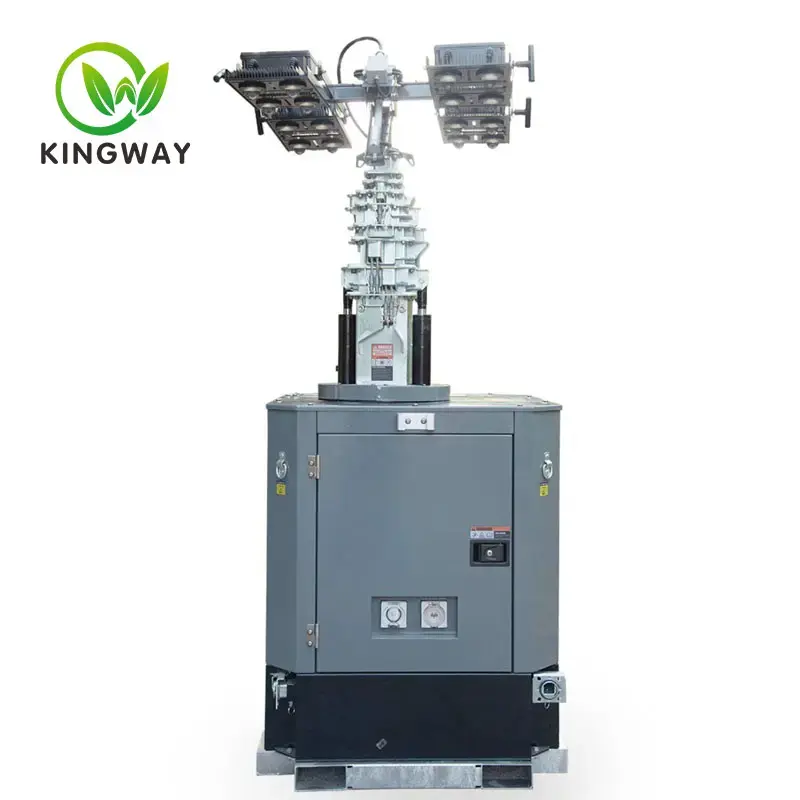
2. Factory Infrastructure and Production Capacity Assessment
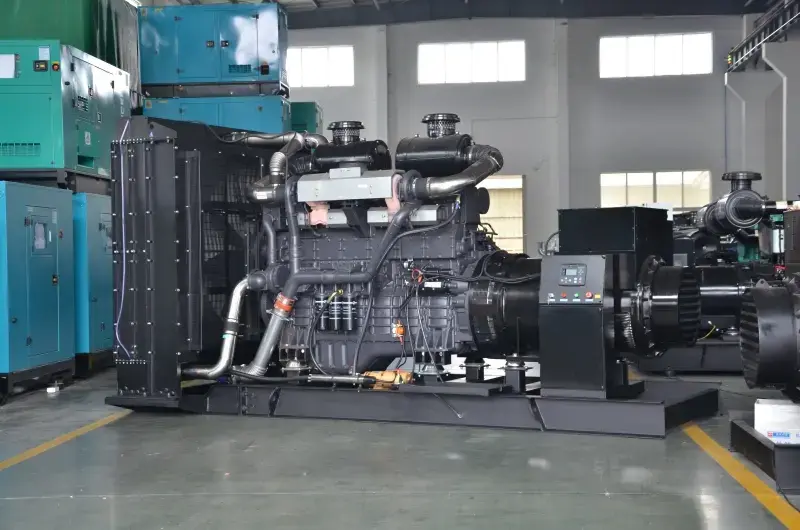
Factory Facilities and Equipment: A factory's facilities and production equipment are the foundation of its production capacity. Spacious, modern factories can accommodate more production lines and equipment, thereby improving production efficiency. Advanced production equipment ensures product quality and precision. For example, automated production lines can reduce manual errors, improving production efficiency and product quality.
Production Line Layout and Capacity: A reasonable production line layout can optimize the production process and reduce waste and delays. A factory's capacity is a key indicator of its ability to meet buyer order requirements. A factory with high capacity can complete orders more quickly and reduce delivery times.
Supply Chain Management Capabilities: Good supply chain management capabilities are key to ensuring stable production and cost control. Factories need to establish long-term, stable partnerships with suppliers to ensure the timely supply of raw materials. Furthermore, effective inventory management and logistics can reduce inventory costs and shipping times.
3. Assessment of Technological R&D and Innovation Capabilities
R&D Investment and Team: Continuous R&D investment is key to maintaining a factory's competitiveness. A factory focused on R&D typically has a dedicated R&D team that continuously explores new technologies, materials, and processes. For example, Quzhou Chengwei New Energy Technology Co., Ltd. has invested significant resources in the development of its diesel generator mobile Light Towers to ensure their technological leadership.
Product Innovation and Patents: Innovative product designs and features can meet the needs of diverse customers. Products with patented technologies are more competitive in the market. Factories should encourage innovation and protect their intellectual property rights by applying for patents.
Technical Cooperation and Exchange: Technical cooperation and exchange with universities, research institutions, and other companies can accelerate technological innovation and knowledge sharing. This collaborative model helps factories access the latest technical information and R&D resources.
4. Quality Control and Management System Assessment
Quality Control System: A comprehensive quality control system is the foundation for ensuring product quality. Factories should establish a rigorous quality inspection process, ensuring quality inspections at every stage, from raw material procurement to finished product shipment. For example, using statistical process control (SPC) allows real-time monitoring of quality changes during the production process, enabling timely identification and resolution of issues.
Product Certification and Standards: Product certification is a guarantee of quality. Products certified by international certifications (such as ISO and CE) demonstrate compliance with specific quality and safety standards. This not only helps increase product market acceptance but also strengthens customer trust.
Quality Management Team and Training: A professional quality management team ensures the effective operation of the quality control system. Regular employee quality training can also enhance employee quality awareness and operational skills.
5. Factory Sustainability Assessment
Environmental Protection Measures and Policy Compliance: With growing environmental awareness, factories need to implement effective environmental protection measures to reduce pollution during production. Compliance with national and local environmental protection policies is a fundamental requirement for legal factory operations.
Energy Management and Resource Efficiency: Good energy management can reduce production costs while minimizing environmental impact. Factories should adopt energy-saving equipment and technologies to improve energy efficiency. For example, by optimizing production processes to reduce energy waste.
Social Responsibility and Employee Welfare: Factories that demonstrate social responsibility earn respect and recognition from society. This includes protecting employees' legal rights and interests and providing a good working environment and benefits. For example, Quzhou Chengwei New Energy Technology Co., Ltd. prioritizes employee career development, offering training and promotion opportunities.
6. Factory Market Performance and Customer Feedback Assessment
Market share and sales performance: Market share and sales performance are important indicators of a factory's market performance. A factory with a high market share and strong sales performance typically has strong market competitiveness and brand influence.
Customer satisfaction and reputation: Customer satisfaction and reputation are key indicators of a factory's strength. By collecting and analyzing customer feedback, a factory can understand its strengths and weaknesses and continuously improve and enhance itself. For example, Quzhou Chengwei New Energy Technology Co., Ltd. regularly conducts customer satisfaction surveys and adjusts its products and services based on customer feedback.
After-sales service and support: High-quality after-sales service strengthens customer loyalty. A factory should establish a comprehensive after-sales service system to promptly resolve customer issues encountered during use. For example, this could include providing technical support, repair services, and spare parts.