

Mobile Lighting Trailer Supplier
How to Choose a Diesel Generator Mobile Light Tower
How to Choose a Diesel Generator Mobile Light Tower: A Comprehensive International Wholesale Procurement Guide
In today's international market, diesel generator mobile Light Towers have become essential equipment for nighttime operations and emergency lighting in many industries due to their excellent portability, powerful lighting capabilities, and efficient energy utilization. Whether it is nighttime construction on construction sites, emergency operations in mines, or lighting needs for various outdoor activities, diesel generator mobile light towers can provide reliable solutions. For international wholesale buyers, choosing a high-quality diesel generator mobile light tower can not only meet the diverse needs of customers, but also occupy an advantageous position in the highly competitive market. However, facing the dazzling array of products on the market, how to make the right choice has become the key. This article will explore in depth the key points of choosing a diesel generator mobile light tower, and provide you with comprehensive and practical guidance in international procurement.
1. Clarify the core functions and application scenarios
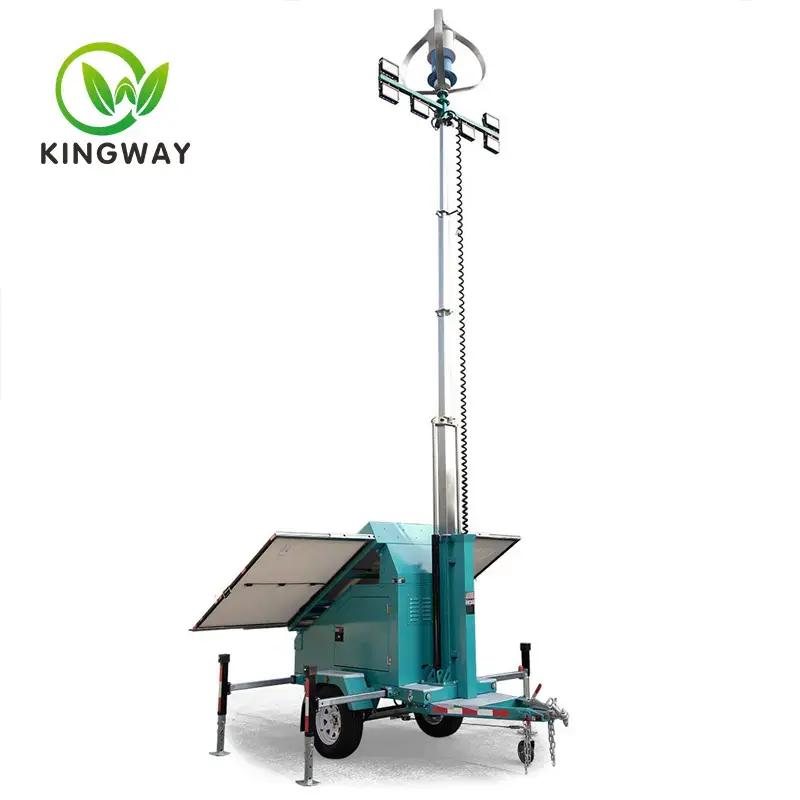
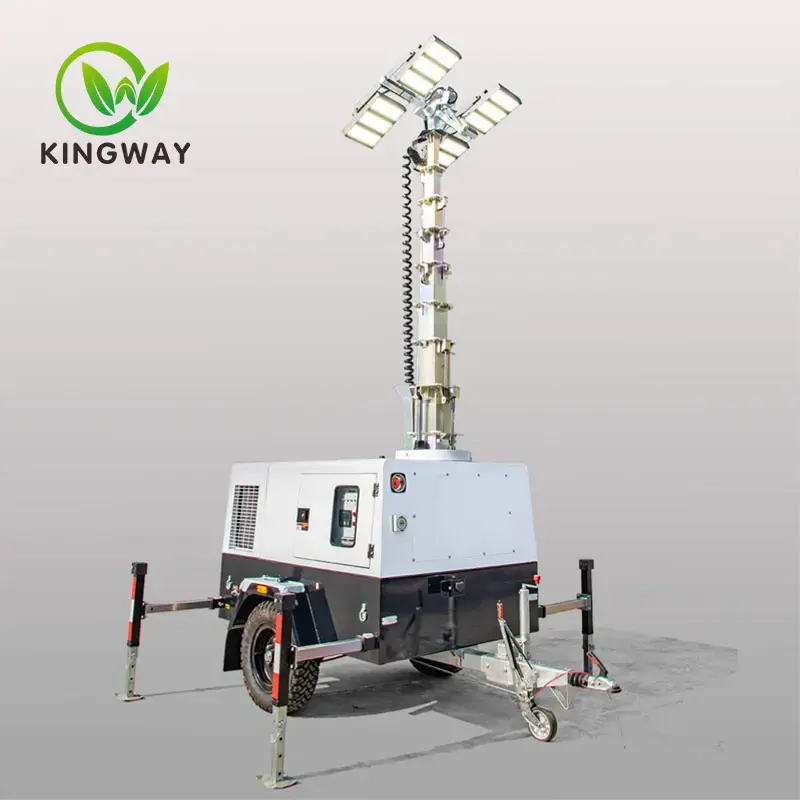
The core function of a diesel generator mobile light tower is to provide efficient and stable lighting support for various occasions. The diversity of its application scenarios determines the focus of product design and performance. On construction sites, especially in large-scale construction projects, nighttime construction is commonplace. The lighthouses needed here should not only have high-intensity lighting capabilities to ensure that construction workers can work safely and efficiently under low-light conditions, but also have the mobility to adapt to complex terrain and a sturdy and durable structure to cope with the challenges of the construction site. According to the standards of the Occupational Safety and Health Administration (OSHA) of the United States, the lighting intensity of the construction site should be at least 100 Lux, and in some delicate work areas, such as around welding points, higher lighting levels are required, which requires the lighthouse to be equipped with a high-brightness lamp group, such as 4 1000W metal halide lamps or LED lamps. In addition, considering the temporary and fluid nature of the construction site, the trailer design of the lighthouse is crucial. A high-quality trailer-type lighthouse should be equipped with a robust suspension system and sturdy axles to ensure smooth movement on uneven construction site roads. At the same time, the trailer's folding support legs and pneumatic brakes can effectively prevent sliding and overturning on rugged terrain, ensuring the stability of the lighthouse in complex environments.
Mining operations are also a key application area for diesel generator mobile lighthouses, but the environment they face is even more harsh. Nighttime operations in mines not only require powerful lighting to illuminate the vast mining surface and narrow mine tunnels, but also lighthouses must be able to withstand extreme climatic conditions and strong vibrations. High-quality lighthouses should have IP66 or higher protection to prevent sand and dust intrusion and rainwater penetration. In cold open-pit mines, equipment needs to start and operate stably at low temperatures of minus 40°C; while in hot underground mines, lighthouses must withstand high temperatures of up to 60°C. At the same time, in order to cope with the long-term continuous lighting needs that may occur in mining operations, lighthouses should be equipped with large-capacity fuel tanks, such as 100 liters or more, to ensure continuous working capabilities for at least 10 hours.
For emergency rescue and disaster response scenarios, time is life, so the rapid deployment capability and reliability of lighthouses are crucial. After natural disasters such as earthquakes and floods, roads are damaged and power is cut off, and rescue teams need to quickly establish temporary lighting areas. At this time, the lighthouse should have a simple and fast operating system that can be deployed and started within 15 minutes. Its control system should be designed to be intuitive and easy to understand, so that operators can master it after a short training, quickly light up the disaster area, and buy precious time for rescue work. In addition, the lighthouse should have good fuel economy, reduce the pressure of logistics supply, and ensure long-term stable operation in remote disaster areas.
2. Key elements of core lighting and power systems
(I) Lighting system
Brightness and lighting range: Depending on the application scenario, the requirements for lighting brightness and range vary greatly. Generally speaking, the lighting requirements for construction sites are between 100-300 Lux, while for large outdoor venues or special processes, higher lighting standards may be required. For example, in a large concert venue that can accommodate tens of thousands of spectators, in order to ensure the stage effect and audience safety, the average illumination of the venue lighting may need to reach more than 500 Lux. When choosing a diesel generator mobile lighthouse, you should ensure that the lamps it is equipped with can meet these specific lighting needs. Common lamps are configured with 4 1000W metal halide lamps or LED lamps. High-quality LED lamps can provide up to 130lm/W of light efficiency and have better light uniformity. They can effectively cover large areas and reduce lighting blind spots.
Light source types: Currently, there are mainly metal halide lamps, xenon lamps and LED lamps on the market. Metal halide lamps have high luminous efficiency and good color reproduction, and can provide clear and realistic lighting effects in complex working environments, but their startup time is relatively long, about 3-5 minutes, and their lifespan will be affected if they are frequently switched on and off. Xenon lamps are characterized by high brightness and fast startup, and can reach full power output in a very short time. They are suitable for occasions with high requirements for instantaneous lighting, such as on-site inspections in emergency rescue. However, the light decay of xenon lamps is more obvious, and the brightness decreases rapidly after long-term use. As an emerging light source, LED lamps are gradually becoming the mainstream choice due to their advantages such as high efficiency, low energy consumption and long life. In addition to the above advantages, LED lights also have strong shock resistance and fast response speed, and can maintain stable lighting performance in harsh environments. For example, the light source life of some industrial-grade LED mobile lighthouses can reach more than 50,000 hours, which greatly reduces the maintenance cost and replacement frequency of the equipment.
(II) Power system
Generator power: The selection of generator power should be based on the total load demand of the lighting system and the possible power demand of other auxiliary equipment. In addition to providing sufficient power for lighting fixtures, it is also necessary to consider the power consumption of electrical equipment that may be used at the same time, such as electronic control equipment, communication equipment, etc. Usually, for a lighthouse equipped with 4 1000W lamps, it is more appropriate to choose a diesel generator with a rated power of 8-10kW. However, in some special cases, such as on large construction sites, in addition to lighting, it is also necessary to provide temporary power for some small construction tools such as electric wrenches, electric welders, etc. At this time, a larger power generator may be required, such as 12-15kW or even higher. At the same time, it should be noted that the rated power of the generator refers to the power at which it can operate continuously and stably. It should be ensured that the rated power of the selected generator can meet the load requirements and leave a certain margin to cope with possible power fluctuations and peak requirements.
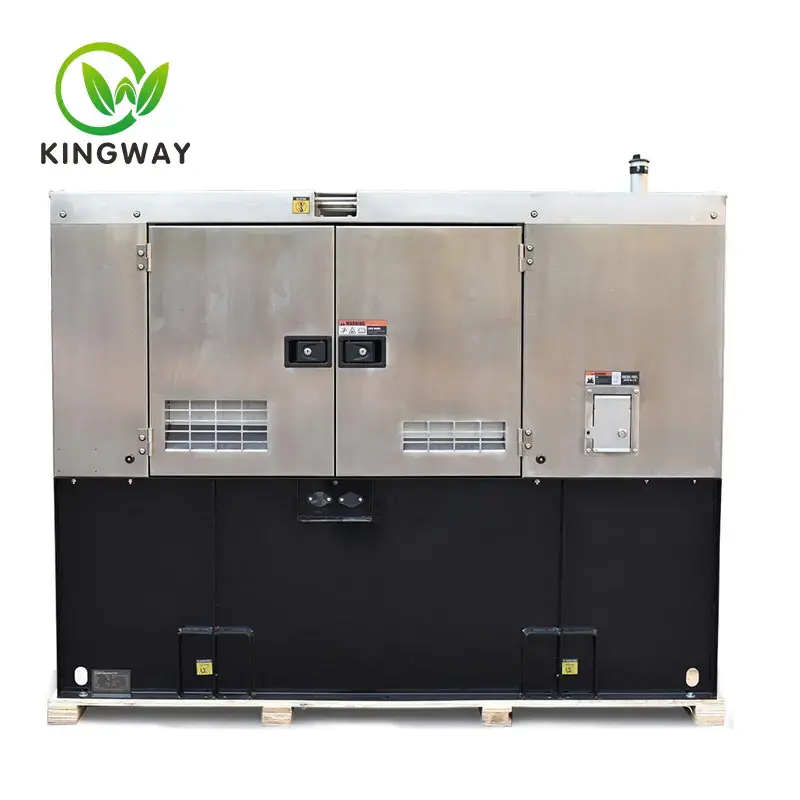
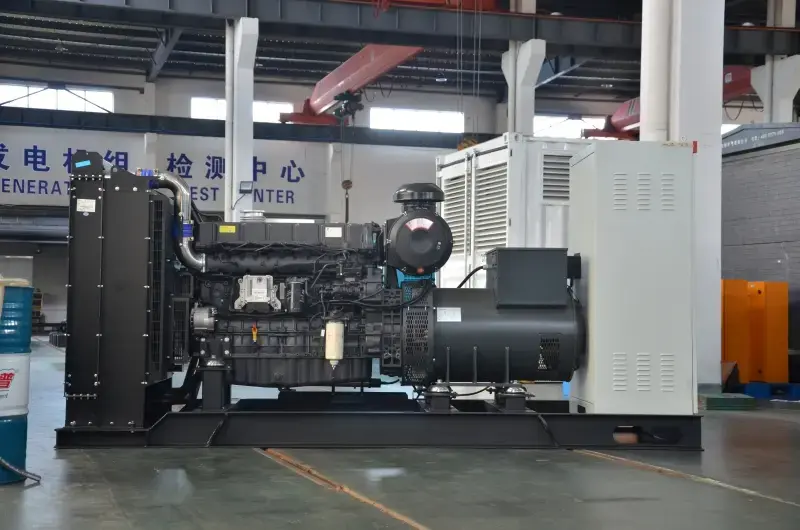
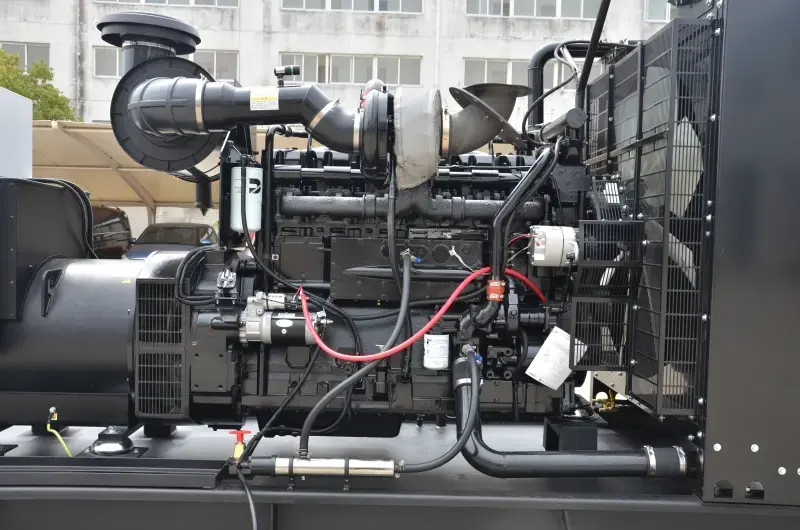
Engine brand and quality: As the heart of the diesel generator mobile lighthouse, the brand and quality of the engine directly affect the performance, reliability and service life of the equipment. Internationally renowned brands such as Cummins, Perkins, Yuchai, etc., enjoy a high reputation in the market for their advanced technology, strict quality control and perfect after-sales service system. The engines of these brands usually have higher fuel efficiency, lower failure rate and stronger ability to adapt to various harsh environments. For example, the Cummins engine adopts advanced fuel injection system and turbocharging technology, which can achieve more complete fuel combustion, improve power output while reducing fuel consumption and emissions. In the long-term operation process, the advantages of high-quality engines will be more obvious, which can save users a lot of maintenance costs and fuel costs.
(III) Matching optimization of lighting and power
An excellent diesel generator mobile lighthouse should achieve a perfect match between the lighting system and the power system to achieve efficient, energy-saving and stable operation. This involves multiple considerations, including the design of electrical connections and the management of the coordination of the two by the control system. In terms of electrical connections, high-quality wires, cables and connectors should be used to ensure the stability and safety of power transmission and reduce power loss and failure risks caused by line problems. At the same time, the control system should have intelligent load management functions, which can automatically adjust the output power of the generator according to the actual power demand of the lighting system to avoid the generator being in a high-load or low-load operation state for a long time, thereby improving fuel economy and extending the service life of the generator. For example, when the lighting fixture automatically reduces the brightness due to changes in ambient light, the control system should promptly sense and reduce the speed and output power of the generator accordingly to achieve energy-saving operation; and when the lamp needs to work at full power, it can quickly instruct the generator to increase the output to ensure that the lighting effect is not affected.
3. Multi-dimensional considerations of durability and protection performance
(I) Materials and construction
The durability of a diesel generator mobile lighthouse depends first on the materials and construction process used. High-quality lighthouses usually use high-strength steel as the main frame material, which can withstand large external impacts and long-term load pressure. For example, in some large-scale mining operations, lighthouses may be subject to accidents such as falling rocks or collisions with mechanical equipment. The frames made of high-strength steel can resist these impacts to a certain extent and protect the internal lighting system and power system from damage. At the same time, the surface treatment process of the lighthouse is also crucial. The use of advanced spraying or hot-dip galvanizing processes can form a solid protective film on the surface of the lighthouse to effectively prevent rust and corrosion. In coastal areas or humid environments, lighthouses with good surface treatment can resist the erosion of corrosive factors such as seawater and humid air for a long time, extending the service life of the equipment.
In addition, the structural design of the lighthouse should also fully consider its durability and stability. For example, the structural design of the light pole should ensure its stability during the raising and lowering process, and use high-quality hydraulic systems or mechanical transmission systems to achieve smooth lifting and lowering of the light pole to avoid deformation or damage of the light pole caused by vibration or shaking. In some high-end lighthouse products, reinforcing ribs and buffer devices are also provided inside the light pole to further enhance its wind resistance and impact resistance. For trailer-type lighthouses, the structural design of its chassis is also critical. A reasonable chassis structure can improve the stability and passability of the lighthouse during movement and reduce the impact of bumps and vibrations on the equipment.
(II) Protection level
The protection level is one of the important indicators to measure the durability of diesel generator mobile lighthouses. It reflects the equipment's ability to prevent dust, water and explosion. In harsh environments such as construction sites and mines, a large amount of dust, water vapor and other harmful substances will pose a threat to the normal operation of the equipment. The IP66 protection level is a common standard in the industry, indicating that the equipment can completely prevent foreign objects from intruding and can prevent strong water spray from damaging the equipment. Lighthouses with an IP66 protection level can work normally under severe weather conditions such as heavy rain and sandstorms to ensure the continuity and reliability of lighting. For some places with potential explosion risks, such as chemical plants and oil depots, lighthouses also need to have corresponding explosion-proof certifications, such as ATEX explosion-proof certification or IECEx explosion-proof certification. These certifications require that lighthouses adopt special explosion-proof measures during the design and manufacturing process, such as flameproof housings, intrinsically safe circuits, etc., to prevent sparks or high temperatures from being generated during operation, causing explosion accidents.
(III) Ability to adapt to harsh environments
In addition to materials, construction and protection level, diesel generator mobile lighthouses should also have the ability to adapt to various harsh environments to meet the use needs of different regions. Under extreme climatic conditions, such as high temperature, low temperature, strong wind, etc., the performance of the equipment may be affected. High-quality lighthouses should fully consider these factors during the design stage and take corresponding countermeasures. For example, in cold areas, in order to ensure that the engine can start smoothly at low temperatures, the lighthouse should be equipped with effective low-temperature starting devices, such as electric heating devices or preheating plugs, which can preheat the engine oil and fuel before starting, reduce starting resistance, and increase the success rate of starting. At the same time, the battery should also have good low-temperature performance to ensure the stability of power supply in extremely cold environments. In hot areas, the heat dissipation system of the lighthouse is crucial, and an efficient radiator and fan design should be adopted to ensure that the engine and generator can dissipate heat normally in high temperature environments to prevent failure or performance degradation due to overheating. In addition, the structural design of the lighthouse should also consider wind resistance. Through reasonable appearance design and reinforcement measures, the lighthouse can remain stable in strong wind weather and will not be blown down or damaged. For example, the base of some large lighthouses is designed as a wide structure and equipped with counterweights to improve its wind resistance, enabling it to operate safely in an environment with wind speeds of up to 100km/h or more.
4. Brand, after-sales and cost-effectiveness analysis
(I) Brand reputation and market performance
In the international market, brand reputation is an important reference factor for measuring the quality and service level of diesel generator mobile lighthouses. Well-known brands usually have high standards and good reputation in terms of product quality, technological innovation and after-sales service. For example, Atlas Copco, as a world-renowned industrial equipment manufacturer, occupies an important position in the diesel lighthouse industry. It focuses on robust design, fuel efficiency, and advanced LED lighting and hybrid technology. Its products are widely used in many fields such as construction, mining and activities around the world, and have won the trust and recognition of a large number of customers with a strong global distribution network and customized supply services. Other brands such as Brother, Doosan Portable Power, Generac Power Systems, etc. also have high visibility and market share in their respective market fields. The products of these brands have not only been verified by the market in terms of performance and quality, but also have high value in terms of brand image and reputation, which can bring more reliable purchasing options and stronger market competitiveness to international wholesale buyers.
(II) After-sales service and support system
For international wholesale buyers, a complete after-sales service and support system is an important guarantee to ensure the long-term and stable operation of diesel generator mobile lighthouses. Since the buyers' customers are distributed all over the world, the equipment may encounter various problems and failures during use. Timely and effective after-sales support can quickly solve these problems and reduce downtime and maintenance costs. Well-known brands usually have established a wide range of after-sales service networks around the world, with professional technical support teams and sufficient spare parts supply systems. For example, Atlas Copco has branches and service centers in more than 150 countries and regions, which can provide customers with 24/7 all-weather technical support and on-site services. When the equipment fails, customers can quickly contact the local after-sales service outlets, and professional technicians will respond and provide solutions in the shortest time, whether it is through telephone guidance on troubleshooting, dispatching maintenance personnel to provide door-to-door service, or timely supply of original spare parts for replacement. In addition, some brands also provide remote monitoring and diagnostic services. Through real-time monitoring and analysis of equipment operation data, potential failures can be warned in advance, and equipment maintenance plans can be optimized, thereby extending the service life of the equipment and improving the overall operating efficiency of the equipment.
(III) Comprehensive consideration of cost-effectiveness
When choosing a diesel generator mobile lighthouse, cost-effectiveness analysis is an indispensable part. Although the initial purchase cost of some high-end brand products may be higher, their comprehensive cost-effectiveness in long-term use may be more significant. First of all, high-quality equipment usually has a longer service life and higher reliability, which can reduce the cost of frequent equipment replacement. and indirect losses caused by equipment downtime and maintenance. For example, a high-quality lighthouse with a design life of 10 years has an initial investment 20% higher than that of an ordinary lighthouse. However, if the service life of an ordinary lighthouse is only 5 years, then the actual cost of using a high-quality lighthouse is lower during the 10-year service life. Secondly, energy-saving and efficient power systems and lighting systems can reduce the operating costs of equipment. For example, diesel engines using advanced technology have a fuel efficiency 15%-20% higher than ordinary engines, which can save a lot of fuel costs in long-term operation. At the same time, the widespread use of LED lighting systems has further reduced lighting energy consumption and maintenance costs. Its energy consumption is only about 50% of that of traditional metal halide lamps, and the lamps have a longer life and are replaced less frequently. Finally, a complete after-sales service system can improve the value retention rate and resale ability of equipment. When the equipment reaches the end of its service life or needs to be replaced, equipment with good after-sales support and brand reputation is often easier to find buyers in the market, realizing the residual value recovery of the equipment, thereby further optimizing the cost-effectiveness of the entire service life.