

Mobile Lighting Trailer Supplier
How to Check if the Cooling System of a Diesel Generator Set is Working Properly
How to Check if the Cooling System of a Diesel Generator Set is Working Properly
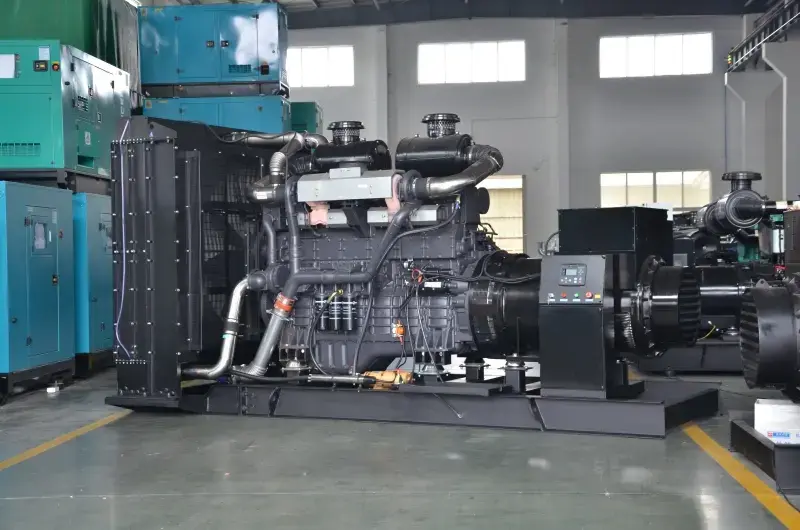
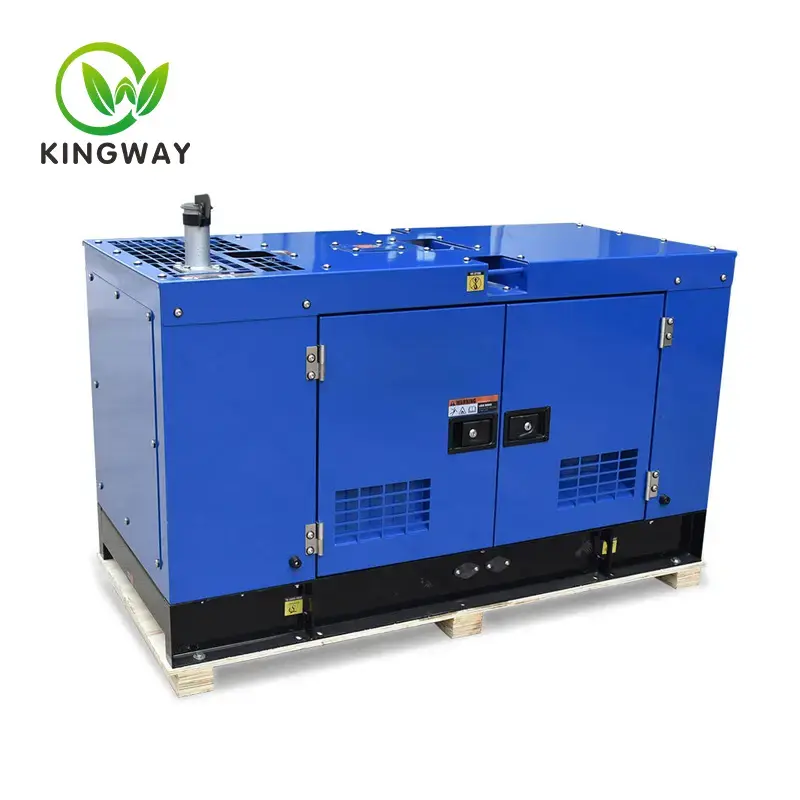
Diesel generator sets are crucial for providing backup power in various settings, from industrial plants to residential areas. Ensuring that the cooling system of a diesel generator set is working properly is essential for maintaining the efficiency and longevity of the equipment. A malfunctioning cooling system can lead to overheating, which can cause significant damage to the engine and other components. In this comprehensive guide, we will walk you through the steps to check and ensure that the cooling system of your diesel generator set is functioning optimally.
Understanding the Cooling System of a Diesel Generator Set
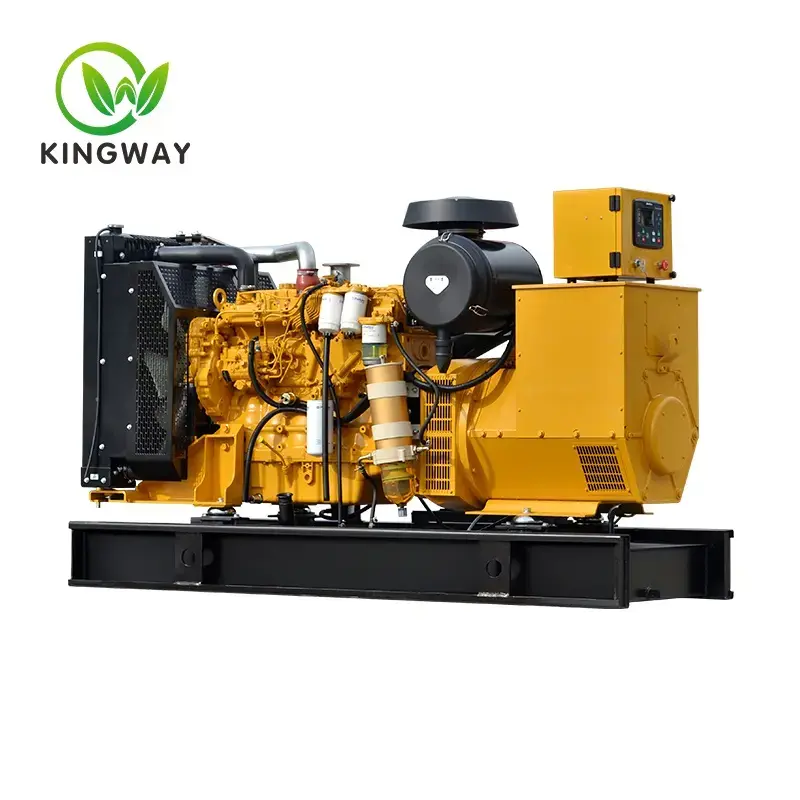
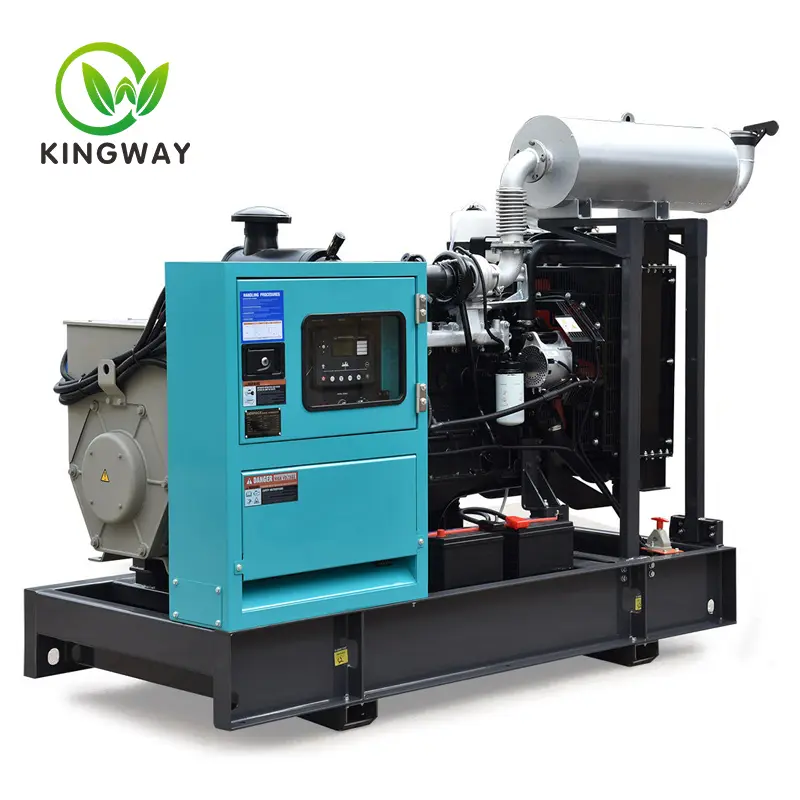
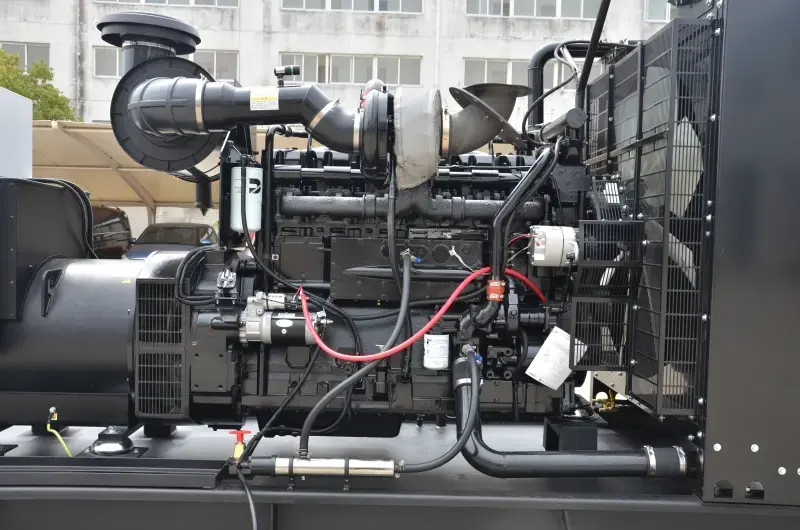
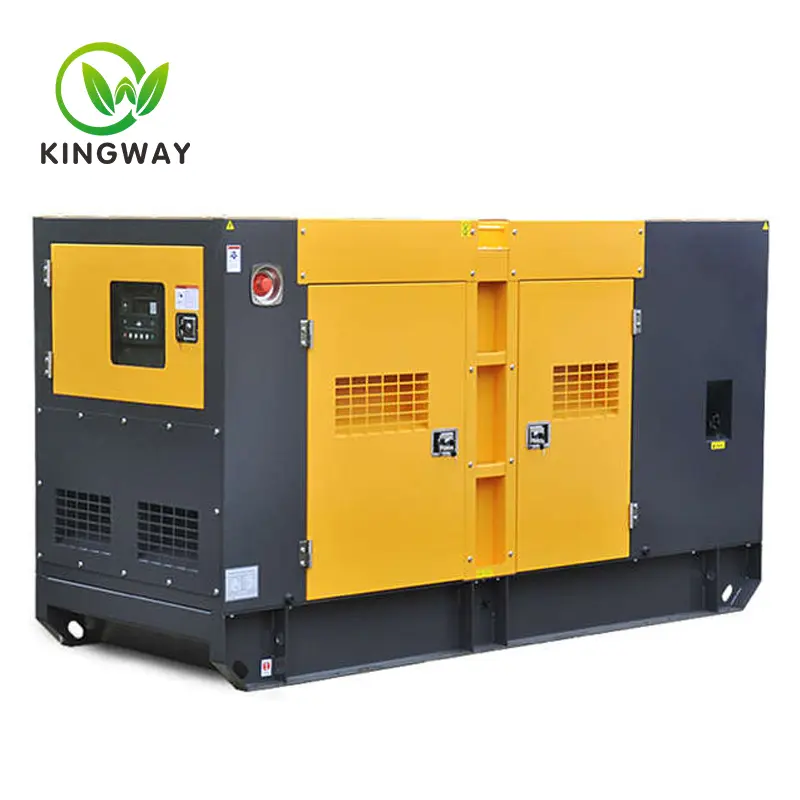
Before diving into the inspection process, it's important to understand the basic components and working principles of a diesel generator set's cooling system. The cooling system is designed to dissipate the heat generated by the engine during operation, maintaining an optimal operating temperature. Key components of the cooling system include:
Water Pump: The water pump circulates the coolant through the engine block, ensuring that heat is evenly distributed and removed.
Radiator: The radiator dissipates the heat from the coolant into the atmosphere. It is crucial for maintaining the temperature of the coolant.
Coolant: A mixture of water and antifreeze, coolant is responsible for absorbing and transferring heat away from the engine.
Thermostat: The thermostat regulates the flow of coolant through the radiator, ensuring that the engine operates at the correct temperature.
Cooling Fans: These fans help to increase air flow through the radiator, enhancing the cooling process.
Hoses and Pipes: These components transport coolant between the engine, radiator, and other parts of the cooling system.
Step-by-Step Guide to Checking the Cooling System
Step 1: Visual Inspection
1.1 Check for Leaks
Inspect all visible parts of the cooling system for signs of leaks. Look around the water pump, radiator, hoses, and connections. Leaks can lead to a loss of coolant, which can cause the engine to overheat. If you find any leaks, they should be addressed immediately.
1.2 Inspect Hoses and Pipes
Check the hoses and pipes for any signs of wear, cracks, or bulging. Damaged hoses can burst under pressure, leading to a loss of coolant and potential engine damage. Replace any hoses that show signs of damage.
Step 2: Check Coolant Level and Quality
2.1 Coolant Level
Ensure the coolant level is at the proper mark in the overflow tank or radiator. The coolant level should be checked when the engine is cold. If the level is low, add the appropriate coolant mixture to bring it up to the correct level.
2.2 Coolant Quality
The coolant should be clear and free of debris. Old or contaminated coolant can reduce the efficiency of the cooling system and lead to corrosion. If the coolant appears dirty or has been in the system for a long time, it should be drained and replaced.
Step 3: Inspect the Radiator
3.1 Cleanliness
The radiator fins should be free of dirt and debris. Dirty radiators can significantly reduce the efficiency of heat dissipation. Use compressed air or a soft brush to clean the radiator fins. Be careful not to damage the fins, as they are delicate.
3.2 Check for Damage
Inspect the radiator for any signs of damage, such as bent fins or leaks. Damaged radiators can impede the flow of coolant and reduce cooling efficiency. If damage is found, the radiator may need to be repaired or replaced.
Step 4: Check the Water Pump
4.1 Leakage
Check the water pump for any signs of leakage. A leaking water pump can lead to a loss of coolant and engine overheating. If leakage is detected, the water pump should be replaced.
4.2 Bearing Condition
Listen for any unusual noises coming from the water pump when the engine is running. Squealing or grinding noises can indicate worn bearings. If you suspect bearing issues, the water pump should be inspected and replaced if necessary.
Step 5: Inspect the Cooling Fans
5.1 Fan Condition
Check the cooling fans for any signs of damage, such as bent or broken blades. Damaged fans can reduce air flow and affect the cooling efficiency of the system. Replace any damaged fans.
5.2 Fan Operation
Ensure the fans are operating correctly. The fans should engage when the engine reaches a certain temperature and disengage when the temperature drops. If the fans are not operating as expected, check the fan relay and thermostat.
Step 6: Check the Thermostat
6.1 Operation
The thermostat regulates the flow of coolant through the radiator. A malfunctioning thermostat can cause the engine to overheat or run too cool. To test the thermostat, start the engine and allow it to warm up. The thermostat should open when the engine reaches operating temperature, allowing coolant to flow through the radiator. If the thermostat does not open, it should be replaced.
Step 7: Perform a Pressure Test
7.1 System
Integrity
A pressure test can help identify leaks in the cooling system that may not be visible during a visual inspection. Connect a pressure tester to the cooling system and pressurize it to the manufacturer's recommended pressure. Monitor the pressure gauge for any drops in pressure, which can indicate a leak. If a leak is detected, the system should be inspected and repaired.
Step 8: Check the Cooling System Cap
8.1 Seal Integrity
The cooling system cap maintains the pressure in the system, which helps to raise the boiling point of the coolant. Check the cap for any signs of damage or wear. A damaged cap can lead to a loss of pressure and reduced cooling efficiency. If the cap is damaged, it should be replaced.
Step 9: Monitor Temperature Gauges
9.1 Real-Time Monitoring
During operation, monitor the temperature gauges on the generator set. The engine temperature should remain within the manufacturer's recommended range. If the temperature consistently runs high or low, there may be an issue with the cooling system that requires further investigation.
Step 10: Load Testing
10.1 Performance Under Load
Load testing is a crucial part of ensuring the cooling system's effectiveness. By applying a load to the generator set, you can simulate real-world operating conditions and observe how the cooling system performs. The temperature should remain stable under load. If the temperature rises significantly, it may indicate a problem with the cooling system.
Maintenance Tips for the Cooling System
Regular Maintenance Schedule
To ensure the cooling system remains in optimal condition, follow a regular maintenance schedule. This should include:
Monthly Checks: Inspect the coolant level, check for leaks, and ensure the cooling fans are operating correctly.
Quarterly Checks: Perform a visual inspection of the hoses and pipes, check the radiator for cleanliness and damage, and inspect the water pump for leaks and bearing condition.
Annual Checks: Conduct a pressure test, replace the coolant, and inspect the thermostat and cooling system cap.
Use High-Quality Coolant
Always use high-quality coolant that meets the manufacturer's specifications. Cheap or low-quality coolant can lead to corrosion and reduced cooling efficiency.
Keep the Area Around the Generator Clean
Ensure the area around the generator set is free of debris and obstructions. This will help to maintain proper air flow and improve the cooling efficiency of the system.
Train Maintenance Personnel
Ensure that the personnel responsible for maintaining the diesel generator set are trained and knowledgeable about the cooling system. Proper training can help to identify and address potential issues before they become serious problems.
Conclusion
The cooling system of a diesel generator set is a critical component that requires regular inspection and maintenance. By following the steps outlined in this guide, you can ensure that your cooling system is working properly, preventing overheating and extending the life of your generator set. Regular visual inspections, checking coolant levels and quality, inspecting key components, and performing load tests are all essential steps in maintaining a healthy cooling system. Remember, a well-maintained cooling system is crucial for the reliable operation of your diesel generator set.