

Mobile Lighting Trailer Supplier
How Surveillance Trailer systems handle sudden changes in sunlight exposure
Surveillance Trailers: Adapting to Sudden Sunlight Changes
Introduction
Surveillance trailers are versatile and essential tools in various industries, from construction sites and event management to security monitoring and traffic enforcement. These mobile units are equipped with advanced surveillance technologies, including cameras, sensors, and data transmission systems, making them ideal for temporary or remote monitoring needs. However, one of the significant challenges faced by surveillance trailers is adapting to sudden changes in sunlight conditions. This blog post will explore how surveillance trailers handle sudden sunlight changes and the technologies that enable them to maintain optimal performance in varying light conditions.
Understanding Sunlight Challenges for Surveillance Trailers
Sunlight conditions can vary dramatically throughout the day, especially when trailers are deployed in outdoor environments. Sudden changes in sunlight, such as moving from direct sunlight to shade or experiencing glare from reflective surfaces, can significantly impact the effectiveness of surveillance systems. These changes can lead to issues like overexposure, underexposure, or washed-out images, which compromise the clarity and reliability of surveillance footage.
Key Challenges
Glare and Reflections: Direct sunlight can cause glare on camera lenses, making it difficult to capture clear images.
Dynamic Light Changes: Rapid transitions between bright sunlight and shaded areas can overwhelm camera sensors, leading to poor image quality.
Heat Management: Intense sunlight can also increase the temperature inside the trailer, potentially affecting the performance of electronic components.
Technologies for Handling Sunlight Changes
To address these challenges, modern surveillance trailers are equipped with a range of technologies designed to adapt to varying light conditions and maintain high-quality surveillance.
1. Advanced Camera Systems
Modern surveillance cameras come with several features that help mitigate the effects of sudden sunlight changes:
Auto-Iris Lenses: These lenses automatically adjust the aperture to control the amount of light entering the camera, ensuring consistent image brightness
Wide Dynamic Range (WDR): WDR technology allows cameras to capture details in both very bright and very dark areas of a scene simultaneously. This is particularly useful in environments with high contrast, such as areas with direct sunlight and shadows
Glare Reduction Filters: Some cameras are equipped with specialized filters that reduce glare and reflections, improving image quality in bright conditions
2. Solar-Powered Solutions
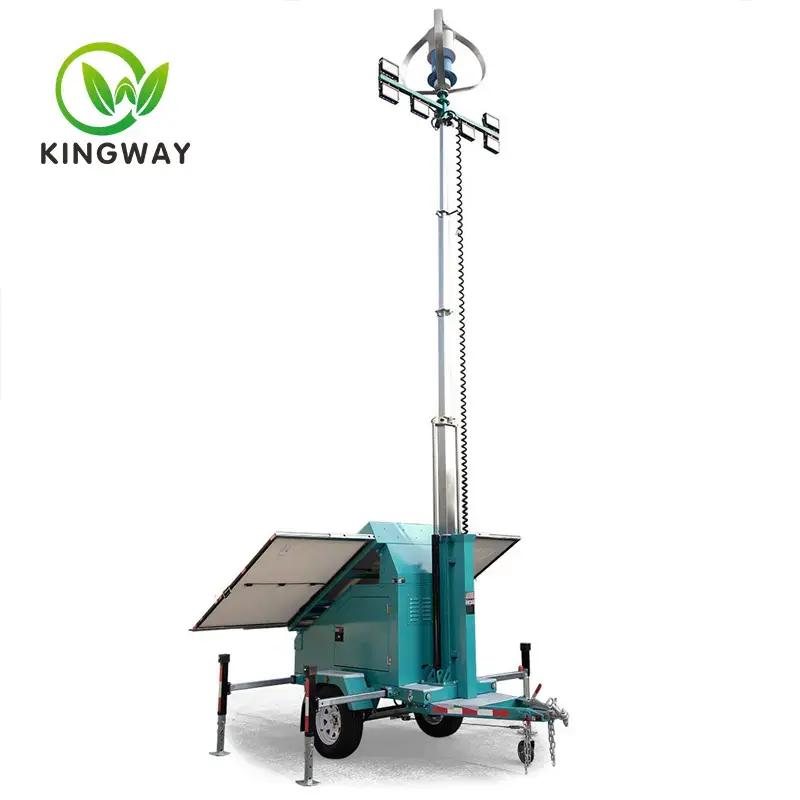
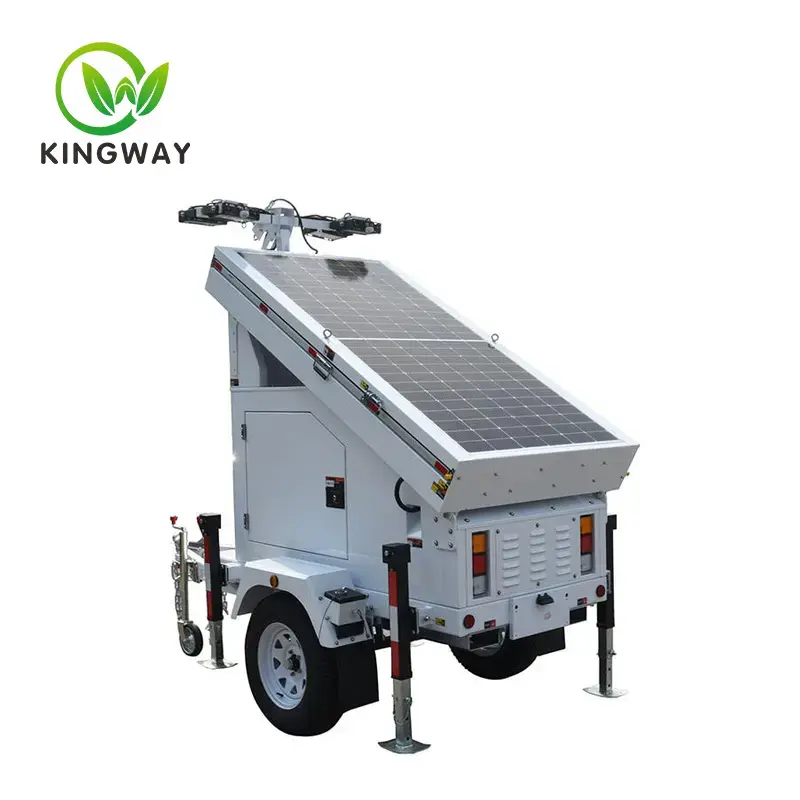
Many surveillance trailers now incorporate solar panels to power their systems. This not only provides a sustainable energy source but also helps manage heat by dissipating energy from sunlight. Solar-powered trailers can operate efficiently in remote locations without relying on external power sources, making them ideal for long-term deployments.
3. Intelligent Software and Algorithms
Advanced surveillance systems use intelligent software algorithms to automatically adjust camera settings based on real-time light conditions. These algorithms can detect sudden changes in sunlight and adjust exposure, contrast, and brightness to maintain optimal image quality
4. Thermal Imaging
For environments with extreme light variations, thermal imaging cameras can be an effective solution. These cameras detect heat signatures rather than visible light, making them immune to changes in sunlight conditions. Thermal imaging is particularly useful for surveillance in low-light conditions or areas with high glare.
5. Environmental Controls
To manage the impact of sunlight on internal components, surveillance trailers often include environmental control systems. These systems can regulate temperature and humidity, ensuring that electronic equipment operates within optimal conditions. Features like air conditioning, ventilation, and heat-resistant materials can help maintain a stable internal environment.
Practical Applications and Case Studies
Construction Sites
Construction sites often experience dramatic changes in sunlight conditions throughout the day. Surveillance trailers equipped with WDR cameras and glare reduction filters can effectively monitor work areas, ensuring safety and security even in challenging light conditions. For example, a construction company in Arizona reported improved surveillance effectiveness after deploying trailers with advanced camera systems that adapted to intense sunlight and rapid light changes
Traffic Enforcement
In traffic enforcement applications, radar speed trailers often face issues with glare and reflections from vehicle headlights and sunlight. Modern radar trailers use auto-iris lenses and WDR technology to capture clear images of vehicles even in bright sunlight. These systems can also adjust in real-time to changes in light conditions,
ensuring accurate speed measurements and clear license plate captures
Event Management
Surveillance trailers are frequently used at outdoor events, where sunlight conditions can vary significantly. Solar-powered trailers equipped with intelligent software algorithms can adapt to sudden changes in light, providing continuous and reliable surveillance. For example, a music festival in California used solar-powered surveillance trailers with WDR cameras to monitor crowds and ensure safety, even during transitions from day to night
Market Trends and Future Developments
The market for surveillance trailers is growing rapidly, driven by advancements in technology and increasing demand for efficient and reliable security solutions. Future developments in surveillance trailers are expected to focus on:
Enhanced AI and Machine Learning: These technologies will enable trailers to better adapt to changing light conditions by learning from past data and making real-time adjustments
Integration with IoT: Surveillance trailers will increasingly integrate with IoT platforms, allowing remote monitoring and control of camera settings based on real-time data.
Sustainable Energy Solutions: The adoption of solar and other Renewable Energy sources will continue to grow, making surveillance trailers more environmentally friendly and cost-effective
Conclusion
Handling sudden sunlight changes is a critical challenge for surveillance trailers, but advancements in camera technology, intelligent software, and environmental controls have significantly improved their adaptability.