

Mobile Lighting Trailer Supplier
How often do diesel generators need maintenance?
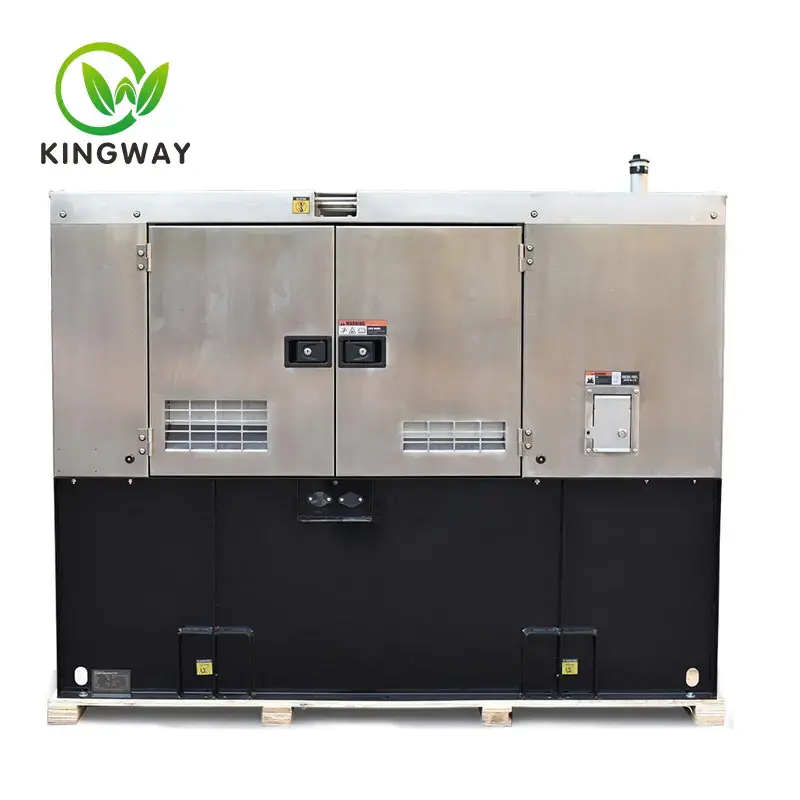
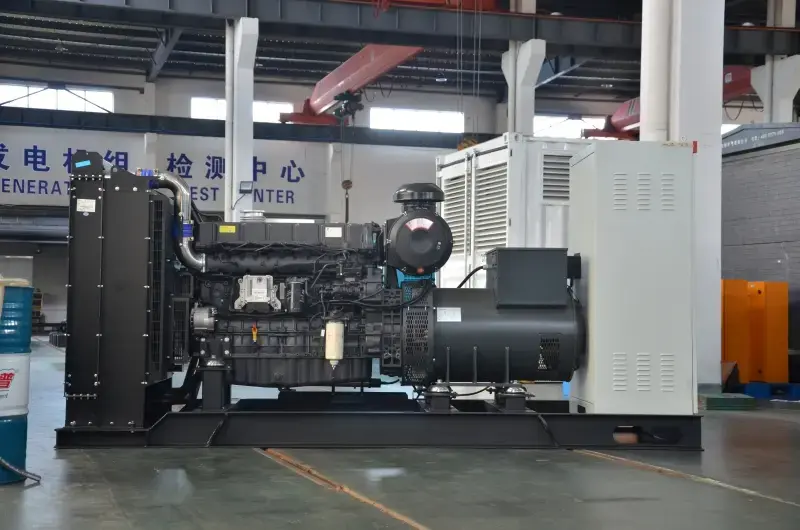
How often do Diesel Generators need maintenance?
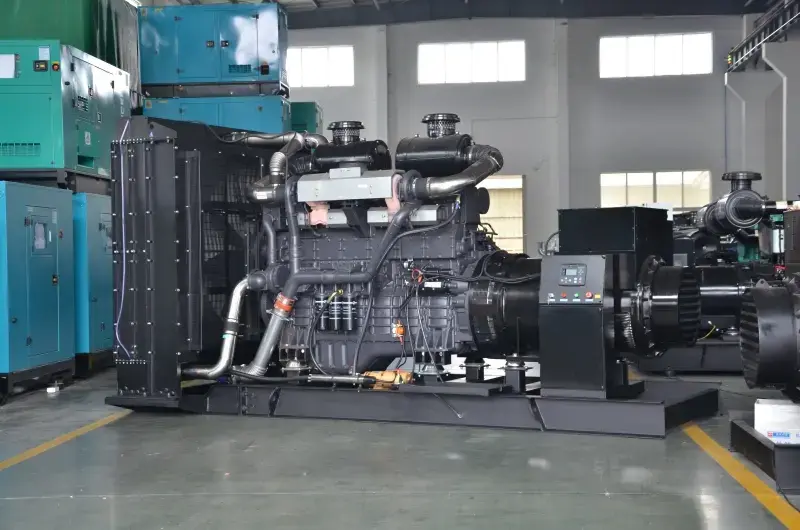
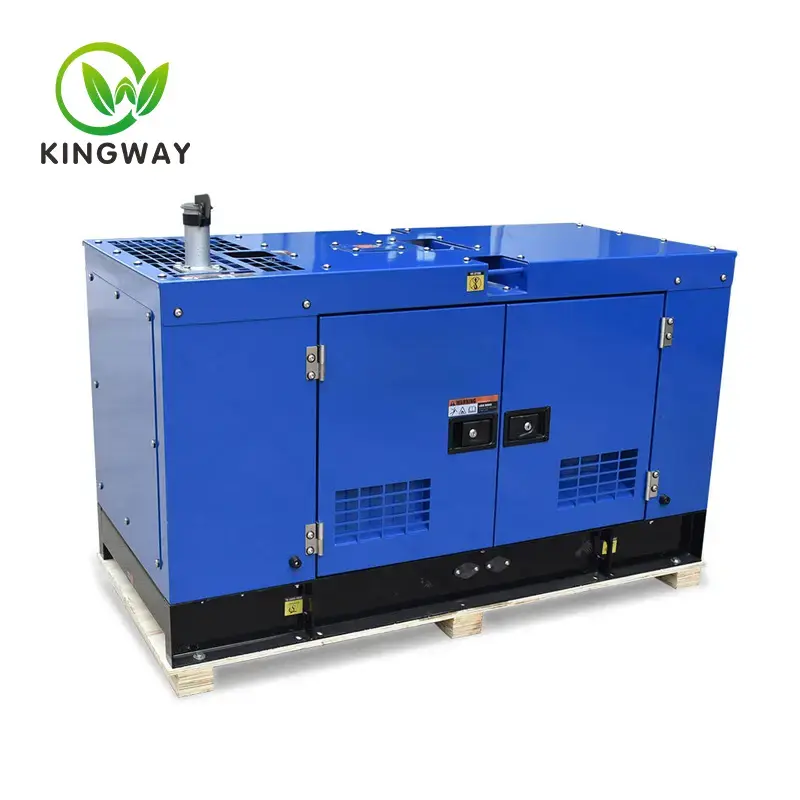
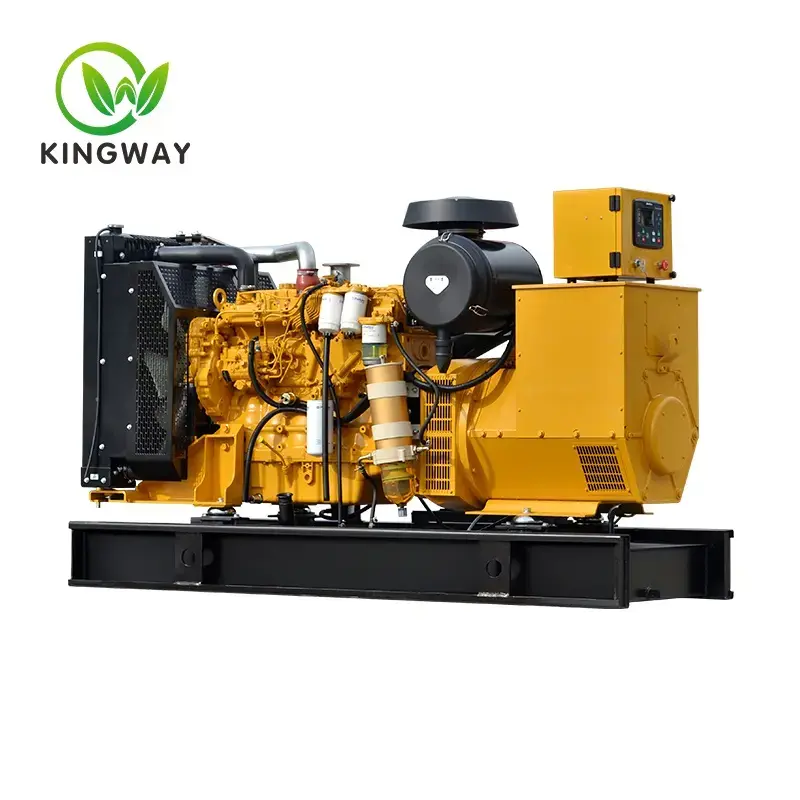
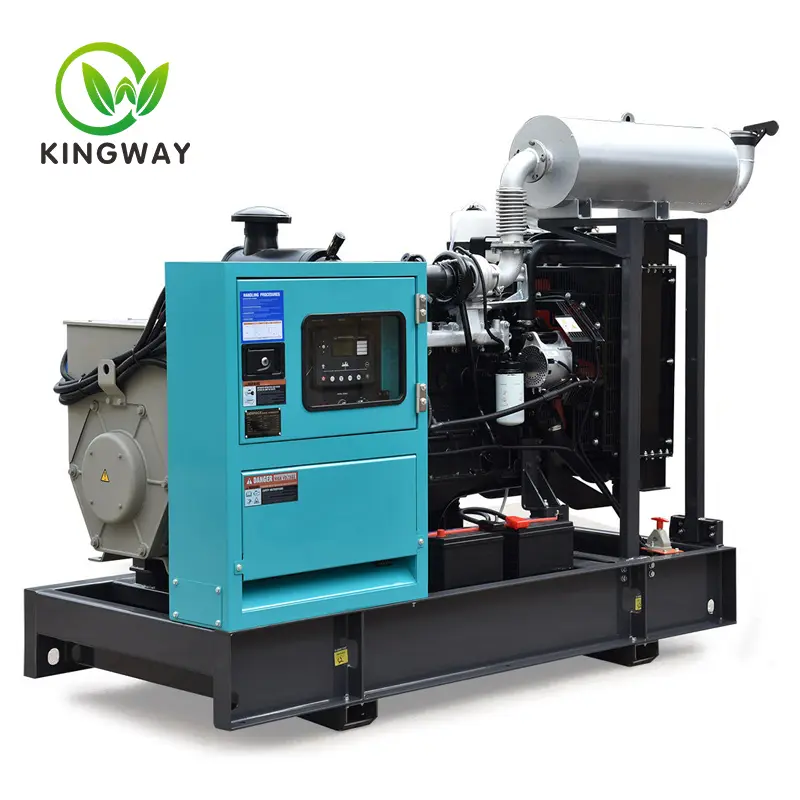
As an important backup power supply device, the stable operation of diesel generators is crucial to ensuring power supply. In order to ensure the long-term efficient and safe operation of diesel generators, regular maintenance is an indispensable link. The maintenance cycle of diesel generators is affected by many factors, including the frequency of use of the generator, the operating environment, the power size, and the specific requirements of the manufacturer. The following are general recommendations and detailed instructions for the maintenance cycle of diesel generators:
I. Daily inspection and maintenance
1. Daily inspection
Fuel system: Check the fuel level in the fuel tank to ensure that there is enough fuel so that the generator can start at any time
Oil system: Check the oil level in the oil pan to ensure that the oil is within the normal range. The oil is the key to lubricating the internal components of the engine. Insufficient oil will cause the engine to wear more
Cooling system: Check the coolant level to ensure that there is enough coolant. The cooling system is responsible for taking away the heat generated by the engine to prevent the engine from overheating
Drive belt: Check whether the drive belt is loose or worn. The drive belt connects the engine and the generator. Its tightness and integrity directly affect the normal operation of the generator
Leakage: Visually inspect the diesel generator for leakage, including fuel, oil, coolant, etc., and promptly discover and deal with leakage problems to prevent the expansion of faults
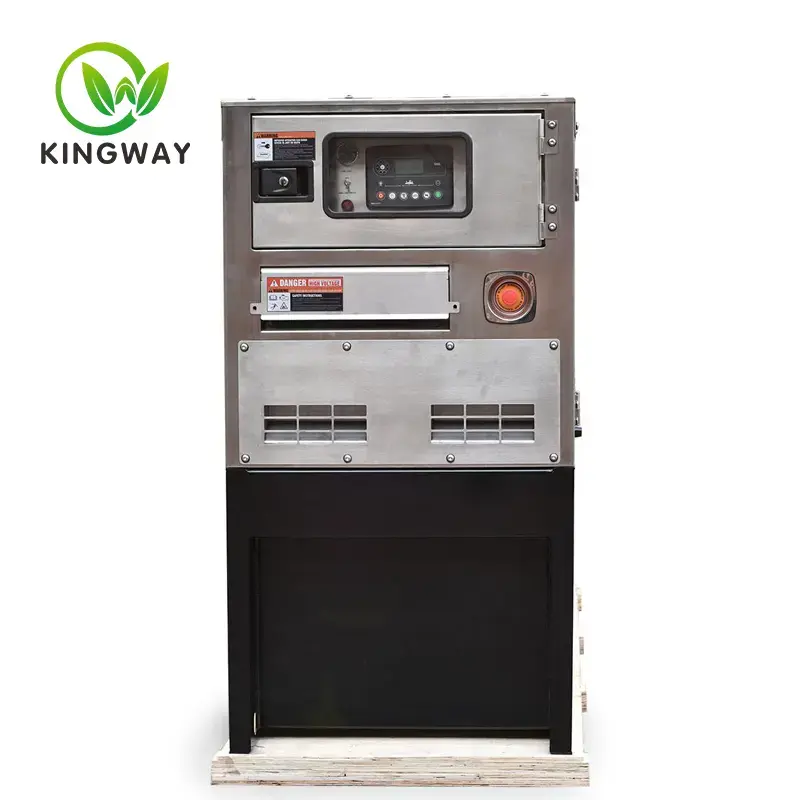
Instrument indication: Check whether the indications of various instruments are normal, such as voltmeter, ammeter, frequency meter, etc., to ensure that the operating parameters of the generator are within the normal range
Battery: Check the voltage and capacity of the battery. The battery provides power for the start of the generator. Insufficient voltage will cause difficulty in starting the generator
2. Weekly or monthly inspection
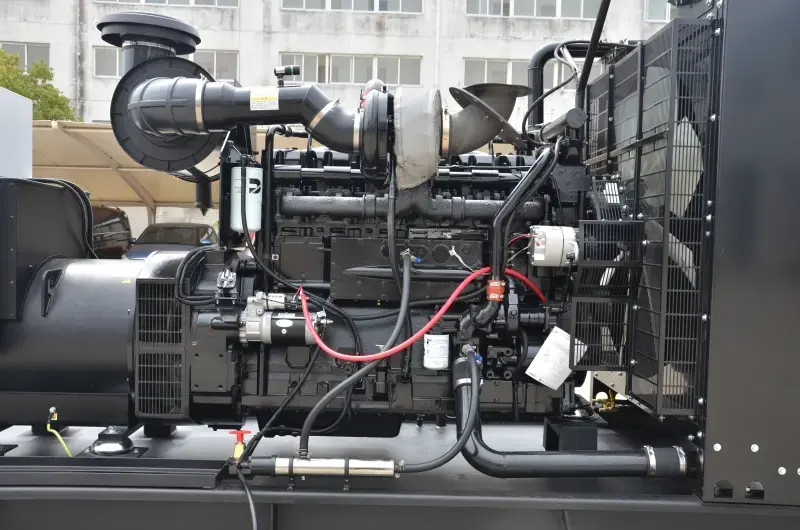
Air filter: Check the air filter weekly or monthly to remove dust and impurities from the filter element. The function of the air filter is to filter the air entering the engine to prevent dust and impurities from entering the engine and causing wear and failure
Fuel filter: Check the fuel filter monthly to drain the water and sediment in it. The fuel filter can filter impurities in the fuel, ensure the cleanliness of the fuel, and prevent the fuel injection system from being blocked
Cooling system cleaning: Check the cleanliness of the cooling system every month, clean the cooler, ensure the smooth operation of the heat sink and fan, and improve the heat dissipation efficiency
Screws and connectors: Check and tighten the screws and connectors of the Generator Set to ensure the tightness and stability of all components to prevent failures caused by looseness
II. Regular maintenance
1. 200-400 hours or 12 months maintenance (under backup power supply)
Oil replacement: Replace the diesel generator oil. The oil will gradually deteriorate and lose its lubricating properties during use. Regular oil replacement can keep the engine well lubricated
Filter replacement: Replace the oil filter, fuel filter and water filter. These filters will accumulate a lot of impurities and dirt during use. Replacing the filter can ensure the cleanliness of the oil and fuel
Cleaning work: Clean the dust and other foreign matter in the AC synchronous generator and control panel (box) to prevent dust accumulation from affecting the heat dissipation and normal operation of the equipment
Fan bearing lubrication: For larger generator sets, grease the fan bearing to ensure the normal operation of the fan
Control system inspection: Inspect the control system of the generator set, including the tightness inspection of the control circuit terminals to ensure the stability and reliability of the control system
2. 1500 hours or 24 months maintenance (under backup power supply)
Injection time check: Check the injection time to ensure that the injection system works properly. The accuracy of the injection time directly affects the combustion efficiency and power output of the engine
Valve clearance check: Check the valve clearance. The adjustment of the valve clearance is very important for the normal operation of the engine. Too large or too small a clearance will affect the performance of the engine
Drive belt check: Check the wear of the fan, water pump, and charging generator drive belt, and replace them if necessary to ensure the stable operation of the transmission system
Cooling system cleaning: Check and clean the cooling system, including cleaning the cooler and replacing the coolant to maintain the efficient operation of the cooling system
3. 4000 hours or 3-4 years of maintenance
Injector and fuel pump cleaning and calibration: Clean and calibrate the injector and fuel pump to ensure the quality of fuel injection and the normal operation of the injection system
Supercharger assembly inspection: Check, repair or replace the supercharger assembly. The supercharger is an important component for increasing the engine's air intake, and its performance directly affects the engine's power output
Water pump assembly inspection: Check, repair or replace the water pump assembly. The water pump is responsible for the circulation of the coolant, and its normal operation is essential for the cooling of the engine
Generator bearing lubrication: Add lubricating oil to the bearing of the AC synchronous generator to ensure the stable operation of the generator
III. Seasonal maintenance
1. Winter maintenance
Antifreeze filling: In areas where the room temperature is below 0℃ in winter, the cooling system should be filled with antifreeze to prevent the coolant from freezing and causing damage to the cooling system
Insulation measures: Take insulation measures, such as using an insulation cover or insulation material to cover the generator to prevent the generator from starting in a low temperature environment
2. Summer maintenance
Cooling system replacement: Antifreeze should be replaced with soft water in summer to improve the heat dissipation efficiency of the cooling system
Heat sink cleaning: Strengthen the cleaning of the heat sink to prevent dust and dirt from clogging the heat sink and affecting the heat dissipation effect
Fourth, the adjustment factors of the maintenance cycle
Frequency of use: If the diesel generator is used frequently, such as as the main power source or frequently started, its maintenance cycle should be shortened accordingly. For example, for frequently used generators, it is recommended to change the oil every 200 hours or every 3 months
Operating environment: Generators operating in harsh environments, such as places with a lot of dust, high humidity, and large temperature changes, should also have their maintenance cycles shortened. For example, in dusty environments, the cleaning and replacement cycles of air filters should be shortened
Generator models and manufacturer requirements: Different models of diesel generators may have different maintenance cycles. Manufacturers will formulate specific maintenance requirements and cycles based on the design and performance characteristics of the generator, and users should strictly follow the manufacturer's recommendations for maintenance
Five, the importance and precautions of maintenance
1. Improve reliability
Regular maintenance can promptly detect and solve potential problems, prevent failures, and improve the reliability of diesel generators. For example, by regularly checking and replacing worn belts, hoses and filters, generator failures caused by damage to these components can be avoided
2. Extend service life
Good maintenance habits can effectively extend the service life of diesel generators. Regularly changing the engine oil, cleaning the fuel system, checking the cooling system, etc. can keep the internal components of the generator in good working condition and reduce wear and damage
3. Reduce operating costs
Although maintenance requires a certain amount of cost investment, in the long run, regular maintenance can reduce the operating costs of the generator. Through preventive maintenance, downtime and maintenance costs caused by failures can be avoided, while improving the operating efficiency of the generator and reducing the consumption of fuel and oil.
4. Precautions
Operate strictly in accordance with the maintenance manual: When performing maintenance, you should strictly follow the maintenance manual of the diesel generator and follow the correct maintenance steps and methods.
Use qualified accessories and oil: When replacing oil, filters, fuel, etc., you should use qualified products that meet the requirements of the generator to avoid failures caused by the use of inferior accessories and oil.
Record maintenance information: Establish a maintenance file to record the time, content, replacement of accessories and other information for each maintenance, so as to facilitate tracking the maintenance of the generator and formulate the next maintenance plan.
Operation by professionals: For some complex maintenance work, it is recommended to ask professional maintenance personnel to operate to ensure the quality and safety of maintenance.
In short, the maintenance cycle of diesel generators should be determined according to the specific usage, operating environment and manufacturer's requirements. Regular maintenance can not only ensure the stable operation of the generator, but also extend its service life and reduce operating costs. Users should attach importance to maintenance work and formulate reasonable maintenance plans to ensure that the diesel generator is always in good working condition.