

Mobile Lighting Trailer Supplier
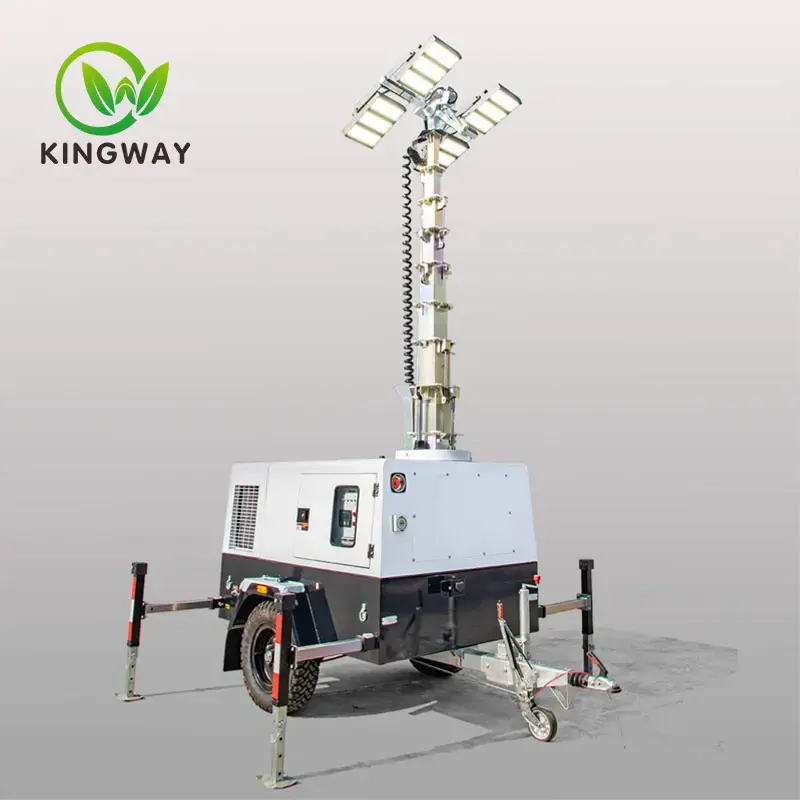
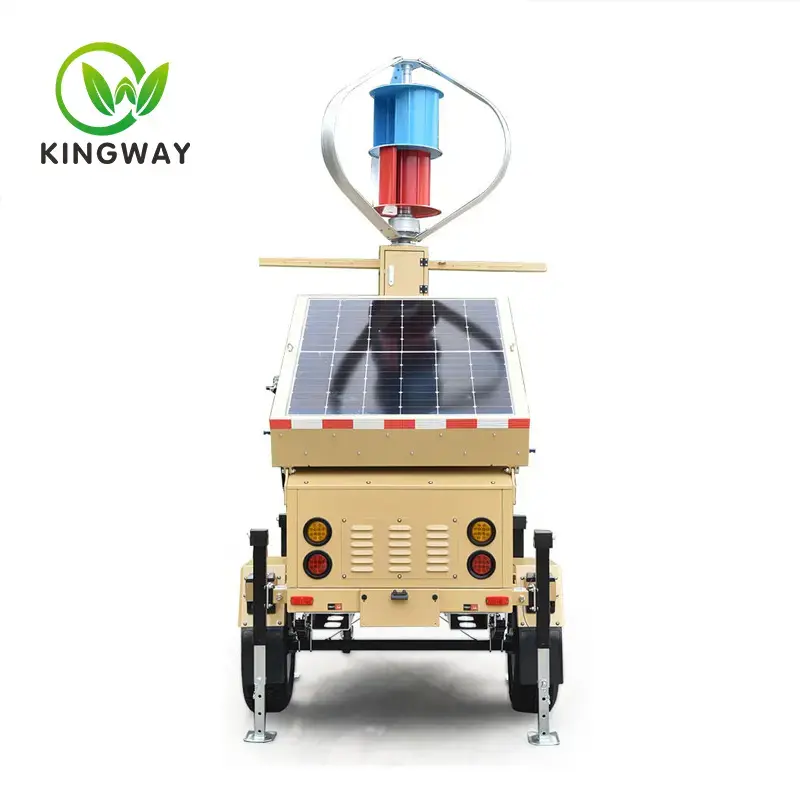
How monitoring trailers can improve communication among emergency response teams
Monitoring trailer: a key measure to improve the communication efficiency of emergency teams
In modern society, an efficient emergency response system is essential to ensure public safety, maintain social order, and reduce losses caused by various emergencies. As the core force for responding to emergencies, the efficiency of communication and collaboration between the emergency team and other relevant departments often directly determines the effectiveness of emergency response. As an innovative technical means and resource integration platform, monitoring trailers have shown significant advantages and potential in improving the communication of emergency teams, and are gradually changing the working mode and pattern of emergency response.
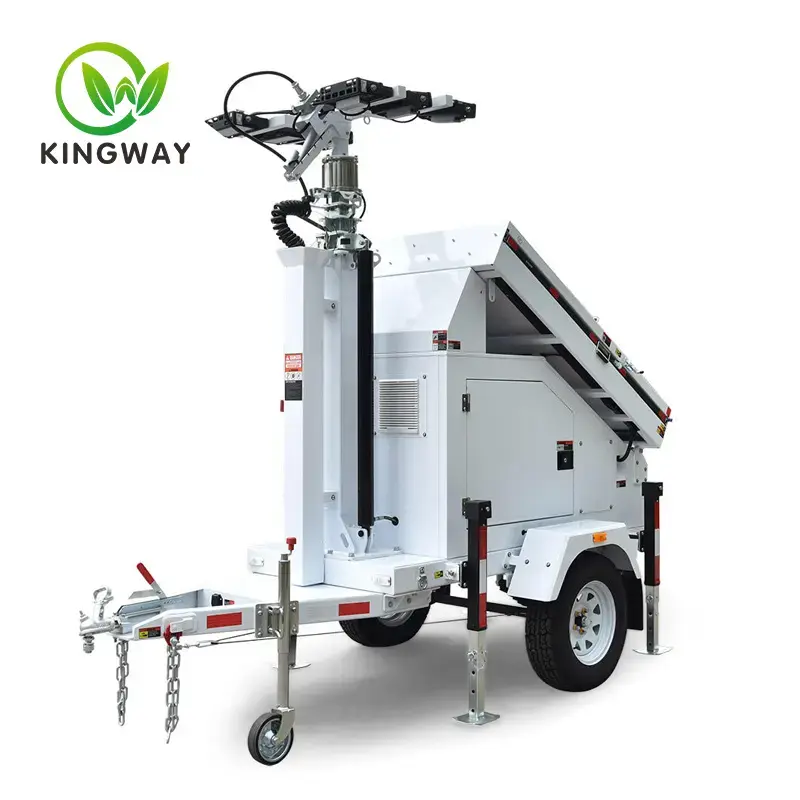
With the acceleration of urbanization and the increasing frequency of various social activities, the frequency and complexity of emergencies are also increasing. Whether it is a traffic accident, natural disaster, public safety incident or other emergency, the emergency team is required to quickly and accurately obtain information, coordinate resources from all parties, and make timely and effective decisions. However, in the traditional emergency response model, due to the untimely acquisition of information, poor communication channels, and difficulty in real-time grasp of the on-site situation, the collaboration between emergency teams is often delayed and errors occur, affecting the overall emergency response efficiency.
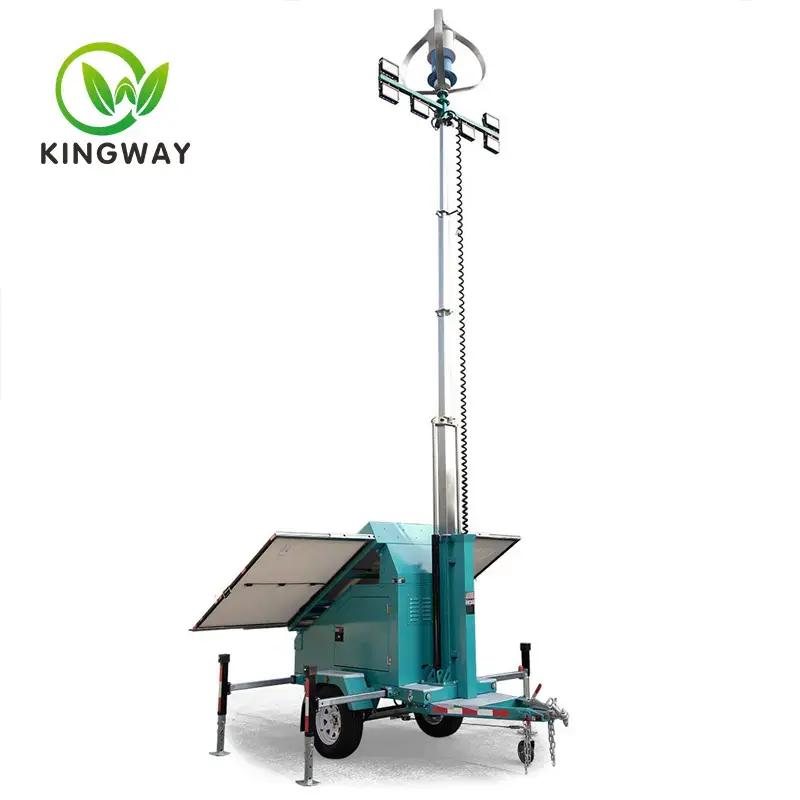
The emergence of monitoring trailers provides new ideas and methods for solving these problems. It is not just a simple means of transportation, but also a mobile platform that integrates advanced monitoring equipment, communication systems and data processing technology. Through the reasonable configuration and use of monitoring trailers, real-time monitoring, data collection and information transmission of emergency scenes can be achieved, and an efficient and stable information bridge can be built for communication and cooperation between emergency teams, thereby greatly improving the speed and accuracy of emergency response.
2. Functions and advantages of monitoring trailers in emergency response
(I) Real-time monitoring and data collection
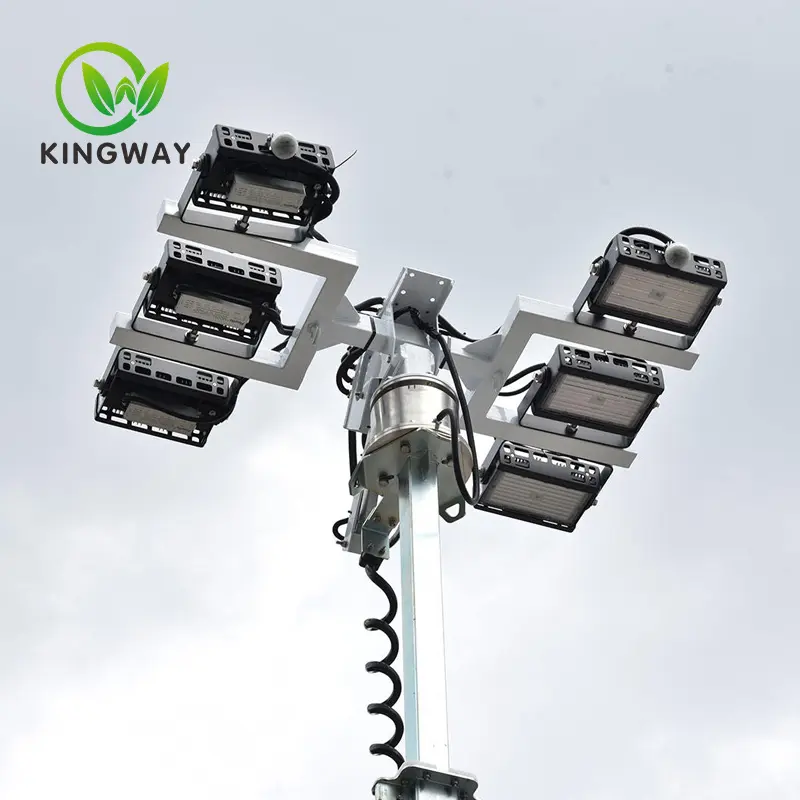
The monitoring trailer is equipped with a variety of monitoring equipment such as high-definition cameras and sensors, which can conduct all-round and multi-angle real-time monitoring of the emergency scene. Whether it is the traffic conditions at the scene of the accident, the environmental changes in the disaster area, or the movement trajectory of personnel, these devices can accurately collect and transmit back information. For example, at the scene of a traffic accident, the monitoring trailer can record the damage of the vehicle, the degree of road congestion, and the arrival time of rescue vehicles and personnel in real time, providing strong data support for the emergency team to formulate a reasonable rescue plan.
(II) Information transmission and sharing
With the help of advanced communication technology, the monitoring trailer can quickly and stably transmit the collected on-site information to the emergency command center and the terminal devices of each emergency team. This enables all personnel involved in the emergency response to obtain the latest situation on the scene in real time, breaking the time and space limitations and information island phenomenon in the traditional information transmission process. Different emergency teams can communicate through a shared information platform to keep abreast of each other's work progress and needs, so as to better coordinate actions and avoid decision-making errors caused by duplication of work or information asymmetry.
(III) On-site command and coordination
The monitoring trailer can also serve as an extension of the on-site command center, providing a mobile command platform for the emergency team. At the scene of an emergency, the commander can use the equipment on the monitoring trailer to command and dispatch each emergency team in real time, and flexibly adjust the rescue strategy and personnel division of labor according to changes in the on-site situation. At the same time, the monitoring trailer can also be interconnected with other emergency vehicles and equipment to achieve unified allocation and management of on-site resources, further improving the coordination and overall efficiency of emergency response.
(IV) Emergency resource allocation and management
Through real-time monitoring and data analysis of the on-site situation, the monitoring trailer can help the emergency command center accurately assess the types and quantities of resources required for the emergency, thereby achieving accurate allocation of emergency resources. For example, at the fire scene, according to the fire spread and the location of trapped people sent back by the monitoring trailer, the command center can promptly dispatch enough fire trucks, fire-fighting equipment and rescue personnel to the scene to avoid delays in rescue due to insufficient resources or unreasonable deployment. In addition, the monitoring trailer can also track and record the use of emergency resources in real time, providing a basis for subsequent resource replenishment and management.
III. Specific ways for monitoring trailers to improve communication among emergency teams
(I) Establish a unified information communication platform
As the core node for information collection and transmission, the monitoring trailer can connect the communication equipment of various emergency teams to establish a unified information communication platform. On this platform, members of different teams can communicate in real time through text, voice, video and other methods to share information such as on-site conditions, rescue progress, problems and suggestions. For example, the firefighting team can transmit the fire situation and firefighting progress at the fire scene to the medical team through the monitoring trailer. The medical team can prepare for the treatment of the wounded in advance based on this information, and feedback the hospital's reception capacity and treatment resources to the firefighting team so that they can better carry out rescue operations.
(ii) Visualization of information
The on-site information collected by the monitoring trailer can be visualized through large screens, tablet computers and other devices, so that members of the emergency team can understand the on-site situation more intuitively. For example, the traffic flow, road conditions, rescue vehicle locations and other information at the accident site are displayed in the form of a map, so that each team can clearly see the unobstructed rescue route and the best rescue path selection. At the same time, for some complex on-site situations, such as structural analysis after the collapse of a building and prediction of the spread range after the leakage of hazardous chemicals, three-dimensional modeling and simulation technology can be used for visualization to help the emergency team better formulate rescue plans and response measures.
(iii) Provide real-time decision support
Based on the large amount of on-site data transmitted back by the monitoring trailer, the emergency command center can use data analysis and artificial intelligence technology to provide real-time decision support. For example, by analyzing the traffic flow, vehicle speed, and severity of the accident at the scene of the accident, the duration and scope of traffic congestion can be predicted, providing a basis for the traffic management department to formulate traffic diversion plans; by analyzing the fire spread speed, wind direction and speed, building structure and other data at the fire scene, it can provide a reference for the fire department to formulate fire fighting strategies and personnel evacuation plans. These real-time decision support information can be quickly transmitted to various emergency teams through monitoring trailers, helping them to better perform rescue tasks and improve the scientificity and effectiveness of emergency response.
(IV) Promote cross-departmental collaboration and communication
When responding to some major emergencies, it is often necessary for multiple departments to work together, such as firefighting, medical care, traffic police, civil affairs, and environmental protection. Monitoring trailers can serve as a link for cross-departmental collaboration, integrating the emergency resources and information of various departments to achieve information sharing and collaborative work. For example, in natural disaster relief, the civil affairs department can use monitoring trailers to understand the basic situation and needs of the affected people and allocate disaster relief materials and daily necessities in a timely manner; the environmental protection department can use monitoring trailers to monitor the environmental conditions at the disaster site to prevent secondary environmental pollution accidents. Through the coordination of the monitoring trailer, various departments can cooperate more closely, form a strong emergency response force, and jointly respond to the challenges brought by emergencies.
IV. Case analysis of monitoring trailers in practical applications
(I) Emergency response case of traffic accidents in a certain city
A serious traffic accident occurred on the main road of a certain city, resulting in serious traffic congestion and multiple injuries. After receiving the alarm, the emergency command center immediately dispatched a monitoring trailer to the scene. After the monitoring trailer arrived at the scene, it quickly deployed monitoring equipment, conducted all-round real-time monitoring of the accident scene, and transmitted the on-site situation back to the command center. The fire team, medical team and traffic police team learned about the vehicle damage, casualties and traffic congestion at the accident scene in real time through the information platform shared by the monitoring trailer.
The firefighting team quickly launched firefighting and rescue operations based on the vehicle fire risk assessment information sent back by the monitoring trailer, and successfully controlled the spread of the fire; the medical team made preparations for treatment in advance based on the location and injury information of the injured, and promptly sent the injured to a nearby hospital for treatment; the traffic police team reasonably adjusted the traffic lights on the surrounding roads based on the traffic flow and congestion through the command and dispatch function of the monitoring trailer, diverted traffic congestion, and opened a green channel for rescue vehicles. With the support of the monitoring trailer, the various emergency teams worked closely together, the entire emergency response process was efficient and orderly, the accident site was effectively controlled in a short time, and casualties and property losses were minimized.
(II) Natural disaster rescue case in a certain area
A certain area suffered a serious flood disaster, a large number of houses were flooded, and people were trapped. After receiving the disaster report, the emergency command center immediately activated the emergency plan and dispatched several monitoring trailers to the disaster area. After the monitoring trailer arrived at the scene, it used its water level sensors, meteorological monitors and other equipment to monitor the water level, flow rate, rainfall and other information of the flood in real time, and transmitted the data back to the command center. At the same time, the high-definition camera on the monitoring trailer conducted a full-scale scan of the disaster-stricken area, and clearly presented the location of the affected people, the trapped situation and the surrounding environment on the large screen of the command center.
The rescue team formulated a detailed rescue plan based on the information provided by the monitoring trailer. The assault boat rescue team selected the best rescue route and method based on the water level and water flow, and successfully transferred the trapped people to a safe area; the logistics support team coordinated and allocated sufficient food, drinking water, tents and other disaster relief materials through the monitoring trailer according to the material needs of the disaster-stricken area, and delivered them to the affected people in a timely manner; the epidemic prevention team made preparations for epidemic prevention in advance based on the monitoring data of the disaster area environment by the monitoring trailer, preventing the occurrence of post-disaster epidemics. During the entire rescue process, the monitoring trailer played a key role, greatly improving the communication efficiency and rescue effect between emergency teams, and providing strong protection for the safety of life and property of the people in the disaster area.
V. Challenges and solutions faced by monitoring trailers in emergency team communication
(I) Technical compatibility issues
The monitoring equipment, communication systems and data processing technologies carried by monitoring trailers often need to be compatible and connected with the existing equipment and technical systems of the emergency team. However, due to the differences in equipment and technical standards used by different emergency teams, this may lead to problems such as poor information transmission and incompatible data formats, affecting the efficiency of communication and collaboration between emergency teams.
Solution: When purchasing and configuring monitoring trailers, their technical compatibility should be fully considered, and equipment and technical systems that meet international standards and industry specifications should be selected. At the same time, the emergency command center should establish unified technical standards and data specifications, requiring each emergency team to update equipment and technical transformation according to unified standards, to ensure that the monitoring trailer can seamlessly connect with the equipment of all emergency teams and achieve smooth transmission and sharing of information.
(II) Personnel training and operational proficiency issues
As a new type of technical equipment, the operation and use of monitoring trailers require certain professional knowledge and skills. Members of the emergency team may not be familiar with the functions and operation methods of monitoring trailers, resulting in the inability to give full play to their advantages in actual applications, and may even cause misoperation, affecting the effectiveness of emergency response.
Solution: A detailed training plan should be formulated for the operation and use of monitoring trailers, and members of the emergency team should be trained in a comprehensive and systematic manner. The training content should include the operation methods of monitoring equipment, the use skills of communication systems, and the basic knowledge of data processing and analysis. At the same time, emergency drills should be organized regularly to allow members of the emergency team to be familiar with the functions and use processes of monitoring trailers in actual operations, and improve their operational proficiency and emergency response capabilities.
(III) Information security and privacy protection issues
In the process of collecting and transmitting on-site information, monitoring trailers involve a large amount of sensitive data, such as personal privacy information, corporate commercial secrets, and national security intelligence. If this information is leaked or illegally tampered with, it may cause serious losses and harm to individuals, enterprises, and society.
Solution: The management of information security and privacy protection of monitoring trailers should be strengthened, and a complete information security protection system should be established. At the technical level, encryption technology should be used to encrypt the transmitted data to prevent the data from being stolen or tampered with during the transmission process; at the management level, a strict information access rights system should be formulated to restrict access to and use of sensitive data to ensure that only authorized personnel can obtain and process relevant information. At the same time, strengthen information security education for emergency team members, improve their information security awareness and confidentiality awareness, and prevent information leakage caused by human factors.
VI. Conclusion
As an innovative emergency response tool, monitoring trailers have significant advantages and broad application prospects in improving communication between emergency teams. Through real-time monitoring and data collection, information transmission and sharing, on-site command and coordination, and emergency resource allocation and management, monitoring trailers can build an efficient and stable information communication platform for emergency teams, promote close cooperation between teams, and improve the speed and accuracy of emergency response. In practical applications, monitoring trailers have played an important role in the fields of traffic accident emergency response and natural disaster rescue, and have achieved remarkable results.
However, we should also be aware that monitoring trailers still face some challenges in the application process, such as technical compatibility issues, personnel training and operational proficiency issues, and information security and privacy protection issues. In response to these problems, we should adopt active and effective solutions, continuously improve the technical performance and management system of monitoring trailers, and give full play to their role in emergency team communication. With the continuous advancement of science and technology and the continuous innovation of emergency management concepts, monitoring trailers will definitely play a more important role in the future emergency response system and make greater contributions to ensuring public safety and social stability.