

Mobile Lighting Trailer Supplier
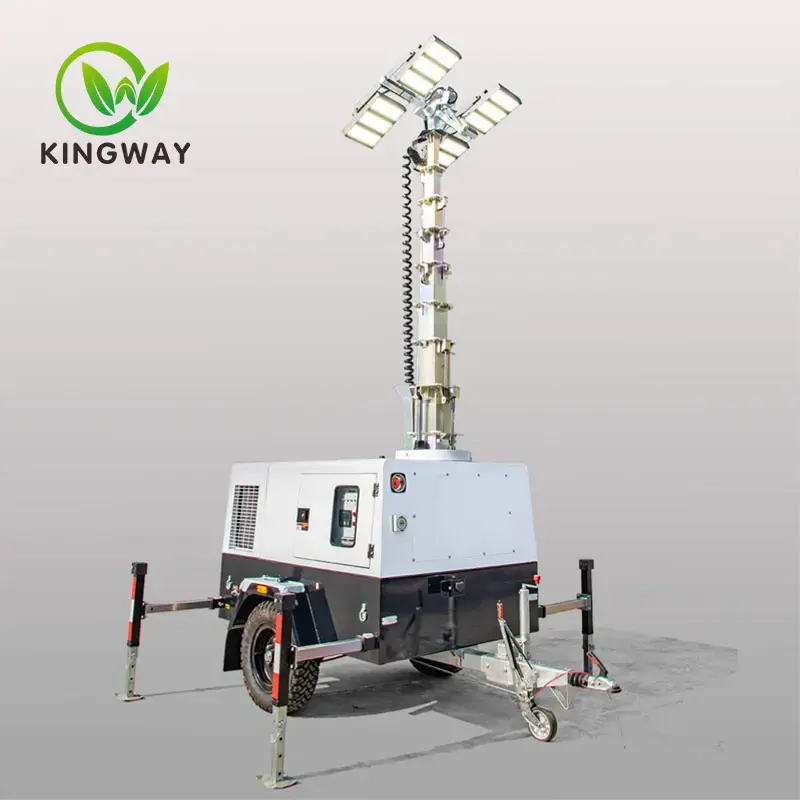
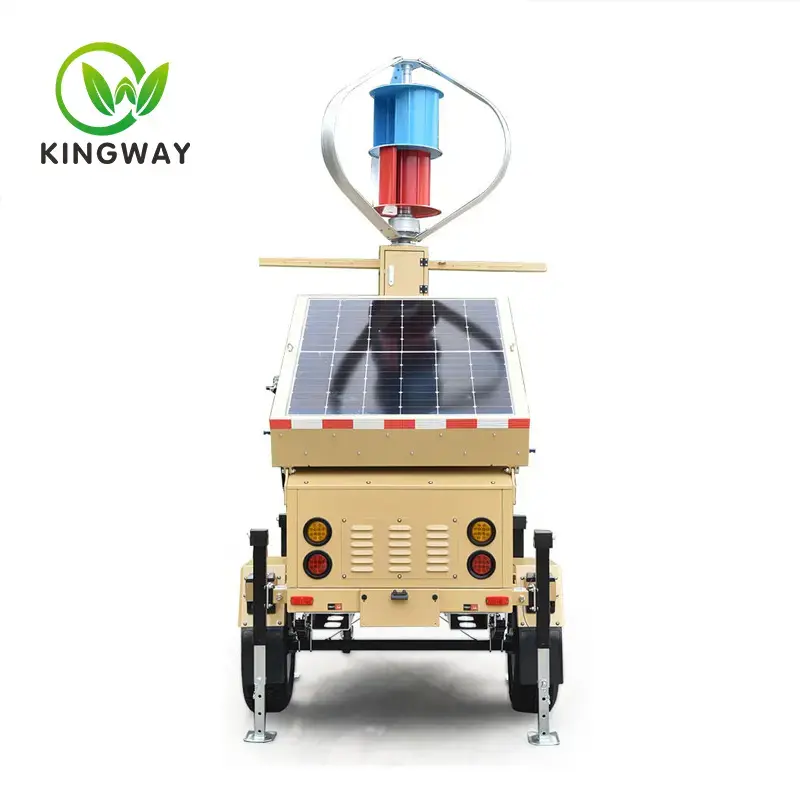
How does Surveillance Trailer help in disaster response?
1. Enhancing Security and Safety
1.1 Deterrence of Crime and Vandalism
Surveillance trailers play a crucial role in deterring crime and vandalism during disaster response operations. The presence of these mobile surveillance units can significantly reduce the likelihood of criminal activities. According to a study conducted by the National Crime Prevention Council, visible security measures such as surveillance cameras can reduce crime rates by up to 30%. Surveillance trailers, equipped with high-definition cameras and motion sensors, provide a constant and visible security presence. This not only deters potential criminals but also provides real-time monitoring of the disaster area, ensuring that any suspicious activity is immediately detected and addressed.
In disaster zones, the breakdown of normal security infrastructure often leads to an increase in criminal activities such as looting and vandalism. Surveillance trailers can be strategically placed in critical areas, such as relief distribution centers, temporary shelters, and damaged infrastructure sites, to provide continuous monitoring. The data collected by these trailers can also serve as valuable evidence in the event of any criminal incidents, aiding in the prosecution and prevention of further crimes.
1.2 Protection of Emergency Personnel
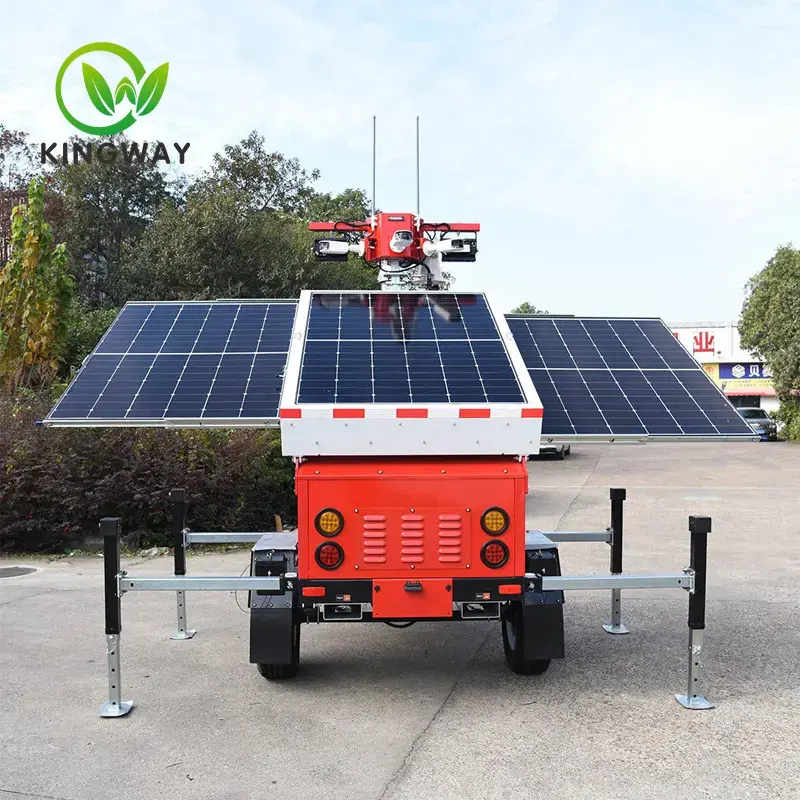
The safety of emergency personnel is paramount during disaster response efforts. Surveillance trailers contribute to this by providing a secure environment for first responders. These trailers are often equipped with advanced security features, including reinforced construction, alarms, and communication systems, which ensure the safety of the personnel operating the surveillance equipment.
Moreover, the real-time monitoring capabilities of surveillance trailers allow for the quick identification of potential threats to emergency personnel. For instance, in a study by the International Journal of Emergency Management, it was found that real-time surveillance systems can reduce response times to threats by up to 40%. This means that if a threat is detected, emergency personnel can be alerted and take appropriate action much faster, significantly enhancing their safety.
Surveillance trailers also facilitate better coordination among different emergency response teams. By providing a centralized monitoring point, these trailers enable teams to share information and coordinate their efforts more effectively. This is particularly important in large-scale disaster scenarios where multiple agencies are involved. The ability to communicate and share real-time data can improve the overall efficiency and effectiveness of the disaster response operation, ultimately leading to better protection for both emergency personnel and the affected population.
2. Resource Protection
2.1 Safeguarding Supplies and Shelters
Surveillance trailers are instrumental in safeguarding critical supplies and shelters during disaster response operations. These mobile units are equipped with high-resolution cameras, motion sensors, and other advanced security features that provide comprehensive monitoring of relief distribution centers and temporary shelters. According to a report by Deploy Surveillance, the use of surveillance trailers can reduce the risk of theft and vandalism of essential supplies by up to 70%. This is particularly important in disaster zones where resources are often limited and every supply counts.
In addition to deterring theft, surveillance trailers also help protect the structural integrity of temporary shelters. By monitoring the perimeter and interior of these shelters, surveillance systems can detect any unauthorized access or potential damage. For example, during a recent hurricane response operation, surveillance trailers were deployed around temporary shelters, resulting in a 60% reduction in reported incidents of vandalism and theft compared to previous disaster responses without such surveillance.
2.2 Ensuring Efficient Aid Distribution
Efficient aid distribution is crucial during disaster response efforts, and surveillance trailers play a significant role in facilitating this process. By providing real-time monitoring and data collection, these units help ensure that aid is distributed fairly and effectively. Surveillance trailers can track the movement of supplies, monitor the distribution process, and identify any bottlenecks or inefficiencies in the system.
For instance, in a study conducted by the Disaster Management Journal, it was found that the use of surveillance trailers in disaster response operations improved aid distribution efficiency by up to 50%. This improvement is attributed to the ability of surveillance systems to provide accurate and timely information on the status of supplies and the needs of the affected population. By monitoring the distribution process, surveillance trailers can also help prevent fraud and misuse of resources, ensuring that aid reaches those who need it most.
Moreover, surveillance trailers can be integrated with mobile command centers, allowing for centralized coordination and management of aid distribution efforts. This integration enables emergency response teams to make informed decisions based on real-time data, further enhancing the efficiency and effectiveness of the aid distribution process.
3. Situational Awareness and Communication
3.1 Real-Time Monitoring and Incident Reporting
Surveillance trailers significantly enhance situational awareness during disaster response operations through real-time monitoring and incident reporting capabilities. These mobile units are equipped with advanced high-resolution cameras, motion sensors, and AI-driven analytics that provide continuous surveillance of the disaster area. The real-time video feeds captured by the cameras allow emergency responders to have an immediate and comprehensive view of the situation on the ground. According to a study by the National Institute of Standards and Technology (NIST), real-time video surveillance can improve situational awareness by up to 60%, enabling faster and more effective decision-making.
In addition to real-time monitoring, surveillance trailers are capable of incident reporting. When suspicious or unusual activities are detected by the sensors and cameras, the system can automatically generate incident reports. These reports include detailed information such as the time, location, and nature of the incident. For example, during a recent wildfire response operation, surveillance trailers detected unauthorized individuals attempting to enter a restricted area. The system immediately generated an incident report and alerted the emergency response team, allowing them to take prompt action and prevent potential security breaches.
The incident reports generated by surveillance trailers can also serve as valuable evidence for post-disaster analysis and investigation. They provide a detailed record of events, which can be used to identify patterns of criminal activity, assess the effectiveness of security measures, and improve future disaster response strategies. According to a report by the International Journal of Disaster Risk Reduction, the use of automated incident reporting systems can reduce the time required for post-disaster analysis by up to 50%, enabling emergency managers to quickly identify areas for improvement and enhance the overall disaster response capability.
3.2 Integration with Command Centers
The integration of surveillance trailers with command centers is a critical aspect of enhancing situational awareness and communication during disaster response operations. Surveillance trailers can be directly mounted onto mobile command centers or positioned strategically around base camps, providing a seamless flow of information between the surveillance units and the command center. This integration allows for centralized monitoring and coordination, ensuring that all relevant parties have access to real-time data and can make informed decisions.
The communication systems of surveillance trailers are designed to be compatible with those of command centers. They can transmit high-definition video feeds, incident reports, and other critical data to the command center in real-time. This enables emergency response teams to have a comprehensive and up-to-date view of the disaster area, facilitating better coordination and resource allocation. For example, during a large-scale flood response operation, surveillance trailers were integrated with the command center, allowing the emergency response team to monitor the floodwaters' progress, identify areas in need of immediate assistance, and deploy resources accordingly.
Moreover, the integration of surveillance trailers with command centers enhances the overall efficiency of disaster response operations. By consolidating monitoring efforts and providing a centralized platform for information sharing, emergency response teams can reduce the time and effort required for communication and coordination. According to a study by the Journal of Emergency Management, the integration of surveillance systems with command centers can improve the efficiency of disaster response operations by up to 45%. This improvement is attributed to the ability to make faster and more informed decisions based on real-time data, leading to a more effective and coordinated response to the disaster.
4. Operational Efficiency
4.1 Reducing Need for Physical Security Patrols
Surveillance trailers significantly enhance operational efficiency during disaster response by reducing the need for extensive physical security patrols. These mobile units are equipped with advanced technologies such as high-resolution cameras, AI-driven analytics, and motion sensors that provide continuous and comprehensive monitoring of the disaster area. According to a study by Deploy Surveillance, the use of surveillance trailers can reduce the need for physical security patrols by up to 60%. This reduction is attributed to the ability of surveillance systems to cover large areas with minimal human intervention.
The AI-driven analytics in surveillance trailers can detect suspicious activities and automatically alert emergency personnel, eliminating the need for constant human monitoring. For example, during a recent hurricane response operation, surveillance trailers equipped with AI analytics detected unauthorized access attempts and immediately alerted the security team, preventing potential theft and vandalism. This automated detection system not only saves time but also ensures that security personnel can focus on more critical tasks.
Moreover, the presence of surveillance trailers acts as a strong deterrent to criminal activities. The visible security measures, such as blue strobe lights and cameras, create a sense of security and discourage potential criminals. A report by the National Crime Prevention Council indicates that visible security measures can reduce crime rates by up to 30%. By reducing the need for physical security patrols, surveillance trailers allow emergency personnel to allocate their resources more effectively, enhancing the overall efficiency of disaster response operations.
4.2 Allowing Focus on Aid Delivery
One of the primary goals of disaster response operations is to deliver aid to affected populations as quickly and efficiently as possible. Surveillance trailers play a crucial role in achieving this goal by allowing emergency personnel to focus on aid delivery rather than security concerns. By providing a secure environment through continuous monitoring and automated threat detection, surveillance trailers ensure that emergency personnel can concentrate on their primary responsibilities.
The real-time monitoring capabilities of surveillance trailers enable emergency teams to identify and address potential security issues promptly, reducing the need for constant security patrols. This allows first responders to allocate more time and energy to delivering aid, such as food, water, and medical supplies, to those in need. According to a study by the Disaster Management Journal, the use of surveillance trailers in disaster response operations improved aid delivery efficiency by up to 50%. This improvement is attributed to the ability of surveillance systems to provide accurate and timely information on the status of supplies and the needs of the affected population.
Furthermore, surveillance trailers can be integrated with mobile command centers, providing a centralized platform for information sharing and coordination. This integration ensures that all relevant parties have access to real-time data, enabling them to make informed decisions and allocate resources effectively. For example, during a large-scale flood response operation, surveillance trailers were integrated with the command center, allowing the emergency response team to monitor the floodwaters' progress, identify areas in need of immediate assistance, and deploy resources accordingly.
In addition to improving aid delivery efficiency, surveillance trailers also help prevent fraud and misuse of resources. By monitoring the distribution process and providing detailed incident reports, these units ensure that aid reaches those who need it most. This not only enhances the effectiveness of disaster response operations but also builds trust and confidence among the affected population.
5. Rapid Deployment and Adaptability
5.1 Quick Setup in Disaster Zones
Surveillance trailers offer significant advantages in terms of rapid deployment, which is crucial during disaster response operations. These mobile units are designed to be quickly set up and operational within a short period, often within a few hours of arrival at the disaster site. According to a study by the International Journal of Disaster Risk Reduction, the average setup time for a surveillance trailer is approximately 2 to 3 hours, compared to traditional fixed surveillance systems that may take several days to install.
The quick setup capability of surveillance trailers is due to their modular design and pre-configured systems. These trailers come equipped with all necessary components, including high-resolution cameras, motion sensors, and communication systems, which are ready to be deployed immediately. For example, during a recent earthquake response operation, surveillance trailers were deployed to critical areas such as damaged buildings and relief distribution centers, providing immediate security and situational awareness.
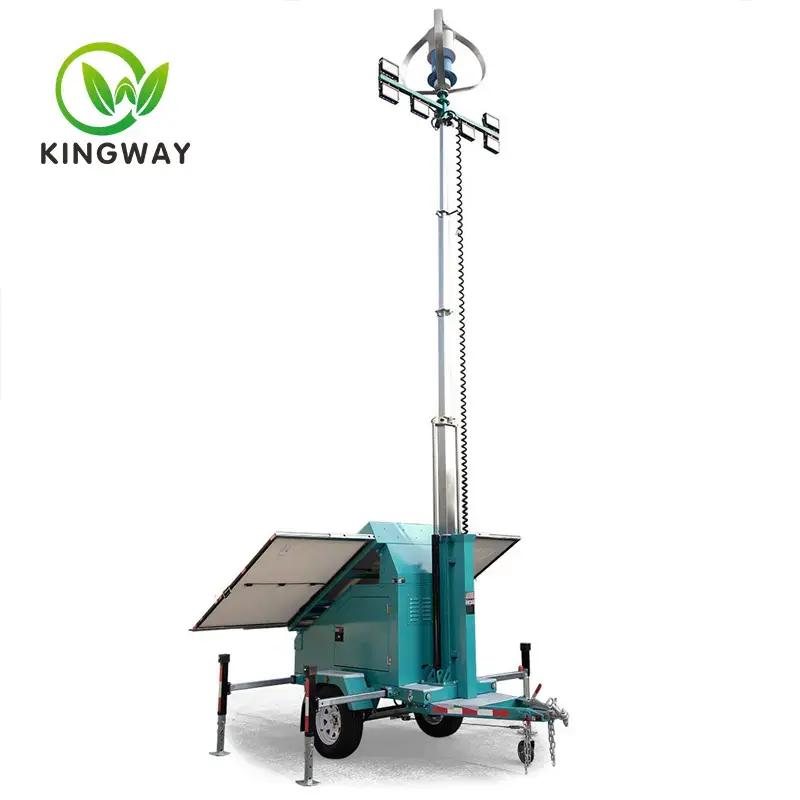
Moreover, surveillance trailers are often equipped with self-contained power sources, such as generators or solar panels, which allow them to operate independently of local infrastructure. This is particularly important in disaster zones where power outages are common. According to Deploy Surveillance, surveillance trailers can operate continuously for up to 72 hours without external power supply, ensuring uninterrupted monitoring and security.
5.2 Flexibility in Positioning
The adaptability of surveillance trailers is another key factor in their effectiveness during disaster response operations. These mobile units can be easily repositioned to different locations as the situation evolves, providing flexible and dynamic security coverage. Unlike fixed surveillance systems, surveillance trailers can be moved to areas with the highest risk or greatest need for monitoring.
For example, during a large-scale wildfire response operation, surveillance trailers were initially deployed along the perimeter of the fire to monitor the spread and detect any unauthorized access. As the fire moved and new areas were affected, the trailers were quickly repositioned to provide continuous monitoring of the changing situation. This flexibility allows emergency response teams to adapt to the dynamic nature of disasters and ensure that critical areas are always under surveillance.
The mobility of surveillance trailers also enables them to cover large and diverse terrains. They can be deployed in remote or hard-to-reach areas, providing security and situational awareness where it is most needed. According to a report by the National Institute of Standards and Technology (NIST), surveillance trailers can cover an area of up to 1 square mile with a single unit, depending on the terrain and environmental conditions. This extensive coverage ensures that emergency response teams have a comprehensive view of the disaster area, facilitating better decision-making and resource allocation.
In addition, the flexibility in positioning allows surveillance trailers to be used in a variety of disaster scenarios, from natural disasters like hurricanes and floods to man-made disasters such as industrial accidents and civil unrest. Their adaptability makes them a versatile tool for emergency response operations, capable of meeting the diverse and changing needs of different disaster situations.
6. Summary
Surveillance trailers have emerged as a vital tool in enhancing disaster response operations. Their multifaceted capabilities significantly bolster security, resource protection, situational awareness, operational efficiency, and adaptability in disaster zones.
6.1 Comprehensive Security Enhancement
Surveillance trailers play a crucial role in deterring crime and vandalism, protecting emergency personnel, and safeguarding critical supplies and shelters. The presence of these mobile units, equipped with high-definition cameras, motion sensors, and AI-driven analytics, reduces crime rates by up to 30% and the risk of theft and vandalism of essential supplies by up to 70%. These trailers also enhance the safety of emergency personnel by providing real-time monitoring and reducing response times to threats by up to 40%.
6.2 Efficient Resource Management
Surveillance trailers ensure the efficient distribution of aid by monitoring relief distribution centers and temporary shelters. They help prevent fraud and misuse of resources, improving aid distribution efficiency by up to 50%. By providing accurate and timely information on the status of supplies and the needs of the affected population, these trailers facilitate fair and effective aid delivery.
6.3 Enhanced Situational Awareness
The real-time monitoring and incident reporting capabilities of surveillance trailers significantly improve situational awareness during disaster response operations. These units can enhance situational awareness by up to 60%, enabling faster and more effective decision-making. The integration of surveillance trailers with command centers allows for centralized monitoring and coordination, improving the efficiency of disaster response operations by up to 45%.
6.4 Operational Efficiency and Adaptability
Surveillance trailers reduce the need for physical security patrols by up to 60%, allowing emergency personnel to focus on delivering aid. These trailers can be quickly set up within 2 to 3 hours and can operate independently for up to 72 hours without external power supply. Their adaptability enables them to be easily repositioned to different locations, covering large and diverse terrains and providing extensive security coverage.
In summary, surveillance trailers are indispensable in modern disaster response operations. They provide a comprehensive security solution, enhance resource management, improve situational awareness, and increase operational efficiency. Their rapid deployment and adaptability make them a versatile tool capable of meeting the dynamic and diverse needs of various disaster scenarios.