

Mobile Lighting Trailer Supplier
How do surveillance trailers help with resource allocation during disasters?
How do surveillance trailers help with resource allocation during disasters?
When a disaster occurs, the rapid and accurate allocation of resources is the key to rescue work. As a flexible and efficient means of monitoring, surveillance trailers can play an important role during disasters, helping to optimize resource allocation and improve rescue efficiency.
I. Features of surveillance trailers
1. Rapid deployment
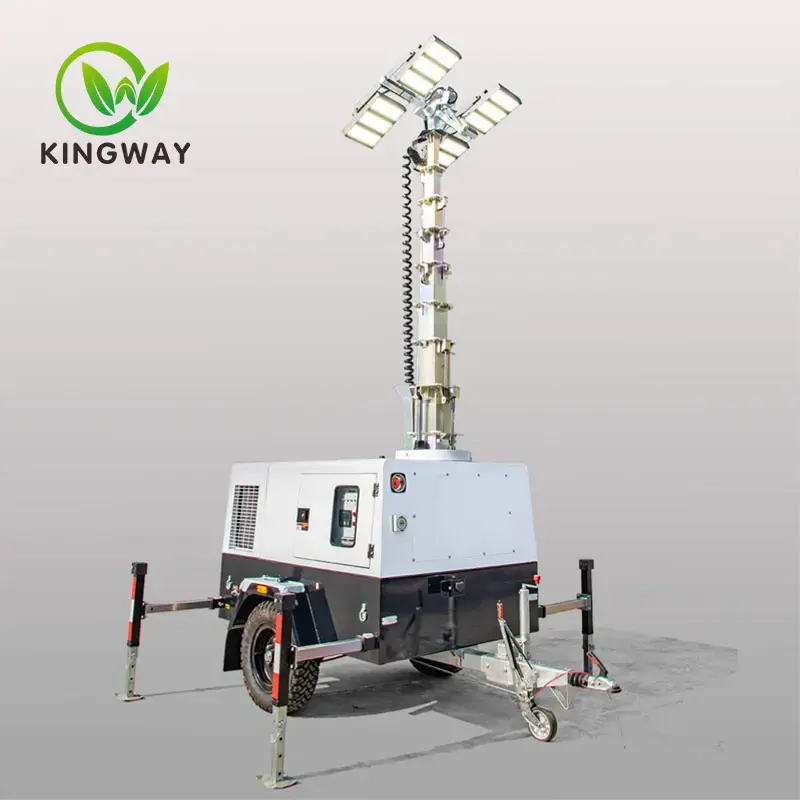
Surveillance trailers can be quickly deployed to disaster areas to provide real-time monitoring data. This rapid response capability is crucial for disaster relief because it can provide detailed information about the disaster area in a timely manner and help rescuers make decisions quickly. For example, mobile surveillance trailers can be equipped with cameras, sensors and other equipment to quickly reach the disaster area and start working.
2. Flexible adjustment
Surveillance trailers can flexibly adjust the monitoring location and range as needed. At the disaster site, the situation is often complex and changeable, and the monitoring strategy needs to be constantly adjusted. The flexibility of surveillance trailers enables them to adapt to such changes and ensure that monitoring covers the areas that need the most attention.
3. Multi-functional integration
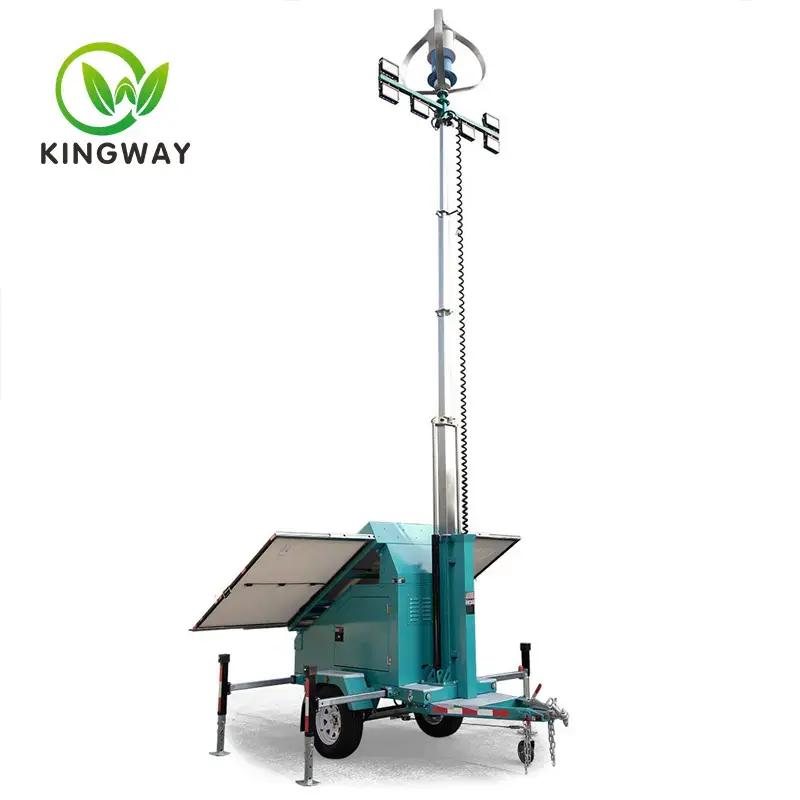
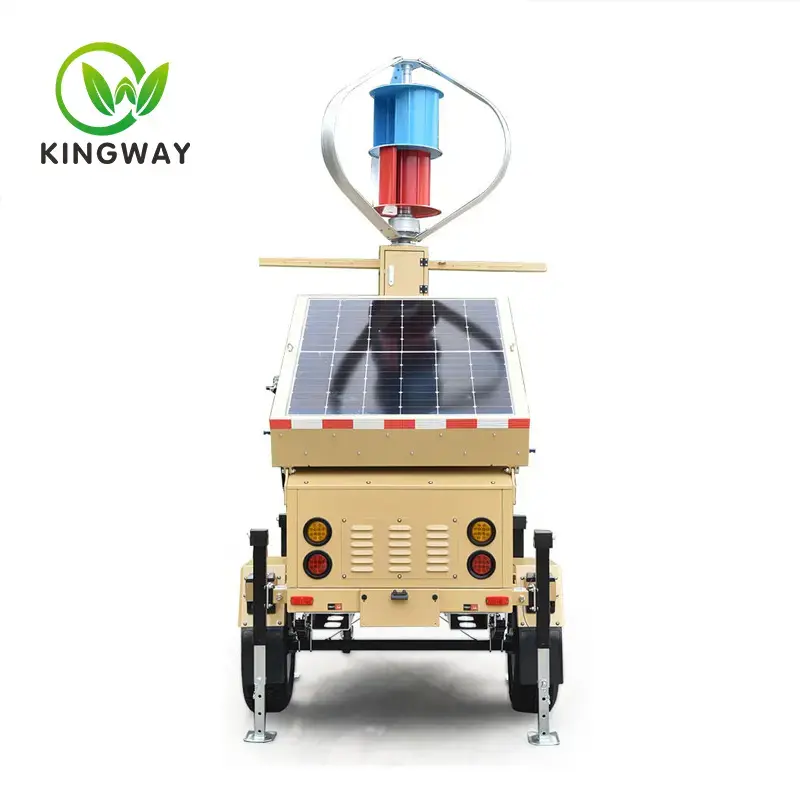
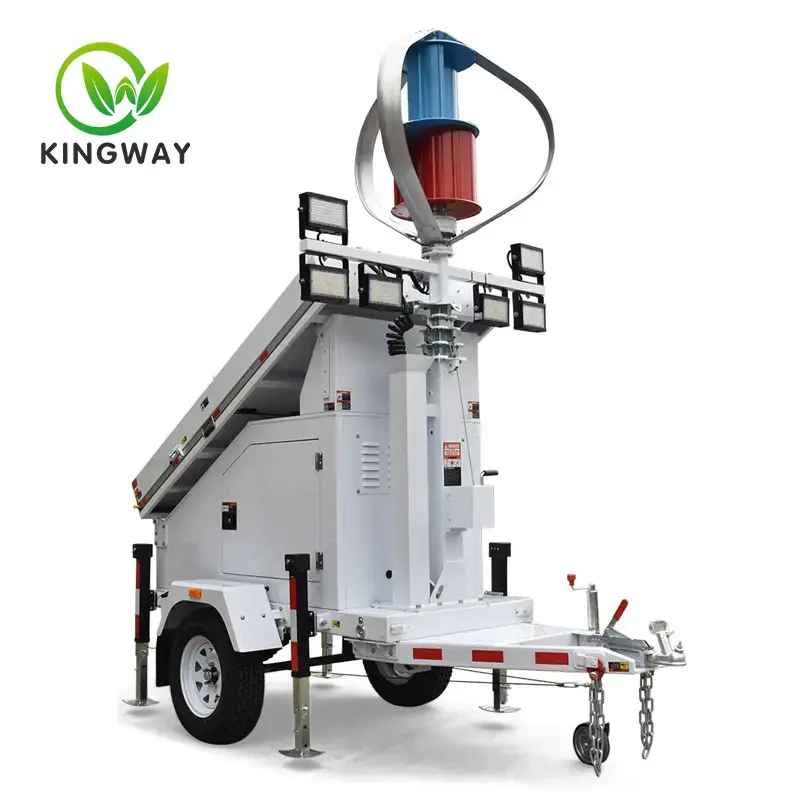
Modern surveillance trailers usually integrate multiple functions, such as video monitoring, data acquisition, and communications. These functions can help rescuers fully understand the situation in the disaster area and provide more accurate information for resource allocation. For example, some monitoring trailers are equipped with solar power supply systems, which can work for a long time in an environment without electricity.
2. The role of monitoring trailers in resource allocation
1. Real-time data collection
Monitoring trailers can collect various data in the disaster area in real time, such as personnel distribution, material needs, road conditions, etc. These data are crucial for resource allocation because they can help rescuers understand the actual needs of the disaster area and allocate resources more reasonably. For example, through the camera of the monitoring trailer, the distribution of personnel in the disaster area can be viewed in real time and the location of the relief materials can be determined.
2. Dynamic monitoring
Monitoring trailers can dynamically monitor the disaster area and discover new needs and problems in a timely manner. During the disaster rescue process, the situation often changes constantly, and the resource allocation strategy needs to be adjusted in a timely manner. The dynamic monitoring capability of the monitoring trailer can help rescuers keep abreast of these changes and ensure the timeliness and effectiveness of resource allocation.
3. Communication and coordination
Monitoring trailers are usually equipped with communication equipment and can serve as temporary communication centers in disaster areas. When disasters occur, communication infrastructure is often damaged, and the communication function of monitoring trailers can help rescuers stay in touch and coordinate resource allocation. For example, monitoring trailers can transmit real-time information from disaster areas to the command center through wireless bridges, satellite communications and other means.
III. Application of monitoring trailers in different disaster scenarios
1. Natural disasters
In natural disasters such as earthquakes and floods, monitoring trailers can be quickly deployed to disaster areas to provide real-time monitoring data. For example, during floods, monitoring trailers can monitor water level changes to help rescuers adjust rescue strategies in a timely manner.
2. Public health events
In public health events, monitoring trailers can be used to monitor the spread of the epidemic and help health departments allocate medical resources in a timely manner. For example, monitoring trailers can monitor the flow of people in hospitals and isolation points to ensure the reasonable allocation of medical supplies.
3. Urban safety events
In urban safety events, monitoring trailers can be used to monitor the scene of the accident and help rescuers respond quickly. For example, in accidents such as fires and explosions, monitoring trailers can provide real-time video monitoring to help rescuers understand the situation on the scene and reasonably allocate rescue resources.
IV. Development trend of monitoring trailer technology
1. Intelligence
With the development of artificial intelligence technology, monitoring trailers will have stronger intelligent functions. For example, through image recognition technology, monitoring trailers can automatically identify the personnel, materials, etc. in the disaster area and provide more accurate data support.
2. Integration
Future monitoring trailers will integrate more functions, such as environmental monitoring, weather forecasting, etc. These functions will help rescuers understand the situation in the disaster area more comprehensively and improve the scientific nature of resource allocation.
3. Greening
With the improvement of environmental awareness, monitoring trailers will adopt more clean energy, such as Solar Energy, wind energy, etc. This will reduce the impact on the environment while improving the sustainability of monitoring trailers.
V. Conclusion
Monitoring trailers play an important role in resource allocation during disasters. Through rapid deployment, real-time monitoring and dynamic adjustment, monitoring trailers can provide accurate data support for rescuers, help optimize resource allocation, and improve rescue efficiency. With the continuous development of technology, monitoring trailers will have stronger functions and provide more powerful support for disaster relief.