

Mobile Lighting Trailer Supplier
Full analysis of export qualifications of mobile surveillance lighting trailers
Full analysis of export qualifications of mobile surveillance lighting trailers
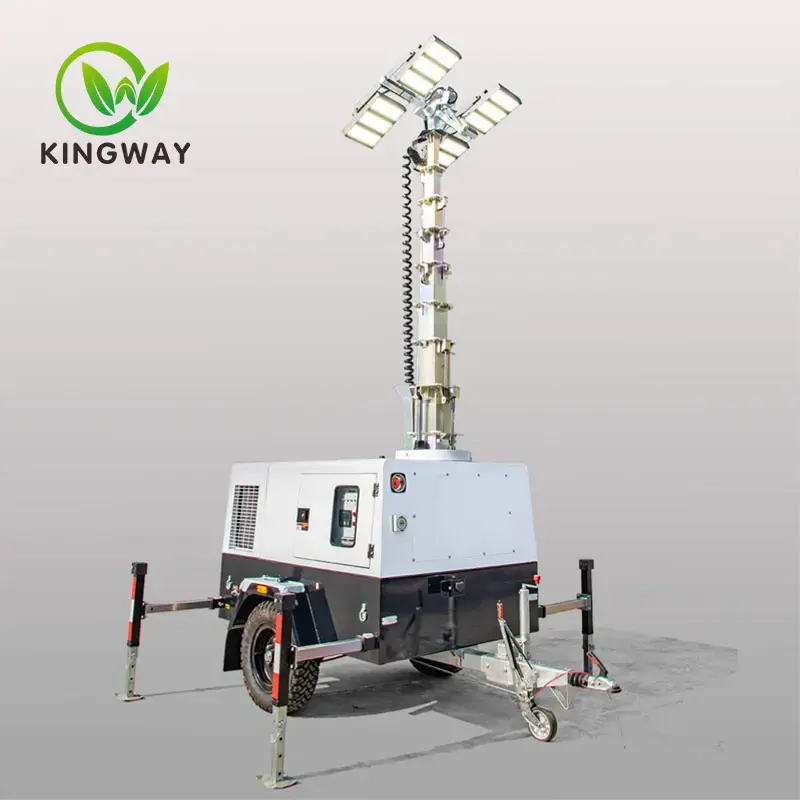
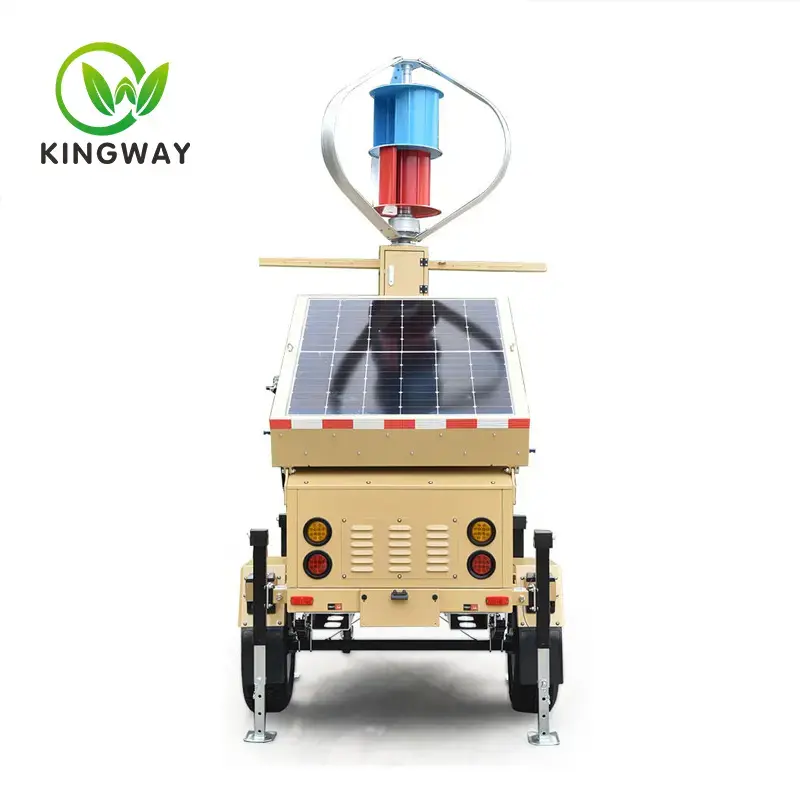
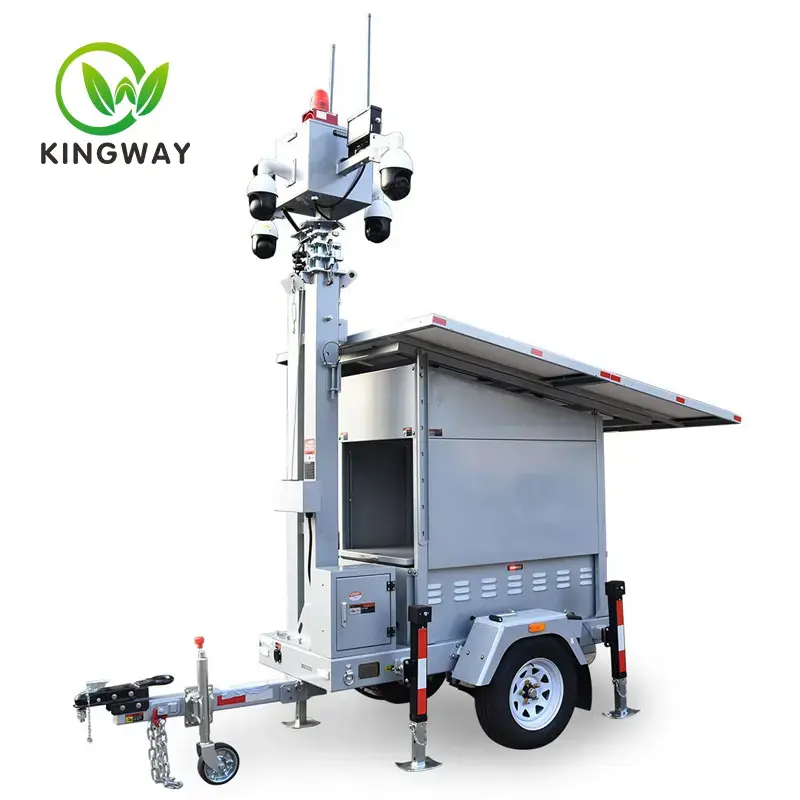
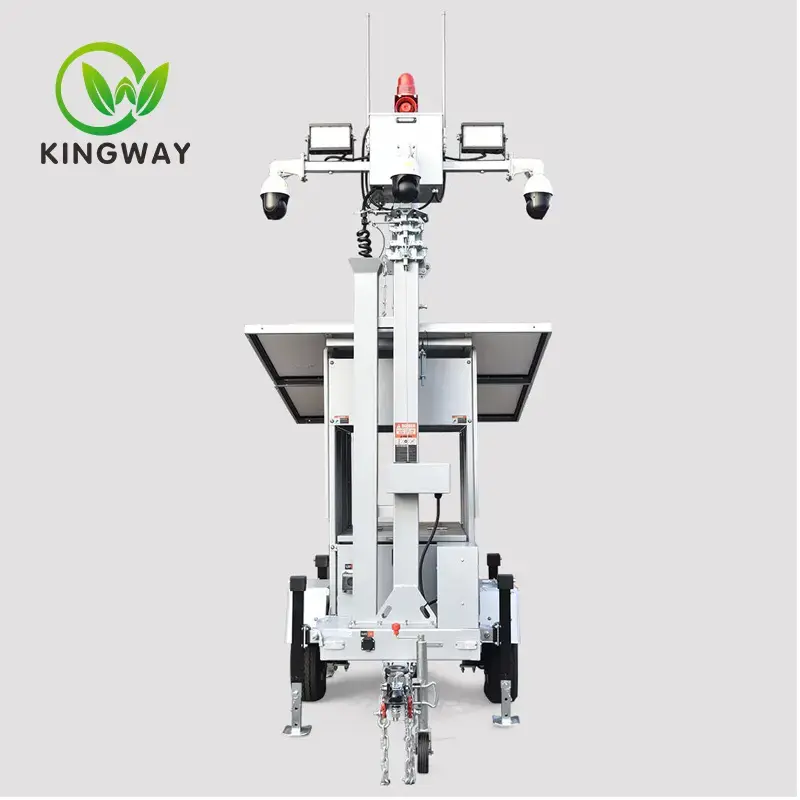
In today's globalized business environment, mobile surveillance lighting trailers have attracted the attention of international wholesale buyers due to their wide application in various scenarios, such as construction sites, emergency rescue, outdoor activities, etc. For companies engaged in the export of mobile surveillance lighting trailers, understanding and possessing relevant export qualifications is a prerequisite for doing business. This article will discuss in detail the various qualifications required for the export of mobile surveillance lighting trailers to help companies smoothly enter the international market.
1. Basic qualifications of enterprises
Business registration
Enterprises need to register with the market supervision department for business registration and obtain a legal business license. The business scope of the business license should include businesses related to the production, sales, and export of mobile surveillance lighting trailers, which is the basis for the company to carry out all commercial activities and the primary condition for participating in international trade.
Organization code certificate and tax registration certificate
The organization code certificate is the "identity card" of the company, which is used to prove the legal identity and organizational information of the company. The tax registration certificate is used for corporate tax declaration and tax management and other related matters. In the export business, these certificates are an important basis for enterprises to conduct tax filing, export tax rebates and other operations.
2. Qualifications related to import and export rights
Registration of foreign trade operators
According to the provisions of the Foreign Trade Law of the People's Republic of China, legal persons, other organizations or individuals engaged in foreign trade operations need to go through industrial and commercial registration or other professional procedures in accordance with the law and obtain foreign trade rights. Enterprises need to register as foreign trade operators with the Ministry of Commerce or local commerce authorities and obtain the "Registration Form for Foreign Trade Operators". This is one of the necessary qualifications for enterprises to carry out import and export business, and it is also the basis for customs, foreign exchange management and other departments to handle related business.
Customs registration
Enterprises need to apply to the customs for customs registration procedures and obtain a customs registration code. The customs registration code is the unique identifier of the enterprise in the customs system, which is used to handle customs business such as customs declaration, tax payment, and import and export goods supervision. Enterprises need to submit relevant materials in accordance with customs requirements, such as business licenses, foreign trade operator registration forms, etc., and obtain customs registration codes after passing the review.
Entry-exit inspection and quarantine registration
In order to ensure that the quality and safety of export products meet relevant standards, enterprises need to go to the local entry-exit inspection and quarantine agency to go through the registration procedures and obtain an entry-exit inspection and quarantine registration certificate or an entry-exit inspection and quarantine enterprise registration information form. When filing, the enterprise needs to provide relevant information of the product, such as product name, model, specification, manufacturer, etc. The inspection and quarantine agency will evaluate and review the product to determine whether it meets the relevant requirements.
3. Specific industry qualifications and certifications
Qualifications of security engineering enterprises
Mobile monitoring lighting trailers involve the installation and use of monitoring equipment, so enterprises may need to have security engineering enterprise qualifications. This qualification is approved by the China Security Industry Association and is divided into levels one, two, and three. Having the corresponding level of security engineering enterprise qualifications can prove the technical level and construction capabilities of the enterprise in the field of security engineering, which will help the enterprise gain recognition and trust from customers in the international market and undertake related monitoring engineering business.
Qualification for professional contracting of electronic and intelligent engineering
This qualification is approved by the Ministry of Construction and is divided into level one and level two. Enterprises that have obtained this qualification can undertake various types of electronic engineering and building intelligent engineering construction. For mobile monitoring lighting trailers, which integrate electronic monitoring and lighting functions, having this qualification when exporting can show the professional strength of the enterprise in the field of electronic and intelligent engineering to international buyers, thereby standing out from the competition. For example, a second-level enterprise can undertake the construction of electronic system engineering and building intelligent engineering with a single contract amount of less than 15 million yuan.
4. Product Certification and Standards
ISO Quality Certification System
ISO 9001 quality management system certification is an internationally accepted quality management standard. By establishing and implementing a quality management system that meets this standard, enterprises can ensure the stability and reliability of product quality. In the production process of mobile surveillance lighting trailers, following the requirements of the ISO quality management system and strictly managing the procurement of raw materials, production process control, product testing and other links will help improve product quality and meet the needs of the international market. In addition, ISO 14001 environmental management system certification and ISO 45001 occupational health and safety management system certification can also help enterprises meet international standards in environmental protection and employee health and safety, and enhance the international image and competitiveness of enterprises.
CE Certification
CE certification is a mandatory certification mark for products in the EU market. If an enterprise plans to export mobile surveillance lighting trailers to EU countries, the product must pass CE certification to prove that it meets the relevant EU health, safety and environmental protection requirements. CE certification covers multiple directives, such as the Electromagnetic Compatibility (EMC) Directive, the Low Voltage (LVD) Directive, the Machinery Directive, etc. Enterprises need to test and evaluate products in accordance with the requirements of relevant directives to ensure the legality and safety of products in the EU market.
FCC Certification
FCC (Federal Communications Commission) certification is a mandatory certification for electronic devices sold in the US market. If the mobile monitoring lighting trailer contains wireless communication equipment or electronic transmission equipment, such as 4G image transmission system, etc., then the product needs to pass FCC certification. FCC certification mainly tests whether the product will cause interference to radio communications and whether it meets relevant technical standards and safety requirements. Products that have obtained FCC certification can be legally sold in the US market and are also easily recognized by other countries and regions.
Other product standard certifications
Depending on different target markets and product characteristics, other relevant product standard certifications may also need to be met. For example, RCM certification in Australia, IC certification in Canada, UL certification, etc. These certifications are all for testing and evaluation of product safety, electromagnetic compatibility, etc., to ensure the legal use of products in the target market and the safety of consumers.
5. Export quota license and the right to import and export specific goods
Export quota license
According to the Regulations of the People's Republic of China on the Administration of Import and Export of Goods, for export goods that require quotas, export operators need to apply for export quota licenses from the foreign trade and economic cooperation department of the State Council with the quota certificate issued by the export quota management department before they can go through customs clearance procedures. Although many goods have been exempted from quota restrictions, export quota licenses may still be required for some sensitive products or resource products. Enterprises need to pay close attention to relevant national policies and quota management of target markets, and apply for quota licenses in a timely manner to ensure the smooth export of products.
Import and export rights of specific goods
For some goods that are subject to state-owned trade management, such as certain specific resource products or goods involving national security, their import and export business can only be operated by authorized enterprises. If such specific goods are involved in mobile monitoring lighting trailers, enterprises must obtain corresponding authorizations before they can carry out import and export business. Otherwise, the export operation of related products will not be possible.
6. Taxation and foreign exchange management related qualifications
Tax registration change
After obtaining import and export qualifications, enterprises must also go through tax registration change procedures and add the recognition of "import and export tax rebates". In this way, enterprises can apply for export tax rebates in accordance with relevant national policies after exporting products, reduce the tax burden of enterprises, and improve the international competitiveness of products. Tax registration changes require enterprises to submit relevant certification documents to the tax department, such as the registration form for foreign trade operators, customs registration code, etc., and complete the change procedures after review by the tax department.
Opening of foreign exchange accounts and foreign exchange management
In order to facilitate foreign exchange settlement and fund collection and payment, enterprises need to open foreign exchange accounts at banks. At the same time, enterprises must comply with the relevant regulations of the State Administration of Foreign Exchange and register the list of foreign exchange receipts and payments enterprises. In export business, enterprises need to collect and settle foreign exchange in accordance with the requirements of foreign exchange management to ensure the compliance of foreign exchange funds. Banks and foreign exchange management departments will supervise and review the foreign exchange transactions of enterprises to prevent foreign exchange violations.
7. Intellectual Property Protection and Brand Building
Patent Application
Mobile surveillance lighting trailers may have unique innovations in design, technology and function. Enterprises should apply for patents for these innovative achievements in a timely manner, including invention patents, utility model patents and design patents. Before exporting, enterprises should carry out patent layout in the countries or regions where the target market is located, and protect the intellectual property rights of enterprises by applying for international patents (such as PCT patent applications) or applying for patents in specific countries to prevent infringement and imitation of products in overseas markets. This not only helps to safeguard the legitimate rights and interests of enterprises, but also enhances the core competitiveness of enterprises in the international market.
Trademark Registration
Trademarks are important symbols of corporate brands. Enterprises should register their own brand trademarks in target export countries or regions. Trademark registration can protect the brand name, logo, etc. of enterprises from infringement, and avoid brand confusion or registration by others in overseas markets. By establishing and maintaining a good brand image, enterprises can increase the added value and market recognition of their products, and enhance customers' trust and loyalty to their products.
8. Export Contracts and Documents
Signing of Export Contracts
After reaching a transaction intention with international wholesale buyers, enterprises need to sign a formal export contract. The export contract is the legal basis for the rights and obligations of both parties. The contract terms should clearly define the product specifications, quantity, price, delivery date, quality standards, payment methods, transportation methods, insurance, breach of contract liability, etc. Before signing a contract, the company should fully understand the meaning and division of responsibilities of international trade terms (such as FOB, CIF, EXW, etc.), and reasonably determine the contract terms according to its own situation and market practices to reduce transaction risks and disputes.
Preparation of export documents
During the export process, the company needs to prepare a series of export documents, such as commercial invoices, packing lists, bills of lading, customs declarations, inspection declarations, certificates of origin, etc. These documents are indispensable documents for customs supervision, inspection and quarantine, bank settlement and international logistics. The company should ensure the authenticity, accuracy and completeness of the documents, and the information between the documents should be consistent with each other to avoid export obstructions or additional costs and delays due to document problems. For example, a commercial invoice is an important voucher for export collection and import customs declaration. Its content should list in detail the product name, quantity, price, origin and other information; the bill of lading is a property right certificate for the transportation of goods, and has an important legal status in international logistics.
9. Customs declaration and inspection and quarantine process
Customs declaration process
After completing the signing of the export contract and production preparation, the enterprise needs to go through customs declaration procedures before the goods leave the country. The customs declaration process mainly includes declaration, document review, inspection, taxation, release and other links. Enterprises need to enter and submit the customs declaration form through the customs-designated declaration system such as the China International Trade Single Window, and attach relevant documents such as commercial invoices, packing lists, contracts, inspection forms, etc. The customs will review the customs declaration form and the accompanying documents. If the goods need to be inspected, the customs will issue an inspection notice, and the enterprise needs to cooperate with the customs to conduct actual inspection of the goods. After the review and inspection are qualified, the customs will release the goods, and the enterprise can ship the goods out of the country.
Inspection and quarantine process
According to the relevant provisions of entry-exit inspection and quarantine, enterprises need to report to the entry-exit inspection and quarantine agency and apply for inspection and quarantine before the goods are exported. The inspection and quarantine agency will sample, inspect or quarantine the products according to the nature, purpose and relevant standards of the products. For mobile monitoring lighting trailers, the inspection and quarantine agency may test and evaluate their safety, electromagnetic compatibility, environmental protection performance and other aspects. After passing the inspection and quarantine, the inspection and quarantine agency will issue the corresponding inspection and quarantine certificates, such as the customs clearance form for outbound goods, the inspection and quarantine processing notice, etc. Enterprises need to go through customs declaration procedures with these certificates, and the customs will also release the goods based on the inspection and quarantine certificates.
10. Other matters
Continuous attention to international standards and regulations
The standards and regulations of different countries and regions may change over time. Enterprises need to establish an effective information collection and update mechanism and pay close attention to the latest standards, regulations, certification requirements and other dynamic information in the target market. Regularly participate in international industry exhibitions, seminars and technical exchange activities, maintain close communication with local industry associations, certification bodies, customers, etc., and obtain the latest market access requirements and industry trends in a timely manner, so that enterprises can adjust product strategies and export plans in a timely manner to ensure that products always meet the requirements of the international market.
Product safety and quality control
Throughout the production process, enterprises should always put product quality and safety first, and strictly produce and inspect in accordance with relevant standards and certification requirements. Establish a complete quality management system, and carry out strict quality control and traceability mechanisms in all links from raw material procurement, parts processing, product assembly to finished product testing. Strengthen employee quality awareness training, improve the operating skills and quality inspection level of production personnel, and ensure that each batch of exported mobile monitoring lighting trailers meets high quality and high safety standards to win the long-term trust and cooperation of international customers.
After-sales service and technical support
For equipment such as mobile monitoring lighting trailers with high technical content and complex use environment, after-sales service and technical support are important guarantees for export success. Enterprises should establish a complete after-sales service network in the target market, including setting up overseas warehouses, maintenance centers, training local after-sales service personnel, etc., so as to be able to respond to customer needs in a timely manner and provide after-sales services such as product repair, maintenance, and parts replacement. At the same time, enterprises should also provide customers with necessary technical support, such as product use training, remote technical guidance, software upgrades, etc., to help customers better use and maintain products and improve customer satisfaction and loyalty.
Trade Compliance and Risk Prevention
During the export process of mobile monitoring lighting trailers, enterprises must abide by international trade rules and relevant laws and regulations to ensure trade compliance. This includes but is not limited to accurately declaring product information, paying tariffs in accordance with regulations, complying with export control policies, and not involving infringement of intellectual property rights. At the same time, enterprises also need to strengthen risk prevention awareness, conduct a full investigation of the credit status of trading partners, adopt appropriate payment methods (such as letters of credit, TT, etc.) to reduce the risk of foreign exchange collection, purchase export credit insurance to deal with potential commercial and political risks, and formulate a complete emergency plan to deal with possible trade disputes, quality claims and other issues to protect the legitimate rights and interests and economic interests of enterprises.